
Arnon Grunberg
Author of Tirza
About the Author
Disambiguation Notice:
(dut) Some of his books were written using the heteronym Marek van der Jagt.
Some of his books were written using the pseudonym Marek van der Jagt.
Image credit: Arnon Grunberg - Photo by: Keke Keukelaar
Series
Works by Arnon Grunberg
Het aanwezige been 6 copies
De receptioniste 5 copies
Het Rotterdam van Arnon Grunberg 4 copies
Geheime voetnoten 4 copies
Er is geen enkele hoop op beterschap 3 copies
Een doodziek uiltje 3 copies
De jongste 3 copies
Undercover in Oost Europa 3 copies
Jood op bestelling 2 copies
De Jood van Borculo 2 copies
De Haas en de Apocalyps 2 copies
Rosa Luxemburg 2 copies
Azilant 2 copies
Onderduiken voor beginners 2 copies
Aan Roos 2 copies
Geweigerde liefde 2 copies
Gehaktbrood 2 copies
Grunberg, Arnon 2 copies
De Haas en garagerock 2 copies
De ronkende MESSIAS 2 copies
Loslaten 2 copies
De verplichting van de brandnetel 2 copies
De dagen van Leopold Mangelmann ; Kom liefje, mijn beste vrienden walgen van me ; Van Palermo naar San Francisco (1996) 2 copies
Het vervelende jongetje in de klas 2 copies
Het verleden en zijn levenslessen 2 copies
HIER! : Alyosha deel 2 2 copies
Mijn vriend Boorman 2 copies
De Jubilaris 2 copies
Post mortem 2 copies
Hoewel leeftijd niet het probleem is 2 copies
Is verlossing een denkproces? 2 copies
De Gekwetsten 1 copy
Psychiatrzy i masażyści 1 copy
Dwars door Oekraïne 1 copy
Couchsurfen und andere Schlachten: Herusgegeben und mit einem Vorwort von Ilija Trojanow (2013) 1 copy
De dood van den uitvreter 1 copy
De zaak Hofmeester 1 copy
Alyosha : Een introductie 1 copy
Himmler in New York 1 copy
Mariette 1 copy
Een nieuwe vriend 1 copy
Grunbergs wonderzalf 1 copy
De beloofde stad 1 copy
Een roos voor deze tijd 1 copy
Nagekomen gedicht 1 copy
Tara 1 copy
Dat is nog geheim 1 copy
Bloed 1 copy
Schone lakens & Couchsurfen 1 copy
Heertje - Grunberg 1 copy
Gratis is het woord niet 1 copy
Vijand 1 copy
Sils-Maria 1 copy
Dronken 1 copy
Een driewerf gelukkig 1996 1 copy
Kisselgoff 1 copy
Extase 1 copy
Onze Paus 1 copy
Over Onze paus 1 copy
De Bulgaren 1 copy
Ushi en Septembrius 1 copy
Associated Works
De Nederlandse poëzie van de negentiende en twintigste eeuw in duizend en enige gedichten (1979) — Contributor, some editions — 209 copies, 1 review
Kingdom of Olives and Ash: Writers Confront the Occupation (2017) — Contributor — 166 copies, 5 reviews
De Nederlandse en Vlaamse literatuur vanaf 1880 in 250 verhalen (2005) — Contributor — 79 copies, 2 reviews
Mentors, Muses & Monsters: 30 Writers on the People Who Changed Their Lives (2009) — Contributor — 71 copies, 2 reviews
Leve de boekhandel! nieuwe verhalen over het theater van de literatuur (2021) — Contributor — 14 copies
Aapverhalen : verhalen van Abdelkader Benali, Arnon Grunberg, Willem Frederik Hermans en andere Nederlandse schrijvers (2004) — Contributor — 3 copies
Tagged
Common Knowledge
- Canonical name
- Grunberg, Arnon
- Legal name
- Grünberg, Arnon Yasha Yves
- Other names
- Jagt, Marek van der
- Birthdate
- 1971-02-22
- Gender
- male
- Education
- Vossius Gymnasium Amsterdam
- Occupations
- writer
essayist
blogger - Awards and honors
- Constantijn Huygensprijs (2009)
Frans Kellendonkprijs (2010)
P.C. Hooft-prijs (2022)
Johannes Vermeer Prijs (2022)
Jonathan Swift – Internationaler Literaturpreis für Satire und Humor (2025) - Short biography
- Marek van der Jagt (Wenen, Oostenrijk, 1967-2005).
- Nationality
- Netherlands
- Birthplace
- Amsterdam, Netherlands
- Places of residence
- New York, New York, USA
- Map Location
- Netherlands
- Disambiguation notice
- Some of his books were written using the pseudonym Marek van der Jagt.
Members
Reviews
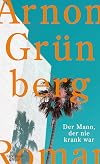
Samarendra, the son of an Indian father and a Swiss mother, is an ambitious young architect who has been commissioned by a wealthy Iraqi exile to design an opera house in Baghdad. Sam expects to be welcomed with every comfort, because ‘as he had read in the newspaper, the worst was pretty much over there’. He is full of idealism and lives for his designs and for caring for his disabled sister Aida. Only in third place comes his girlfriend Nina, for whom he feels love but not always show more passion. Sam's trip to Baghdad is bumpy from the start: his suitcase contains dirty clothes that don't belong to him, the internet doesn't work, and his client is late in showing up. And suddenly, the ground beneath Sam's feet gives way.
This work has two levels, one is a comedy and the other a tragedy. We follow Sam, whom we consider intelligent on the one hand and extremely naive on the other, to Baghdad and Dubai. How trust in a foreign culture proves to be an illusion. The author underscores the misunderstandings with Kafkaesque elements and slapstick-like malicious irony. I really liked the dramatic composition, his sober language, his pointed dialogues and his precisely drawn characters. show less
This work has two levels, one is a comedy and the other a tragedy. We follow Sam, whom we consider intelligent on the one hand and extremely naive on the other, to Baghdad and Dubai. How trust in a foreign culture proves to be an illusion. The author underscores the misunderstandings with Kafkaesque elements and slapstick-like malicious irony. I really liked the dramatic composition, his sober language, his pointed dialogues and his precisely drawn characters. show less

The 1998 Boekenweek gift, commissioned from the young Arnon Grunberg, who had made his breakthrough four years earlier with Blauwe Maandagen. Mexican teenagers Tito and Paul make friends with Kristin, the beautiful Croatian girl who joins their English class in Queens. All three of them have gone through horrible things in their early lives and welcome the fragile opportunity to play at being normal children for a short while, but we know it can’t last. Meanwhile, the boys’ mother show more Raffaella, a waitress, seems to be getting into a destructive relationship with Ewald Krieg, a strange young man who claims to be a successful novelist in his own country.
Grunberg sets up parallels between the women who live by keeping their admirers unsatisfied — “hungry” — and the novelist who plays with readers’ emotions. Both move towards tragedy (or at best farce) when they actually give satisfaction of some kind. Maybe a facile idea, but it works quite well in the short, intensive format of the novella. show less
Grunberg sets up parallels between the women who live by keeping their admirers unsatisfied — “hungry” — and the novelist who plays with readers’ emotions. Both move towards tragedy (or at best farce) when they actually give satisfaction of some kind. Maybe a facile idea, but it works quite well in the short, intensive format of the novella. show less

Most readers seem to say something like "I didn't enjoy this, but I can understand why other people like it" — I was going to say something like that as well, but I have a suspicion that the only person who really got any pleasure out of this book is Arnon Grunberg. It's clever, often witty, and written with careful attention to nuances of language, but it's about 270 pages too long(*).
It's the semi-autobiographical story of an unpleasant, self-hating teenager who grows up to have the show more sort of self-centered, wasteful adult life that unpleasant, self-hating teenagers fantasise about, spending his time drinking, hanging around with people who hang around in bars, and having sex with prostitutes, none of which seems to give him any pleasure at all. Maybe it's meant to be a witty illustration of how hard it is to be a rebel when nothing is really forbidden, but it felt more like a sustained whinge about how terrible life is from someone who had never bothered to try to do anything to change that.
---
(*) My copy has 271 pages of text show less
It's the semi-autobiographical story of an unpleasant, self-hating teenager who grows up to have the show more sort of self-centered, wasteful adult life that unpleasant, self-hating teenagers fantasise about, spending his time drinking, hanging around with people who hang around in bars, and having sex with prostitutes, none of which seems to give him any pleasure at all. Maybe it's meant to be a witty illustration of how hard it is to be a rebel when nothing is really forbidden, but it felt more like a sustained whinge about how terrible life is from someone who had never bothered to try to do anything to change that.
---
(*) My copy has 271 pages of text show less

Kellemetlen olvasmány. De milyen is lehetne egy könyv, amiben fejezeteken keresztül vagyunk kénytelenek elmerülni egy balul elsült körülmetélés ocsmány és fájdalmas következményeiben? Ehhez képest Zolát legjobb formájában is olyan olvasni, mint Vivaldit hallgatni és bonbont eszegetni közben, mert ez már nem is naturalizmus, ez hipernaturalizmus. Itt eufemizmus azzal jönni, hogy az író kimozgat minket a komfortzónánkból - helyesebb úgy megfogalmazni, hogy show more amennyiben a komfortzónánk egy kádnyi forró habfürdő, amiben relaxálni szoktunk, akkor Grunberg ezt a habfürdőt rothadó döglött halakkal és hatnapos napon érlelt csirkebelsőséggel pakolja tele.
Nyilván a történet is, ahogy mondani szokás: provokatív. Xavier, egy buzgó és hithű SS unokája elhatározza, hogy meg fogja vigasztalni a zsidókat, vagy ha úgy tetszik, ő lesz a Messiásuk. (Vagy ha nem tetszik úgy, akkor is.) De hogy lehet megvigasztalni egy népet, kérdezzük mi a földhözragadt elménkkel? Hm, hát ezt nehéz megmagyarázni. Mindenesetre a Mein Kampf jiddisre fordítása része kell legyen a tervnek, legalábbis Xavier szerint, aki (mint a fanatikusok általában) mesterien hidalja át a logikán tátongó szakadékokat pusztán az akarat erejével. Tekinthetjük ezt egyfajta tanmesének is a megszállottságról, amely a saját képére formálja a valóságot, és ami képes bármilyen pozitív célból embertelen őrületet előállítani.
Technikailag ez egy szatíra alapanyaga, és valóban, a szereplők karikatúraszerűsége, a groteszk helyzetek mind-mind arra utalnak, hogy Grunbergtől nem áll távol a műfaj. De ha szatíra is, végtelenül kellemetlen. Ennek elsődleges oka, azt hiszem, Grunberg stílusa, ez az érzelemmentes, távolságtartó nyelv. Úgy ábrázolja az erőszakot, úgy mondatja el szereplőivel a legszörnyűbb ideákat is, hogy azokat megfosztja minden erkölcsi vonatkozásuktól, mintha a tetteknek, gondolatoknak nem lenne morális értelemben következménye. Mintha nem is emberekről, hanem mondjuk hangyákról lenne szó. Ezzel tudatosan veszi el az olvasótól az azonosulás lehetőségét, mert egy hangyákról szóló könyvben szeretni a szereplőket csak akkor lehet, ha magunkat sem embernek, hanem hangyának tekintjük. Ami viszont valami kényelmetlen, viszkető érzéssel jár. Mintha hideg, idegen térben kóvályognánk, a kabátunk meg otthon maradt. show less
Nyilván a történet is, ahogy mondani szokás: provokatív. Xavier, egy buzgó és hithű SS unokája elhatározza, hogy meg fogja vigasztalni a zsidókat, vagy ha úgy tetszik, ő lesz a Messiásuk. (Vagy ha nem tetszik úgy, akkor is.) De hogy lehet megvigasztalni egy népet, kérdezzük mi a földhözragadt elménkkel? Hm, hát ezt nehéz megmagyarázni. Mindenesetre a Mein Kampf jiddisre fordítása része kell legyen a tervnek, legalábbis Xavier szerint, aki (mint a fanatikusok általában) mesterien hidalja át a logikán tátongó szakadékokat pusztán az akarat erejével. Tekinthetjük ezt egyfajta tanmesének is a megszállottságról, amely a saját képére formálja a valóságot, és ami képes bármilyen pozitív célból embertelen őrületet előállítani.
Technikailag ez egy szatíra alapanyaga, és valóban, a szereplők karikatúraszerűsége, a groteszk helyzetek mind-mind arra utalnak, hogy Grunbergtől nem áll távol a műfaj. De ha szatíra is, végtelenül kellemetlen. Ennek elsődleges oka, azt hiszem, Grunberg stílusa, ez az érzelemmentes, távolságtartó nyelv. Úgy ábrázolja az erőszakot, úgy mondatja el szereplőivel a legszörnyűbb ideákat is, hogy azokat megfosztja minden erkölcsi vonatkozásuktól, mintha a tetteknek, gondolatoknak nem lenne morális értelemben következménye. Mintha nem is emberekről, hanem mondjuk hangyákról lenne szó. Ezzel tudatosan veszi el az olvasótól az azonosulás lehetőségét, mert egy hangyákról szóló könyvben szeretni a szereplőket csak akkor lehet, ha magunkat sem embernek, hanem hangyának tekintjük. Ami viszont valami kényelmetlen, viszkető érzéssel jár. Mintha hideg, idegen térben kóvályognánk, a kabátunk meg otthon maradt. show less
Lists
Awards


You May Also Like


Associated Authors
Statistics
- Works
- 177
- Also by
- 21
- Members
- 7,100
- Popularity
- #3,456
- Rating
- 3.6
- Reviews
- 138
- ISBNs
- 339
- Languages
- 24
- Favorited
- 24
