
Jan Harold Brunvand
Author of The Vanishing Hitchhiker: American Urban Legends and Their Meanings
About the Author
He lives in Salt Lake City, where he is professor emeritus at the University of Utah. (Bowker Author Biography)
Image credit: copyright Jan Harold Brunvand (used with permission)
Series
Works by Jan Harold Brunvand
Journal of American Folklore : July - September 1977 : volume 90 number 357 (1877) — Editor — 1 copy
The Architecture of Zion: Nineteeth-Century Mormon Houses: A Portfolio of Folk Architecture (1976) 1 copy
Urban Legends 1 copy
Associated Works
Tagged
Common Knowledge
- Canonical name
- Brunvand, Jan Harold
- Birthdate
- 1933-03-23
- Gender
- male
- Education
- Michigan State University (BA|1955)
Michigan State University (MA| 1957)
University of Oslo
Indiana University (PhD|1961) - Occupations
- University of Idaho, Moscow, assistant professor of English
Southern Illinois University at Edwardsville
University of Utah
Indiana University - Organizations
- University of Idaho
Southern Illinois University
University of Utah
Indiana University - Awards and honors
- Fulbright scholar in Norway (1956-57)
Fulbright grant for Romania (1970-71)
Guggenheim fellow (1970-71)
fellow in Romania, International Research and Exchanges Board (1973-74, 1981)
fellow of Committee for the Scientific Investigation of Claims of the Paranormal - Relationships
- scholar of English language and literature
university professor - Nationality
- USA
- Associated Place (for map)
- USA
Members
Reviews
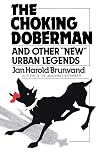
I normally love Brunvand's books - they're such a fascinating examination of how folklorists work and what folklore does - but I have to admit that I soured on this book entirely on account of a paragraph in the "sex legends" chapter that dismisses date rape as an urban legend, because apparently no one he talked to admitted to experiencing it themselves. (I CAN'T IMAGINE WHY.)
An eye-opening and enjoyable read: The Choking Doberman, the second in a series of books examining urban legend and folklore, is a rare find not only for its attention to the friend-of-a-friend stories that we've all heard, but also for its perhaps unintended window into the evolution of modern legends. Written in 1986, the myths and legends regarding computers and other modern inventions reviewed in the book, as well as the means by which such stories were disseminated, reflect the growing show more influence of information technology -- old legends about "cable lice" proliferating in phone or power cables have given way to doomsday viruses and other computer-age legends. I also was amused to discover so many legends being integrated into movies and television, such as the "baby on the car roof" (Raising Arizona), the woman who punishes her philandering husband with superglue (Reservoir Dogs), etc. Just goes to show that a good story always deserves a retelling. show less
Como bien saben nuestros lectores, las leyendas urbanas nos parecen muy interesantes en CPI. Desde aquel maravilloso episodio de autoengaño colectivo que sufrimos en España con lo de la niña y la mermelada y el perro y Ricky Martin, mucha más gente tuvo la oportunidad de acercarse a lo que significa una leyenda urbana. ¿Quién no ha oído hablar de la historia de la autoestopista que al llegar a un curva dice “cuidado con esta curva porque aquí me maté yo” y va y desaparece? Hay miles show more de historias que todos hemos oído contar y que muchas veces nos las cuenta alguien que de verdad se cree que ha pasado (me remito a Ricky Martin. A mí hubo gente que me contó la historia jurándome que la había visto con sus propios ojos, cosa que, obviamente, era imposible, pues no ocurrió). Hablando de esta leyenda de la mermelada (otros dicen que Nocilla), debe saberse que varios años antes la leyenda ya corrió por los USA, en un programa similar al Sorpresa, Sorpresa, sustituyendo el condimento por mantequilla de cacahuete. No hay nada nuevo bajo el sol.
Bueno, pues este libro habla de este tipo de historias, pero centrándose en las más terroríficas y gore. Muchas ya las he oído o leído.
Lo bueno de estos libros no son las leyendas urbanas en sí, sino el análisis y la comparativa que hace el recopilador sobre ellas. Que si la historia de la canguro que no vigila bien a los niños ya existía en 1920, que si esta otra deriva claramente de una leyenda medieval que sustituye un coche de caballos por un deportivo biplaza… Los libros de leyendas urbanas suelen sacarle a uno bastantes creencias de la cabeza y demuestran lo poco originales que son los correos en cadena que dicen que Microsoft donará 7 céntimos a un niño sordomudomancociego de Osetia del Norte por cada vez que reenvíes el mensaje.
En este libro se echa de menos el análisis del folclorista o recopilador de las leyendas. Hace muy breves comentarios al principio de cada capítulo, diciendo cómo las leyendas llegaron hasta él, y poco más. Nos deja con ganas de saber más cosas. Además, a veces nos clava completas varias versiones de página y pico de la misma leyenda, en vez de poner una versión y sintetizar las diferencias de las demás. Me gustaron mucho más los libros de leyendas urbanas de Antonio Ortí y Josep Sampere, “Leyendas urbanas en España”, o uno de este mismo autor, más detallado, “El fabuloso libro de las leyendas urbanas”. Como lectura es entretenido, pero poco más. Los hay mejores, lo garantizo.
Mi nota: Discretito. show less
Bueno, pues este libro habla de este tipo de historias, pero centrándose en las más terroríficas y gore. Muchas ya las he oído o leído.
Lo bueno de estos libros no son las leyendas urbanas en sí, sino el análisis y la comparativa que hace el recopilador sobre ellas. Que si la historia de la canguro que no vigila bien a los niños ya existía en 1920, que si esta otra deriva claramente de una leyenda medieval que sustituye un coche de caballos por un deportivo biplaza… Los libros de leyendas urbanas suelen sacarle a uno bastantes creencias de la cabeza y demuestran lo poco originales que son los correos en cadena que dicen que Microsoft donará 7 céntimos a un niño sordomudomancociego de Osetia del Norte por cada vez que reenvíes el mensaje.
En este libro se echa de menos el análisis del folclorista o recopilador de las leyendas. Hace muy breves comentarios al principio de cada capítulo, diciendo cómo las leyendas llegaron hasta él, y poco más. Nos deja con ganas de saber más cosas. Además, a veces nos clava completas varias versiones de página y pico de la misma leyenda, en vez de poner una versión y sintetizar las diferencias de las demás. Me gustaron mucho más los libros de leyendas urbanas de Antonio Ortí y Josep Sampere, “Leyendas urbanas en España”, o uno de este mismo autor, más detallado, “El fabuloso libro de las leyendas urbanas”. Como lectura es entretenido, pero poco más. Los hay mejores, lo garantizo.
Mi nota: Discretito. show less
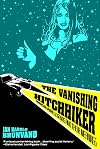
Though a bit outdated, this book is an entertaining read and a fascinating insight into what we humans are afraid of. I certainly believed the babysitter horror stories when I was growing up, as well as a few of the other stories. A lot of the urban legends discussed in this book I had never heard of, but many others I remember hearing some version of them from someone who heard it from their cousin's friend's mother-in-law and insisted that it was true. And of course, I never thought to show more doubt them.
I specifically made sure that I didn't read this book immediately before going to bed because I was afraid of the dreams my subconscious would bring up. It is fascinating to me the way these stories originate, even though they are usually based on what if's rather than facts.
I would love to see how folklore has changed since the explosion of technology and the advent of social media. Some legends, like those that have to do with death and nudity, probably still "haunt" us today, but it would be interesting to see what other urban legends we've invented, and especially how social media plays a role in the circulation and/or validity of the stories. show less
I specifically made sure that I didn't read this book immediately before going to bed because I was afraid of the dreams my subconscious would bring up. It is fascinating to me the way these stories originate, even though they are usually based on what if's rather than facts.
I would love to see how folklore has changed since the explosion of technology and the advent of social media. Some legends, like those that have to do with death and nudity, probably still "haunt" us today, but it would be interesting to see what other urban legends we've invented, and especially how social media plays a role in the circulation and/or validity of the stories. show less
Lists
Awards


You May Also Like


Associated Authors
Statistics
- Works
- 38
- Also by
- 2
- Members
- 3,884
- Popularity
- #6,523
- Rating
- 3.7
- Reviews
- 41
- ISBNs
- 79
- Languages
- 4
- Favorited
- 9