
Robin Maugham (1916–1981)
Author of The Wrong People
About the Author
Disambiguation Notice:
Please do not combine with Robert Maugham, his great-grandfather.
Series
Works by Robin Maugham
The barrier : a novel containing five sonnets by John Betjeman written in the style of the period (1973) 7 copies
The 1946 ms 1 copy
Convoy No.1 1 copy
Associated Works
Tagged
Common Knowledge
- Legal name
- Maugham, Robert Cecil Romer Maugham, 2nd Viscount
- Other names
- Griffin, David (pseudonym)
- Birthdate
- 1916-05-17
- Date of death
- 1981-03-13
- Gender
- male
- Education
- Eton College
University of Cambridge (Trinity College) - Occupations
- novelist
travel writer
playwright
intelligence officer (WWII) - Relationships
- Maugham, Somerset (uncle)
Marr-Johnson, Diana (sister)
Maugham, Robert (great-grandfather)
Maugham, Frederic Herbert (father) - Nationality
- UK
- Birthplace
- London, England, UK
- Place of death
- Brighton, Sussex, England, UK
- Disambiguation notice
- Please do not combine with Robert Maugham, his great-grandfather.
- Associated Place (for map)
- England, UK
Members
Reviews

As a young man, Robin Maugham blackmailed his famous uncle W. Somerset Maugham by threatening to write a biography that exposed the great man's life. Appalled at the prospect, Somerset Maugham paid Robin an enormous sum of money not to write such a book. Having taken the money, Robin broke his promise, and immediately after his uncle’s death, published Somerset and All the Maughams. In the process, he violated WSM's lifelong desire for privacy by publicly 'outing' him as homosexual. (This show more backstory has been detailed in several biographies of Somerset Maugham, including the recent one by Selina Hastings). With the passage of nearly half a century, the author's dishonesty and selfish motives continue to cast doubts on credibility of his book, as do elements of its contents.
In the first half of this book (~116 pages), Robin details his attempts to track the history of the Maugham lineage. His efforts were amateurish but modestly successful. To his credit, Robin unearthed obscure genealogical details dating back to the mid- 1700s, located the houses in France and England where his uncle had spent his childhood, and in both countries (allegedly) found elderly persons who recalled him as a boy. Robin’s naiveté is reflected in his penchant for imagining physical resemblances between his uncle and distant relatives, such as Maugham’s great- great- great- uncle (the Reverend William Maugham) from the 1700s. Despite Robin's inference of a close resemblance, the Reverend looks (to my eye) nothing at all like Somerset Maugham. Further, as an amateur at geneology, Robin overlooked the fact that his uncle and the Reverend William were separated by six generations, meaning that their closest ancestor is one of 64 individuals of that generation from whom WSM was also directly descended -- making any physical resemblance highly unlikely. Another such case involved an American named Ralph Maugham who had no traceable connection to the author. Robin is impressed to find that the man’s older brother had a stammer (like his uncle), from which he naively infers a family connection.
In the second half of this book, the author focuses specifically on W. Somerset Maugham. There is much conjecture based on amateur psychology, as Robin attempts to infer the formative influences on WSM’s life. For example, he speculates that if Willie’s childhood prayer to be relieved of his stammer had been answered, that he would not have later become agnostic. The personal anecdotes that Robin relates are what make the book of potential interest to modern readers. Many show the great writer in unguarded moments; some are amusing; and several appear to reveal insights into the author’s private musings. Others reveal details about WSM’s sexual inclinations and alleged activities, and too many of them show the author in his declining years after senility has set in. In search of profit, Robin clearly cared nothing for the dignity, privacy, or reputation of his famous uncle. Indeed, he even characterizes WSM's fiction in disparaging tones.
Such issues aside, is Robin Maugham’s account credible? Apparently not, and that problem places this entire book under suspicion. Direct evidence of Robin’s penchant for editing peoples' words comes from comparison of quotations in WSM’s “The Summing Up” to Robin’s own version of what the book says. The credibility issue extends beyond the precise wording of quotations to entire incidents reported by Robin. His co-author on the subsequent “Conversations with Willie” has publically revealed that Robin routinely invented stories about his uncle with which to spice up his books. The revelation is devastating to Robin Maugham's credibility.
In the present work, Robin too often provides an alleged, direct quote from Somerset Maugham to illustrate a point he wishes to make. As one of many examples, a quotation about the inborn nature of homosexuality that he attributes to WSM reflects a 1960s- era sensibility, and it is hard to imagine it coming from the great author himself. Likewise, WSM is quoted as saying that he’d once persuaded himself that he was three quarters normal and one quarter “queer,” whereas “it was the other way round.” The quote has been widely repeated, often without attribution, in nearly every biographical work dealing with the author. Yet no corroborative evidence exists that WSM ever said it. Robin Maugham's chief legacy may well be the invention of a statement about Somerset Maugham's sexual makeup that the author never uttered.
In sum, Somerset and All the Maughams reports interesting anecdotes about the great writer from a relative who knew him well. Unfortunately, it is marred by questionable inferences and persistent suspicions about its credibility. Thus, the wise reader would do well to remain skeptical of its contents. show less
In the first half of this book (~116 pages), Robin details his attempts to track the history of the Maugham lineage. His efforts were amateurish but modestly successful. To his credit, Robin unearthed obscure genealogical details dating back to the mid- 1700s, located the houses in France and England where his uncle had spent his childhood, and in both countries (allegedly) found elderly persons who recalled him as a boy. Robin’s naiveté is reflected in his penchant for imagining physical resemblances between his uncle and distant relatives, such as Maugham’s great- great- great- uncle (the Reverend William Maugham) from the 1700s. Despite Robin's inference of a close resemblance, the Reverend looks (to my eye) nothing at all like Somerset Maugham. Further, as an amateur at geneology, Robin overlooked the fact that his uncle and the Reverend William were separated by six generations, meaning that their closest ancestor is one of 64 individuals of that generation from whom WSM was also directly descended -- making any physical resemblance highly unlikely. Another such case involved an American named Ralph Maugham who had no traceable connection to the author. Robin is impressed to find that the man’s older brother had a stammer (like his uncle), from which he naively infers a family connection.
In the second half of this book, the author focuses specifically on W. Somerset Maugham. There is much conjecture based on amateur psychology, as Robin attempts to infer the formative influences on WSM’s life. For example, he speculates that if Willie’s childhood prayer to be relieved of his stammer had been answered, that he would not have later become agnostic. The personal anecdotes that Robin relates are what make the book of potential interest to modern readers. Many show the great writer in unguarded moments; some are amusing; and several appear to reveal insights into the author’s private musings. Others reveal details about WSM’s sexual inclinations and alleged activities, and too many of them show the author in his declining years after senility has set in. In search of profit, Robin clearly cared nothing for the dignity, privacy, or reputation of his famous uncle. Indeed, he even characterizes WSM's fiction in disparaging tones.
Such issues aside, is Robin Maugham’s account credible? Apparently not, and that problem places this entire book under suspicion. Direct evidence of Robin’s penchant for editing peoples' words comes from comparison of quotations in WSM’s “The Summing Up” to Robin’s own version of what the book says. The credibility issue extends beyond the precise wording of quotations to entire incidents reported by Robin. His co-author on the subsequent “Conversations with Willie” has publically revealed that Robin routinely invented stories about his uncle with which to spice up his books. The revelation is devastating to Robin Maugham's credibility.
In the present work, Robin too often provides an alleged, direct quote from Somerset Maugham to illustrate a point he wishes to make. As one of many examples, a quotation about the inborn nature of homosexuality that he attributes to WSM reflects a 1960s- era sensibility, and it is hard to imagine it coming from the great author himself. Likewise, WSM is quoted as saying that he’d once persuaded himself that he was three quarters normal and one quarter “queer,” whereas “it was the other way round.” The quote has been widely repeated, often without attribution, in nearly every biographical work dealing with the author. Yet no corroborative evidence exists that WSM ever said it. Robin Maugham's chief legacy may well be the invention of a statement about Somerset Maugham's sexual makeup that the author never uttered.
In sum, Somerset and All the Maughams reports interesting anecdotes about the great writer from a relative who knew him well. Unfortunately, it is marred by questionable inferences and persistent suspicions about its credibility. Thus, the wise reader would do well to remain skeptical of its contents. show less

Told sequentially by a number of different narrators, this novel is based loosely on the Tichborne Case (as was the very different novel Brat Farrar by Josephine Tey). It's the mid-19th century. Sex addict James Steede, set to inherit a title and a modest fortune, flees his domineering mother and his possibly pregnant girlfriend -- he's primarily homosexual but isn't averse to heterosexual liaisons -- for a life on the ocean wave, finally landing, after much gay revelry in the Americas, in show more Australia, safely anonymous because (in an insurance scam) a ship in which he traveled is supposed to have been lost at sea with the death of all aboard. Years later, his mother advertises for the return of her son, whom she's convinced is still alive.
Someone arrives back at the ol' family pile in England who's the spitting image of the missing James and can answer all sorts of questions about intimate personal and family details . . . but is this in fact James? Further, is the genuineness or otherwise of his claim as important to the likely outcome of the law case as the turmoil of conflicting special interests surrounding the investigation?
I found the opening one-third of this book a trifle daunting, to be honest, because James, who narrates this section (and is thus in the role of identification character), delights in telling us all about his various gay escapades and his enjoyment of them; my reaction was as if stuck next to that obsessive soccer fan on the train who insists on telling you all the details of Really Good soccer matches he's attended on the grounds that, sooner or later, through his doing so he'll make you see sense and start loving soccer as much as he does. (If he were talking about cricket, on the other hand, he wouldn't be a bore at all . . .) But Maugham's a surprisingly good tale-teller, so I weathered those hundred pages and thereafter was absolutely absorbed. I'm not sure he delivered the "terror and surprise . . . unforgettable climax" the blurb-writer promises, and nor is this really a mystery, whatever its subtitle indicates; but overall I enjoyed it a surprising amount. show less
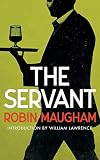
This certainly wouldn't be published by a mainstream publisher today due to some of the accepted, even if acknowledged as illegal, subject matter. I enjoy reading introductions for these reprinted Valancourt editions to know the history, especially likely due to their Paperbacks from Hell. Writing style is easy flowing and fine, characters narrowed to the 'message', plot fast since it's more of a short story than a novella.
I recommend reading both introductions - the first is by a friend of show more the author after the author died and nods to the subject of the story are mentioned, as well as a haunting image of seeing the author with his servant before his death. The second intro is from the author written years before during an edition when he was still alive, and the contrast between one intro and the other, and then going on to read the story, is the way to go here. Adds layers.
This was apparently made into a decently popular film 10 years after publication and a series of plays. I am not familiar with them obviously, but am curious on checking out the movie now. Reading this is part of a personal side project to check out Valancourt re-publications show less
I recommend reading both introductions - the first is by a friend of show more the author after the author died and nods to the subject of the story are mentioned, as well as a haunting image of seeing the author with his servant before his death. The second intro is from the author written years before during an edition when he was still alive, and the contrast between one intro and the other, and then going on to read the story, is the way to go here. Adds layers.
This was apparently made into a decently popular film 10 years after publication and a series of plays. I am not familiar with them obviously, but am curious on checking out the movie now. Reading this is part of a personal side project to check out Valancourt re-publications show less

As I started the book, I didn't know that Robin Maugham was the nephew of my most favorite writer W.Somerset Maugham, but it seems that the talent runs in the family. Even though the mystery part of this Victorian mystery doesn't happen until very well into the middle of the book, it was very aptly written, and it kept me engrossed till the very end. I shall definitely look for more books by this writer.
Lists
You May Also Like


Associated Authors
Statistics
- Works
- 36
- Also by
- 1
- Members
- 798
- Popularity
- #31,947
- Rating
- 3.5
- Reviews
- 14
- ISBNs
- 80
- Languages
- 6
- Favorited
- 1