

Josh Weil
Author of The Great Glass Sea
About the Author
Works by Josh Weil
Tagged
Common Knowledge
- Legal name
- Weil, Joshua
- Birthdate
- 1976
- Gender
- male
- Education
- Columbia University
- Awards and honors
- National Book Foundation "5 Under 35" (2009)
- Agent
- Janklow & Nesbit
- Nationality
- USA
- Birthplace
- Appalachian mountains of Southwest Virginia
- Places of residence
- Baltimore, Maryland, USA
- Associated Place (for map)
- Maryland, USA
Members
Reviews
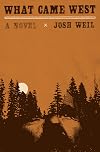
Josh Weil writes an ambitious historical novel that combines a vivid portrait of nineteenth-century America with a moving exploration of solitude, family, and human difference. Structured as a long letter from a father to the son he abandoned, the novel follows Silas Hall, a gifted artist whose behaviors strongly suggest what we would now recognize as autism, though the condition existed long before it was medically understood or named.
Silas experiences periods of overwhelming sensory and show more emotional distress that can erupt into uncontrollable rage when he is forced into close contact with others. Convinced that remaining with his wife and young son will ultimately harm them, he undertakes a painful westward journey, leaving behind the people he loves most. The novel unfolds as both an explanation and an apology to the son who never knew why his father disappeared.
One of the book's greatest strengths is Weil's remarkable ability to evoke place. Silas' odyssey across the American frontier is rendered in lush, lyrical prose that often takes on a dreamlike quality. Forests, mountains, rivers, and deserts become more than scenery; they are living presences that shape both the narrative and Silas himself. Weil captures the vastness and beauty of the continent while also conveying the hardships and dangers of frontier life.
The characterization is equally compelling. Silas is a deeply sympathetic figure whose struggle to balance his need for isolation against his longing for human connection creates the novel's central tension. Along the way he encounters a cast of memorable characters: his loving father, whose medical training allows him glimpses into his son's condition; a deaf cleaning woman with whom Silas forms a tender relationship; a brutal band of trappers whom he guides through the Sierra Nevada; members of an Indigenous community whose leader becomes his friend; and most poignantly, a Native American boy abandoned by his tribe after the death of his shaman father. Silas' growing attachment to the boy carries considerable emotional weight, suggesting an attempt to reclaim, in some form, the fatherhood he forfeited.
As the journey progresses, Silas eventually settles in a remote canyon near an Indigenous village. Weil convincingly depicts his transformation from an inexperienced wanderer prone to injury into a skilled woodsman capable of surviving in isolation. His carefully constructed routines, his observations of the natural world, and his ongoing drawings and writings to his absent son reveal both ingenuity and quiet resilience. Later conflicts with miners who invade the region in search of gold introduce additional tension, as Silas struggles to protect the landscape that has become his refuge.
The novel's primary weakness lies in its structure. Weil frequently abandons a linear chronology, moving abruptly through time and memory. These shifts can be disorienting, and for long stretches the various narrative threads seem disconnected. Although the disparate elements eventually coalesce into a coherent whole, the journey can feel uneven. The extended dreamlike passages that contribute so much to the novel's atmosphere sometimes interrupt the momentum of the story rather than deepen it.
Ultimately, “What Came West” is a thoughtful and often moving meditation on isolation, belonging, and the cost of human progress. Its portrayal of a man seeking both refuge and redemption is powerful, while its concern for the preservation of the natural world lends the story a distinctly melancholy tone. Despite structural flaws that occasionally undermine its effectiveness, the novel succeeds as both a frontier adventure and an intimate study of a man whose greatest challenge is learning how to exist among others. The result is a compelling, beautifully written novel whose pessimism feels earned rather than imposed. show less
Silas experiences periods of overwhelming sensory and show more emotional distress that can erupt into uncontrollable rage when he is forced into close contact with others. Convinced that remaining with his wife and young son will ultimately harm them, he undertakes a painful westward journey, leaving behind the people he loves most. The novel unfolds as both an explanation and an apology to the son who never knew why his father disappeared.
One of the book's greatest strengths is Weil's remarkable ability to evoke place. Silas' odyssey across the American frontier is rendered in lush, lyrical prose that often takes on a dreamlike quality. Forests, mountains, rivers, and deserts become more than scenery; they are living presences that shape both the narrative and Silas himself. Weil captures the vastness and beauty of the continent while also conveying the hardships and dangers of frontier life.
The characterization is equally compelling. Silas is a deeply sympathetic figure whose struggle to balance his need for isolation against his longing for human connection creates the novel's central tension. Along the way he encounters a cast of memorable characters: his loving father, whose medical training allows him glimpses into his son's condition; a deaf cleaning woman with whom Silas forms a tender relationship; a brutal band of trappers whom he guides through the Sierra Nevada; members of an Indigenous community whose leader becomes his friend; and most poignantly, a Native American boy abandoned by his tribe after the death of his shaman father. Silas' growing attachment to the boy carries considerable emotional weight, suggesting an attempt to reclaim, in some form, the fatherhood he forfeited.
As the journey progresses, Silas eventually settles in a remote canyon near an Indigenous village. Weil convincingly depicts his transformation from an inexperienced wanderer prone to injury into a skilled woodsman capable of surviving in isolation. His carefully constructed routines, his observations of the natural world, and his ongoing drawings and writings to his absent son reveal both ingenuity and quiet resilience. Later conflicts with miners who invade the region in search of gold introduce additional tension, as Silas struggles to protect the landscape that has become his refuge.
The novel's primary weakness lies in its structure. Weil frequently abandons a linear chronology, moving abruptly through time and memory. These shifts can be disorienting, and for long stretches the various narrative threads seem disconnected. Although the disparate elements eventually coalesce into a coherent whole, the journey can feel uneven. The extended dreamlike passages that contribute so much to the novel's atmosphere sometimes interrupt the momentum of the story rather than deepen it.
Ultimately, “What Came West” is a thoughtful and often moving meditation on isolation, belonging, and the cost of human progress. Its portrayal of a man seeking both refuge and redemption is powerful, while its concern for the preservation of the natural world lends the story a distinctly melancholy tone. Despite structural flaws that occasionally undermine its effectiveness, the novel succeeds as both a frontier adventure and an intimate study of a man whose greatest challenge is learning how to exist among others. The result is a compelling, beautifully written novel whose pessimism feels earned rather than imposed. show less
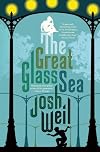
Josh Weil's lovely new book, spinning a relatively realistic story from a fantasy premise, asks: What might happen if you take wintery, gloomy Russia and invent mirrored sun-reflecting satellites to make 24-hour daylight? Well, the result here is that no one gets weekends anymore... any day off of work is extremely rare. They use that time to build a gigantic greenhouse, miles across, the "Great Glass Sea" of the title. That requires buying up properties and destroying everything more than show more two stories high... for buildings, the new glass ceiling is their new roof.
The narrative switches perspectives between two twin brothers: Dima and Yarik. They are now in their thirties but they remember a time before the Great Glass Sea. Before this invention, the brothers couldn't have been closer. Yarik is married with two children but Dima has neither and doesn't even want friends in his life, as it would make him less close with his brother. Up to a point, their lives were always the same and they were always together, but like swerving train tracks, Dima quits his job to just amble around and do what he wants to do: reciting poetry on statues in the park attracts the attention of anarchists and the old Communists. Dima becomes an unintentional, accidental poster-boy for both of those groups. Yarik also becomes an actual poster-boy for upward mobility when the man who is responsible for the Great Glass Sea likes his story (or really wants to re-write his story) and give the people something to strive towards in their own lives. But the people see Dima doing what he wants to do with his time and start working at a less urgent pace. Both brothers want to save up money to reclaim their uncle's farm before the Great Glass Sea covers all of Russia.
I'd like to see more books that take a fantasy premise and apply it to a realistic narrative. I guess you'd call it speculative fiction. Weil writes extremely well (I'm sure his background as a Russian exchange student didn't hurt) but sometimes little details seem to get repeated a few times. If the repetitiveness was cut down, I think it would have made for a shorter and better book. I especially adored the little drawings that Weil included around the chapter names. They are so amazing and detailed! One drawing has around twenty geese and at first glance it looks like the same goose twenty times, but if you look closer, each is slightly different. I especially liked the little sewing sampler with roosters and tanks. If this writing thing doesn't work out... oh wait, it completely has and will. show less
The narrative switches perspectives between two twin brothers: Dima and Yarik. They are now in their thirties but they remember a time before the Great Glass Sea. Before this invention, the brothers couldn't have been closer. Yarik is married with two children but Dima has neither and doesn't even want friends in his life, as it would make him less close with his brother. Up to a point, their lives were always the same and they were always together, but like swerving train tracks, Dima quits his job to just amble around and do what he wants to do: reciting poetry on statues in the park attracts the attention of anarchists and the old Communists. Dima becomes an unintentional, accidental poster-boy for both of those groups. Yarik also becomes an actual poster-boy for upward mobility when the man who is responsible for the Great Glass Sea likes his story (or really wants to re-write his story) and give the people something to strive towards in their own lives. But the people see Dima doing what he wants to do with his time and start working at a less urgent pace. Both brothers want to save up money to reclaim their uncle's farm before the Great Glass Sea covers all of Russia.
I'd like to see more books that take a fantasy premise and apply it to a realistic narrative. I guess you'd call it speculative fiction. Weil writes extremely well (I'm sure his background as a Russian exchange student didn't hurt) but sometimes little details seem to get repeated a few times. If the repetitiveness was cut down, I think it would have made for a shorter and better book. I especially adored the little drawings that Weil included around the chapter names. They are so amazing and detailed! One drawing has around twenty geese and at first glance it looks like the same goose twenty times, but if you look closer, each is slightly different. I especially liked the little sewing sampler with roosters and tanks. If this writing thing doesn't work out... oh wait, it completely has and will. show less
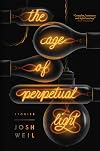
I saw what would become the lead story in this collection One Story a couple of years ago and fell in love, and have been waiting for this to come out. And I'm still in love with it—"No Flies, No Folly" is gorgeous and haunting—and I think a bunch of others were very strong as well. Weill's range is impressive, from the dawn of the 20th century to a speculative story set in the nearish future, each one loosely structured around the theme of light. And while I didn't think every one was a show more mad hit like the first, it was a good collection and definitely worth reading. show less
This is if nothing else a beautiful story, it almost seems as if the fantastic past/future-esque setting detracts from the real issues and feelings brought up. Twin brothers in an indeterminate Russian past both end up working on a futuristic greenhouse project requiring projecting sunlight reflected from space via giant mirrors. One brother embraces this future and the other utterly rejects it. I had to resort to Google to look up The Caspian Sea Monster - ekranoplan - and was surprised to show more find that was historical. show less
Lists
Awards


You May Also Like


Associated Authors
Statistics
- Works
- 5
- Members
- 376
- Popularity
- #64,174
- Rating
- 3.5
- Reviews
- 13
- ISBNs
- 13
- Languages
- 1
- Favorited
- 2
