
Merilyn Simonds
Author of Art of Soap Making (Harrowsmith Contemporary Primer)
About the Author
Merilyn Simonds was born in Winnipeg, Manitoba, Canada in 1949 and grew up in Brazil. Educated at the University of Western Ontario, she has worked as a freelance writer, magazine editor and, since 1991, has devoted herself full-time to writing. Simonds has published 10 books and numerous magazine show more articles on subjects such as the environment, games, and war. She has amassed a number of writing awards including the Canadian Science Writers' Award for magazine journalism in 1990, and the Governor General's Award for Non-Fiction, shortlisted, for The Convict Lover: A True Story, in 1996. One of her best-known books is The (New) Games Treasury, which is an update of the 1993 edition in which she outlines the strategies, rules, and traditions of more than 300 board, piece, mind, and outdoor games, ranging from the familiar to the exotic. Merilyn Simonds resides in Kingston, Ontario with writer Wayne Grady. She is a regular on the Canadian Broadcasting Company's radio show "Basic Black." (Bowker Author Biography) show less
Disambiguation Notice:
Merilyn Simonds also wrote several non-fiction books under the names Merilyn Mohr and Merilyn Simonds Mohr.
Image credit: © Bernard Clark
Works by Merilyn Simonds
The Games Treasury: More Than 300 Indoor and Outdoor Favorites With Strategies, Rules and Traditions (1993) 99 copies
Gutenberg's Fingerprint: Paper, Pixels and the Lasting Impression of Books (2017) 88 copies, 3 reviews
The New Games Treasury: More Than 500 Indoor and Outdoor Favorites With Strategies, Rules, and Traditions (1997) 62 copies
Woman, Watching: Louise de Kiriline Lawrence and the Songbirds of Pimisi Bay (2022) 36 copies, 4 reviews
The Harrowsmith Salad Garden: A Complete Guide to Growing and Dressing Fresh Vegetables and Greens (1992) — Author — 30 copies
Associated Works
The Valour and the Horror: The Untold Story of Canadians in the Second World War (1991) 27 copies, 1 review
Tagged
Common Knowledge
- Canonical name
- Simonds, Merilyn
- Other names
- Mohr, Merilyn
Simonds Mohr, Merilyn - Birthdate
- 1949
- Gender
- female
- Relationships
- Grady, Wayne (husband)
- Nationality
- Canada
- Places of residence
- Winnipeg, Manitoba, Canada
Brazil
Kingston, Ontario, Canada - Disambiguation notice
- Merilyn Simonds also wrote several non-fiction books under the names Merilyn Mohr and Merilyn Simonds Mohr.
- Associated Place (for map)
- Canada
Members
Reviews
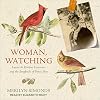
I listened to this delightful book which was well narrated by Elizabeth Wiley. It's a biography of an amazing woman who had a very interesting life. I had never heard of Louise de Kiriline Lawrence before running across this book. Kudos to Merilyn Simonds for bringing her life to the attention of modern audiences.
Louise was born to a life of wealth in Sweden at the end of the 19th century. Her godmother was Princess Louise of Denmark after whom she was named. During World War I she trained show more as a nurse and served in a prisoner of war camp where she met a Russian officer, Lieutenant Gleb Nikoleyevich Kirilin. They married in 1918 in Sweden but Gleb returned to Russia to fight in the Russian Revolution on the side of the Tsar. Louise joined him in Russia despite the dangers. Shortly after they reunited they were captured by the Red Army and separated. Louise was able to visit Gleb in prison in Moscow but in June 2019 he was moved and she never heard from him again; he was probably executed in Siberia. After a few years in Russia hoping for news of Gleb, Louise decided to move to Canada based on stories told to her by Canadians during the war. She worked for the Red Cross in northern Ontario, near North Bay. In her capacity as a trained nurse she became one of the people who cared for the Dionne quintuplets in their first year. She wrote a book about that experience and decided she wanted to support herself as a writer. She bought a small piece of land and had a local carpenter build her a small cabin. That carpenter, Leonard Lawrence, became her second husband. As a child she had been exposed to nature and birding by her father, so, she took up observing the birds in her piece of woods. She corresponded extensively with other naturalists and ornithologists and was encouraged by them to write about her observations. Over the years she wrote twenty scientific papers, many articles for publications like Audubon, and a number of books based on her nature observations. She continued to live in her small cabin until her husband needed special care and they moved to North Bay. She died at the age of 98 in 1992.
The author met de Kiriline Lawrence during her lifetime. In fact, it sounds like they were quite friendly. Simonds tells how she picked up Louise in North Bay and drove her to the cabin where they had a Scandinavian picnic and talked for hours. However, it was only after her death when Simonds was able to access Louise's letters and notebooks that she could write this detailed account of her life. She often quotes from letters that Louise sent to friends, family, publishers and other ornithologists so it seems like we are hearing Louise, not the biographer. Very well done! show less
Louise was born to a life of wealth in Sweden at the end of the 19th century. Her godmother was Princess Louise of Denmark after whom she was named. During World War I she trained show more as a nurse and served in a prisoner of war camp where she met a Russian officer, Lieutenant Gleb Nikoleyevich Kirilin. They married in 1918 in Sweden but Gleb returned to Russia to fight in the Russian Revolution on the side of the Tsar. Louise joined him in Russia despite the dangers. Shortly after they reunited they were captured by the Red Army and separated. Louise was able to visit Gleb in prison in Moscow but in June 2019 he was moved and she never heard from him again; he was probably executed in Siberia. After a few years in Russia hoping for news of Gleb, Louise decided to move to Canada based on stories told to her by Canadians during the war. She worked for the Red Cross in northern Ontario, near North Bay. In her capacity as a trained nurse she became one of the people who cared for the Dionne quintuplets in their first year. She wrote a book about that experience and decided she wanted to support herself as a writer. She bought a small piece of land and had a local carpenter build her a small cabin. That carpenter, Leonard Lawrence, became her second husband. As a child she had been exposed to nature and birding by her father, so, she took up observing the birds in her piece of woods. She corresponded extensively with other naturalists and ornithologists and was encouraged by them to write about her observations. Over the years she wrote twenty scientific papers, many articles for publications like Audubon, and a number of books based on her nature observations. She continued to live in her small cabin until her husband needed special care and they moved to North Bay. She died at the age of 98 in 1992.
The author met de Kiriline Lawrence during her lifetime. In fact, it sounds like they were quite friendly. Simonds tells how she picked up Louise in North Bay and drove her to the cabin where they had a Scandinavian picnic and talked for hours. However, it was only after her death when Simonds was able to access Louise's letters and notebooks that she could write this detailed account of her life. She often quotes from letters that Louise sent to friends, family, publishers and other ornithologists so it seems like we are hearing Louise, not the biographer. Very well done! show less
After reading an ARC of Gutenberg's Fingerprint about the preparation of a hand-typeset and hand-printed limited edition of The Paradise Project, I was eager to read the stories in this collection. All of the stories have a gardening theme. They're very short; this review is longer than at least one of the stories. There are 17 stories in the collection, and the print edition has just 48 pages. This was my first experience with flash fiction, and it was nearly perfect. These stories may be show more brief, but they're deep, and no words are wasted. Some read almost like prose poems. The universal themes will resonate with most readers. Enthusiastically recommended. show less
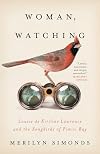
Louise de Kiriline Lawrence gave up a life of privilege in Sweden in exchange for a life of adventure. She became a Red Cross Nurse during WWI. She married a prisoner of war and followed him to Russia, fending for herself when he entered the White Russian army and was captured. She immigrated to Canada where she was a nurse responsible in Northern Ontario and became the nurse to the famous Dionne quintuplets. Louise bought a plot of land on Pimisi Bay and built a primitive log cabin. There, show more she observed birds and wrote books and scholarly papers, living with her younger, second husband Len.
Bird watcher Merilyn Simonds knew Louise and after her death, bought Louise’s log cabin. She read everything by Louise, letters and books. Her deep knowledge and love for her subject shows in this remarkable biography.
As each chapter of Louise’s life came to a close, I thought ‘here’s where I speed read,’ only to discover that the next chapter was just as amazing and interesting.
If you love books about birds and nature, Woman, Watching is for you. If you like to read about strong women who forge their own unique path, this biography is for you. If you are interested in women writers and the challenges they face, you will love Louise. There is tragic romance. The challenge of aging. A brush with fame and resisting commercialization. The power of friendship. And of course, there are the stories of the birds, the insights into their lives based on hours of personal observation.
It’s a marvelous biography.
I received an ARC from the publisher in exchange for a fair and unbiased review. show less
Bird watcher Merilyn Simonds knew Louise and after her death, bought Louise’s log cabin. She read everything by Louise, letters and books. Her deep knowledge and love for her subject shows in this remarkable biography.
As each chapter of Louise’s life came to a close, I thought ‘here’s where I speed read,’ only to discover that the next chapter was just as amazing and interesting.
If you love books about birds and nature, Woman, Watching is for you. If you like to read about strong women who forge their own unique path, this biography is for you. If you are interested in women writers and the challenges they face, you will love Louise. There is tragic romance. The challenge of aging. A brush with fame and resisting commercialization. The power of friendship. And of course, there are the stories of the birds, the insights into their lives based on hours of personal observation.
It’s a marvelous biography.
I received an ARC from the publisher in exchange for a fair and unbiased review. show less
3.5 stars
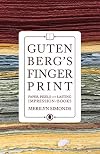
The author collected some stories she’d written and decided to publish them in an old-style way: hand made paper and an old-style printing press where the type is set by hand, etc. This documents that procedure along with plenty of history of paper, ink, type, the printing press, and much much more. It also looks at how she (and her son) created the ebook, and the last chapters of the book talk about the history of ereaders and ebooks.
This was interesting. It took me back to my show more “History of the Book” class in library school when we did field trips to learn to make paper, then we later went to a printing press where we hand set the type and printed our names on our paper that we’d already made. The modern technology was also interesting to read about. It’s not fast paced or “can’t put the book down” kind of read, but it was definitely interesting to read about all those things. show less
The author collected some stories she’d written and decided to publish them in an old-style way: hand made paper and an old-style printing press where the type is set by hand, etc. This documents that procedure along with plenty of history of paper, ink, type, the printing press, and much much more. It also looks at how she (and her son) created the ebook, and the last chapters of the book talk about the history of ereaders and ebooks.
This was interesting. It took me back to my show more “History of the Book” class in library school when we did field trips to learn to make paper, then we later went to a printing press where we hand set the type and printed our names on our paper that we’d already made. The modern technology was also interesting to read about. It’s not fast paced or “can’t put the book down” kind of read, but it was definitely interesting to read about all those things. show less
Lists
Awards


You May Also Like


Associated Authors
Statistics
- Works
- 21
- Also by
- 1
- Members
- 731
- Popularity
- #34,740
- Rating
- 3.7
- Reviews
- 13
- ISBNs
- 59
- Languages
- 1