
Jessica Shattuck
Author of The Women in the Castle
Works by Jessica Shattuck
Tagged
Common Knowledge
- Birthdate
- 20th century
- Gender
- female
- Nationality
- USA
- Places of residence
- Brookline, Massachusetts, USA
- Associated Place (for map)
- Massachusetts, USA
Members
Reviews
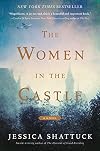
It is November 1938 and in Burg Lingenfels the elderly countess’s annual harvest party is about to get under way. As she is now wheelchair-bound, she has relied on Marianne von Lingelfels, her niece-in-law, to organise it and to perform the role of hostess. Along with a group of close friends at the gathering, Marianne’s husband Albrecht, feels deeply concerned about the power of Hitler and the Nazi regime; they are all fearful of the future and are actively involved in the resistance show more movement. During the party news of the organised and co-ordinated destruction of Jewish properties, later to become known as Kristallnacht, reaches the castle. This information reinforces the fears of all those resistance members present that their own lives, and those of their families, are in grave danger if they continue with their opposition; in spite of this they remain committed to opposing, by whatever means they can, the destructive regime. Connie, a long-term friend of Marianne, has recently married Benita, a young woman from outside the aristocratic circle they belong to and, even though he is aware that she doesn’t approve of his choice of wife, he implores her to look after her should anything happen to him.
When Marianne and Benita are widowed following their husbands’ involvement in the failed July 1944 plot to assassinate Hitler, Marianne feels duty-bound to keep this promise to help Benita, as well as any other resistance-widows in need of refuge. She eventually manages to find Benita, who was being held as a sex-slave to the Russians. She also tracks down Benita’s young son Martin who, as a result of Connie’s part in the plot, had been taken from his mother and placed in a children’s home. Them, some months later, the American Army, working from the list Marianne had given them, put her in touch with Ania and her two sons, who had escaped from a Polish work camp for political prisoners. These three, disparate women and their children find refuge in the by now rundown Bavarian castle as they attempt to forge new lives for themselves, whilst attempting to come to terms with their individual experiences of the war.
The story moves backwards and forwards, from pre-war Germany to their lives as the post-war decades move on towards the 1990s, exploring how each of the women deals with their experiences and find ways to reconcile their past behaviour with their desire to move forward. Marianne’s dream that their shared experiences will forge a strong bond between them is soon threatened; she recognises that she risks alienating Benita and Ania as she tries to dictate how they should behave, but struggles to relinquish her desire to control how they should face the future. However, the women do find some feelings of safety and security within this makeshift family and there are as many examples of love, support and generosity as there are of antagonism and resentment.
Once I started this novel I could hardly bear to put it down because it so quickly and powerfully drew me into the lives of three women whose experiences of the Nazi era, and its aftermath, had as many differences as similarities. The intricate story-telling, with its many surprising twists and turns, movingly captured the way in which, in order to survive the war, each one of them had faced difficult decisions but, post-war, often felt haunted by the choices they had made. Marianne had been vehemently anti-Nazi from the start but Benita had been, albeit rather indifferently, a member of a Hitler Youth Group before her marriage to Connie and remained apolitical, whilst Ania’s sentiments had, before her gradual disillusionment, been actively pro-Nazi. I thought that the tensions between the moral certainties of Marianne and the more complex moral struggles faced by Benita and Ania were very well highlighted and explored as the story developed. I frequently found myself alternating between outrage and sympathy at the choices each of the three characters made and how they attempted to justify their decisions. Each character had her own secrets and nightmares, but the ways in which each attempted to reconcile them made for a very thought-provoking and, in many ways, disturbing reading experience. I have never been faced with life-threatening dilemmas so found myself wondering how I would have behaved; would I have been able to live up to my principles and ideals, or would I have been tempted to compromise them in order to survive? I hope it would have been the former but the truth is that none of us can possibly be certain until we have had to face those choices. I thought that the power of Jessica Shattuck’s story-telling enabled me to experience, in an almost visceral way, the struggles of her characters with the moral dilemmas they faced; to simultaneously feel horror at some of their decisions and yet still feel some empathy with their behaviour.
The story explores, through the three women as well as through the behaviour of people in the wider community, the complexities of how the people of Germany struggled to acknowledge and come to terms with their individual participation in what happened during the Nazi period. Some people wanted to deny that they were aware of any of the horrors being perpetrated; some wanted to just be allowed to move on, to try to forget the past; whilst others were unable to move forward because they were haunted by their past behaviour. However, whatever their personal inclinations, the outside world remained ever ready to remind them of the weight of their history. The story raises questions about how, both individually and collectively, people are able to reconcile a horrific past with moving on to forge a positive, productive future. The exploration of how the children of the three women dealt with the past and their own struggles to come to terms with what happened in Germany in World War II, as well as with the decisions their parents had made, added another layer of moral and emotional complexity to this thought-provoking story.
I enjoyed Jessica Shattuck’s writing style, which I found elegant, fluent, unhurried and compassionate. In her story-telling she delved deep into the complexities of lives lived in times of crisis. Although she didn’t shrink from describing some of the true horrors of a brutal war, her descriptions and reflections were always within the context of the experiences of her characters and never felt gratuitously vicarious. Her intimate knowledge of Germany (her mother is German and she made frequent holiday visits to Germany to see her grandparents) clearly contributes to the fact that the whole story feels authentically realistic.
I think that this is a moving and memorable novel, and I know that all the characters, as well as the challenging themes which form the foundations of the story, will remain with me for a very long time to come. I think it would be a wonderful choice for reading groups because it raises so many issues which are as relevant in today’s world as they were during the Second World War.
My thanks to Nudge/newbooks for providing a copy of this book in exchange for an honest review. show less
When Marianne and Benita are widowed following their husbands’ involvement in the failed July 1944 plot to assassinate Hitler, Marianne feels duty-bound to keep this promise to help Benita, as well as any other resistance-widows in need of refuge. She eventually manages to find Benita, who was being held as a sex-slave to the Russians. She also tracks down Benita’s young son Martin who, as a result of Connie’s part in the plot, had been taken from his mother and placed in a children’s home. Them, some months later, the American Army, working from the list Marianne had given them, put her in touch with Ania and her two sons, who had escaped from a Polish work camp for political prisoners. These three, disparate women and their children find refuge in the by now rundown Bavarian castle as they attempt to forge new lives for themselves, whilst attempting to come to terms with their individual experiences of the war.
The story moves backwards and forwards, from pre-war Germany to their lives as the post-war decades move on towards the 1990s, exploring how each of the women deals with their experiences and find ways to reconcile their past behaviour with their desire to move forward. Marianne’s dream that their shared experiences will forge a strong bond between them is soon threatened; she recognises that she risks alienating Benita and Ania as she tries to dictate how they should behave, but struggles to relinquish her desire to control how they should face the future. However, the women do find some feelings of safety and security within this makeshift family and there are as many examples of love, support and generosity as there are of antagonism and resentment.
Once I started this novel I could hardly bear to put it down because it so quickly and powerfully drew me into the lives of three women whose experiences of the Nazi era, and its aftermath, had as many differences as similarities. The intricate story-telling, with its many surprising twists and turns, movingly captured the way in which, in order to survive the war, each one of them had faced difficult decisions but, post-war, often felt haunted by the choices they had made. Marianne had been vehemently anti-Nazi from the start but Benita had been, albeit rather indifferently, a member of a Hitler Youth Group before her marriage to Connie and remained apolitical, whilst Ania’s sentiments had, before her gradual disillusionment, been actively pro-Nazi. I thought that the tensions between the moral certainties of Marianne and the more complex moral struggles faced by Benita and Ania were very well highlighted and explored as the story developed. I frequently found myself alternating between outrage and sympathy at the choices each of the three characters made and how they attempted to justify their decisions. Each character had her own secrets and nightmares, but the ways in which each attempted to reconcile them made for a very thought-provoking and, in many ways, disturbing reading experience. I have never been faced with life-threatening dilemmas so found myself wondering how I would have behaved; would I have been able to live up to my principles and ideals, or would I have been tempted to compromise them in order to survive? I hope it would have been the former but the truth is that none of us can possibly be certain until we have had to face those choices. I thought that the power of Jessica Shattuck’s story-telling enabled me to experience, in an almost visceral way, the struggles of her characters with the moral dilemmas they faced; to simultaneously feel horror at some of their decisions and yet still feel some empathy with their behaviour.
The story explores, through the three women as well as through the behaviour of people in the wider community, the complexities of how the people of Germany struggled to acknowledge and come to terms with their individual participation in what happened during the Nazi period. Some people wanted to deny that they were aware of any of the horrors being perpetrated; some wanted to just be allowed to move on, to try to forget the past; whilst others were unable to move forward because they were haunted by their past behaviour. However, whatever their personal inclinations, the outside world remained ever ready to remind them of the weight of their history. The story raises questions about how, both individually and collectively, people are able to reconcile a horrific past with moving on to forge a positive, productive future. The exploration of how the children of the three women dealt with the past and their own struggles to come to terms with what happened in Germany in World War II, as well as with the decisions their parents had made, added another layer of moral and emotional complexity to this thought-provoking story.
I enjoyed Jessica Shattuck’s writing style, which I found elegant, fluent, unhurried and compassionate. In her story-telling she delved deep into the complexities of lives lived in times of crisis. Although she didn’t shrink from describing some of the true horrors of a brutal war, her descriptions and reflections were always within the context of the experiences of her characters and never felt gratuitously vicarious. Her intimate knowledge of Germany (her mother is German and she made frequent holiday visits to Germany to see her grandparents) clearly contributes to the fact that the whole story feels authentically realistic.
I think that this is a moving and memorable novel, and I know that all the characters, as well as the challenging themes which form the foundations of the story, will remain with me for a very long time to come. I think it would be a wonderful choice for reading groups because it raises so many issues which are as relevant in today’s world as they were during the Second World War.
My thanks to Nudge/newbooks for providing a copy of this book in exchange for an honest review. show less
I've never read WWII from the point of view of three ordinary German women--none of them Jews or high-ranking Nazis. The book's major selling point is its three contrasting perspectives: one a German of low birth, little education, and less interest in politics; one in the "middle class" with innocent dreams of a better Germany and a better world; and one highly educated member of the elite very aware of the global political situation and shouldering responsibility on the macro as well as show more the micro level. (I have to admit, I saw a bit of myself in Marianne.)
I liked each of the women's stories separately. Together...well, it felt a bit forced. I would have liked this book well enough as a set of interwoven novellas or short stories, even without the final conclusion that brings everyone back together. But then, the point of the story is that we’re able to contrast the three women’s perspectives. I don’t know, as much as I loved the pieces that made up the story, I wasn’t wholly satisfied with the way they fit together.
Shattuck does a superb job giving the three women independent personalities and opinions, even if all have opinions that we modern readers can sympathize with. There’s little to challenge us that isn’t answered for in the adjacent paragraphs. Shattuck does play around with time a bit within chapters, especially Ania is reminiscing about her time during the war—so it’s possible that the reader is meant to understand that the “answers” are things that the characters have thought about themselves, the way that they’ve justified the events in their own heads.
I liked Shattuck’s writing style over all, but there were a few places where the language felt a little bit too self-consciously literary. There was a chapter-opening line somewhere in there about how the white-capped waves on a lake looked like an audience’s clapping hands. Um, what?
But setting aside the particulars of this finicky, over-read bookworm, I highly recommend this book to anyone interested in history, particularly that of WWII, and/or how the past might apply to what’s happening in the world right now. Yes, like all books about Germany in WWII this one brings out the biggest questions about action and inaction—but unlike so many other books I’ve read, it actually offers some answers to get us on our way. This is a deeply educational book, for all that it’s fiction--maybe even because it's fiction, because it is so explanatory without being heavy-handed. That quality will make this an incredibly popular book with book clubs and probably some school classes as well, both history and English. I look forward to hearing others' thoughts about this book when it publishes in April.
Quote Roundup
(75) So many little lines in this book were eerily similar to things that are being said these days, but this one in particular hit home:
“Many of their friends had known Hitler was a lunatic, a leader whose lowbrow appeal to people’s most selfish, self-pitying emotions and ignorance was an embarrassment to their country. They had watched him make a masterwork of scapegoating Jews for Germany’s fall from power and persuade his followers that enlightenment, humanity, and tolerance were weaknesses--‘Jewish’ ideas that led to defeat.”
(95) I didn’t know that the Allies forced Germans to attend viewings of films that showed the concentration camps, but it seems like a very good idea. It’s hard to imagine, in this day of brutal media and blunt reporting, how shocking these images must have been at the time. But it’s important for the citizens of a country to be aware of their whole past—the glorious times as well as the dark ones. The US could do with taking a leaf out of its own book to highlight for students a few key episodes of genocide perpetrated in its own history.
(125) I think it’s a bit too easy for a reader to dislike Marianne’s personality, but it is important that Shattuck takes the time on this page to show how even the enlightened who spoke out against Nazism still benefited from it.
(149) Shattuck has some lovely language here about how art is central to humanity—“not a luxury but a compulsion”—but what I find more interesting is that it’s in contrast to some earlier thoughts from another character who found during the war that the artistic spirit she thought so strong withered and died.
(208) “For me, shame is the only right way to live.”
Said by a very low-ranking Nazi who was far enough from the worst action to explain away his guilt—but could not.
I found Ania’s story as a middle-class German with high ideals and enthusiasm for self/country-improvement the most interesting and compelling, the most relatable of the three wartime narratives. It’s here that we get an idea of how everyday Germans might have reacted to the changes taking place in their country from the end of WWI (237) through WWII, and to the call for accountability in the aftermath. Ania is the kind of person that I think most people would find themselves to be in this kind of situation: focused on the good, focused on survival, and then wracked with guilt over some actions and lack thereof for the rest of their lives.
(254) This comment surprised me in its simplicity and its obviousness:
“She has never been taught that drawing distinctions between races is dangerous. In Germany, there is no great history of equal rights.”
It seems strange that I haven’t heard an explanation like this before!
And this comment gnaws at me for how familiar and applicable it is to myself:
“And, really, Ania is busy with her own life.”
(259) (261) Through Ania, Shattuck addresses some common questions about how Germans could just ignore stories of what was happening in the concentration camps.
(322) [A writer] was drawn especially to the story of Marianne as a woman in a man’s world, though Marianne herself never felt particularly constrained by this. After all, as she pointed out to Claire, if she were a man, she would be dead.
(334) Germany has become the agricultural wonder Hitler always imagined, every meter planted with crops or windmills or endless flats of solar panels.
Ah, what supreme irony.
(354) What is meant to be a moving scene to close the book was ruined by my trivial knowledge. If you carve something in the bark of a tree, it won’t move up as the tree grows up—bark widens, which is why it cracks on so many trees, so the image would be the same height even if it ended up looking broken. Which could have been symbolic in its own way. Alas, it seems that not the author, editors, copyeditors, proofreaders, etc., knew this fact. What stupid little things distract me. Curse you, Encyclopedia Brown! show less
I liked each of the women's stories separately. Together...well, it felt a bit forced. I would have liked this book well enough as a set of interwoven novellas or short stories, even without the final conclusion that brings everyone back together. But then, the point of the story is that we’re able to contrast the three women’s perspectives. I don’t know, as much as I loved the pieces that made up the story, I wasn’t wholly satisfied with the way they fit together.
Shattuck does a superb job giving the three women independent personalities and opinions, even if all have opinions that we modern readers can sympathize with. There’s little to challenge us that isn’t answered for in the adjacent paragraphs. Shattuck does play around with time a bit within chapters, especially Ania is reminiscing about her time during the war—so it’s possible that the reader is meant to understand that the “answers” are things that the characters have thought about themselves, the way that they’ve justified the events in their own heads.
I liked Shattuck’s writing style over all, but there were a few places where the language felt a little bit too self-consciously literary. There was a chapter-opening line somewhere in there about how the white-capped waves on a lake looked like an audience’s clapping hands. Um, what?
But setting aside the particulars of this finicky, over-read bookworm, I highly recommend this book to anyone interested in history, particularly that of WWII, and/or how the past might apply to what’s happening in the world right now. Yes, like all books about Germany in WWII this one brings out the biggest questions about action and inaction—but unlike so many other books I’ve read, it actually offers some answers to get us on our way. This is a deeply educational book, for all that it’s fiction--maybe even because it's fiction, because it is so explanatory without being heavy-handed. That quality will make this an incredibly popular book with book clubs and probably some school classes as well, both history and English. I look forward to hearing others' thoughts about this book when it publishes in April.
Quote Roundup
(75) So many little lines in this book were eerily similar to things that are being said these days, but this one in particular hit home:
“Many of their friends had known Hitler was a lunatic, a leader whose lowbrow appeal to people’s most selfish, self-pitying emotions and ignorance was an embarrassment to their country. They had watched him make a masterwork of scapegoating Jews for Germany’s fall from power and persuade his followers that enlightenment, humanity, and tolerance were weaknesses--‘Jewish’ ideas that led to defeat.”
(95) I didn’t know that the Allies forced Germans to attend viewings of films that showed the concentration camps, but it seems like a very good idea. It’s hard to imagine, in this day of brutal media and blunt reporting, how shocking these images must have been at the time. But it’s important for the citizens of a country to be aware of their whole past—the glorious times as well as the dark ones. The US could do with taking a leaf out of its own book to highlight for students a few key episodes of genocide perpetrated in its own history.
(125) I think it’s a bit too easy for a reader to dislike Marianne’s personality, but it is important that Shattuck takes the time on this page to show how even the enlightened who spoke out against Nazism still benefited from it.
(149) Shattuck has some lovely language here about how art is central to humanity—“not a luxury but a compulsion”—but what I find more interesting is that it’s in contrast to some earlier thoughts from another character who found during the war that the artistic spirit she thought so strong withered and died.
(208) “For me, shame is the only right way to live.”
Said by a very low-ranking Nazi who was far enough from the worst action to explain away his guilt—but could not.
I found Ania’s story as a middle-class German with high ideals and enthusiasm for self/country-improvement the most interesting and compelling, the most relatable of the three wartime narratives. It’s here that we get an idea of how everyday Germans might have reacted to the changes taking place in their country from the end of WWI (237) through WWII, and to the call for accountability in the aftermath. Ania is the kind of person that I think most people would find themselves to be in this kind of situation: focused on the good, focused on survival, and then wracked with guilt over some actions and lack thereof for the rest of their lives.
(254) This comment surprised me in its simplicity and its obviousness:
“She has never been taught that drawing distinctions between races is dangerous. In Germany, there is no great history of equal rights.”
It seems strange that I haven’t heard an explanation like this before!
And this comment gnaws at me for how familiar and applicable it is to myself:
“And, really, Ania is busy with her own life.”
(259) (261) Through Ania, Shattuck addresses some common questions about how Germans could just ignore stories of what was happening in the concentration camps.
(322) [A writer] was drawn especially to the story of Marianne as a woman in a man’s world, though Marianne herself never felt particularly constrained by this. After all, as she pointed out to Claire, if she were a man, she would be dead.
(334) Germany has become the agricultural wonder Hitler always imagined, every meter planted with crops or windmills or endless flats of solar panels.
Ah, what supreme irony.
(354) What is meant to be a moving scene to close the book was ruined by my trivial knowledge. If you carve something in the bark of a tree, it won’t move up as the tree grows up—bark widens, which is why it cracks on so many trees, so the image would be the same height even if it ended up looking broken. Which could have been symbolic in its own way. Alas, it seems that not the author, editors, copyeditors, proofreaders, etc., knew this fact. What stupid little things distract me. Curse you, Encyclopedia Brown! show less
This was a different look at World War II and post-war as it deals almost exclusively with Germany. The saying "To the victors go the spoils" could be amended by adding "and the book deals".
When a group of Germans plot to assassinate Hitler during WWII, it is the men who carry out the plot but the women are affected by the aftermath when the plot fails. The men are killed but some of the women are imprisonted and their children are taken from them. When the war is finally over Marianne von show more Lingenfels vows to carry out her duties as "the commander of the wives and children". She moves with her own children into the old and decrepit castle belonging to her husband's family and then sets out to find the widows of other resistors. She manages to find the son of her friend from childhood (Connie Fledermann) and then his wife Benita. Benita was one of the women imprisoned and at the end of the war she was passed from one Russian soldier to another. Benita thus owes a large debt to Marianne. Another widow, Ania, is discovered by sympathetic American soldiers in a nearby displaced persons camp and she joins the household. Ania is competent and realistic and helps Marianne run the household in ways Benita can't. On a night when a large group of starving Russian soldiers descend on the castle grounds it is Ania who sits up with Marianne. And Benita almost makes the situation much worse when she goes to warn a former Nazi prisoner who helps out cutting wood about the presence of the Russians. Benita never has the antipathy to Nazis that Marianne feels so her feelings for the former Nazi tend toward friendship and then love the more they are together. As Marianne learns more about her fellow widows and their secrets she cuts off ties with them. By the end of her life (and the end of the book) she realizes that there is quite a bit of grey and not everything is black and white. show less
When a group of Germans plot to assassinate Hitler during WWII, it is the men who carry out the plot but the women are affected by the aftermath when the plot fails. The men are killed but some of the women are imprisonted and their children are taken from them. When the war is finally over Marianne von show more Lingenfels vows to carry out her duties as "the commander of the wives and children". She moves with her own children into the old and decrepit castle belonging to her husband's family and then sets out to find the widows of other resistors. She manages to find the son of her friend from childhood (Connie Fledermann) and then his wife Benita. Benita was one of the women imprisoned and at the end of the war she was passed from one Russian soldier to another. Benita thus owes a large debt to Marianne. Another widow, Ania, is discovered by sympathetic American soldiers in a nearby displaced persons camp and she joins the household. Ania is competent and realistic and helps Marianne run the household in ways Benita can't. On a night when a large group of starving Russian soldiers descend on the castle grounds it is Ania who sits up with Marianne. And Benita almost makes the situation much worse when she goes to warn a former Nazi prisoner who helps out cutting wood about the presence of the Russians. Benita never has the antipathy to Nazis that Marianne feels so her feelings for the former Nazi tend toward friendship and then love the more they are together. As Marianne learns more about her fellow widows and their secrets she cuts off ties with them. By the end of her life (and the end of the book) she realizes that there is quite a bit of grey and not everything is black and white. show less
Marianne von Lingenfels is a strong controlling German woman who instinctively knows how to navigate around obstacles to gets things done. After WWII she finds 2 of the widows and children of resistance fighters and shelters them at her family’s disintegrating castle. Very clear on right and wrong; she is furious at her fellow Germans’ denial of their complicity in the murder of millions of innocents, and emphatically expresses her disdain and indignation to them.
But while Marianne sees show more the larger picture of life, she misses key details about those she is sheltering and others. She doesn’t realize that Ania and her sons, and Benita feel they cannot confide in her.
Later she learns how her repressed feelings of attraction toward her childhood friend, Connie and her jealousy of Benita for marrying him, little grief or mourning for Albrecht, her husband, her cruel interference in Benita’s life caused irreparable harm. And her judgmental behavior toward Ania on seeing Brandt at the castle was responsible for an unnecessary many years rift between Ania and herself. She is remorseful and tries to make amends but realizes that she needs to start over in another country.
Very readable yet filled with lots of well-described personalities, thoughts and action.
Leaves me with questions about traditional gender identity, social responsibility, can a whole nation show remorse, and why were former nazis NOT PROSECUTED and allowed to return to their regular lives? show less
But while Marianne sees show more the larger picture of life, she misses key details about those she is sheltering and others. She doesn’t realize that Ania and her sons, and Benita feel they cannot confide in her.
Later she learns how her repressed feelings of attraction toward her childhood friend, Connie and her jealousy of Benita for marrying him, little grief or mourning for Albrecht, her husband, her cruel interference in Benita’s life caused irreparable harm. And her judgmental behavior toward Ania on seeing Brandt at the castle was responsible for an unnecessary many years rift between Ania and herself. She is remorseful and tries to make amends but realizes that she needs to start over in another country.
Very readable yet filled with lots of well-described personalities, thoughts and action.
Leaves me with questions about traditional gender identity, social responsibility, can a whole nation show remorse, and why were former nazis NOT PROSECUTED and allowed to return to their regular lives? show less
Lists
Awards


You May Also Like


Associated Authors
Statistics
- Works
- 5
- Members
- 2,774
- Popularity
- #9,254
- Rating
- 3.8
- Reviews
- 166
- ISBNs
- 57
- Languages
- 7
- Favorited
- 2
