
Sarah Stonich
Author of These Granite Islands
About the Author
Image credit: Photo by J. Battle
Series
Works by Sarah Stonich
Tagged
Common Knowledge
Members
Reviews
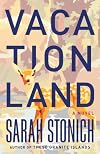
Aside from the taxidermy, this is the best Sarah Stonich book I've had every night on the couch pleasure to read.
So many things - from one of the most memorable opening chapters ever to the lake and forest and sky descriptions
to the many distinct and well defined characters to the gently always moving along story to the oddly awkward ending -
make this book one to keep and read again, with the wish that it could go on forever...and that my daughter and I
could vacation in Nalidi!
What I wish show more was different is the house built so high > it will be impossibly dangerous in the winter and anytime for a dog and a painter as they age. show less
So many things - from one of the most memorable opening chapters ever to the lake and forest and sky descriptions
to the many distinct and well defined characters to the gently always moving along story to the oddly awkward ending -
make this book one to keep and read again, with the wish that it could go on forever...and that my daughter and I
could vacation in Nalidi!
What I wish show more was different is the house built so high > it will be impossibly dangerous in the winter and anytime for a dog and a painter as they age. show less
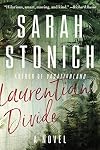
Sarah’s Stonich’s writing has been compared to books by Richard Russo and the similarity is valid insofar as they both write about everyday people and their day to day lives. A son or daughter who has succumbed to substance abuse, a spouse coping after the loss of their mate, a small town that survives on the latest gossip. Everyone in Hatchet Inlet knows the score and the players. There is nothing special about any of them and that is what makes this book such a wonder.
As Pastor Huttala show more exhorts to his congregation on the opening pages in his Polka Service Sermon, welcome strangers, sit down and share a coffee with the lonely, listen to someone’s grief, don’t turn away, just listen. Pretty basic stuff which makes for a great book with characters like Alpo and his son Pete; Sissy her dog, Jeff, her sister Laurie, and their mother Louise who is barely holding on to her mind, and the missing Rauri Paar, who may or may not be dead.
Great writing that allowed for a chuckle, a tear, a shake of the head and a whole lot of thinking in between. Thank you NetGalley and the University of Minnesota Press for a copy. show less
As Pastor Huttala show more exhorts to his congregation on the opening pages in his Polka Service Sermon, welcome strangers, sit down and share a coffee with the lonely, listen to someone’s grief, don’t turn away, just listen. Pretty basic stuff which makes for a great book with characters like Alpo and his son Pete; Sissy her dog, Jeff, her sister Laurie, and their mother Louise who is barely holding on to her mind, and the missing Rauri Paar, who may or may not be dead.
Great writing that allowed for a chuckle, a tear, a shake of the head and a whole lot of thinking in between. Thank you NetGalley and the University of Minnesota Press for a copy. show less
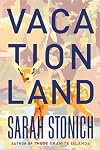
I loved Vacationland by Sarah Stonich. Vacationland is a collection of 15 interrelated stories that all share a connection to Naledi Lodge on Little Hatchet Lake on the laurentian divide in Minnesota. It was a summer resort, dubbed "vacationland" years ago, but cabins have disappeared and it is now a private home. Naledi Lodge was built and ran by Czech immigrant Vaclav Machutova for many years during its prosperity. Meg , his granddaughter, spent summers there and winters in Chicago show more boarding schools after her parents are killed in an airplane crash. Now Meg is an artist who makes Naledi her home.
Stonich's writing is impeccable. Each story could stand alone but together they made a beautiful descriptive symphony. It was a serenade of emotive descriptions. I love all of Stonich's descriptions of the settings in Vacationland. They are simultaneously seductive, but spiritual; atmospheric yet pungent. I could feel everything - the bitter cold, and then the scorching heat and biting black flies. I could smell the woods, feel the weather, experience and appreciate the environment and terrain like a local.
I appreciated the portrayal of her characters just as much. They were all handled with such empathy and humanity as their struggles were slowly revealed. Each of them has a unique, individual voice. They are complex, fully realized characters. As a summer resort worker many years ago, I knew many of these people - the dismissive summer people, the reticent terse locals, the old men drinking coffee. I understand the difference between the people who just visit briefly and those who stay.
Contents
Separation: A scene with Meg, as an adult and prominent artist, after her dog brings home an unpleasant surprise.
Reparation: An man recalls an affair he had at Naledi with another guest.
Destination: Adult sisters recall an euthanasia promise they made to each other when young.
Assimilation: A Balkan refugee struggles to assimilate into the community.
Moderation: A counselor at a rehab clinic deals with his angry, aging father
Navigation: A young girl gets lost when visiting her great grandmother's cabin.
Calculation: A young couple wants to start a family.
Echolocation: An American Indian man finds his way after a life changing event in a changing community.
Omission: Aging, long time resident of Little Hatchet Lake, Ursa Olson, struggles to remain self-reliant.
Orientation: Meg's aunt and cousin delivers her mother's ashes.
Disembarkation: Meg's parents die in a plane crash.
Hesitation: A science professor and soon-to-be writer, Polly, stays at Naledi when Vaclav nears the end of his life.
Approximation: Polly's childhood and life before Naledi.
Occlusion: Meg and her elderly surrogate grandmother, Polly, at Nadeli.
Tintinnabulation: Meg reflects on her life as an artist to a student reporter
I loved this collection.
Very Highly Recommended
Disclosure: My Kindle advanced reading edition was courtesy of the University of Minnesota Press via Netgalley for review purposes. show less
Stonich's writing is impeccable. Each story could stand alone but together they made a beautiful descriptive symphony. It was a serenade of emotive descriptions. I love all of Stonich's descriptions of the settings in Vacationland. They are simultaneously seductive, but spiritual; atmospheric yet pungent. I could feel everything - the bitter cold, and then the scorching heat and biting black flies. I could smell the woods, feel the weather, experience and appreciate the environment and terrain like a local.
I appreciated the portrayal of her characters just as much. They were all handled with such empathy and humanity as their struggles were slowly revealed. Each of them has a unique, individual voice. They are complex, fully realized characters. As a summer resort worker many years ago, I knew many of these people - the dismissive summer people, the reticent terse locals, the old men drinking coffee. I understand the difference between the people who just visit briefly and those who stay.
Contents
Separation: A scene with Meg, as an adult and prominent artist, after her dog brings home an unpleasant surprise.
Reparation: An man recalls an affair he had at Naledi with another guest.
Destination: Adult sisters recall an euthanasia promise they made to each other when young.
Assimilation: A Balkan refugee struggles to assimilate into the community.
Moderation: A counselor at a rehab clinic deals with his angry, aging father
Navigation: A young girl gets lost when visiting her great grandmother's cabin.
Calculation: A young couple wants to start a family.
Echolocation: An American Indian man finds his way after a life changing event in a changing community.
Omission: Aging, long time resident of Little Hatchet Lake, Ursa Olson, struggles to remain self-reliant.
Orientation: Meg's aunt and cousin delivers her mother's ashes.
Disembarkation: Meg's parents die in a plane crash.
Hesitation: A science professor and soon-to-be writer, Polly, stays at Naledi when Vaclav nears the end of his life.
Approximation: Polly's childhood and life before Naledi.
Occlusion: Meg and her elderly surrogate grandmother, Polly, at Nadeli.
Tintinnabulation: Meg reflects on her life as an artist to a student reporter
I loved this collection.
Very Highly Recommended
Disclosure: My Kindle advanced reading edition was courtesy of the University of Minnesota Press via Netgalley for review purposes. show less
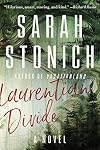
Every story needs a hook, and for Laurentian Divide it's the question of what happened to Rauri Paar, the odd man who winters alone on his island. His appearance heralds the true return of spring to the residents of Hatchet Inlet. But the answer to that question is not nearly as interesting as the stories of the people who are asking it. There's: the widower who's about to marry the woman nearly 20 years his junior (they're deeply in love); his son, the veterinarian who's also a recovering show more alcoholic; and his fiancee, who's dealing with a mother with major dementia and reeling from the loss of her neice, who was killed in a drunk driving accident. These are the people who tell the story, of their past and their present, that color the book in shades of ice blue and the green of new buds.
Unlike other books small-town books, I never got a sense of the town itself, although the larger scenery of Minnesota on the Canadian border comes through vividly (it may have helped that I was there not long ago). As for what happened to Rauri Paar, the answer is appropriately anticlimactic, serving to satisfy the the curiosity of both reader and town, without overshadowing the characters the reader has come to identify with. The revelation also allows the book to come to a graceful, natural ending. I was pleased to learn that this is the second book in a planned trilogy, although it can be read alone; I'll almost certainly pick up the first one, and I'll be looking for the third when it comes out. show less
Unlike other books small-town books, I never got a sense of the town itself, although the larger scenery of Minnesota on the Canadian border comes through vividly (it may have helped that I was there not long ago). As for what happened to Rauri Paar, the answer is appropriately anticlimactic, serving to satisfy the the curiosity of both reader and town, without overshadowing the characters the reader has come to identify with. The revelation also allows the book to come to a graceful, natural ending. I was pleased to learn that this is the second book in a planned trilogy, although it can be read alone; I'll almost certainly pick up the first one, and I'll be looking for the third when it comes out. show less
Lists
Awards


You May Also Like


Associated Authors
Statistics
- Works
- 8
- Members
- 590
- Popularity
- #42,529
- Rating
- 3.8
- Reviews
- 33
- ISBNs
- 35
- Languages
- 3
- Favorited
- 2