
Pilar Quintana
Author of The Bitch
About the Author
Image credit: Quintana in 2020
Works by Pilar Quintana
Caperucita se come al lobo / Little Red Riding Hood Eats the Big Bad Wolf (Spanish Edition) (2012) 16 copies
Conspiración iguana 1 copy
Tickles In The Tongue 1 copy
Tagged
Common Knowledge
- Birthdate
- 1972
- Gender
- female
- Agent
- Sandra Pareja
- Nationality
- Colombia
- Birthplace
- Cali, Colombia
- Map Location
- Colombia
Members
Reviews
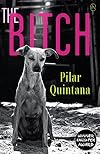
A novella set on Colombia's Pacific coast, The Bitch tells the story of Damaris, a childless 40-year-old trapped by poverty and a failing marriage who adopts a puppy. The dog is both a salve for Damaris' deep loneliness and, as it grows and has pups of its own, a reminder of her infertility. The lives of Damaris and the dog take increasingly tragic turns.
This is a quick, clear read which makes unavoidable points about motherhood, nature, and violence, and Pilar Quintana's description of the show more bluff where Damaris lives—rain swept, salt soaked, hemmed around by jungle—are appealingly vivid. But for a book about such stark themes and jarring events, this felt curiously sterile to me—distantly observed, rather than lived in. show less
This is a quick, clear read which makes unavoidable points about motherhood, nature, and violence, and Pilar Quintana's description of the show more bluff where Damaris lives—rain swept, salt soaked, hemmed around by jungle—are appealingly vivid. But for a book about such stark themes and jarring events, this felt curiously sterile to me—distantly observed, rather than lived in. show less
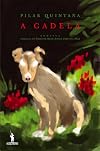
Descrever este livro não é facil, pois é daqueles com histórias aparentemente banais, mas que nos fazem sentir e refletir.
Damaris é uma mulher pobre que sempre desejou ter filhos, sem no entanto o conseguir. Adota uma cadelinha recém nascida, dá-lhe muito amor mas essa relação vai mudar, acompanhando a espiral descendente da personagem. A relação entre Damaris e a cadela é quase de mãe-filha, mas lidar com as expectativas e desilusões nem sempre é fácil.
Rogélio, o marido, no show more inicio é apresentado como uma pessoa má, que gosta de massacrar os seus cães, no entanto tem atitudes tão ternas e compreensivas que nos leva de algum modo a esquecer a falta de empatia com os seus animais.
Ao longo da narrativa vamos conhecendo o passado de Damaris e outros acontecimentos que ocorreram no local, percebemos que carrega um fardo pesado e esse passado, conjugado com a impossibilidade de ser mãe e o desmoronar do casamento, levam igualmente ao desmoronamento da personagem.
Um livro muito bem escrito, que se lê num ápice. show less
Damaris é uma mulher pobre que sempre desejou ter filhos, sem no entanto o conseguir. Adota uma cadelinha recém nascida, dá-lhe muito amor mas essa relação vai mudar, acompanhando a espiral descendente da personagem. A relação entre Damaris e a cadela é quase de mãe-filha, mas lidar com as expectativas e desilusões nem sempre é fácil.
Rogélio, o marido, no show more inicio é apresentado como uma pessoa má, que gosta de massacrar os seus cães, no entanto tem atitudes tão ternas e compreensivas que nos leva de algum modo a esquecer a falta de empatia com os seus animais.
Ao longo da narrativa vamos conhecendo o passado de Damaris e outros acontecimentos que ocorreram no local, percebemos que carrega um fardo pesado e esse passado, conjugado com a impossibilidade de ser mãe e o desmoronar do casamento, levam igualmente ao desmoronamento da personagem.
Um livro muito bem escrito, que se lê num ápice. show less
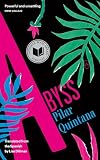
While many people focus on how Claudia’s experiences show how children witness and are affected by their surroundings, I would like to explore how much of an only child she is. Being an only child is a unique experience. Some people believe that it’s obvious that only children don’t have siblings to squash them or make them more responsible and that makes them more spoiled and selfish. They may not be good at sharing their personal space and are prone to becoming introverted. However, show more “Abyss” is the first book I’ve read in a long time that captures the inwardness and loneliness of an only child with messy parents. It’s important to note that there’s nothing inherently wrong with feeling introverted or lonely, and having another child simply to provide companionship for the first child is not a good idea. In fact, according to an article by Psychology Today, only children are just like everyone else.
In addition, the novel captures the phenomenon of hyper-fixation, which is a term that describes the intense focus that can occur in one’s mind. As an only child, this experience resonates with me, and I find it fascinating to see it portrayed in literature. At the same time, calling hyper-fixation by its name makes me feel a bit less different; a little less special but also more relieved. I’m not a crazy obsessive person; I am who I am.
"That terrible heat, I felt it, like a rope around her neck."
And in this novel we see two generations of this obsession. One now a mother and the other a child, and with the tremendous loneliness, (or perhaps relief) of not being the fixation. Of course, she’s also depressed. Of course, it’s brilliant in the throws of an obsession to hover on the edge of a cliff. But it’s not for a child. It’s not for a girl who see’s but doesn’t fully understand why her parents marriage is a breath away from imploding. Why you’d want to hope someone wanted to drive themselves of a cliff, while you’d want to hope that it was and wasn’t suicide when they toppled from a balcony. I don’t want to romanticise the latter, but I can understand why we’d want the women around us to have control over their endings, especially if they had none over the rest of the story.
This is also turning into less of a review and more of a ramble.
Let’s call the book thought provoking and call it a day. show less
In addition, the novel captures the phenomenon of hyper-fixation, which is a term that describes the intense focus that can occur in one’s mind. As an only child, this experience resonates with me, and I find it fascinating to see it portrayed in literature. At the same time, calling hyper-fixation by its name makes me feel a bit less different; a little less special but also more relieved. I’m not a crazy obsessive person; I am who I am.
"That terrible heat, I felt it, like a rope around her neck."
And in this novel we see two generations of this obsession. One now a mother and the other a child, and with the tremendous loneliness, (or perhaps relief) of not being the fixation. Of course, she’s also depressed. Of course, it’s brilliant in the throws of an obsession to hover on the edge of a cliff. But it’s not for a child. It’s not for a girl who see’s but doesn’t fully understand why her parents marriage is a breath away from imploding. Why you’d want to hope someone wanted to drive themselves of a cliff, while you’d want to hope that it was and wasn’t suicide when they toppled from a balcony. I don’t want to romanticise the latter, but I can understand why we’d want the women around us to have control over their endings, especially if they had none over the rest of the story.
This is also turning into less of a review and more of a ramble.
Let’s call the book thought provoking and call it a day. show less
A tale of twisted fates and intertwined family histories, told through the eyes of a child. Suffocating in the heat, throat stuffed with flower blossoms, this book really sucked me in from page one.
Lists
Awards


You May Also Like


Associated Authors
Statistics
- Works
- 10
- Members
- 351
- Popularity
- #68,158
- Rating
- 3.6
- Reviews
- 16
- ISBNs
- 55
- Languages
- 9