
Craig Childs
Author of House of Rain: Tracking a Vanished Civilization Across the American Southwest
About the Author
Craig Childs is a river guide, a field instructor in natural history, an adventurer, & a writer. His other books include "Crossing Paths: Uncommon Encounters with Animals in the Wild" (Sasquatch). He camps in the backcountry of the American West at least nine months of the year, usually living in show more the back of his truck, out of a river vessel, or from his backpack. He hasn't had a phone in ten years. (Bowker Author Biography) show less
Image credit: Photo by Bruce Hucko
Works by Craig Childs
House of Rain: Tracking a Vanished Civilization Across the American Southwest (2007) 506 copies, 12 reviews
The Secret Knowledge of Water : Discovering the Essence of the American Desert (2000) 373 copies, 12 reviews
The Southwest's Contrary Land: Forever Changing Between Four Corners and the Sea of Cortes (2001) 14 copies, 2 reviews
Tagged
Common Knowledge
- Birthdate
- 20th century
- Gender
- male
- Awards and honors
- 2008 Galen Rowell Art of Adventure Award
2007 Sigurd Olson Nature Writing Award
2003 Spirit of the West Award - Nationality
- USA
- Birthplace
- Tempe, Arizona, USA
- Places of residence
- Canyonlands National Park, Utah, USA
Norwood, Colorado, USA - Map Location
- Arizona, USA
Members
Reviews
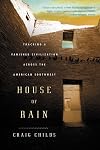
Author Craig Childs is perhaps best described as a “naturalist”, although his education is in journalism and “desert studies”. This is the first book of his I’ve read, and I found it absorbing. I’ve always been skeptical about journalists writing on science; they have tendencies to sensationalize, to base narratives on interviews rather than data, and to selling a particular story rather than exploring all the evidence. Childs avoids most these problems; there are no sensational show more discoveries, just patient and methodical archaeological work; there are interviews but they’re there to give archaeologists a chance to present data; and although Childs has a particular story he prefers, he gives space and references to archaeologists with other theories.
Childs is looking at the “mystery” of the Anasazi; the people who built at Chaco Canyon and Mesa Verde and numerous other sites in the Southwest, then apparently disappeared. He systematically explores sites in the Southwest – sometimes alone, sometimes with archaeologists or other scientists. In a particularly impressive accomplishment, Childs hikes the Great North Road (after first caching water along it) while discussing its archaeological significance.
The back cover blurb describes the book as a “historical detective story” and there’s certainly some feel of that, but this isn’t a mystery novel where the master detective ties up all the loose ends in a magisterial dénouement. Instead Childs gathers bits and pieces of evidence and discusses how they might be significant.
Childs is sensitive to the native people he encounters but not obsequiously so. He apologizes to a Hopi archaeologist for using the term “Anasazi”; it’s a Navajo word and the Hopi prefer “Hisatsinom” or “Ancestral Puebloan”. He doesn’t tiptoe around evidence for gruesome violence – torture, cannibalism, and mass murder of children by burning alive – while noting that this raises hackles in natives: no one wants to believe their ancestors did these things.
I was particularly interested in Child’s use of the term “tethered nomadism”. He notes that although archaeologists have “restored” many of the sites – Pueblo Bonito in Chaco Canyon, for example – research has found that the sites were “living” entities; rooms were continuously being demolished, rebuilt, filled with rubbish, emptied out again, and put to different purposes. Thus no particular “restoration” represents the site at any particular time. Sometimes an entire site was abandoned, only to be reoccupied years to decades later, suggesting the occupants had moved elsewhere for better farming or defense, then returned.
The is a smooth and easy read, simultaneously scholarly and personal. Relevant illustrations, a good glossary, and an extensive bibliography. Enthusiastically recommended to anyone interested in the archaeology of the North American southwest. I’ll definitely have to pick up Child’s other books. show less
Childs is looking at the “mystery” of the Anasazi; the people who built at Chaco Canyon and Mesa Verde and numerous other sites in the Southwest, then apparently disappeared. He systematically explores sites in the Southwest – sometimes alone, sometimes with archaeologists or other scientists. In a particularly impressive accomplishment, Childs hikes the Great North Road (after first caching water along it) while discussing its archaeological significance.
The back cover blurb describes the book as a “historical detective story” and there’s certainly some feel of that, but this isn’t a mystery novel where the master detective ties up all the loose ends in a magisterial dénouement. Instead Childs gathers bits and pieces of evidence and discusses how they might be significant.
Childs is sensitive to the native people he encounters but not obsequiously so. He apologizes to a Hopi archaeologist for using the term “Anasazi”; it’s a Navajo word and the Hopi prefer “Hisatsinom” or “Ancestral Puebloan”. He doesn’t tiptoe around evidence for gruesome violence – torture, cannibalism, and mass murder of children by burning alive – while noting that this raises hackles in natives: no one wants to believe their ancestors did these things.
I was particularly interested in Child’s use of the term “tethered nomadism”. He notes that although archaeologists have “restored” many of the sites – Pueblo Bonito in Chaco Canyon, for example – research has found that the sites were “living” entities; rooms were continuously being demolished, rebuilt, filled with rubbish, emptied out again, and put to different purposes. Thus no particular “restoration” represents the site at any particular time. Sometimes an entire site was abandoned, only to be reoccupied years to decades later, suggesting the occupants had moved elsewhere for better farming or defense, then returned.
The is a smooth and easy read, simultaneously scholarly and personal. Relevant illustrations, a good glossary, and an extensive bibliography. Enthusiastically recommended to anyone interested in the archaeology of the North American southwest. I’ll definitely have to pick up Child’s other books. show less

This book is a pleasing blend of science, history, and memoir. As I read it, I felt like I was accompanying author Craig Childs back into prehistory. He traces the arrival of the first humans in North America and describes artifacts that tell how they lived and died. Childs travels to various archaeological sites, covering a wide swath of North America, with stops in Canada and the US, including Alaska, Oregon, New Mexico, Texas, Nevada, Florida, and more.
The book is structured in a loosely show more chronological order, from approximately 40,000 to 10,000 years ago. He investigates discoveries of the bones of mastodons, dire wolves, giant bears, mammoths, bison, lions, and sabertooth cats. He looks at the evidence of tools, plants, and diets. He includes interviews with selected scientists who provide expert viewpoints on dates, migrations, and lifestyles of these ancient people.
This book is right up my alley. One of the aspects I liked the best is the personable way these potentially dry topics are covered. The author has made it into a travelogue of sorts. He describes his traveling companions, and what they saw and did at the various sites they visited. This book examines so many fascinating topics, such as archaeology, anthropology, paleontology, ecology, geology, and geography. I you like to read about one or more of these, it is a wonderfully entertaining glimpse into the a past era.
4.5 show less
The book is structured in a loosely show more chronological order, from approximately 40,000 to 10,000 years ago. He investigates discoveries of the bones of mastodons, dire wolves, giant bears, mammoths, bison, lions, and sabertooth cats. He looks at the evidence of tools, plants, and diets. He includes interviews with selected scientists who provide expert viewpoints on dates, migrations, and lifestyles of these ancient people.
This book is right up my alley. One of the aspects I liked the best is the personable way these potentially dry topics are covered. The author has made it into a travelogue of sorts. He describes his traveling companions, and what they saw and did at the various sites they visited. This book examines so many fascinating topics, such as archaeology, anthropology, paleontology, ecology, geology, and geography. I you like to read about one or more of these, it is a wonderfully entertaining glimpse into the a past era.
4.5 show less
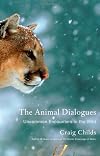
I just loved this book - the writing was fantastic; it was absolutely lyrical.
This far north the sun was still up, although very low, riding through the mountains as if looking for something it lost on the ground. (p24)
The author shares his experiences with various animals in the wilderness (or even in his backyard). The book is divided into chapters based on each different animal, including everything from a mountain lion, to a raven, down to a praying mantis. I could imagine the scenes as show more I read, picture them happening in front of my eyes. During the mountain lion chapter, I felt like I was there, waiting to see if the cat would come out and attack me.
The writing was just very poignant and if you are a nature or animal lover, I think you would really appreciate it. For example, the dog chapter, though short, was perfect, just the right blend of poignant and practical, and I love how he connected it with the nature of humans at the end.
I imagined this was not an easy life for a dog in such isolated country, working alongside a grouchy caballero, ever aware of the presence of large wild animals lurking in the woods beyond. I tried to look away and hear what the caballero had to tell us, but the mutt was staring right at me, insisting I address her, damn near scratching a secret SOS into the dirt with her paw. We were a ray of hope for her, strangers with welcoming smiles, but there was nothing I could do for her. I looked away. (p70)
Overall, I just love the respect and appreciation that he gives to animals and to nature.
The elk that you glimpse in the summer, those at the forest edge, are survivors of winter, only the strongest. You see one just before dusk that summer, standing at the perimeter of the meadow so it can step back to the forest and vanish. You can't help imagining the still, frozen nights behind it, so cold that the slightest motion is monumental. I have found their bodies, half drifted over in snow, no sign of animal attack or injury. Just toppled over one night with ice working into their lungs. You wouldn't want to stand outside for more than a few minutes in that kind of weather. If you lived through only one of those winters the way this elk has, you would write books about it. You would become a shaman. You would be forever changed. That elk from the winter stands there on the summer evening, watching from beside the forest. It keeps its story to itself. (p183)
I loved this one description he gave:
This is not wilderness for designation or for a park. Not a scenic wilderness and not one good for fishing or the viewing of wildlife. It is wilderness that gets into your nostrils, that runs with your sweat. It is the core of everything living, wilderness like molten iron. (p156)
Even though this is a place I would never go to, that I could not survive in, I just loved reading about it. It reminds me that nature was not made for us. It exists, indifferent to us and our needs. It's good to be reminded.
He talks about having his camera with him on some of his adventures so I wish there were pictures. But that's just a small want on my part.
The one thing that got to me, that made stop reading and almost discount everything I'd read up to then (which was pretty much the whole book since I was near the end), was when he talks about squids. He says, "The largest animal on the planet is a squid, a rubbery predator that lurks in deep sea trenches." (p296) He even goes on to mention that some "reach lengths of sixty feet" - but that's still not as large as a blue whale, which can be 100 feet. So what the hell? Is there some nuance of writing I missed there? I tried to google the error but didn't come up with anything.
Okay, but other than that (glaring!) error, I did love this book!
Some of my other favorite quotes:
Most animals show themselves sparingly. The grizzly bear is six to eight hundred pounds of smugness. It has no need to hide. If it were a person, it would laugh loudly in quiet restaurants, boastfully wear the wrong clothes for special occasions, and probably play hockey. (p24)
Hilarious, on coyotes migrating East:
Some suggest that they hitched on ice floes of the Northeast coast, and I imagine all the ice floes that missed land, coyotes going out to sea, never heard from again. (p39)
Coyotes move within a landscape of attentiveness. I have seen their eyes in the creosote bushes and among mesquite trees. They have watched me. And all the times that I saw no eyes, that I kept walking and never knew, there were still coyotes. When I have seen them trot away, when I have stepped from the floorboard of my truck, leaned on the door, and watched them as they watched me over their shoulders, I have been aware for that moment of how much more there is. Of how I have only seen only an instant of a broad and rich life. (p39) show less
This far north the sun was still up, although very low, riding through the mountains as if looking for something it lost on the ground. (p24)
The author shares his experiences with various animals in the wilderness (or even in his backyard). The book is divided into chapters based on each different animal, including everything from a mountain lion, to a raven, down to a praying mantis. I could imagine the scenes as show more I read, picture them happening in front of my eyes. During the mountain lion chapter, I felt like I was there, waiting to see if the cat would come out and attack me.
The writing was just very poignant and if you are a nature or animal lover, I think you would really appreciate it. For example, the dog chapter, though short, was perfect, just the right blend of poignant and practical, and I love how he connected it with the nature of humans at the end.
I imagined this was not an easy life for a dog in such isolated country, working alongside a grouchy caballero, ever aware of the presence of large wild animals lurking in the woods beyond. I tried to look away and hear what the caballero had to tell us, but the mutt was staring right at me, insisting I address her, damn near scratching a secret SOS into the dirt with her paw. We were a ray of hope for her, strangers with welcoming smiles, but there was nothing I could do for her. I looked away. (p70)
Overall, I just love the respect and appreciation that he gives to animals and to nature.
The elk that you glimpse in the summer, those at the forest edge, are survivors of winter, only the strongest. You see one just before dusk that summer, standing at the perimeter of the meadow so it can step back to the forest and vanish. You can't help imagining the still, frozen nights behind it, so cold that the slightest motion is monumental. I have found their bodies, half drifted over in snow, no sign of animal attack or injury. Just toppled over one night with ice working into their lungs. You wouldn't want to stand outside for more than a few minutes in that kind of weather. If you lived through only one of those winters the way this elk has, you would write books about it. You would become a shaman. You would be forever changed. That elk from the winter stands there on the summer evening, watching from beside the forest. It keeps its story to itself. (p183)
I loved this one description he gave:
This is not wilderness for designation or for a park. Not a scenic wilderness and not one good for fishing or the viewing of wildlife. It is wilderness that gets into your nostrils, that runs with your sweat. It is the core of everything living, wilderness like molten iron. (p156)
Even though this is a place I would never go to, that I could not survive in, I just loved reading about it. It reminds me that nature was not made for us. It exists, indifferent to us and our needs. It's good to be reminded.
He talks about having his camera with him on some of his adventures so I wish there were pictures. But that's just a small want on my part.
The one thing that got to me, that made stop reading and almost discount everything I'd read up to then (which was pretty much the whole book since I was near the end), was when he talks about squids. He says, "The largest animal on the planet is a squid, a rubbery predator that lurks in deep sea trenches." (p296) He even goes on to mention that some "reach lengths of sixty feet" - but that's still not as large as a blue whale, which can be 100 feet. So what the hell? Is there some nuance of writing I missed there? I tried to google the error but didn't come up with anything.
Okay, but other than that (glaring!) error, I did love this book!
Some of my other favorite quotes:
Most animals show themselves sparingly. The grizzly bear is six to eight hundred pounds of smugness. It has no need to hide. If it were a person, it would laugh loudly in quiet restaurants, boastfully wear the wrong clothes for special occasions, and probably play hockey. (p24)
Hilarious, on coyotes migrating East:
Some suggest that they hitched on ice floes of the Northeast coast, and I imagine all the ice floes that missed land, coyotes going out to sea, never heard from again. (p39)
Coyotes move within a landscape of attentiveness. I have seen their eyes in the creosote bushes and among mesquite trees. They have watched me. And all the times that I saw no eyes, that I kept walking and never knew, there were still coyotes. When I have seen them trot away, when I have stepped from the floorboard of my truck, leaned on the door, and watched them as they watched me over their shoulders, I have been aware for that moment of how much more there is. Of how I have only seen only an instant of a broad and rich life. (p39) show less
The Southwest's Contrary Land: Forever Changing Between Four Corners and the Sea of Cortes by Craig Leland Childs

Got this because I've read many of his books about the area and thought it would be nice to have some pictures. The photographs deliver, and I was a little surprised that the writing was so fine--I'd read reviews that it wasn't up to his usual standards, and that's not the case. The biggest emphasis is that this area has such dynamic change from one area to another, one tends to think of the desert as all the same. The guy has a good eye, and a real talent for turning a phrase. Very happy show more with the book. show less
Lists
Awards


You May Also Like


Associated Authors
Statistics
- Works
- 22
- Members
- 2,442
- Popularity
- #10,506
- Rating
- 4.0
- Reviews
- 66
- ISBNs
- 74
- Languages
- 2
- Favorited
- 5