
Anthony Giddens
Author of Sociology
About the Author
Anthony Giddens, a British sociologist, was educated at Hull, the London School of Economics, and Cambridge, and is a fellow of King's College, Cambridge. His interests have been varied, but they tend to focus on questions related to the macro-order. Much of his theoretical writing deals with show more stratification, class, and modernity. Although he has concentrated on dynamic issues of social structure, he has also examined how social psychological concerns are part of this broader order of human relations. (Bowker Author Biography) show less
Image credit: This picture was taken at the Progressive Governance Conference at Budapest, 13 October, 2004. The author of the picture is Szusi.
Works by Anthony Giddens
Capitalism and Modern Social Theory: An Analysis of the Writings of Marx, Durkheim and Max Weber (1971) 443 copies, 2 reviews
The Transformation of Intimacy: Sexuality, Love, and Eroticism in Modern Societies (1992) 151 copies
Central Problems in Social Theory: Action, Structure, and Contradiction in Social Analysis (1979) 120 copies
Reflexive Modernization: Politics, Tradition and Aesthetics in the Modern Social Order (1994) — Author — 80 copies
The Nation-State and Violence: Volume 2 of A Contemporary Critique of Historical Materialism (v. 2) (1985) 73 copies
Politics, Sociology, and Social Theory: Encounters with Classical and Contemporary Social Thought (1995) 53 copies
Teoria Social Hoje 2 copies
Sociology (6th edition) 1 copy
Problemas Centrais em Teoria Social. Acao Estrutura e Contradicao na Analise Sociologica (Em Portugues do Brasil) (2018) 1 copy
SOCIOLOGJIA 1 copy
Associated Works
The Protestant Ethic and the Spirit of Capitalism (1904) — Introduction, some editions — 4,395 copies, 32 reviews
Tagged
Common Knowledge
- Legal name
- Giddens, Anthony, Baron
- Birthdate
- 1938-01-18
- Gender
- male
- Education
- University of Hull (1959)
London School of Economics
University of Cambridge (King's College | PhD | 1974) - Occupations
- sociologist
- Organizations
- London School of Economics (Director ∙ 1997-2003)
Institute for Public Policy Research
University of Leicester
University of Cambridge - Awards and honors
- BBC Reith Lecturer (1999)
Life Peerage (2004) - Nationality
- UK
- Birthplace
- Edmonton, London, England, UK
- Places of residence
- London, England, UK
- Associated Place (for map)
- London, England, UK
Members
Reviews

analiza cómo las instituciones de la modernidad tardía o radicalizada transforman la vida social cotidiana y, de manera crucial, la identidad personal (el yo).
La Modernidad Tardía: Desanclaje y Riesgo
Giddens describe la modernidad tardía como un orden postradicional caracterizado por un extremo dinamismo y ruptura con la tradición. Las influencias universalizadoras de la modernidad (sistemas expertos y globalización) se entretejen con las disposiciones personales, creando una show more interconexión inédita entre lo institucional y lo individual.
Es central el proceso de desanclaje (disembedding), donde las interacciones sociales se "separan" de los contextos locales y se reestructuran en sistemas abstractos (dinero, tecnologías de comunicación o instituciones políticas). Esta dinámica genera una cultura de riesgo institucionalizada. La seguridad que antes daba la tradición no es reemplazada por la certidumbre del conocimiento racional, sino por la duda radical.
La Construcción Reflexiva del Yo
Ante el colapso de las seguridades tradicionales y la exposición al riesgo, el individuo debe construir su identidad propia de manera reflexiva y activa. El yo ya no es pasivamente determinado, sino un "proyecto reflexivo" que se mantiene a lo largo de la vida. Autoexamen y autoconstrucción constantes, decisiones continuas sobre el estilo de vida.
La necesidad de mantener una identidad coherente es clave para la seguridad ontológica, un sentido de fiabilidad y orden en el entorno social y corporal.
La Política de la Vida
Esta búsqueda de la realización del yo en un mundo incierto da lugar a la política de la vida. A diferencia de la política emancipatoria (centrada en la liberación de la opresión y la desigualdad, con una idea jerárquica del poder), la política de la vida se enfoca en las decisiones existenciales y el estilo de vida. Se trata de cuestiones políticas que surgen de los procesos de realización del yo, como el feminismo temprano, donde "lo personal se convierte en político" al cuestionar las convenciones íntimas y familiares.
La Transformación de la Intimidad
La modernidad también revoluciona las relaciones íntimas, especialmente con el concepto de la relación pura. Esta es una relación de iguales, no anclada en condiciones externas (como la ley, la tradición o la economía), sino sostenida por la confianza mutua y la comunicación reflexiva. La relación pura existe solo en la medida en que ambas partes encuentran suficiente satisfacción para permanecer en ella. Este tipo de vínculo íntimo es un modelo de democracia personal y un ámbito crucial donde se negocia la identidad del yo, como lo demuestran fenómenos como el aumento de los divorcios, que fuerzan a los individuos a establecer un "nuevo sentido del yo" tras la ruptura. show less
La Modernidad Tardía: Desanclaje y Riesgo
Giddens describe la modernidad tardía como un orden postradicional caracterizado por un extremo dinamismo y ruptura con la tradición. Las influencias universalizadoras de la modernidad (sistemas expertos y globalización) se entretejen con las disposiciones personales, creando una show more interconexión inédita entre lo institucional y lo individual.
Es central el proceso de desanclaje (disembedding), donde las interacciones sociales se "separan" de los contextos locales y se reestructuran en sistemas abstractos (dinero, tecnologías de comunicación o instituciones políticas). Esta dinámica genera una cultura de riesgo institucionalizada. La seguridad que antes daba la tradición no es reemplazada por la certidumbre del conocimiento racional, sino por la duda radical.
La Construcción Reflexiva del Yo
Ante el colapso de las seguridades tradicionales y la exposición al riesgo, el individuo debe construir su identidad propia de manera reflexiva y activa. El yo ya no es pasivamente determinado, sino un "proyecto reflexivo" que se mantiene a lo largo de la vida. Autoexamen y autoconstrucción constantes, decisiones continuas sobre el estilo de vida.
La necesidad de mantener una identidad coherente es clave para la seguridad ontológica, un sentido de fiabilidad y orden en el entorno social y corporal.
La Política de la Vida
Esta búsqueda de la realización del yo en un mundo incierto da lugar a la política de la vida. A diferencia de la política emancipatoria (centrada en la liberación de la opresión y la desigualdad, con una idea jerárquica del poder), la política de la vida se enfoca en las decisiones existenciales y el estilo de vida. Se trata de cuestiones políticas que surgen de los procesos de realización del yo, como el feminismo temprano, donde "lo personal se convierte en político" al cuestionar las convenciones íntimas y familiares.
La Transformación de la Intimidad
La modernidad también revoluciona las relaciones íntimas, especialmente con el concepto de la relación pura. Esta es una relación de iguales, no anclada en condiciones externas (como la ley, la tradición o la economía), sino sostenida por la confianza mutua y la comunicación reflexiva. La relación pura existe solo en la medida en que ambas partes encuentran suficiente satisfacción para permanecer en ella. Este tipo de vínculo íntimo es un modelo de democracia personal y un ámbito crucial donde se negocia la identidad del yo, como lo demuestran fenómenos como el aumento de los divorcios, que fuerzan a los individuos a establecer un "nuevo sentido del yo" tras la ruptura. show less
https://nwhyte.livejournal.com/3069817.html
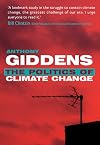
This book was published in 2009 and is already very dated. Climate change is a topic that I orbit around a bit at work (more so in my last job) and it’s striking to realise just how much the debate has moved on in the last nine or ten years. Most obviously, carbon markets fell way out of fashion with the 2008 crash, and the big focus now is on renewables (Giddens just missed the German Energiewende). But also the Paris climate accord looks even show more more remarkable from the 2009 perspective than from the 2018 perspective; the points of reference of the global debate have completely changed. Another crucial development, which Giddens barely hoped for but is now a fundamental part of the dynamic, is the shift of Chinese policy in favour of environmental issues. This is enough to make the US federal government much less relevant, thought perhaps not much less dangerous (Gidddens spends some time agonising about Bush and post-Bush policies; we did not know we had it so good).
There are good questions to be asked about whether vaguely democratic and vaguely capitalist systems will find the necessary impetus to implement the massive changes that are needed. The scale of the problem is even starker now than it was a decade ago. But I was cheered by reading this book and realising that the debate does move on. I hope it will move fast enough. show less
This book was published in 2009 and is already very dated. Climate change is a topic that I orbit around a bit at work (more so in my last job) and it’s striking to realise just how much the debate has moved on in the last nine or ten years. Most obviously, carbon markets fell way out of fashion with the 2008 crash, and the big focus now is on renewables (Giddens just missed the German Energiewende). But also the Paris climate accord looks even show more more remarkable from the 2009 perspective than from the 2018 perspective; the points of reference of the global debate have completely changed. Another crucial development, which Giddens barely hoped for but is now a fundamental part of the dynamic, is the shift of Chinese policy in favour of environmental issues. This is enough to make the US federal government much less relevant, thought perhaps not much less dangerous (Gidddens spends some time agonising about Bush and post-Bush policies; we did not know we had it so good).
There are good questions to be asked about whether vaguely democratic and vaguely capitalist systems will find the necessary impetus to implement the massive changes that are needed. The scale of the problem is even starker now than it was a decade ago. But I was cheered by reading this book and realising that the debate does move on. I hope it will move fast enough. show less
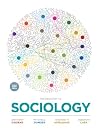
I bought this mainly as a reference book for my writing as well as other topics. It was a near-new book and I paid less than $6.
But, that isn't the point.
The point is ... yes, this is a VERY boring book. But, educational and informative material usually is. This is definitely far beyond the Sociology I took in 10th grade back in the 1990's. But, this is a far more comprehensive view of that subject.
Once you get past the introductory chapters of what the subject is, the text book delves show more into a myriad of subjects:
** Culture and Society
** Socialization and the Life Cycle (encompassing child development and gender socialization)
** Social Interaction and Everyday Life in the Age of the Internet (a very useful and informative section)
** Conformity, Deviance, and Crime
** Stratification, Class, and Inequality
** Global Inequality
** Gender Inequality
** Ethnicity and Race
** Aging
** Government, Political Power, and Social Movements
** Work and Economic Life
** Families and Intimate Relationships
** Education and the Mass Media
** Religion in Modern Society (encompassing World religion, gender and religion)
** Sociology of the Body: Health, Illness, and Sexuality
** Urbanization, Population, and the Environment
** Globalization in a Changing World
Boring, but educational and informative. Some of the material covered is especially relevant to today's times. show less
But, that isn't the point.
The point is ... yes, this is a VERY boring book. But, educational and informative material usually is. This is definitely far beyond the Sociology I took in 10th grade back in the 1990's. But, this is a far more comprehensive view of that subject.
Once you get past the introductory chapters of what the subject is, the text book delves show more into a myriad of subjects:
** Culture and Society
** Socialization and the Life Cycle (encompassing child development and gender socialization)
** Social Interaction and Everyday Life in the Age of the Internet (a very useful and informative section)
** Conformity, Deviance, and Crime
** Stratification, Class, and Inequality
** Global Inequality
** Gender Inequality
** Ethnicity and Race
** Aging
** Government, Political Power, and Social Movements
** Work and Economic Life
** Families and Intimate Relationships
** Education and the Mass Media
** Religion in Modern Society (encompassing World religion, gender and religion)
** Sociology of the Body: Health, Illness, and Sexuality
** Urbanization, Population, and the Environment
** Globalization in a Changing World
Boring, but educational and informative. Some of the material covered is especially relevant to today's times. show less
Capitalism and Modern Social Theory : An Analysis of the Writings of Marx, Durkheim and Max Weber by Anthony Giddens
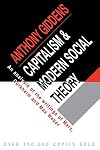
Giddens's later books are a swamp of nebulous pomp, but this early one is very good.
Lists
Awards


You May Also Like


Associated Authors
Statistics
- Works
- 73
- Also by
- 6
- Members
- 4,534
- Popularity
- #5,538
- Rating
- 3.7
- Reviews
- 18
- ISBNs
- 512
- Languages
- 23
- Favorited
- 6