
Zygmunt Bauman (1925–2017)
Author of Liquid Modernity
About the Author
Zygmunt Bauman is Emeritus Professor of Sociology at the University of Leeds and the University of Warsaw.
Image credit: Zygmunt Bauman, le 22 octobre 2012 à Prague en République Tchèque
Works by Zygmunt Bauman
Marx vivo: la presenza di Karl Marx nel pensiero contemporaneo (1969) — Contributor — 4 copies, 1 review
Wizje ludzkiego świata 4 copies
Zygmunt Bauman : humanitní vědec v postmoderním světě : rozhovory o umění života, vědě, životě umění a dal (2006) 2 copies
Education and Intercultural Identity: A Dialogue between Zygmunt Bauman and Agostino Portera (2021) 2 copies
Por uma sociologia crítica 2 copies
Idee, ideały, ideologie 1 copy
Sociologie pro každý den 1 copy
City of Fears, City of Hopes (Centre for Urban and Community Research; Critical Urban Studies: Occasional Papers) (2003) 1 copy
La Società dellincertezza 1 copy
Modus Vivendi La Terra 1 copy
Antisemitismus und Gesellschaft. Zur Diskussion um Auschwitz, Kulturindustrie und Gewalt (1995) 1 copy
HOMO CONSUMENS 1 copy
życie na przemiał 1 copy
Kultura i društvo 1 copy
Intellettuali 1 copy
Associated Works
Tagged
Common Knowledge
- Canonical name
- Bauman, Zygmunt
- Birthdate
- 1925-11-19
- Date of death
- 2017-01-09
- Gender
- male
- Education
- University of Warsaw (Philosophy)
Academy of Social Sciences, Warsaw
London School of Economics - Occupations
- sociologist
University professor - Organizations
- University of Leeds
University of Tel Aviv
Polish United Workers' Party
University of Warsaw - Awards and honors
- Prince of Asturias Award (Communications and Humanities, 2010)
Cross of Valour (Poland, 1945)
European Amalfi Prize for Sociology (1992)
Theodor W. Adorno Award (1998) - Relationships
- Bauman, Janina (wife)
Bauman, Lydia (daughter)
Bauman, Irena (daughter)
Sfard, Anna (daughter) - Short biography
- From The Guardian, April 4, 2003: The name of Zygmunt Bauman prompts awe amongst fellow sociologists. "Late flowering" is the phrase which frequently crops up to describe his extraordinarily prolific output since his retirement from Leeds University in 1990. Book has followed book, almost annually, almost all of them breaking new ground and drawing admiration for their reflections on a vast range of questions from intimacy to globalisation, from the Holocaust to reality television. Bauman is now counted as one of the most influential sociologists working in Europe. He's in international demand as a lecturer, and frequently spends several months travelling in Russia, eastern Europe, China, Germany (where he is particularly fêted) and France. He was born in the provincial town of Posnan in west Poland to a family of very modest means. As a poor Jew, he struggled to get an education. In 1939, the family fled the German invasion into Soviet Russia, where Bauman joined the Red Army. After the war, Bauman returned to Warsaw as an officer, a position which gave him a decent flat and access to a university education. He met his future wife Janina in a lecture theatre at Warsaw University and married her in 1948 after a whirlwind courtship. They had three daughters. In 1968, after 20 years as an academic, an anti-Semitic purge of Warsaw University forced the couple and a number of other leading Jewish intellectuals into exile in Israel, leaving close relatives and friends behind. Israel did not prove congenial for the Baumans despite the fact that their eldest daughter had settled there with her husband, and they left after only three years for Leeds. They arrived with little knowledge of Britain, and none of Leeds, but have lived in the same roomy 1930s house surrounded by an overgrown garden next to a busy main road ever since.
- Nationality
- Poland
- Birthplace
- Poznań, Poland
- Places of residence
- Poznań, Poland
Warsaw, Poland
London, Middlesex, England, UK
Tel Aviv, Israel
Leeds, Yorkshire, England, UK - Place of death
- Leeds, Yorkshire, England, UK
- Map Location
- Poland
Members
Reviews
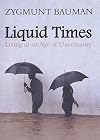
This book is an eminently readable critique of life in the twenty-first century as a westerner. His section upon 'Humanity on the Move', is particularly well argued and should be given to every 'little Englander', who wishes to keep 'them' out.
The book manages to avoid the usual error of this type of work: it is neither irreversibly positive, or a totally negative rant. This opus is a record of where we are and how we got there; the verdict is drawn by the reader.
The book manages to avoid the usual error of this type of work: it is neither irreversibly positive, or a totally negative rant. This opus is a record of where we are and how we got there; the verdict is drawn by the reader.
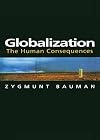
Merész marketingfogás a kiadó részéről, hogy már az előszó második mondatában megvallják, hogy ők bizony (fordítóstul-lektorostul) nehezen boldogultak a szöveggel… de hát legalább őszinték. Mondjuk állításuk, miszerint ez a nehézkesség a „könyv erényeit tükrözi”, szerintem nettó marhaság – egy szöveg lehet nehézkes és fontos (és akár jó) egyszerre, de hogy a nehézkesség erény volna, pláne tudományos írásokban, hát ezt a leghatározottabban show more tagadom.
De ezzel az írással amúgy sem az a baj, hogy nehézkes – hanem hogy tankönyvi példája az érvelési hibáknak. Kezdjük azzal, hogy már eleve nem is tesz kísérletet arra, hogy definiálja, mit ért globalizáció alatt (pedig hát ez a könyv címe, úgyhogy nem ártana), ami egyfelől részben megmagyarázza, miért is nehézkes ez a szöveg, másfelől meg van egy praktikus hozadéka a szerző szemszögéből: így ugyanis Bauman szükség szerint azonosíthatja a globalizációt bármivel, csak hogy a világegyetem összes nyűgjét rá tudja verni – a fogyasztói társadalommal, a kapitalizmussal, sőt akár az imperializmussal is. Igaz ugyan, hogy ezek különböző fogalmak, de hála a fenn említett nehézkességnek, ezt az olvasó remélhetőleg nem szúrja ki. (Mire nem jó a nehézkesség, ugye?) Már a könyv alapállításában is tetten érhető ez az elem, miszerint a globalizáció a társadalmat egy globalizált és egy lokalizált részre szakítja, ahol a globalizáltak élvezik a rendszer rugalmasságát, a lokalizáltak pedig rabszolgaságban élnek. No most ez egy érdekes felvetés, és találó kritika, ha a szabadpiaci kapitalizmust célozzuk, de hogy a globalizáció bűne lenne… hát azt indokolni kéne. Merthogy szerintem az is megfontolandó állítás, hogy mindez a globalizáció nem-teljességének következménye, esetleg a globalizációtól független jelenség… szóval számos dolog mellett lehetne érvelni, és az, hogy Bauman a priori elfogadja a neki tetszőt, jelzi, hogy ő valójában nem sportszerűen gondolkodik: már előre tudja, milyen végkimenetet kíván alátámasztani, és ahhoz válogatja ki önkényesen a kiindulási pontokat.
Szóval ilyen könyv ez: a globalizáció lehetséges pozitív okait figyelmen kívül hagyja, a negatívakat eszébe sem jut felülvizsgálni, ellenben általánosítja őket, a metaforát és az analógiát közvetlen bizonyítékként tálalja, a különböző gazdasági-társadalmi jelenségeket pedig összemossa, így lesz a globalizáció bűne egyszerre a fogyasztó fogyasztásra kényszerítése*, és az, hogy kizárja a fogyasztásból a fogyasztók egy részét. És ennek a tetejébe – engem talán ez idegesített a legjobban – határozottan az volt az érzésem, hogy a globalizációnak, mint folyamatnak szándékot tulajdonít, vagyis olyan „lényként” ábrázolja, aki sanda céllal kúszik előre valami szörnyű cél felé… hát egy fityfenét. A folyamatok nem élőlények, úgyhogy ne is kezeljük őket úgy. Ez a legrosszabb összeesküvés-elméleti portálok no és persze a kormányszóvivők világa, jó lenne, ha a szociológusok nem követnék őket ide.
Kihagytam még valamit, ami idegesített a műben? Nem is tudom, biztos. Na mindegy. Én nem állítom, hogy érték nélküli e könyv – elfogadom, hogy vannak érdekes felvetései, sőt olyanok is, amelyekkel dolgozni kell, ha a globalizáció árnyékos oldalaira is be akarjuk vinni a fényt. Ám így, ebben a formában ez egy tisztességtelen iromány: csak azt győzi meg, aki eleve egyetért vele, de őt viszont megerősíti a hitében – és ez egy tudományos munka esetében talán a lehető legrosszabb opció. Nem mondom, hogy ne olvassátok, de ha olvassátok, nagyon óvatosan.
* Igen, itt még van egy, a konzervatív és újmarxista gondolkodókra oly jellemző típushiba: hogy nem próbál meg különbséget tenni aközött, hogy a fogyasztói társadalom fogyasztásra kényszerít, vagy pedig a fogyasztó választja a fogyasztást. (Kényszerített például engem a világháló, hogy tavaly nyáron vegyek két pár Converse-cipőt, brutálisan olcsón? Hát szerintem nem.) Ez a fajta összemosás a szépirodalmi alkotásoknak jól áll (komolyan!), de jó lenne, ha a tudományos igénnyel írt munkák nem alkalmaznák. Határozottan az ilyenkor az érzésem, hogy a szerzők azért nevezik kényszerítésnek ezt az egészet, mert a múltkor ők is megvették azt a két Converse-t, és emiatt rohadtul bűntudatuk van. show less
De ezzel az írással amúgy sem az a baj, hogy nehézkes – hanem hogy tankönyvi példája az érvelési hibáknak. Kezdjük azzal, hogy már eleve nem is tesz kísérletet arra, hogy definiálja, mit ért globalizáció alatt (pedig hát ez a könyv címe, úgyhogy nem ártana), ami egyfelől részben megmagyarázza, miért is nehézkes ez a szöveg, másfelől meg van egy praktikus hozadéka a szerző szemszögéből: így ugyanis Bauman szükség szerint azonosíthatja a globalizációt bármivel, csak hogy a világegyetem összes nyűgjét rá tudja verni – a fogyasztói társadalommal, a kapitalizmussal, sőt akár az imperializmussal is. Igaz ugyan, hogy ezek különböző fogalmak, de hála a fenn említett nehézkességnek, ezt az olvasó remélhetőleg nem szúrja ki. (Mire nem jó a nehézkesség, ugye?) Már a könyv alapállításában is tetten érhető ez az elem, miszerint a globalizáció a társadalmat egy globalizált és egy lokalizált részre szakítja, ahol a globalizáltak élvezik a rendszer rugalmasságát, a lokalizáltak pedig rabszolgaságban élnek. No most ez egy érdekes felvetés, és találó kritika, ha a szabadpiaci kapitalizmust célozzuk, de hogy a globalizáció bűne lenne… hát azt indokolni kéne. Merthogy szerintem az is megfontolandó állítás, hogy mindez a globalizáció nem-teljességének következménye, esetleg a globalizációtól független jelenség… szóval számos dolog mellett lehetne érvelni, és az, hogy Bauman a priori elfogadja a neki tetszőt, jelzi, hogy ő valójában nem sportszerűen gondolkodik: már előre tudja, milyen végkimenetet kíván alátámasztani, és ahhoz válogatja ki önkényesen a kiindulási pontokat.
Szóval ilyen könyv ez: a globalizáció lehetséges pozitív okait figyelmen kívül hagyja, a negatívakat eszébe sem jut felülvizsgálni, ellenben általánosítja őket, a metaforát és az analógiát közvetlen bizonyítékként tálalja, a különböző gazdasági-társadalmi jelenségeket pedig összemossa, így lesz a globalizáció bűne egyszerre a fogyasztó fogyasztásra kényszerítése*, és az, hogy kizárja a fogyasztásból a fogyasztók egy részét. És ennek a tetejébe – engem talán ez idegesített a legjobban – határozottan az volt az érzésem, hogy a globalizációnak, mint folyamatnak szándékot tulajdonít, vagyis olyan „lényként” ábrázolja, aki sanda céllal kúszik előre valami szörnyű cél felé… hát egy fityfenét. A folyamatok nem élőlények, úgyhogy ne is kezeljük őket úgy. Ez a legrosszabb összeesküvés-elméleti portálok no és persze a kormányszóvivők világa, jó lenne, ha a szociológusok nem követnék őket ide.
Kihagytam még valamit, ami idegesített a műben? Nem is tudom, biztos. Na mindegy. Én nem állítom, hogy érték nélküli e könyv – elfogadom, hogy vannak érdekes felvetései, sőt olyanok is, amelyekkel dolgozni kell, ha a globalizáció árnyékos oldalaira is be akarjuk vinni a fényt. Ám így, ebben a formában ez egy tisztességtelen iromány: csak azt győzi meg, aki eleve egyetért vele, de őt viszont megerősíti a hitében – és ez egy tudományos munka esetében talán a lehető legrosszabb opció. Nem mondom, hogy ne olvassátok, de ha olvassátok, nagyon óvatosan.
* Igen, itt még van egy, a konzervatív és újmarxista gondolkodókra oly jellemző típushiba: hogy nem próbál meg különbséget tenni aközött, hogy a fogyasztói társadalom fogyasztásra kényszerít, vagy pedig a fogyasztó választja a fogyasztást. (Kényszerített például engem a világháló, hogy tavaly nyáron vegyek két pár Converse-cipőt, brutálisan olcsón? Hát szerintem nem.) Ez a fajta összemosás a szépirodalmi alkotásoknak jól áll (komolyan!), de jó lenne, ha a tudományos igénnyel írt munkák nem alkalmaznák. Határozottan az ilyenkor az érzésem, hogy a szerzők azért nevezik kényszerítésnek ezt az egészet, mert a múltkor ők is megvették azt a két Converse-t, és emiatt rohadtul bűntudatuk van. show less

Bauman's prose is clean and a joy to read. While some of the book is anachronistic (see his entries about Jane Fonda), Bauman is able to open our eyes to the fact that so many things that previously were relied on for support have slipped away from us in our pursuit of ultimate individuality.
Particularly striking is Bauman's hypothesis that liberalism has lead us to this world of individuality which, while allows us to make our own way in the world and find our own purpose, when things go show more wrong, it is equally up to us to take care of ourselves. Social safety nets and a sense of community have all been reduced to near nothingness and this hyper-individuality removes our connection to the concept of the citizen while yearning to be part of something greater.
He leaves me thinking about how we can find a middle ground between communitarianism and individualism, how we can rekindle the spirit of citizenship and involvement, and turn the concept of competition to something that benefits ALL people, not just the winners. show less
Particularly striking is Bauman's hypothesis that liberalism has lead us to this world of individuality which, while allows us to make our own way in the world and find our own purpose, when things go show more wrong, it is equally up to us to take care of ourselves. Social safety nets and a sense of community have all been reduced to near nothingness and this hyper-individuality removes our connection to the concept of the citizen while yearning to be part of something greater.
He leaves me thinking about how we can find a middle ground between communitarianism and individualism, how we can rekindle the spirit of citizenship and involvement, and turn the concept of competition to something that benefits ALL people, not just the winners. show less
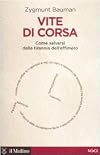
Riflessioni molto limpide e a tratti proprio brillanti sulla nostra società. Molto interessante. L'ho trovato leggeremente tendente al pessimistico, perché la nostra vita compensa le carenze e non é solamente fatta di fretta, stacchi, punti a capo, e frenesia di consumare. Mentre il quadro che dipinge l'autore é un po' troppo drammatico. Alla fine propone la sua soluzione, sebbene non la articoli neanche minimamente, secondo lui la soluzione é un ritrovato senso di responsabilità show more attraverso l'empowerment dell'individuo, e la educazione perenne. Va be'.... Molto piú forte nel descrivere le magagne dei giorni nostri, che nel proporre soluzioni o direzioni da prendere. Tutto sommato, molto acuto, da leggere. show less
Lists
Awards


You May Also Like


Associated Authors
Statistics
- Works
- 157
- Also by
- 10
- Members
- 6,793
- Popularity
- #3,597
- Rating
- 3.7
- Reviews
- 95
- ISBNs
- 942
- Languages
- 24
- Favorited
- 6


