
About the Author
Image credit: By Margaret Lidz, CC BY 2.0, https://commons.wikimedia.org/w/index.php?curid=9987653
Works by Franz Lidz
Ghosty Men : The Strange but True Story of the Collyer Brothers, New York's Greatest Hoarders : An Urban Historical (2003) 201 copies, 12 reviews
The New Treasures of Pompeii 1 copy
Associated Works
Tagged
Common Knowledge
- Canonical name
- Lidz, Franz
- Birthdate
- 1951-09-24
- Gender
- male
- Occupations
- journalist
memoirist - Nationality
- USA
- Birthplace
- New York, New York, USA
- Associated Place (for map)
- New York, USA
Members
Reviews
Ghosty Men: The Strange but True Story of the Collyer Brothers and My Uncle Arthur, New York's Greatest Hoarders (An Urban Historical) by Franz Lidz
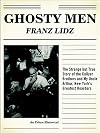
Both funny and sad, "Ghosty Men" by Franz Lidz, a tragedy that reads like a comedy, is the extraordinary, moving story of the real-life predicament of Homer and Langley Collyer, the New York "Hermits of Harlem", recluses in their four storey brownstone house from 1929 (when their mother died) to 1947 - Homer never venturing out after losing his sight in 1934, Langley rarely emerging and then usually only after dark. Barricaded in their fortress of solitude, appalling pong everywhere, inches show more thick coating of dust over everything, surrounded by stockpiles of boxes, crates and stacks of yellowing newspaper (hoarded over decades) with a mazelike network of passages, living out a ghost-like existence in a void of dead and empty, meaningless time, the Collyers remained static in a time-warp year-upon-year, decades that saw Harlem transformed into a rundown black ghetto.
Sensitive in his approach to the Collyers, affording them respect and dignity, Lidz cross-cuts in alternate chapters to his own eccentric Uncle Arthur, who like Langley Collyer, spent a lifetime amassing an astonishing assortment of junk, never passing up an opportunity to lift the lid of a dumpster. Uncle Arthur chapters contain hilarious moments, heartbreak and fascinating insights into old-time New York characters and a New York that is no longer - but for this reader, eager to get back to the Collyers, proved something of a sideshow distraction from the billed main feature.
In 1938, following years of reclusive anonymity, the Collyers suddenly found themselves catapulted into the public arena, thrust into the harsh glare of the national media spotlight when the story of their bizarre existence was widely reported. Much later, when Homer was found dead in 1947 and word spread that Langley had disappeared, there followed an enormous explosion of hyped-up media ballyhoo with thousands of gaping onlookers congregating outside the Collyer home in the hope of catching sight of the missing Langley. Police searching the building had to negotiate barricaded entry-points and huge junk-piles inside, rigged with nasty booby-traps to repel intruders.
It seemed that everyone had an explanation to offer about the root cause of the Collyers tragic situation, with Journalists, Psychiatrists, Christian Socialists all having their say . . . even the famous novelist Howard Fast chipping in. It seems ironic that the lifestyle of Homer and Langley, New York's greatest hoarders who withdrew from the outside world for solitude and anonymity in their brownstone fortress of junk, should become the subject of such intense public focus, for that very reason!! Recommended! show less
Sensitive in his approach to the Collyers, affording them respect and dignity, Lidz cross-cuts in alternate chapters to his own eccentric Uncle Arthur, who like Langley Collyer, spent a lifetime amassing an astonishing assortment of junk, never passing up an opportunity to lift the lid of a dumpster. Uncle Arthur chapters contain hilarious moments, heartbreak and fascinating insights into old-time New York characters and a New York that is no longer - but for this reader, eager to get back to the Collyers, proved something of a sideshow distraction from the billed main feature.
In 1938, following years of reclusive anonymity, the Collyers suddenly found themselves catapulted into the public arena, thrust into the harsh glare of the national media spotlight when the story of their bizarre existence was widely reported. Much later, when Homer was found dead in 1947 and word spread that Langley had disappeared, there followed an enormous explosion of hyped-up media ballyhoo with thousands of gaping onlookers congregating outside the Collyer home in the hope of catching sight of the missing Langley. Police searching the building had to negotiate barricaded entry-points and huge junk-piles inside, rigged with nasty booby-traps to repel intruders.
It seemed that everyone had an explanation to offer about the root cause of the Collyers tragic situation, with Journalists, Psychiatrists, Christian Socialists all having their say . . . even the famous novelist Howard Fast chipping in. It seems ironic that the lifestyle of Homer and Langley, New York's greatest hoarders who withdrew from the outside world for solitude and anonymity in their brownstone fortress of junk, should become the subject of such intense public focus, for that very reason!! Recommended! show less
Ghosty Men: The Strange but True Story of the Collyer Brothers and My Uncle Arthur, New York's Greatest Hoarders by Franz Lidz
I don't know why it took me so long to get around to this short but fascinating book. It's the story of both the Collyer brothers, New York's legendary hoarders, and his own uncle, one of a family of oddballs, who also accumulated junk. All these hoarders are united by an inability to discern "valuable" things like Steinway pianos from scraps of paper they find on the street. Everything must be saved.
What struck me about the book is its essential sweetness and sympathy toward its subjects. show more He's in no hurry to diagnose or judge either the Collyers or his uncles for their strange habits, just to tell their story. He's written a book about all his uncles and now I'm anxious to read that, too. show less
What struck me about the book is its essential sweetness and sympathy toward its subjects. show more He's in no hurry to diagnose or judge either the Collyers or his uncles for their strange habits, just to tell their story. He's written a book about all his uncles and now I'm anxious to read that, too. show less
Ghosty Men: The Strange but True Story of the Collyer Brothers and My Uncle Arthur, New York's Greatest Hoarders (An Urban Historical) by Franz Lidz
When I was a girl and shared a room with my sister, my mother would occasionally get fed up with our clothes and toys littering the place and say, "What a mess. You're as bad as the Collyer brothers." So I knew the story of the infamous brothers who had died before I was born. My mother said that they never threw away a newspaper and inside their house was a maze of newspapers. They both died when the papers fell in on them.
Turns out, Mom cleaned up the story a little bit. By 1947 when the show more two brothers were found dead inside, (one from starvation and the other the victim of his own booby trap) they had filled their Harlem brownstone with over 150 tons of junk and garbage. The stench was horrible and the place was riddled with vermin. When I began to read the fictionalized account of the story, E.L. Doctorow's "Homer and Langley", I found I lost interest pretty quickly. I wanted to know about the real brothers, not someone's imagining, no matter how well written.
So I found this account by the author of the memoir "Unstrung Heroes". Franz Lidz is uniquely qualified to write about the Collyers since his Uncle Arthur really is "as bad as the Collyer brothers", hampered only by being able to store his "collections" in an apartment instead of a three story house. Lidz is unfailingly sympathetic to his uncle's plight and by extension, the Collyers'. While we have no more insight as to why this phenomenon occurs, the startling parallels between Uncle Arthur and Homer and Langley humanize the brothers.
Homer and Langley Collyer were the well educated sons of a noted doctor and his wife. The family moved to Harlem in 1909 and the boys were Columbia educated, Langley as an engineer and Homer as a lawyer. Langley never held a job but Homer practiced law until going blind in the thirties. Both parents died a few years before Homer's blindness ended his career and these dual calamities seemed to have frozen the brothers in time. Langley was the "collector" leaving his home nightly and hauling a cardboard box tied with rope through the streets of the city in order to bring home his finds.
They became neighborhood curiosities but one night in 1938 an enterprising reporter, Helen Worden, waited outside their building in a taxi and approached Langley when he came out.
"Good evening Langley Collyer," she said. "Your neighbor tells me that you keep a rowboat in the attic and a Ford in the basement. Is that true?"
"Yes and no," said Langley.
Although he looked like a bum, she found herself conversing with a well spoken, courteous gentleman who answered all her questions. He declined her request to go inside to hear him play the piano.
"Impossible!" he said. "I'd have to dust the house."
Worden wrote of her encounter and the Collyer brothers, much to Langley's dismay, became infamous. Homer was a recluse, cared for by his brother. It's a strange and sad story.
Every other chapter is another strange story: that of Lidz's four uncles, all afflicted with different forms of mental illness. He clearly loves his Uncle Arthur best and helps him move from the Bronx to Flatbush in 1974, encountering booby traps similar to the Collyers':
"It's like I'm protecting it," said Uncle Arthur. "The valuable stuff is in a closet way down at the end, under lots of junk. If I can't get it, how can the burglers?"
When the Collyers' were found, the crowds outside formed a media circus. In the early days of television, cameras crowded the sidewalk and newspaper reporters came up with increasingly bizarre headlines. Lidz sorts through all this mayhem while at the same time giving us a wonderful history of Harlem's transformations throughout the 20th century. And the similarities between his family and the Collyers can be eerie: the Lidzes were born and grew up three blocks from the Collyer home, both sets of brothers lived with their mother until her death (Lidz rejects the obvious Freudian theory) and both Langley and Uncle Arthur are inveterate walkers and penny pinchers.
We now know that hoarding is a behavior that afflicts many people. I hope some smart psychologist figures out the source of it.
A side note: "Unstrung Heroes" was made into a movie and Lidz brought Uncle Arthur out to the set in Los Angeles during filming. (I saw it years ago and it's a good little movie.) The uncle meets the movie's director, Diane Keaton, and their verbatim conversation is hilarious, with Keaton in full Annie Hall mode. show less
Turns out, Mom cleaned up the story a little bit. By 1947 when the show more two brothers were found dead inside, (one from starvation and the other the victim of his own booby trap) they had filled their Harlem brownstone with over 150 tons of junk and garbage. The stench was horrible and the place was riddled with vermin. When I began to read the fictionalized account of the story, E.L. Doctorow's "Homer and Langley", I found I lost interest pretty quickly. I wanted to know about the real brothers, not someone's imagining, no matter how well written.
So I found this account by the author of the memoir "Unstrung Heroes". Franz Lidz is uniquely qualified to write about the Collyers since his Uncle Arthur really is "as bad as the Collyer brothers", hampered only by being able to store his "collections" in an apartment instead of a three story house. Lidz is unfailingly sympathetic to his uncle's plight and by extension, the Collyers'. While we have no more insight as to why this phenomenon occurs, the startling parallels between Uncle Arthur and Homer and Langley humanize the brothers.
Homer and Langley Collyer were the well educated sons of a noted doctor and his wife. The family moved to Harlem in 1909 and the boys were Columbia educated, Langley as an engineer and Homer as a lawyer. Langley never held a job but Homer practiced law until going blind in the thirties. Both parents died a few years before Homer's blindness ended his career and these dual calamities seemed to have frozen the brothers in time. Langley was the "collector" leaving his home nightly and hauling a cardboard box tied with rope through the streets of the city in order to bring home his finds.
They became neighborhood curiosities but one night in 1938 an enterprising reporter, Helen Worden, waited outside their building in a taxi and approached Langley when he came out.
"Good evening Langley Collyer," she said. "Your neighbor tells me that you keep a rowboat in the attic and a Ford in the basement. Is that true?"
"Yes and no," said Langley.
Although he looked like a bum, she found herself conversing with a well spoken, courteous gentleman who answered all her questions. He declined her request to go inside to hear him play the piano.
"Impossible!" he said. "I'd have to dust the house."
Worden wrote of her encounter and the Collyer brothers, much to Langley's dismay, became infamous. Homer was a recluse, cared for by his brother. It's a strange and sad story.
Every other chapter is another strange story: that of Lidz's four uncles, all afflicted with different forms of mental illness. He clearly loves his Uncle Arthur best and helps him move from the Bronx to Flatbush in 1974, encountering booby traps similar to the Collyers':
"It's like I'm protecting it," said Uncle Arthur. "The valuable stuff is in a closet way down at the end, under lots of junk. If I can't get it, how can the burglers?"
When the Collyers' were found, the crowds outside formed a media circus. In the early days of television, cameras crowded the sidewalk and newspaper reporters came up with increasingly bizarre headlines. Lidz sorts through all this mayhem while at the same time giving us a wonderful history of Harlem's transformations throughout the 20th century. And the similarities between his family and the Collyers can be eerie: the Lidzes were born and grew up three blocks from the Collyer home, both sets of brothers lived with their mother until her death (Lidz rejects the obvious Freudian theory) and both Langley and Uncle Arthur are inveterate walkers and penny pinchers.
We now know that hoarding is a behavior that afflicts many people. I hope some smart psychologist figures out the source of it.
A side note: "Unstrung Heroes" was made into a movie and Lidz brought Uncle Arthur out to the set in Los Angeles during filming. (I saw it years ago and it's a good little movie.) The uncle meets the movie's director, Diane Keaton, and their verbatim conversation is hilarious, with Keaton in full Annie Hall mode. show less
Ghosty Men: The Strange but True Story of the Collyer Brothers and My Uncle Arthur, New York's Greatest Hoarders (An Urb by Franz Lidz
Is it bad that, after reading this book, these men became my instant heroes? You'll have to read the book (ha, ha-- librarian trick) to find out. From my point of view, they're ensconsed warmly amongst their piles of junk, their tottering piles of old newspaper, their stacks upon stacks of boxes, their miscellania gathered from the sides of the road and trash cans-- four floors of bliss! Protection from the outside world! A true, not-metaphorical barrier from the slings of everyday life! I show more sleep (candid admission!) with piles of junk surrounding me on my bed. To be surrounded by piles of junk in an entire decaying old New York mansion? Indescribable bliss. My only complaint about this book is that it does not spend quite enough time on the Collyer Brothers themselves, dwelling more instead on Uncle Arthur (fascinating himself). But Five-plus stars to the lifestyle. show less
You May Also Like


Associated Authors
Statistics
- Works
- 5
- Also by
- 3
- Members
- 269
- Popularity
- #85,898
- Rating
- 3.6
- Reviews
- 15
- ISBNs
- 14
- Languages
- 1