
Cathy Marie Buchanan
Author of The Painted Girls
About the Author
Works by Cathy Marie Buchanan
Tagged
Common Knowledge
- Legal name
- Buchanan, Cathy Marie
- Birthdate
- 1963-05-23
- Gender
- female
- Education
- University of Western Ontario (BS ∙ hons biochemistry, MBA)
- Occupations
- babysitter
Server
on the line at GM
financial analyst
controller
marketing director (show all 7)
account manager - Agent
- Dorian Karchmar (William Morris)
- Nationality
- Canada
- Places of residence
- Toronto, Ontario, Canada
Niagara Falls, Ontario, Canada - Associated Place (for map)
- Ontario, Canada
Members
Reviews
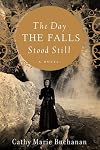
The Day the Falls Stood Still is a spellbinding historical fiction novel set on the Canadian side of Niagara Falls from 1915 -1923, the time just before and after World War I. The story is told in a first person narrative by Bess, who is seventeen when we meet her. She's at the end of her school year at Loretto Academy but knows something is wrong when her mother attends the ceremony alone. Her father has been dismissed from his job as Director of the Niagara Power Company and taken up show more drinking. Her sister, Isabel has been abandoned by her fiance and a recluse in her bedroom. Her mother has taken up dressmaking for her former friends in society and now, unable to afford her final year in boarding school, Bess will need to apprentice as a seamstress with her.
As Bess and her mother struggle with her luggage, they meet Tom Cole who carries their trunk to the streetcar. Tom is a local riverman who catches fish for pay, pulls dead bodies out of the river, and works nights in the saloon. Her parents disapprove of Tom but they continue to meet each other each other every afternoon when Tom walks home from the river. They fall in love and marry and through poverty, anxiety, and tragedy as they forge a life together.
Tom loves the river, but the only jobs available are involved in the destruction of it and his cherished Falls. What will come first in his priorities, his family or his ethics? Tom, a man of strength and conviction, is an expert on the Niagara Falls area and uses his knowledge of the dangerous environment to rescue the desperate and foolish who fall victim to the dangers. The author fictionalizes real life river man, Red Hill in the character Tom Cole. Many stories and myths about the river are real, though told through some fictional characters. The book is also beautiful to look at with pictures of the Niagara Falls area at the beginning of many of the chapters .
I loved the historical detail and the magic and danger of Niagara Falls, which becomes a character of its own. The author describes the historical context of Canada and the early conflicts that arose between environmentalism and the utilization of new sources of energy. The characters are dynamic , the setting is colorful and the historical detail fascinated me. There is both joy and sorrow in this story, with a lasting emotional impact. It's a wonderful book and I highly recommend it. show less
As Bess and her mother struggle with her luggage, they meet Tom Cole who carries their trunk to the streetcar. Tom is a local riverman who catches fish for pay, pulls dead bodies out of the river, and works nights in the saloon. Her parents disapprove of Tom but they continue to meet each other each other every afternoon when Tom walks home from the river. They fall in love and marry and through poverty, anxiety, and tragedy as they forge a life together.
Tom loves the river, but the only jobs available are involved in the destruction of it and his cherished Falls. What will come first in his priorities, his family or his ethics? Tom, a man of strength and conviction, is an expert on the Niagara Falls area and uses his knowledge of the dangerous environment to rescue the desperate and foolish who fall victim to the dangers. The author fictionalizes real life river man, Red Hill in the character Tom Cole. Many stories and myths about the river are real, though told through some fictional characters. The book is also beautiful to look at with pictures of the Niagara Falls area at the beginning of many of the chapters .
I loved the historical detail and the magic and danger of Niagara Falls, which becomes a character of its own. The author describes the historical context of Canada and the early conflicts that arose between environmentalism and the utilization of new sources of energy. The characters are dynamic , the setting is colorful and the historical detail fascinated me. There is both joy and sorrow in this story, with a lasting emotional impact. It's a wonderful book and I highly recommend it. show less
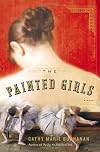
I requested this book as an Early Reviewer because I read the author's first book, The Day the Falls Stood Still, a few years ago and loved it. The Painted Girls did not disappoint!
This well-researched historical fiction novel takes place in Paris 1878. It follows the van Goethem sisters as they struggle to survive after their father dies. Luckily the oldest sister, Antoinette, once trained in ballet for the Paris Opera and uses her mischievous ways to get auditions for her little sisters. show more Little did I know, but they used to pay girls to train for the ballet.
Every other chapter is told from the middle sister, Marie's, point of view, although the story mainly centers around her. She wants nothing more than stability for her family. Marie is a hard worker who loves music and her family, which makes her accessible to almost all of us. One way she makes extra money is by posing for Edgar Degas. He has a smaller role in this story but is still well developed as a character.
This is an excellent sister story, but I also felt the author was making a commentary on our roles in the world. Can you truly pull yourself up by your bootstraps or were you born to your lot in life? This underlying theme provides us with some uncomfortable and thoughtful moments.
Read this book and you will be magicked away to a time and place very different from our own. Fortunately the characters will make you feel at home. show less
This well-researched historical fiction novel takes place in Paris 1878. It follows the van Goethem sisters as they struggle to survive after their father dies. Luckily the oldest sister, Antoinette, once trained in ballet for the Paris Opera and uses her mischievous ways to get auditions for her little sisters. show more Little did I know, but they used to pay girls to train for the ballet.
Every other chapter is told from the middle sister, Marie's, point of view, although the story mainly centers around her. She wants nothing more than stability for her family. Marie is a hard worker who loves music and her family, which makes her accessible to almost all of us. One way she makes extra money is by posing for Edgar Degas. He has a smaller role in this story but is still well developed as a character.
This is an excellent sister story, but I also felt the author was making a commentary on our roles in the world. Can you truly pull yourself up by your bootstraps or were you born to your lot in life? This underlying theme provides us with some uncomfortable and thoughtful moments.
Read this book and you will be magicked away to a time and place very different from our own. Fortunately the characters will make you feel at home. show less
 This review was written for LibraryThing Early Reviewers.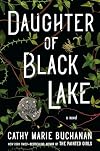
I requested an ARC of Daughter of Black Lake because I loved the author's first novel, The Painted Girls. In other words, I went into reading Daughter of Black Lake with a lot of assumptions. The first part of my reading process was disappointing because for the most part I was letting go of those assumptions and embracing the book for what it is. Once I embraced the book for what it is, I found it a deeply engaging read: one of those "just one more chapter" books that leave once exhauted show more and bleary-eyed the next morning.
Daughter of Black Lake is set in Britain during the Roman occupation. The Romans aren't much of a presence around Black Lake, a tiny hamlet perched at the edge of a bog, but the knowledge that they could appear at any moment shapes much of the narrative. Some people in Black Lake see the occupation as an opportunity: to learn new skills, to move beyond their old boundaries, and to make money. Others see the occupation as a threat to their entire lifeway, which is shaped by by Druid beliefs and practices.*
Hobble, the book's central narrator, is simultaneously less-than and more-than those she lives with. As her name suggests, she disabled, though not significantly. She walks with a limp, but her father has taught her her to run, and she's a swift as anyone else just a bit more ungainly. And in this Druid world, where the runts and imperfect animals are chosen for sacrifice, disability puts one at specific risk: there haven't been any human sacrifices in a generation, but those with weaknesses know that, if that changes, they may be the ones paying with their lives. At the same time, Hobble is a Seer. She'll be stopped in her tracks by a flash of blinding white light only she can see, then finds herself viewing images of some future event or location. This is primarily a pragmatic skill: she knows where clusters of mushrooms grow hidden, she easily collects plants for her work as a healer, she sometimes plays with her friends telling them where they'll find a particular stone or other item. But Hobble can't choose what she'll see or when she sees it, so when others want her to use this gift for a specific purpose, she can't.
Smith and Devout, Hobble's parents, have a relationship at once loving and distant. They hold secrets from one another, and neither fully knows the other. With her gifts, Hobble sees each of them more clearly than they see the other, but Hobble's understanding of their relationship remains incomplete.
The plot is moved along by the arrival of a Druid priest determined to inspire the villagers to a final uprising against the Romans. He's keeping a close eye on Hobble and her family, who can't be sure whether this attention reflects respect for her gift or disdain that might lead to Hobble being seen as a candidate for sacrifice.
What I particularly enjoyed about this novel is the way the two narratives—Hobble's growing understanding of her parents and the tensions the Druid's presence creates in Black Lake—play out in tandem, making the book simultaneously mythic and very human in scale.
I strongly recommend this title, which rewards readers on multiple levels. You may find the start a bit slow, but trust that you'll be caught up in the novel's tale and characters if you just keep reading.
I received a free electronic review copy of this title from the publisher via NetGalley. The opinions are my own.
*(Note: I know next to nothing about the actual Druid faith and Druid practices. Buchanan clearly did due diligence in depicting this world, but I can't tell you how well her depiction lines up with historical reality. If you've read this book and know more than I do about historical Druid identity, please leave a comment. I'd love to read your thoughts.) show less
Daughter of Black Lake is set in Britain during the Roman occupation. The Romans aren't much of a presence around Black Lake, a tiny hamlet perched at the edge of a bog, but the knowledge that they could appear at any moment shapes much of the narrative. Some people in Black Lake see the occupation as an opportunity: to learn new skills, to move beyond their old boundaries, and to make money. Others see the occupation as a threat to their entire lifeway, which is shaped by by Druid beliefs and practices.*
Hobble, the book's central narrator, is simultaneously less-than and more-than those she lives with. As her name suggests, she disabled, though not significantly. She walks with a limp, but her father has taught her her to run, and she's a swift as anyone else just a bit more ungainly. And in this Druid world, where the runts and imperfect animals are chosen for sacrifice, disability puts one at specific risk: there haven't been any human sacrifices in a generation, but those with weaknesses know that, if that changes, they may be the ones paying with their lives. At the same time, Hobble is a Seer. She'll be stopped in her tracks by a flash of blinding white light only she can see, then finds herself viewing images of some future event or location. This is primarily a pragmatic skill: she knows where clusters of mushrooms grow hidden, she easily collects plants for her work as a healer, she sometimes plays with her friends telling them where they'll find a particular stone or other item. But Hobble can't choose what she'll see or when she sees it, so when others want her to use this gift for a specific purpose, she can't.
Smith and Devout, Hobble's parents, have a relationship at once loving and distant. They hold secrets from one another, and neither fully knows the other. With her gifts, Hobble sees each of them more clearly than they see the other, but Hobble's understanding of their relationship remains incomplete.
The plot is moved along by the arrival of a Druid priest determined to inspire the villagers to a final uprising against the Romans. He's keeping a close eye on Hobble and her family, who can't be sure whether this attention reflects respect for her gift or disdain that might lead to Hobble being seen as a candidate for sacrifice.
What I particularly enjoyed about this novel is the way the two narratives—Hobble's growing understanding of her parents and the tensions the Druid's presence creates in Black Lake—play out in tandem, making the book simultaneously mythic and very human in scale.
I strongly recommend this title, which rewards readers on multiple levels. You may find the start a bit slow, but trust that you'll be caught up in the novel's tale and characters if you just keep reading.
I received a free electronic review copy of this title from the publisher via NetGalley. The opinions are my own.
*(Note: I know next to nothing about the actual Druid faith and Druid practices. Buchanan clearly did due diligence in depicting this world, but I can't tell you how well her depiction lines up with historical reality. If you've read this book and know more than I do about historical Druid identity, please leave a comment. I'd love to read your thoughts.) show less
I loved the premise of the book: historical Paris and the art work of Degas. I'm not familiar with ballet and cannot read French so sometimes the language/wording just didn't flow smoothly for me. Thus, it took me a while to get pulled into the story. The first "insert" from the newspaper "Le Figaro" was a puzzlement. As the story developed, I liked that technique.
The story of three sisters living with an addicted mother in artsy Paris in the late 1800's is an interesting basis for a show more historical novel. I especially felt the relationship between the girls to be quite believable as the stress of poverty, ballet, and blossoming adolescence happened to all but at different times; younger sisters depending on the older sisters; the older sisters feeling guilt and responsibility yet wanting freedom for those responsibilities. Antoinette makes some terrible choices and has a terrible realty to face. Marie also makes what at first seems to be wiser choices but later is also pulled into situations beyond her capabilities of handling. Young Charlotte is the least known of the sisters, but the reader is obviously aware of the effects her sisters' choices have on her. The character of Lefebvre is so disgusting and the position Marie finds herself in is heartbreaking; one can only wonder and be saddened about how demeaning women have been treated in the past. I know this novel will definitely be on my mind any time I visit any art museum.
I did think the "conversion" of Antoinette was a bit of a stretch and there seemed to be too much of a gap between the last chapters. The ending, although I like an ending when all the loose ends are wrapped up, might seem just a bit too neatly done.
Reading this did make me very curious about Degas, Zola, and Cesare Lombroso. Thank Google for quick background information and images which made this novel even more meaningful. In short, a good read that combines history, art, and fiction. show less
The story of three sisters living with an addicted mother in artsy Paris in the late 1800's is an interesting basis for a show more historical novel. I especially felt the relationship between the girls to be quite believable as the stress of poverty, ballet, and blossoming adolescence happened to all but at different times; younger sisters depending on the older sisters; the older sisters feeling guilt and responsibility yet wanting freedom for those responsibilities. Antoinette makes some terrible choices and has a terrible realty to face. Marie also makes what at first seems to be wiser choices but later is also pulled into situations beyond her capabilities of handling. Young Charlotte is the least known of the sisters, but the reader is obviously aware of the effects her sisters' choices have on her. The character of Lefebvre is so disgusting and the position Marie finds herself in is heartbreaking; one can only wonder and be saddened about how demeaning women have been treated in the past. I know this novel will definitely be on my mind any time I visit any art museum.
I did think the "conversion" of Antoinette was a bit of a stretch and there seemed to be too much of a gap between the last chapters. The ending, although I like an ending when all the loose ends are wrapped up, might seem just a bit too neatly done.
Reading this did make me very curious about Degas, Zola, and Cesare Lombroso. Thank Google for quick background information and images which made this novel even more meaningful. In short, a good read that combines history, art, and fiction. show less
Lists
Dance! (1)
First Novels (1)
Awards


You May Also Like


Associated Authors
Statistics
- Works
- 4
- Members
- 2,416
- Popularity
- #10,608
- Rating
- 3.7
- Reviews
- 250
- ISBNs
- 55
- Languages
- 3
- Favorited
- 2

