
Zoë Wicomb (1948–2025)
Author of You Can't Get Lost in Cape Town
About the Author
Works by Zoë Wicomb
Associated Works
The Art of the Story: An International Anthology of Contemporary Short Stories (1999) — Contributor — 395 copies, 5 reviews
Tagged
Common Knowledge
- Canonical name
- Wicomb, Zoë
- Legal name
- Wicomb, Zoë Charlotte
- Birthdate
- 1948-11-23
- Date of death
- 2025-10-13
- Gender
- female
- Education
- University of the Western Cape (BA)
University of Reading (BA)
University of Strathclyde (Mx) - Occupations
- professor
novelist
short story writer - Organizations
- University of the Western Cape
University of Strathclyde - Awards and honors
- Windham–Campbell Literature Prize (2013)
- Agent
- The Marsh Agency
- Relationships
- Palmer, Roger (-1, life partner, spouse)
- Nationality
- South Africa
- Birthplace
- Vanrhynsdorp, Namaqualand, South Africa
- Places of residence
- Cape Town, South Africa
Nottingham, Nottinghamshire, England, UK
Glasgow, Scotland, UK - Associated Place (for map)
- South Africa
Members
Reviews
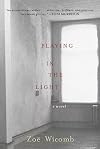
It’s so long since I bought this novel (at what prompt, I wonder?) that it came as a surprise. It’s the second novel of the late South-African born UK resident Zoë Wicomb, and it tells the story of Marion, the daughter of parents classified as ‘Coloured’ in apartheid South Africa, who had ‘passed’ as White since before she was born.
People who did this in South Africa, were called ‘play-whites’, a deceptively light-hearted term but the subterfuge was deadly earnest. People show more chose to over-ride the arbitrary classifications of the Population Registration Act of 1950 so that they could access the benefits of a racist society, but the personal cost was profound: a traumatic loss of identity; of family, of culture and traditions; and a sense of belonging. And when apartheid South Africa transitioned into the ‘new’ multiracial South Africa, the personal cost also included guilt and shame when secrets kept for decades were revealed.
Marion’s has been an unhappy life, because the strain of living a lie made her parents’ marriage bitter, and Marion — wholly ignorant of her origins — grows up estranged from all her family and anyone who might give the game away. When she finds out, she is blindsided by the impact on her identity, and furious with her father.
Wicomb treads a fine line between depicting Marion’s reality and avoiding opportunities to create her as a sympathetic character. The reader is not meant to like her or feel sorry for her; but she is meant to represent the consequences of opportunistic decisions made in the immediate aftermath of being suddenly classified into rigid racial categories.
To read the rest of my review please visit https://anzlitlovers.com/2026/07/16/playing-in-the-light-2006-by-zoe-wicomb/ show less
People who did this in South Africa, were called ‘play-whites’, a deceptively light-hearted term but the subterfuge was deadly earnest. People show more chose to over-ride the arbitrary classifications of the Population Registration Act of 1950 so that they could access the benefits of a racist society, but the personal cost was profound: a traumatic loss of identity; of family, of culture and traditions; and a sense of belonging. And when apartheid South Africa transitioned into the ‘new’ multiracial South Africa, the personal cost also included guilt and shame when secrets kept for decades were revealed.
Marion’s has been an unhappy life, because the strain of living a lie made her parents’ marriage bitter, and Marion — wholly ignorant of her origins — grows up estranged from all her family and anyone who might give the game away. When she finds out, she is blindsided by the impact on her identity, and furious with her father.
Wicomb treads a fine line between depicting Marion’s reality and avoiding opportunities to create her as a sympathetic character. The reader is not meant to like her or feel sorry for her; but she is meant to represent the consequences of opportunistic decisions made in the immediate aftermath of being suddenly classified into rigid racial categories.
To read the rest of my review please visit https://anzlitlovers.com/2026/07/16/playing-in-the-light-2006-by-zoe-wicomb/ show less
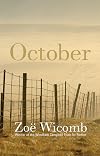
well-wrought literary novel about family secrets, choices about childrearing and relationships between women and between women and men. mercia is accomplished, intelligent and childfree, and reeling after a breakup with a long-term boyfriend who decided he wanted children after all. she returns to south africa from her exile life in scotland to confront/help her wayward brother and his family, which is riddled with secrets and shame. i love how wicomb draws merica as flawed and full of show more herself at the same time that she struggles for love and to love. more people should read zoe wicomb. show less
"Playing in the light' is/was a South African expression equivalent to 'passing for white'. This happened very often when a light skinned "Coloured" person could re-invent themselves as a white person with all the benefits that being white conferred. Marion Campbell, the protagonist of the novel, is a young white business woman who has founded her own successful travel agency. Her mother, with whom she had had a rocky relationship, is dead and her elderly father lives alone in the family show more home where Marion keeps an eye on him, providing food, help and support. The book starts in 1990s SA, Apartheid has been toppled, the Truth and Reconciliation Hearings are slowly but surely uncovering the wrong-doings which occured since the Nationalist Party came into power at the end of WW2. The story jumps back to the early life of Marion's parents, how they moved from the countryside to Cape Town and the life they forged for themselves there; Marion, in the 1990s is beginning to realise that her family has secrets she didn't know, and that who she thought she was may not be true. Little by little she uncovers the skeletons in the family closet, and with some difficulty comes to discover who she actually is.
From the aspect of 'playing in the light' it is a powerful description of the warped country SA became under the tyranny of the Afrikaanse government, and how it affected the entire population in so many subtle and not-so subtle ways. Having said that, although much of the writing is absolutely beautiful (describing the night sky in the city as being a 'brown marmalade' colour unlike the magnificent clarity of country skies), the story is very strung out, with episodes that sound autobiographical but which don't really move the plot forwards. Some of the characters are very real, but I found Marion a bit strange and enigmatic, couldn't even work out how old she was.
There is a real sense of place in the novel, as Cape Town is portrayed so clearly, with the geographical proximity of living near or far from the mountain echoing the racial divides of society;
The book badly needs a glossary as the author uses a lot of Afrikaans and also the Cape Coloured and Boer patois as well as SA English slang. With out knowledge of these, the reader misses out a great deal. show less
From the aspect of 'playing in the light' it is a powerful description of the warped country SA became under the tyranny of the Afrikaanse government, and how it affected the entire population in so many subtle and not-so subtle ways. Having said that, although much of the writing is absolutely beautiful (describing the night sky in the city as being a 'brown marmalade' colour unlike the magnificent clarity of country skies), the story is very strung out, with episodes that sound autobiographical but which don't really move the plot forwards. Some of the characters are very real, but I found Marion a bit strange and enigmatic, couldn't even work out how old she was.
There is a real sense of place in the novel, as Cape Town is portrayed so clearly, with the geographical proximity of living near or far from the mountain echoing the racial divides of society;
The book badly needs a glossary as the author uses a lot of Afrikaans and also the Cape Coloured and Boer patois as well as SA English slang. With out knowledge of these, the reader misses out a great deal. show less

Poetic - and yet not my cup of tea at all,, 29 January 2015
This review is from: YOU CAN'T GET LOST IN CAPETOWN (Paperback)
Published in 1987, this is a series of ten vignettes of life in S Africa. All ten are narrated by the same character, Frieda Shenton, a 'respectable Coloured', and are little chronological glimpses into her life in the apartheid state.
I found it difficult to review this book: Ms Wicomb's writing is poetic with threads of deeper meaning, and yet I didn't find it at all show more interesting. I use the word 'vignettes' rather than 'stories' as many of them didn't seem to be the latter.
Ten out of ten for creative writing, but I was glad to get to the end! show less
This review is from: YOU CAN'T GET LOST IN CAPETOWN (Paperback)
Published in 1987, this is a series of ten vignettes of life in S Africa. All ten are narrated by the same character, Frieda Shenton, a 'respectable Coloured', and are little chronological glimpses into her life in the apartheid state.
I found it difficult to review this book: Ms Wicomb's writing is poetic with threads of deeper meaning, and yet I didn't find it at all show more interesting. I use the word 'vignettes' rather than 'stories' as many of them didn't seem to be the latter.
Ten out of ten for creative writing, but I was glad to get to the end! show less
Awards


You May Also Like


Associated Authors
Statistics
- Works
- 10
- Also by
- 8
- Members
- 433
- Popularity
- #56,453
- Rating
- 3.7
- Reviews
- 9
- ISBNs
- 43
- Languages
- 7