
Morgan Robertson (1861–1915)
Author of The Wreck of the Titan
About the Author
Image credit: Image from Morgan Robertson, the man (New York: McClure's Magazine, 1915)
Works by Morgan Robertson
Associated Works
Isaac Asimov's Magical Worlds of Fantasy, Volume 11: Curses (1939) — Contributor — 59 copies, 1 review
Cetus Insolitus: Sea Serpents, Giant Cephalopods, and Other Marine Monsters in Classic Science Fiction and Fantasy (2008) — Contributor — 2 copies
Tagged
Common Knowledge
- Birthdate
- 1861-09-30
- Date of death
- 1915-03-24
- Gender
- male
- Nationality
- USA
- Birthplace
- Oswego, New York, USA
- Place of death
- Atlantic City, New Jersey, USA
- Associated Place (for map)
- USA
Members
Reviews
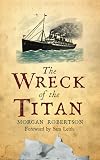
A short, short book – 80 pages and pacey – with the sole claim to fame that, fourteen years before the Titanic disaster of April 1912, it told the story of a grand, hubristic ocean liner called the Titan which, in the author's words, was "considered practically unsinkable" (pg. 4). Proceeding at full-steam across the North Atlantic in April, it hits an iceberg which causes its watertight compartments to flood and the ship sinks. The loss of life is exacerbated by the insufficient number show more of lifeboats.
Pretty eerie, isn't it – but, in truth, that's all you need to know. The coincidences can merit a quick little Google search to satisfy your curiosity, but that's as far as the book's worth goes. In fact, the Titan and its sinking forms only a small part of this already-short book, and a strange part at that. When you assess and review the book itself and ask whether readers should approach it on its own merits – rather than as a footnote in a Titanic history or an internet listicle – the answer unfortunately has to be a resounding 'no'.
Once the small parts about the Titan itself are accounted for, the rest of the book plunges into clunky melodrama. The dialogue is rotten, the characters tepid and the structure of the story amateurish. Author Morgan Robertson is clearly striving for a moral to the story, but it is laboured and sketchy. More words are given to a post-sinking plotline about insurance fraud, with various suits arguing over points of law, than to the sinking which is the only thing that would capture modern readers' interest. There is a nonsensical romantic plotline and, after the sinking, the book's protagonist is marooned on the iceberg – stoned on hashish – and fights a polar bear. Yes, really. It's a mess. The book is very short (a good thing too, as it is not very good) but almost so short that it reads like a summary of a story than a story.
All of this, to be honest, is irrelevant. No-one reading this book nowadays will be looking for a great little read. They will be looking to satisfy a Titanic-based curiosity. This book is one, and you can knock it out in no time. That is all. show less
Pretty eerie, isn't it – but, in truth, that's all you need to know. The coincidences can merit a quick little Google search to satisfy your curiosity, but that's as far as the book's worth goes. In fact, the Titan and its sinking forms only a small part of this already-short book, and a strange part at that. When you assess and review the book itself and ask whether readers should approach it on its own merits – rather than as a footnote in a Titanic history or an internet listicle – the answer unfortunately has to be a resounding 'no'.
Once the small parts about the Titan itself are accounted for, the rest of the book plunges into clunky melodrama. The dialogue is rotten, the characters tepid and the structure of the story amateurish. Author Morgan Robertson is clearly striving for a moral to the story, but it is laboured and sketchy. More words are given to a post-sinking plotline about insurance fraud, with various suits arguing over points of law, than to the sinking which is the only thing that would capture modern readers' interest. There is a nonsensical romantic plotline and, after the sinking, the book's protagonist is marooned on the iceberg – stoned on hashish – and fights a polar bear. Yes, really. It's a mess. The book is very short (a good thing too, as it is not very good) but almost so short that it reads like a summary of a story than a story.
All of this, to be honest, is irrelevant. No-one reading this book nowadays will be looking for a great little read. They will be looking to satisfy a Titanic-based curiosity. This book is one, and you can knock it out in no time. That is all. show less
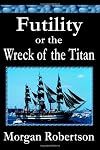
The Wreck of the Titan (Futility): Stays afloat even after 120 years
I read the 1912 ‘Autograph Edition’ of Morgan Robertson’s short stories/novellas collection. It was quite good considering its age. I enjoyed the entire 4 story collection (some more than others), but will focus on the longest and namesake novella here (from 1898)-
In The Wreck of the Titan: Lieutenant John Rowland is on a several year bender after being rejected by a maiden, wanting nothing of him. After learning he is show more an Athiest, she feared his ‘evil blood’ and sent him packing. Rowland crews several boats and drinks his pay from port to port.
Rowland drunkenly stands aboard the ‘unsinkable’ Titan, watching for any object ahead which could decrease structural integrity of the ship if plowed through at full velocity.
After the Titan carves through a small craft murdering all aboard, Rowland begins to mentally sober up. When provoked and bribed, he stands his ground, sees fit to put the Titan’s Captain in a paupers prison. The Captain has a different plan, drugging Rowland on the job to discredit him and ruin him.
I was brought to this public domain book by an internet meme. I was presented with a picture of a boat and a ‘creepy fact’ that this fiction book ‘predicted’ the sinking of the Titanic, 14 years before its fatal accident. Speculation of coincidences lead to a bunch of nonsense. The only real coincidence is the name ‘Titan’.
People should read this for what it is. A time capsule from a time when distance and time kept drunken sailors searching for an improved mousetrap and financial glory. Unsinkable boats and the risk/reward they brought were likely a hot topic for seafaring entrepanuers as a form of near-future scifi. Robertson, being son of a captain and a 33 year merchant marine had as much time as any to dream up an infallible monolith, only one of many which were dreamed up and forgotten in a drunken fog.
The unsinkable ship was a pipe dream. The iceberg was a boogeyman in a pre-radar world. Lieutenant John Rowland is a mess of anti-god man logic who deserves his own movie. show less
I read the 1912 ‘Autograph Edition’ of Morgan Robertson’s short stories/novellas collection. It was quite good considering its age. I enjoyed the entire 4 story collection (some more than others), but will focus on the longest and namesake novella here (from 1898)-
In The Wreck of the Titan: Lieutenant John Rowland is on a several year bender after being rejected by a maiden, wanting nothing of him. After learning he is show more an Athiest, she feared his ‘evil blood’ and sent him packing. Rowland crews several boats and drinks his pay from port to port.
Rowland drunkenly stands aboard the ‘unsinkable’ Titan, watching for any object ahead which could decrease structural integrity of the ship if plowed through at full velocity.
After the Titan carves through a small craft murdering all aboard, Rowland begins to mentally sober up. When provoked and bribed, he stands his ground, sees fit to put the Titan’s Captain in a paupers prison. The Captain has a different plan, drugging Rowland on the job to discredit him and ruin him.
I was brought to this public domain book by an internet meme. I was presented with a picture of a boat and a ‘creepy fact’ that this fiction book ‘predicted’ the sinking of the Titanic, 14 years before its fatal accident. Speculation of coincidences lead to a bunch of nonsense. The only real coincidence is the name ‘Titan’.
People should read this for what it is. A time capsule from a time when distance and time kept drunken sailors searching for an improved mousetrap and financial glory. Unsinkable boats and the risk/reward they brought were likely a hot topic for seafaring entrepanuers as a form of near-future scifi. Robertson, being son of a captain and a 33 year merchant marine had as much time as any to dream up an infallible monolith, only one of many which were dreamed up and forgotten in a drunken fog.
The unsinkable ship was a pipe dream. The iceberg was a boogeyman in a pre-radar world. Lieutenant John Rowland is a mess of anti-god man logic who deserves his own movie. show less
For years I have heard about this book. Many say this fictional tale about the sinking of a great ship, the Titan, mirrors the wreck of the Titanic in 1912. This fact is astounding because the book was written in 1898, 14 years before the Titanic sank after striking an iceberg. Robertson said the similarities were not because of clairvoyance on his part, but due to his knowledge of sailing and ship building trends.
The book was re-released in 1912 following the Titanic sinking, causing some show more to say Robertson was cashing in on the disaster. There were a few minor changes made in the 1912 re-print. For example, the weight of the Titan was increased in the 1912 version to better match the size of the Titanic. But, large changes in plot were not made. The coincidences between the fictionalized story of the Titan and the real life sinking of the Titanic are eerie. Both ships are British and quite opulent. Both sank in April in the Northern Atlantic after striking an iceberg on the starboard side. Both sank near midnight and had too few lifeboats. One notable difference: The fictional Titan only had 13 survivors, whereas 705 passengers aboard the Titanic survived the accident.
Despite being intrigued by the rumors surrounding this book for years, I never took time to actually read it.
Until now. And I'm so glad I did!
Of course, the language and writing style is dated, but Futility is still an enjoyable read. The book is short and a quick, exciting read. Despite the many similarities to the Titanic disaster, I think this is a wonderful adventure story that should be judged on its own merits.
The basics: John Rowland is a sailor down on his luck. He was demoted from an officer's position due to drinking and is sailing on the Titan as a common sailor. The ship is sailing from America to Ireland. On the first night at sea, the ship strikes another vessel, cutting it in two. Taking little to no damage herself, the Titan continues on its way, not stopping to attempt to save anyone from the sinking vessel. Officers on the Titan immediately start damage control.....looking for anyone who might have seen the accident and bribing (or threatening) them into silence. Rowland refuses to be bribed and says he will report the actions of the officers as soon as they reach port. The officers plan to discredit him before they reach port given his history of drunkenness. However, before they can attempt more than drugging the man into a stupor, the ship violently strikes an iceberg, listing and sinking almost immediately. Only 13 people make it off the ship alive. Rowland is stranded on the iceberg with a little girl, the daughter of a former love interest of his who happened to be a passenger on the Titan with her husband. Rowland braves a polar bear attack and extreme cold while stranded at sea -- and wily attorneys, stock holders, insurance companies, and even reporters after they are rescued. What an exciting story! The antiquated, larger than life, adventure story style Robertson uses to weave his tale reminds me a lot of the Edgar Rice Burroughs Tarzan books. While I was doing some research before writing this review, I found out that Burroughs was actually inspired by Robertson's writings! :)
So, although the story is similar to the Titanic disaster, most of it is completely different. It is still eerie that the ships are so alike. But as Robertson stated himself, it isn't because of anything supernatural but just a coincidence stemming from his knowledge of shipping, trends in shipbuilding and sailing. Read this story for the joy of adventure and the sea, not from a need to relate it to the Titanic disaster.
As in most larger-than-life old school adventure tales, this story is not realistic. I don't believe anyone on a ship would be oblivious to the fact it collided with another vessel, cutting it in half. The story relates that most of the passengers were asleep and not awakened. Not possible. The iceberg that Rowland and the little girl are stranded on seems to be huge....much larger than possible, really. And I doubt a polar bear would be on an iceberg 900 miles off the American coast, but I could be wrong. I'm not a polar bear or iceberg expert. In this instance, I just chose to suspend reality and go with the flow. It's a very testosterone-y, macho, man-against-the-elements-and-evil-assholes kind of story.....and if Robertson wanted a polar bear to be on a huge freakin' iceberg in the middle of the North Atlantic, then so be it. I'm all for it! Sometimes you just have to enjoy the adventure and forget about how things really work. :)
As it is in the public domain after nearly 120 years, the full text of the novel (and also the book The Pirates, also by Robertson) is available for free online here: https://archive.org/details/wrecktitanorfut01robegoog Look for the Download Options heading and pick what format you'd like to use. I loaded a copy onto my Kindle App on my Iphone and PC quite easily. There are many websites that list the similarities between the two ships, information on Robertson, and about the construction and sinking of the Titanic. I found a nice comparison of the book to the Titanic sinking here: http://www.historyonthenet.com/the-titanic-futility/ . There are also some nice links to Titanic facts at the bottom of that page.
Robertson wrote more than 100 books and short stories before his death in 1915. Unfortunately, most people are only familiar with Futility. After reading this one story, I'm going to find more by this author and enjoy some more adventures! The Grain Ship and Where Angels Fear To Tread & Other Stories Of The Sea are available for free through Project Gutenberg. show less
The book was re-released in 1912 following the Titanic sinking, causing some show more to say Robertson was cashing in on the disaster. There were a few minor changes made in the 1912 re-print. For example, the weight of the Titan was increased in the 1912 version to better match the size of the Titanic. But, large changes in plot were not made. The coincidences between the fictionalized story of the Titan and the real life sinking of the Titanic are eerie. Both ships are British and quite opulent. Both sank in April in the Northern Atlantic after striking an iceberg on the starboard side. Both sank near midnight and had too few lifeboats. One notable difference: The fictional Titan only had 13 survivors, whereas 705 passengers aboard the Titanic survived the accident.
Despite being intrigued by the rumors surrounding this book for years, I never took time to actually read it.
Until now. And I'm so glad I did!
Of course, the language and writing style is dated, but Futility is still an enjoyable read. The book is short and a quick, exciting read. Despite the many similarities to the Titanic disaster, I think this is a wonderful adventure story that should be judged on its own merits.
The basics: John Rowland is a sailor down on his luck. He was demoted from an officer's position due to drinking and is sailing on the Titan as a common sailor. The ship is sailing from America to Ireland. On the first night at sea, the ship strikes another vessel, cutting it in two. Taking little to no damage herself, the Titan continues on its way, not stopping to attempt to save anyone from the sinking vessel. Officers on the Titan immediately start damage control.....looking for anyone who might have seen the accident and bribing (or threatening) them into silence. Rowland refuses to be bribed and says he will report the actions of the officers as soon as they reach port. The officers plan to discredit him before they reach port given his history of drunkenness. However, before they can attempt more than drugging the man into a stupor, the ship violently strikes an iceberg, listing and sinking almost immediately. Only 13 people make it off the ship alive. Rowland is stranded on the iceberg with a little girl, the daughter of a former love interest of his who happened to be a passenger on the Titan with her husband. Rowland braves a polar bear attack and extreme cold while stranded at sea -- and wily attorneys, stock holders, insurance companies, and even reporters after they are rescued. What an exciting story! The antiquated, larger than life, adventure story style Robertson uses to weave his tale reminds me a lot of the Edgar Rice Burroughs Tarzan books. While I was doing some research before writing this review, I found out that Burroughs was actually inspired by Robertson's writings! :)
So, although the story is similar to the Titanic disaster, most of it is completely different. It is still eerie that the ships are so alike. But as Robertson stated himself, it isn't because of anything supernatural but just a coincidence stemming from his knowledge of shipping, trends in shipbuilding and sailing. Read this story for the joy of adventure and the sea, not from a need to relate it to the Titanic disaster.
As in most larger-than-life old school adventure tales, this story is not realistic. I don't believe anyone on a ship would be oblivious to the fact it collided with another vessel, cutting it in half. The story relates that most of the passengers were asleep and not awakened. Not possible. The iceberg that Rowland and the little girl are stranded on seems to be huge....much larger than possible, really. And I doubt a polar bear would be on an iceberg 900 miles off the American coast, but I could be wrong. I'm not a polar bear or iceberg expert. In this instance, I just chose to suspend reality and go with the flow. It's a very testosterone-y, macho, man-against-the-elements-and-evil-assholes kind of story.....and if Robertson wanted a polar bear to be on a huge freakin' iceberg in the middle of the North Atlantic, then so be it. I'm all for it! Sometimes you just have to enjoy the adventure and forget about how things really work. :)
As it is in the public domain after nearly 120 years, the full text of the novel (and also the book The Pirates, also by Robertson) is available for free online here: https://archive.org/details/wrecktitanorfut01robegoog Look for the Download Options heading and pick what format you'd like to use. I loaded a copy onto my Kindle App on my Iphone and PC quite easily. There are many websites that list the similarities between the two ships, information on Robertson, and about the construction and sinking of the Titanic. I found a nice comparison of the book to the Titanic sinking here: http://www.historyonthenet.com/the-titanic-futility/ . There are also some nice links to Titanic facts at the bottom of that page.
Robertson wrote more than 100 books and short stories before his death in 1915. Unfortunately, most people are only familiar with Futility. After reading this one story, I'm going to find more by this author and enjoy some more adventures! The Grain Ship and Where Angels Fear To Tread & Other Stories Of The Sea are available for free through Project Gutenberg. show less
One April night over a century ago, the world's largest ocean liner, on her maiden voyage, despite her reputation as unsinkable, strikes an iceberg and sinks with a massive loss of life. This book, in part, is her story. What makes it of note? The story was written years before the sinking of the Titanic in 1912. The fictional ship, the Titan, has almost the same name as the real-life vessel. Morgan Robertson's story is far better known now because of the eerie similarities with the tale of show more the Titanic than for its literary merit. Similarities aside, the story of the Titan is just that, a short story, not a novel, and most of it does not even deal with the actual shipwreck. But that doesn't keep it from being a fascinating read. Author Robertson writes in the somewhat florid style of fin-de-siécle adventure literature familiar to readers of Conan Doyle and (later) Edgar Rice Burroughs (though Robertson is nowhere near being the writer they are). The rest of the book is filled with three other stories with a nautical bent, one of them almost as eerily predictive of Japan's war with America in the Pacific nearly a half century later. They are all interesting adventure yarns with some real humanity involved. We're not talking Balzac here, but this collection of stories has a strange appeal, especially, I expect, to those who don't believe in coincidence. show less
Lists
You May Also Like


Associated Authors
Statistics
- Works
- 16
- Also by
- 9
- Members
- 429
- Popularity
- #56,933
- Rating
- 3.4
- Reviews
- 16
- ISBNs
- 116
- Languages
- 8
- Favorited
- 1