
Silvia Avallone
Author of Swimming to Elba
About the Author
Works by Silvia Avallone
Cœur noir (French Edition) 3 copies
Svart hj©Þrta 2 copies
Avallone Silvia 1 copy
Tagged
Common Knowledge
- Birthdate
- 1984-04-11
- Gender
- female
- Nationality
- Italy
- Birthplace
- Biella, Italy
- Places of residence
- Bologna, Italy
- Associated Place (for map)
- Italy
Members
Reviews
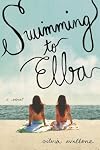
I picked up Swimming to Elba by Silvia Avallone (trans. by Antony Shuggar) because I read somewhere that everyone in Europe was raving about it and there were only 2 holds ahead of me at the library for it (and I am an incessant hoarder of library books, which I have mentioned elsewhere, so when I see a book that people are talking about with few if any holds on it, I must immediately have it). The book is centered around two Italian girls, one blond and the other brunette, both beautiful, show more the summer they turn 14. Their town, Poimbino, is dominated and in turn centered around a giant but dying steel plant. The novel takes place in early 2000-2001 (the Italians’ take on 9/11 is amusing), and though well before the economic crash of 2008 and later, Poimbino is clearly on the verge of its own economic crash. Glittering just a few miles off-shore is the rich, tourist island of Elba, always visible, but always just out of reach for the novel’s sometimes gritty, usually desperate, and frequently frustrated characters. In many ways this is a classic bildungsroman, but it’s also an indictment of socialism, capitalism, class, and gender stereotypes (however much it fails at the latter).
The two girls, Anna (brunette) and Francesca (blonde) are inseparable best friends. They live one floor up from each other in massive, concrete city-owned housing projects. Anna’s father is a wanna-be Godfather while Francesca’s is a great brute of a man who beats both Francesca and her mother. The novel opens with a scintillating description of the girls in their newly developed, scantily clad bodies frolicking on the beach and flirting with the older boys, all as seen through Francesca’s father’s binoculars and told through his POV. Creepy. While there are beautiful passages and cinematic scenes, that opening really sets the tone for the entire novel, but gets progressively worse and more and more depressing as the girls’ relationship crumbles and they each get caught up in the adult world of sex. Books like this are why I generally stay away from modern literary realism.
The jacket describes the book as a “lightening-rod for discussion” in Europe and a strong criticism of the Leftist, Socialist ideal of the happy proletariat in Italy. I can see that, and I get what Avallone is trying to do here, if what the jacket says is true, and I applaud her for doing so. That doesn’t make me like the book any more than I do. There are a few reasons for my general dislike. The first is technical: Avallone uses the third person omniscient POV, which allows her to jump into the head of whoever she wishes, which she does quite frequently. Therein lies the problem. While most writers that I’ve read who use this narrative technique do so with ease, Avallone’s continual head-hopping is confusing, especially when she does it in the middle of a paragraph using only gender pronouns, when the scene includes several members of that gender whose head she’s already been in and could be in again. I frequently wasn’t sure whose head I was in at a given moment, which continually forced me out of the narrative, instead of keeping me locked in an otherwise engrossingly real world.
The second issue I had with the novel was its treatment and view of women. That the opening description of the girls is given through the highly sexualized gaze of one of their fathers is creepy and gut-tumbling enough, but the book is drenched with more and more of it. All of the men in the book are possessive, nearly misogynistic assholes who see women (or rather 13 and 14 year old girls) as nothing more than a good or bad fuck at best, and inhuman house slaves at worst. The women frequently seem to see themselves in these terms as well, and the young ones do what they can as soon as they get tits to look like a good fuck so they can get married to one of the charming assholes from the steel plant and become a house slave later on.
There is so little hope in this book, and what bright spot there is is imperiled half-way through. I don’t doubt that this may be what life in a small costal city dominated by a dying industry in Italy looks like; her depiction of life there was so thorough it began to bleed into my own view of Seattle and for that I hate the book a little bit. But in the same way I get what it’s like to look at something shining and shimmering that is close enough to touch but is always just out of reach. I think anyone who reads this book would (unless they were reading it on the white beach of Elba), and for that level of realism, that level of detail that can suck you right in and make you part of that world, I give the book and its author my respect. Final verdict: read at your own risk. show less
The two girls, Anna (brunette) and Francesca (blonde) are inseparable best friends. They live one floor up from each other in massive, concrete city-owned housing projects. Anna’s father is a wanna-be Godfather while Francesca’s is a great brute of a man who beats both Francesca and her mother. The novel opens with a scintillating description of the girls in their newly developed, scantily clad bodies frolicking on the beach and flirting with the older boys, all as seen through Francesca’s father’s binoculars and told through his POV. Creepy. While there are beautiful passages and cinematic scenes, that opening really sets the tone for the entire novel, but gets progressively worse and more and more depressing as the girls’ relationship crumbles and they each get caught up in the adult world of sex. Books like this are why I generally stay away from modern literary realism.
The jacket describes the book as a “lightening-rod for discussion” in Europe and a strong criticism of the Leftist, Socialist ideal of the happy proletariat in Italy. I can see that, and I get what Avallone is trying to do here, if what the jacket says is true, and I applaud her for doing so. That doesn’t make me like the book any more than I do. There are a few reasons for my general dislike. The first is technical: Avallone uses the third person omniscient POV, which allows her to jump into the head of whoever she wishes, which she does quite frequently. Therein lies the problem. While most writers that I’ve read who use this narrative technique do so with ease, Avallone’s continual head-hopping is confusing, especially when she does it in the middle of a paragraph using only gender pronouns, when the scene includes several members of that gender whose head she’s already been in and could be in again. I frequently wasn’t sure whose head I was in at a given moment, which continually forced me out of the narrative, instead of keeping me locked in an otherwise engrossingly real world.
The second issue I had with the novel was its treatment and view of women. That the opening description of the girls is given through the highly sexualized gaze of one of their fathers is creepy and gut-tumbling enough, but the book is drenched with more and more of it. All of the men in the book are possessive, nearly misogynistic assholes who see women (or rather 13 and 14 year old girls) as nothing more than a good or bad fuck at best, and inhuman house slaves at worst. The women frequently seem to see themselves in these terms as well, and the young ones do what they can as soon as they get tits to look like a good fuck so they can get married to one of the charming assholes from the steel plant and become a house slave later on.
There is so little hope in this book, and what bright spot there is is imperiled half-way through. I don’t doubt that this may be what life in a small costal city dominated by a dying industry in Italy looks like; her depiction of life there was so thorough it began to bleed into my own view of Seattle and for that I hate the book a little bit. But in the same way I get what it’s like to look at something shining and shimmering that is close enough to touch but is always just out of reach. I think anyone who reads this book would (unless they were reading it on the white beach of Elba), and for that level of realism, that level of detail that can suck you right in and make you part of that world, I give the book and its author my respect. Final verdict: read at your own risk. show less
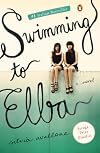
Did you ever have an inseparable best friend as a teen, and an insuperable childhood quarrel that almost ruined everything? Or maybe it did and when you think of that friend now you just feel a bottomless sadness and hollowness where that love should be. I have to say, I really loved this book even with all of its darkness and hopelessness. It's the story of a friendship between two girls, Francesca and Anna, two inseparable pretty girls, and the year when everything changed. Everything and show more nothing. I thought this would be a light beach read but it goes to some dark places very quickly, and the whole story is really colored by tragedy, but it's still beautiful in its way. This is the Italy tourists never see, the Italy of public housing and factories and drugs and strip clubs, but the friendship between the girls is as universal as it is unforgettable.
http://www.bostonbibliophile.com/2013/08/review-swimming-to-elba-by-silvia.html show less
http://www.bostonbibliophile.com/2013/08/review-swimming-to-elba-by-silvia.html show less
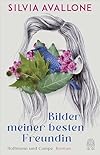
Es war ein bestimmtes Ereignis, das Elisa wenige Tagen vor Weihnachten dazu gebracht hat, die Geschichte niederzuschreiben und dafür ihre Erinnerungen, die sie so lange verdrängte, wieder heraufzubeschwören. Viele Jahre sind vergangen, doch nun ist es, als wenn all dies erst gestern geschehen wäre. Aus der alleinerziehenden Dozentin wird wieder das unsichere Mädchen, das neu in der Klasse ist und keinen Anschluss findet. Bis Beatrice sie als Freundin auswählt. Bea, das schönste show more Mädchen des Ortes, deren Mutter bereits auf zahlreichen Covern war und der selbst ebenfalls eine Karriere in der Modebranche bevorsteht. Eli und Bea könnten ungleicher kaum sein und doch entwickelt sich eine enge Freundschaft, die es nur der anderen erlaubt, hinter die familiäre Fassade zu schauen und die Abgründe zu sehen, die sich bei beiden auftun. Die Welt außerhalb des verschworenen Duos sieht nur das unscheinbare Mädchen, das sich in die Literatur flüchtet, und dazu das andere, das schon früh das Leben inszeniert und in der noch neuen online Welt zur Schau stellt. Doch etwas ist geschehen, dass das innige Band reißen ließ und sie für immer entfremdete.
Die italienische Autorin Silvia Avallone hat zunächst mit Gedichten auf sich aufmerksam gemacht, doch schon ihr erster Roman wurde vielfach ausgezeichnet. Auch ihre aktuelle Erzählung konnte Publikum wie Kritiker gleichermaßen begeistern. „Bilder meiner besten Freundin“ erzählt die Geschichte einer Freundschaft zweier ungleicher Mädchen, die sich zufällig finden und unzertrennlich werden. Es sind gleich zwei Mysterien, die die Geschichte überlagern: was hat sie entzweit und was hat dazu geführt, dass Elisa viele Jahre später plötzlich wie eine Besessene alles aufschreibt?
Es ist kurz nach der Jahrtausendwende, dass Elisa zu ihrem Vater ziehen muss und so Beatrices Klassenkameradin wird. Die Welten, in denen sie leben, könnten kaum unterschiedlicher sein. Elisas Vater ist der klassische intellektuelle Gelehrte, der den Alltagsdingen nur wenig Interesse entgegenbringen kann. Ihre Mutter hingegen ist unstet, emotional und mit der Kindererziehung überfordert. Nachdem Elisas älterer Bruder schon in eine Welt von Partys und Drogen abgedriftet ist, soll die Tochter in geordneten Verhältnissen aufwachsen und wird gegen ihren Widerstand umgesiedelt. Als die Fremde mit komischen Akzent ist sie ausgeschlossen und einsam. Bis Bea sie entdeckt.
Diese kommt aus gutbürgerlichem Elternhaus mit einer Mutter, die nur die Modellkarriere ihrer Tochter im Sinn hat. Leicht ist es auch für Bea nicht, der permanente Druck, die Erwartungen zu erfüllen, auf Gewicht und Äußeres zu achten, die beide keinen Ausrutscher verzeihen. Ein Schicksalsschlag wirft sie völlig aus der Bahn, doch Elisa fängt sie auf, ist wie eine Schwester für sie. Die Mädchen habe jedoch auch Geheimnisse voreinander und diese sind es, die letztlich zu dem Bruch und tiefer Enttäuschung führen.
Zugegebenermaßen konnte ich mich des Eindrucks nicht erwehren, eine gewisse Ähnlichkeit zu Elena Ferrantes neapolitanischen Saga zu erkennen. Nicht nur die Freundschaft zweier geradezu gegensätzlicher Mädchen als zentrales Element, sondern auch der Erzählstil wirkte bekannt. Dies ist jedoch keineswegs so negativ zu bewerten, wie es klingen mag. Im Gegenteil, mit viel Begeisterung hatte ich die Tetralogie um Elena und Lila verfolgt und gleichermaßen hat mich die Geschichte von Elisa und Beatrice von der ersten Seite an gefesselt. Souverän erzählt, immer wieder überraschend, die beiden Protagonistinnen differenziert und vielseitig gestaltet – ein überzeugender Roman, in den man gerne abtaucht. Und er macht neugierig auf die Autorin, von der es jedoch in deutscher Übersetzung derzeit erst ein einziges Buch zu geben scheint. show less
Die italienische Autorin Silvia Avallone hat zunächst mit Gedichten auf sich aufmerksam gemacht, doch schon ihr erster Roman wurde vielfach ausgezeichnet. Auch ihre aktuelle Erzählung konnte Publikum wie Kritiker gleichermaßen begeistern. „Bilder meiner besten Freundin“ erzählt die Geschichte einer Freundschaft zweier ungleicher Mädchen, die sich zufällig finden und unzertrennlich werden. Es sind gleich zwei Mysterien, die die Geschichte überlagern: was hat sie entzweit und was hat dazu geführt, dass Elisa viele Jahre später plötzlich wie eine Besessene alles aufschreibt?
Es ist kurz nach der Jahrtausendwende, dass Elisa zu ihrem Vater ziehen muss und so Beatrices Klassenkameradin wird. Die Welten, in denen sie leben, könnten kaum unterschiedlicher sein. Elisas Vater ist der klassische intellektuelle Gelehrte, der den Alltagsdingen nur wenig Interesse entgegenbringen kann. Ihre Mutter hingegen ist unstet, emotional und mit der Kindererziehung überfordert. Nachdem Elisas älterer Bruder schon in eine Welt von Partys und Drogen abgedriftet ist, soll die Tochter in geordneten Verhältnissen aufwachsen und wird gegen ihren Widerstand umgesiedelt. Als die Fremde mit komischen Akzent ist sie ausgeschlossen und einsam. Bis Bea sie entdeckt.
Diese kommt aus gutbürgerlichem Elternhaus mit einer Mutter, die nur die Modellkarriere ihrer Tochter im Sinn hat. Leicht ist es auch für Bea nicht, der permanente Druck, die Erwartungen zu erfüllen, auf Gewicht und Äußeres zu achten, die beide keinen Ausrutscher verzeihen. Ein Schicksalsschlag wirft sie völlig aus der Bahn, doch Elisa fängt sie auf, ist wie eine Schwester für sie. Die Mädchen habe jedoch auch Geheimnisse voreinander und diese sind es, die letztlich zu dem Bruch und tiefer Enttäuschung führen.
Zugegebenermaßen konnte ich mich des Eindrucks nicht erwehren, eine gewisse Ähnlichkeit zu Elena Ferrantes neapolitanischen Saga zu erkennen. Nicht nur die Freundschaft zweier geradezu gegensätzlicher Mädchen als zentrales Element, sondern auch der Erzählstil wirkte bekannt. Dies ist jedoch keineswegs so negativ zu bewerten, wie es klingen mag. Im Gegenteil, mit viel Begeisterung hatte ich die Tetralogie um Elena und Lila verfolgt und gleichermaßen hat mich die Geschichte von Elisa und Beatrice von der ersten Seite an gefesselt. Souverän erzählt, immer wieder überraschend, die beiden Protagonistinnen differenziert und vielseitig gestaltet – ein überzeugender Roman, in den man gerne abtaucht. Und er macht neugierig auf die Autorin, von der es jedoch in deutscher Übersetzung derzeit erst ein einziges Buch zu geben scheint. show less
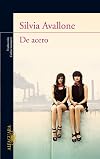
Francesca y Anna, dos amigas de trece anos, viven en un barrio junto a la playa, en el que la mayoría trabaja en unos altos hornos donde se produce acero. Su vida transcurre entre el colegio, la playa y el barrio, donde se conocen todos. Están en la frontera de la niñez , descubriendo la sexualidad, y ya empiezan a ser percibidas como mujeres, lo cual produce tensiones con sus familias. Este es un libro duro, que narra situaciones difíciles, y sin embargo, también refleja sentimientos show more positivos como la amistad y las ganas de vivir de las protagonistas. Todos los personajes de la novela están bien descritos, son complejos y humanos, la narradora parece entender sus motivaciones y sus relaciones. Los personajes masculinos del libro son menos atractivos que los femeninos, y sin embargo la autora consigue hacerlos todos interesantes. Un libro muy bien escrito, una buena lectura. show less
Lists
Awards


You May Also Like


Statistics
- Works
- 13
- Members
- 758
- Popularity
- #33,555
- Rating
- 3.6
- Reviews
- 46
- ISBNs
- 83
- Languages
- 13