

Takeshi Kaiko (1930–1989)
Author of Darkness in Summer
About the Author
Series
Works by Takeshi Kaiko
ロビンソンの末裔 2 copies
Kesän pimeys 1 copy
Sunkios pagirios: romanas 1 copy
シブイ 1 copy
もっと遠くへ! (上)(文春文庫) 1 copy
Гиганты и игрушки 1 copy
花終る闇 1 copy
Associated Works
都市 第2号 The City. No.2 1970 Spring — Contributor — 1 copy
中井英夫スペシャル (2) 虚無へ捧ぐる (別冊幻想文学) — Contributor — 1 copy
新潮 1971年 02 月号 [雑誌] 三島由紀夫追悼特集 — Contributor — 1 copy
文芸 1967年9月号 — Contributor — 1 copy
ゲーム的人間 (楽しみと冒険 5) — Contributor — 1 copy
文芸 1967年7月号 — Contributor — 1 copy
現代詩手帖 1984年 07月臨時増刊号 創刊25周年 特集:詩的時代の証言 — Contributor — 1 copy
花の名随筆〈7〉七月の花 — Contributor — 1 copy
海 1969年06月 発刊記念号 — Contributor — 1 copy
花の名随筆〈10〉十月の花 — Contributor — 1 copy
文芸 1967年4月号 — Contributor — 1 copy
Tagged
Common Knowledge
- Canonical name
- Kaiko, Takeshi
- Legal name
- 開高 健
- Other names
- Kaikō Ken (pen name)
- Birthdate
- 1930-12-30
- Date of death
- 1989-12-09
- Gender
- male
- Education
- Osaka City University
- Occupations
- writer
critic - Relationships
- 羊子, 牧 (wife)
- Nationality
- Japan
- Places of residence
- Osaka, Japan
Tokyo, Japan - Burial location
- 神奈川県鎌倉市山ノ内409 円覚寺 (Engakuji-temple, 409 Yamanouchi Kamakura-shi Kanagawa Japan)
- Associated Place (for map)
- Japan
Members
Reviews
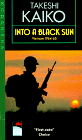
I've always enjoyed reading war books but haven't read one in a while and I loved the idea of reading about the Vietnam War again especially from such an interesting perspective. I've read quite a bit from the American perspective having read Tim O'Brien's novels (which I really enjoyed) but this was new as it is written by a Japanese correspondent, a country neutral to the war.
Kaiko writes about his time as a correspondent from 1964 to 1965 where he worked both on the front line and away, show more in Saigon. The book seems to be labeled as historical fiction but with his experiences leading the story. I really enjoyed the neutrality of the book; there was no real perspective on whether the war was good or bad, necessary or not, and was really just Kaiko's observations on the world around him and how the war affects his companions.
In one instance he is asked about the Japanese opinion of the war in which he does share at how they find the war to be unfair due to the difference in power on the two fronts. But as a whole Kaiko is very careful to not insert his opinion as is demanded from a correspondent.
In whole a great book, incredibly well-written and really engaging. My leaving off a start comes from the fact that I wish he had spoken about his time when he was detained from the Viet Cong, a fact that was given in his biography. show less
Kaiko writes about his time as a correspondent from 1964 to 1965 where he worked both on the front line and away, show more in Saigon. The book seems to be labeled as historical fiction but with his experiences leading the story. I really enjoyed the neutrality of the book; there was no real perspective on whether the war was good or bad, necessary or not, and was really just Kaiko's observations on the world around him and how the war affects his companions.
In one instance he is asked about the Japanese opinion of the war in which he does share at how they find the war to be unfair due to the difference in power on the two fronts. But as a whole Kaiko is very careful to not insert his opinion as is demanded from a correspondent.
In whole a great book, incredibly well-written and really engaging. My leaving off a start comes from the fact that I wish he had spoken about his time when he was detained from the Viet Cong, a fact that was given in his biography. show less

Into a Black Sun, is a somewhat fictionalized account of a Japanese reporters time in Saigon and as a frontline reporter in 1964. There's no real point of view, the Vietnam War is just something that is happing and the reporter is merely experiencing in his limited capacity. There are no judgments about the rights and wrongs of the war or any of its actors. Its just an account of the South Vietnamese and their American counterparts waging a largely apathetic war for reasons that are lost on show more the general population.
The book was most interesting when discussing the war with the soldiers and the officers, even the discussions with other journalists about the direction of the war was insightful. But for me the second half dragged when the narrator started discussing his everyday life of drinking, eating, sleeping, and screwing in Saigon. It was all just a wash. Maybe that was the point. I really can't tell if this novel ever really had a point, other then to relate a totally neutral view of a pointless war. show less
The book was most interesting when discussing the war with the soldiers and the officers, even the discussions with other journalists about the direction of the war was insightful. But for me the second half dragged when the narrator started discussing his everyday life of drinking, eating, sleeping, and screwing in Saigon. It was all just a wash. Maybe that was the point. I really can't tell if this novel ever really had a point, other then to relate a totally neutral view of a pointless war. show less
None of the two admits to each other what their expectations are. He stays aloof and she changes from a strong, goal-oriented woman to a nearly hysteric needy bitch, but nobody wants to face the "issue". Love the scene in the bathtub where he tries to chill alone after her tantrum!
Fascinating, frustrating till the end!
Fascinating, frustrating till the end!
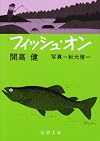
I was twenty when my editor-friend gave me this to read. It was probably the first Japanese book I "understood". It also made me
start fishing.
start fishing.
Awards


You May Also Like


Associated Authors
Statistics
- Works
- 57
- Also by
- 25
- Members
- 265
- Popularity
- #86,990
- Rating
- 3.7
- Reviews
- 9
- ISBNs
- 67
- Languages
- 5