
C. G. Jung (1875–1961)
Author of Man and His Symbols
About the Author
Carl Gustav Jung was born in Switzerland on July 26, 1875. He originally set out to study archaeology, but switched to medicine and began practicing psychiatry in Basel after receiving his degree from the University of Basel in 1902. He became one of the most famous of modern psychologists and show more psychiatrists. Jung first met Sigmund Freud in 1907 when he became his foremost associate and disciple. The break came with the publication of Jung's Psychology of the Unconscious (1912), which did not follow Freud's theories of the libido and the unconscious. Jung eventually rejected Freud's system of psychoanalysis for his own "analytic psychology." This emphasizes present conflicts rather than those from childhood; it also takes into account the conflict arising from what Jung called the "collective unconscious"---evolutionary and cultural factors determining individual development. Jung invented the association word test and contributed the word complex to psychology, and first described the "introvert" and "extrovert" types. His interest in the human psyche, past and present, led him to study mythology, alchemy, oriental religions and philosophies, and traditional peoples. Later he became interested in parapsychology and the occult. He thought that unidentified flying objects (UFOs) might be a psychological projection of modern people's anxieties. He wrote several books including Studies in Word Association, Flying Saucers: A Modern Myth of Things Seen in the Skies, and Psychology and Alchemy. He died on June 6, 1961 after a short illness. (Bowker Author Biography) show less
Series
Works by C. G. Jung
Mysterium Coniunctionis: An Inquiry into the Separation and Synthesis of Psychic Opposites in Alchemy (1956) 502 copies, 4 reviews
Aspects of the Feminine: (From Volumes 6, 7, 9i, 9ii, 10, 17, Collected Works) (Jung Extracts) (1982) 270 copies
C.G. Jung Psychological Reflections : A New Anthology of His Writings, 1905-1961 (1970) 254 copies, 2 reviews
Psychology and Western Religion: (From Vols. 11, 18 Collected Works) (Jung Extracts) (1984) 153 copies
Psychology and the East: (From Vols. 10, 11, 13, 18 Collected Works) (Jung Extracts) (1978) 137 copies, 1 review
Introduction to Jungian Psychology: Notes of the Seminar on Analytical Psychology Given in 1925 (1925) 77 copies, 2 reviews
Dream Symbols of the Individuation Process: Notes of C. G. Jung's Seminars on Wolfgang Pauli's Dreams (1986) 48 copies
The Interpretation of nature and the psyche. Synchronicity: an acausal connecting principle (1955) 48 copies, 3 reviews
Jung contra Freud: The 1912 New York Lectures on the Theory of Psychoanalysis (2011) 45 copies, 1 review
Dream Interpretation Ancient and Modern: Notes from the Seminar Given in 1936–1941 - Updated Edition (Philemon Foundation Series, 9) (2014) 41 copies
Visions : Notes of the seminar given in 1930-1934 (2 Volume Set) (Bollingen) (1997) 32 copies, 2 reviews
History of Modern Psychology: Lectures Delivered at ETH Zurich, Volume 1, 1933-1934 (2018) 29 copies
The Question of Psychological Types: The Correspondence of C. G. Jung and Hans Schmid-Guisan, 1915-1916 (2012) 28 copies
Psychology of Yoga and Meditation: Lectures Delivered at ETH Zurich, Volume 6: 1938–1940 (2021) 26 copies
Analytical Psychology in Exile: The Correspondence of C. G. Jung and Erich Neumann (Philemon Foundation Series) (2015) — Author — 25 copies
On Psychological and Visionary Art: Notes from C. G. Jung’s Lecture on Gérard de Nerval's Aurélia (Philemon Foundation Series, 12) (2015) 23 copies
Consciousness and the Unconscious: Lectures Delivered at ETH Zurich, Volume II, 1934 (2022) 17 copies
Von Traum und Selbsterkenntnis (Einsichten und Weisheiten bie C.G. Jung) (German Edition) (1986) 14 copies
Jung on Ignatius of Loyola's Spiritual Exercises: Lectures Delivered at ETH Zurich, Volume 7: 1939–1940 (2023) 13 copies
Bewust en onbewust het collectieve onbewuste, individuatie, anima, ziel en dood, integratie van bewust en onbewust (2011) 13 copies
Encuentro con la sombra: El poder del lado oscuro de la naturaleza humana (Biblioteca de la Nueva Conciencia) (Spanish Edition) (2008) 12 copies
Formaciones De Lo Inconsciente / Formation of the Unconscious (Paidos Psicologia Profunda / Depth Psychology) (Spanish Edition) (1992) — Author — 10 copies, 1 review
Oerbeelden de structuur van de ziel, de psychologie van het kindarchetype, over de verschijningsvormen van de geest in het sprookje (1982) 9 copies
Symbols of Transformation. Volume I: An Analysis of the Prelude to a Case of Schizophrenia (1962) 9 copies
Jung's Life and Work: Interviews for Memories, Dreams, Reflections with Aniela Jaffé (Philemon Foundation Series) (2025) 9 copies
C. G. Jung im Leben und Denken unserer Zeit : Vortrèage zum 100. Geburtstag, an der ETH Zèurich (1975) 9 copies
Symbols of Transformation. Volume II: An Analysis of the Prelude to a Case of Schizophrenia (1975) 9 copies
Ik en zelf : het ik, de schaduw, de syzygie: anima en animus, het zelf, Christus, een symbool van het zelf (1990) 9 copies
Dromen de aard van dromen, droomanalyse, getallensymboliek, de praktische bruikbaarheid van droomanalyse (1983) 8 copies
Estudos Psiquiátricos - Volume 1. Coleção Obras Completas de C. G. Jung (Em Portuguese do Brasil) (2013) 8 copies
Psychotherapie kernproblemen, de praktijk, de therapeutische waarde van het afreageren (1982) 8 copies
Dışa Bakan Rüya Görür İçe Bakan Uyanır: Rüyaların, Sembollerin, Mitlerin İzinde Bir Ruhçözümlemecisinin Arayışı (2020) 8 copies
Grundwerk C. G. Jung, 9 Bde., Bd.6, Erlösungsvorstellungen in der Alchemie (1999) — Author — 7 copies
O Símbolo da Transformação na Missa - Volume 11/ 3. Coleção Obras Completas de C. G. Jung (Em Portuguese do Brasil) (2012) 7 copies
The Seven Sermons to the Dead 6 copies
l'io e l'inconscio 5 copies
Nietzsche's Zarathustra: Notes of the Seminar given in 1934-1939. Two Volumes (Jung Seminars Book 99) (2012) 5 copies
Wotan: An Essay 5 copies
Collected Works of C. G. Jung, Supplementary Volume A: The Zofingia Lectures (The Collected Works of C. G. Jung - Supplements) (2024) 4 copies
Briefe: Herausgegeben Von Aniela Jaffe, Zurich in Zusammenarbeit Mit Gerhard Adler, London Zweiter Band 1946-1955 (1972) 4 copies
By C.G. Jung - The Archetypes and the Collective Unconscious (Collected Works of (2nd Edition) (1991-06-21) [Paperback] (1991) 4 copies
"Ulysses: A Monologue" 4 copies
Le moi et l'inconscient 3 copies
Über Gefühle und den Schatten. 3 CDs: Winterthurer Fragestunden. Originalton C. G. Jung (1999) 3 copies
Dream analysis. Notes of the seminar given in 1928-1930 by C.G. Jung. Edited by William McGuire. (1984) 3 copies
Die Psychologie der Übertragung. Erläutert anhand einer alchemistischen Bilderserie. (2001) 3 copies
Kinderdromen 1, Werkcolleges / 1 3 copies
Naturerklärung und Psyche 3 copies
Psychologische beschouwingen 3 copies
Werkcolleges over Kinderdromen 2 3 copies
On Life After Death 3 copies
The Collected Works of C.G. Jung Volume 16: The Practice of Psychotherapy (Essays on the Psychology of the Transference and Other Subjects) (Bollingen Series XX) 3 copies, 2 reviews
Alchemy, The Process of Individuation (Lectures, Novermber 1940-July 1941)(Volumes 1 and 2) 3 copies
Mysteria: Jung and the Ancient Mysteries : Extracts from the Collected Works C.G. Jung (Mythos: the Princeton/Bollingen (1995) 3 copies
The Transcendent Function 2 copies
General Description of the Types 2 copies
LOS LIBROS NEGROS:1913-1932, Cuadernos de transformación, Edición al cuidado de Sonu Shamdasani.: 4 (Catena Aurea) (2024) 2 copies
The Psychology of Kundalini Yoga: Notes of the Seminar Given in 1932 (Jung Extracts Book 26) 2 copies
The Interpretation of Nature and the Psyche: The work of Carl Jung and Wolfgang Pauli (2022) 2 copies
Zielsproblemen van onze tijd 2 copies
Um mito moderno 2 copies
PSIKOLOGJIA DHE BESIMI 2 copies
Psykologi og oppdragelse 2 copies
PSIKOLOGJIA E SË PAVETËDIJSHMES 2 2 copies
ANALIZA VISELOR 2 copies
Escritos sobre espiritualidad y transcendencia (Estructuras y procesos. Psicología) (Spanish Edition) (2018) 2 copies
Psicologia della schizofrenia 2 copies
Psicologia e Psichiatria 2 copies
Werkcolleges over droomanalyse 3 2 copies
The Solar Myths and Opicinus de Canistris: Notes of the Seminar given at Eranos in 1943 (2015) 2 copies
Werkcolleges over droomanalyse 1 2 copies
Werkcolleges over droomanalyse 2 2 copies
Symbole der Wandlung, Gesammelte Werke. Sonderausgabe: Gesammelte Werke, 20 Bde. in 24 Tl.-Bdn., Bd.5 (1995) 2 copies
Das Rote Buch - Der Text: Herausgegeben und eingeleitet von Sonu Shamdasani. Vorwort von Ulrich Hoerni (2019) 2 copies
Teorias del psiconàlisis. 2 copies
Psicologia y religion. 2 copies
Reves D'Enfants - Tome 1 (Les) (Collections Sciences - Sciences Humaines) (French Edition) (2002) 2 copies
Present et Avenir. 2 copies
O Zaratustra de Nietzsche I. Notas do Seminario dado entre 1934 e 1935 (Em Portugues do Brasil) (2019) 2 copies
Mensch und Seele: Aus dem Gesamtwerk 1905-1961 ausgewählt und herausgegeben von Jolande Jacobi (2019) 2 copies
A Rare Recording of Carl Jung 2 copies
The Collected Works of C. G. Jung, Volume 9 (Part 1): Archetypes and the Collective Unconscious 2 copies
Dream Analysis, Volume One (Notes on the Seminars in Analytical Psychology given by Dr. C. G. Jung, Zurich, November 1928 - June 1929) (1958) 2 copies
The Undiscovered Self 1958 Edition 2 copies
On Dreams and the East: Notes of the 1933 Berlin Seminar (Philemon Foundation Series) (2025) 2 copies
Dream Analysis, Volume Two (Notes of the Seminars in Analytical Psychology given by Dr. C. G. Jung, Zurich, October, 1929 - December, 1929) (1958) 2 copies
Lavirint u čoveku 1 copy
Dream Analysis, Part 1 1 copy
Практическа психотерапия : Статии по проблеми на психотерапията и психологията на пренасянето. (2011) 1 copy
The Jung-White letters. 1 copy
PSYCHOLOGICAL REFLECTIONS 1 copy
Fakten 1. Ärztliche Prüfung 1 copy
Zur Psychologie des Geistes 1 copy
The process of individuation : notes on lectures given at the ETH Zürich, October 1939-July 1941 1 copy
The Collected Works of C. G. Jung, Vol. 9, Pt. 1 : The Archetypes and the Collective Unconscious 1 copy
Психологијата и уметноста 1 copy
O Homem e Seus Símbolos 1 copy
Избранное 1 copy
Психологические типы 1 copy
Concerning the Self (Paper) 1 copy
Picasso (Paper) 1 copy
Красная книга. Liber Novus 1 copy
Spring : 1948 1 copy
Spring : 1957 1 copy
Spring : 1956 1 copy
Spring : 1955 1 copy
Spring : 1953 1 copy
Spring : 1951 1 copy
Spring : 1950 1 copy
Spring : 1947 1 copy
Психологията на Кундалини-йога : Бележки от семинара на К. Г. Юнг през 1932 година, редактирани от… (2012) 1 copy
Das symbolische Leben, II 1 copy
Das symbolische Leben, I 1 copy
Spring : 1949 1 copy
Einführung in das Wesen der Mythologie. Der Mythos vom göttlichen Kind und Eleusinische Mysterien. (1999) 1 copy
Rüya Analizleri 1 copy
Rdeča knjiga 1 copy
Psihologija in alkimija 1 copy
Razvoj osebnosti 1 copy
2 1 copy
Questioni di psicoterapia 1 copy
Il segreto del fiore d'oro 1 copy
Sobre el desarrollo de la personalidad (Obra Completa de Carl Gustav Jung nº 17) (Spanish Edition) (2025) 1 copy
La práctica de la psicoterapia (Obras Completas de Carl Gustav Jung nº 16) (Spanish Edition) 1 copy, 1 review
Versuch einer Darstellung einer psychoanalytischer Theorie in ahrbuch Fur Psychoanalytische (2 vols) 1 copy, 1 review
Psychologishe Typen 1 copy
De Catastrophe 1 copy
Zuelsproblemen van deze Tijd 1 copy
Rebis czyli kamień filozofów 1 copy
De kleine Jung-bibliotheek 1 copy
Hombre y sus símbolos, El 1 copy
Sobre o Amor 1 copy
Gesammelte Werke, 20 Bde., Briefe, 3 Bde. und 3 Suppl.-Bde., in 30 Tl.-Bdn., Traumanalyse (1991) 1 copy
la dimensione psichiatrica 1 copy
El yo y el inconsciente 1 copy
Collected Works of C.G. Jung: The First Complete English Edition of the Works of C.G. Jung (1973) 1 copy
L'inconscio collettivo 1 copy
Psychologie im Abriss 1 copy
The Significance Of The Father In The Destiny Of The Individual and A Contribution To The Psychology Of Rumour (2010) 1 copy
An Interview With 1 copy
In His Own Words 1 copy
علم النفس التحليلي 1 copy
Esperienza e mistero 1 copy
Symboles oniriques du processus d'individuation - Les séminaires de Bailey Island et de New-York (2021) 1 copy
Obraz člověka a obraz Boha 1 copy
Carl Jung ebook collection 1 copy
Psychology of Religion 1 copy
Ο Παράκελσος 1 copy
Bewusstes und unbewusstes 1 copy
Psychologia a alchemia 1 copy
La structure de l'âme 1 copy
Sueños y transformaciones: Jornadas de Winterthur y de Zúrich (Estructuras y Procesos. Psicología Cognitiva) (2022) 1 copy
Govori 1 copy
LA PSICOLOGIA DELL'INCONSCIO 1 copy
Ničeov Zaratustra 1 copy
Gesammelte Werke. Sonderausgabe: Gesammelte Werke, 20 Bde. in 24 Tl.-Bdn., Bd.17, Über die Entwicklung der Persönlichkeit (1995) 1 copy
De Omedvetna 1 copy
L' inconscio collettivo 1 copy
realtà dell'anima 1 copy
Symbols of Transformation 1 copy
Psychology and the Occult 1 copy
Aspects of the Masculine 1 copy
The Collected Works: AION 1 copy
Puterea sufletului Antologie 1 copy
Realidad del alma 1 copy
الكتاب الأحمر 1 copy
علم النفس التحليلي 1 copy
Bewusstes und Unbewusstes. 1 copy
Book 9788850267729 1 copy
Själen och dess problem 1 copy
Paracelsica 1 copy
The Red Book Liber Novus 1 copy
Čovjek i njegovi simboli 1 copy
NJERIU DHE SIMBOLET E TIJ 1 copy
Mitt liv 1 copy
Memórias, sonhos e reflexões 1 copy
Mandala Symbolism 1 copy
A natureza da Psique 1 copy
ASPEKTE TE MASHKULLORES 1 copy
Psyche & Symbol 1 copy
jung Collection from Rita 1 copy
NJË MIT MODERN 1 copy
MBI PSIKIKËN NJERËZORE 1 copy
ASPEKTE TË FEMËRORES 1 copy
MBI LETËRSINË DHE ARTET 1 copy
TIPAT PSIKOLOGJIKË 1 copy
In lumea arhetipurilor 1 copy
The Psychogenesis Of Mental Disease (Über das Problem der Psychogenese bei Geisteskrankheiten) [CW3] 1 copy
Psycology 1 copy
The Collected Works of C. G. Jung Volume 09(2): Aion: researches into the phenomenology of Self 1 copy, 1 review
The Collected Works of C. G. Jung Volume 08: The Structure and Dynamics of the Psyche (2nd edition) 1 copy, 1 review
The Collected Works of C. G. Jung, Volume 05: Symbols of Transformation: an analysis of the prelude of a case of schizophrenia 1 copy, 1 review
Красная книга. Liber Novus 1 copy
l' Âme et La Vie - présenté Par Jolande Jacobi - traduit De l' Allemand Par Le Dr Roland Cahen et Yves Le Lay (1965) 1 copy
Ψυχολογία και θρησκεία 1 copy
Výbor z díla II. 1 copy
Výbor z díla I. 1 copy
Aspekty mužství 1 copy
de symboliek van de geest. 1 copy
de werkelijkheid van de ziel 1 copy
روانشناسی و کیمیاگری 1 copy
CIVILIZATION IN TRANSITION 1 copy
Seminarios Sobre Analise Dos Sonhos: Notas do Seminario Dado Em 1928 - 1930 Por C. G. Jung (2000) 1 copy
Realidad del alma. Aplicación y progreso de la nueva psicología. [Tapa blanda... (1946) 1 copy, 1 review
Det ubevisste 1 copy
Zielsproblemen van deze tijd 1 copy
Psykens verden 1 copy
O religiji i kršćanstvu 1 copy
Din ve psikoloji 1 copy
Wspomnienia sny mysli 1 copy
Psicologia e religião 1 copy
La psicoanalisi di Freud 1 copy
Mysterium Coniunctionis II : istraživanja o razdvajanju i spajanju duševnih suprotnosti u alhemiji 1 copy
PRESENT ET AVENIR 1 copy
Gesammelte Werke 1-20 1 copy
A Matter of Heart 1 copy
Analiza snova II tom 1 copy
Analiza snova I tom 1 copy
Psicologia e alchimia 1 copy
Conflictos del alma infantil 1 copy
Psychology and Education 1 copy
Slova duše 1 copy
Det ubevisste. 1 copy
Teoría del psicoanálisis 1 copy
Von Religion und Christentum (Einsichten und Weisheiten bei C.G. Jung) (German Edition) (1987) 1 copy
La malattia mentale 1 copy
Vater, Mutter und Kind 1 copy
The So-Called Occult 1 copy
Mélységeink ösvényein 1 copy
Sul rinascere, 1940-1950 1 copy
Svar på Job 1 copy
Das rote Buch - Liber novus 1 copy
Associated Works
Tibetan Book of the Dead: Or, The After-Death Experiences on the Bardo Plane, according to Lama Kazi Dawa-Samdup's English Rendering (1927) — Contributor, some editions — 1,325 copies, 9 reviews
The Secret of the Golden Flower: A Chinese Book of Life (1962) — Commentary, some editions — 1,114 copies, 17 reviews
The Tibetan Book of the Great Liberation: Or the Method of Realizing Nirvana Through Knowing the Mind (Galaxy Books) (1968) — Contributor, some editions — 331 copies, 6 reviews
Psychic Energy: Its Source and Its Transformation [Bollingen Series X] (1963) — Foreword — 140 copies, 2 reviews
Man and Time: Papers from the Eranos Yearbooks (Bollingen Series 30, Vol. 3) (1957) — Contributor — 119 copies, 1 review
A World Of Dreams : The Wisdom of the Dream Vol 3 [1989 TV Mini-Series] (1997) — Featured — 2 copies
Inheritance of Dreams : The Wisdom of the Dream Vol 2 [1989 TV Mini-Series] (1997) — Featured — 1 copy
Tagadnes izaicinājums : Karla Gustava Junga 120. dzimšanas dienai veltīts rakstu krājums (1996) — Author — 1 copy
Tagged
Common Knowledge
- Legal name
- Jung, Carl Gustav
- Other names
- Jung, Carl G.
Jung, Carl
Jung, C. G. - Birthdate
- 1875-07-26
- Date of death
- 1961-06-06
- Gender
- male
- Education
- University of Zürich (MD|1902)
University of Basel - Occupations
- psychiatrist
writer
psychotherapist
professor - Organizations
- University of Zürich
Federal Polytechnical University
University of Basel - Relationships
- Jung, Emma (wife)
Hinkle, Beatrice Moses (analysand, translator)
Harding, M. Esther (analysand)
Bertine, Eleanor (analysand)
Franz, Marie-Louise von (colleague)
Hoerni, Ulrich (grandson) - Nationality
- Switzerland
- Birthplace
- Kesswil, Thurgau, Switzerland
- Places of residence
- Kesswil, Thurgau, Switzerland (birth)
Zurich, Switzerland (death) - Place of death
- Zurich, Switzerland
- Burial location
- Küsnacht, Switzerland
- Map Location
- Switzerland
Members
Discussions
Was Carl Jung a mystic? in Philosophy and Theory (January 2022)
Jung - any good introductions? in Psychology (November 2007)
Reviews
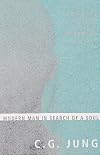
The eleven chapters in this work are, save one, lectures delivered by Jung prior to its 1933 publication. Carl Jung snipes at times at the wide target of Freud’s narrowly focused psychology, such as observing that free association merely leads to projecting one’s own complexes. But, at times it seems the crowded dreamscape of Jung’s own archetypes may be a projection of his own issues. Still, I enjoy reading vintage Jung since his relentless probing of the human psyche seems to have show more given him a sagacity causing such wise observation as from "Stages of Life,"
"The nearer we approach to the middle of life, and the better we have succeeded in entrenching ourselves in our personal attitudes and social positions, the more it appears as if we had discovered the right course and the right ideals and principles of behavior. For this reason we suppose them to be eternally valid, and make a virtue of unchangeably clinging to them. We overlook the essential fact that the social goal is attained only at the cost of a diminution of personality. Many -- far too many -- aspects of life which should also have been experienced lie in the lumber-room among dusty memories; but sometimes, too, they are glowing coals under grey ashes."
And from “Psychology and Literature”: “It is always dangerous to speak of one’s own times, because what is at stake in the present is too vast for comprehension.”
I also love his take on the criticism process: “The truth is that poets are human beings, and that what a poet has to say about his is often far from being the most illuminating word on the subject. What is required of us, then, is nothing less than to defend the importance of the visionary experience against the poet himself… the personal life of the poet cannot be held essential to his art — but at most a help or a hindrance to his creative task. He may go the way of a Philistine, a good citizen, a neurotic, a fool or a criminal. His personal career may be inevitable and interesting, but it does not explain the poet."
Jung also dives into the materialism vs. dualism argument: “The objection has already been raised that this approach reduces psychic happenings to a kind of activity of the glands; thoughts are regarded as secretions of the brain, and so we achieve a psychology without the psyche. From this standpoint, it must be confessed, the psyche does not exist in its own right; it is nothing in itself, but is the mere expression of physical processes. That these processes have the qualities of consciousness is just an irreducible fact — were it otherwise, so the argument runs, we could not speak of the psyche at all; there would be no consciousness, and so we should have nothing to say about anything. Consciousness, therefore, is taken as the sine qua non of psychic life — that is to say, as the psyche itself. And so it comes about that all modern "psychologies without the psyche” are studies of consciousness which ignore the existence of unconscious psychic life.” Thus, Jung is revealed as a subtle spiritualist.
Finally, from “The Basic Postulates of Analytical Psychology”, Chapter IX of Modern Man in Search of a Soul, Jung nearly wins me over to his archetypes idea. Perhaps it is true … indulging and reading his arguments reminds me of the feeling I get watching a really good cable TV U.F.O. documentary, I want to believe:
“It would be positively grotesque for us to call this immense system of experience of the unconscious psyche an illusion, for our visible and tangible body itself is just such a system. It still carries within it the discernible traces of primeval evolution, and it is certainly a whole that functions purposively — for otherwise we could not live. It would never occur to anyone to look upon comparative anatomy or physiology as nonsense. And so we cannot dismiss the collective unconscious as illusion, or refuse to recognize and study it as a valuable source of knowledge…
It would certainly show perversity if we tried to explain the lives of our ancestors in terms of their late descendants; and it is just as wrong, in my opinion, to regard the unconscious as a derivative of consciousness. We are nearer the truth if we put it the other way round.” show less
"The nearer we approach to the middle of life, and the better we have succeeded in entrenching ourselves in our personal attitudes and social positions, the more it appears as if we had discovered the right course and the right ideals and principles of behavior. For this reason we suppose them to be eternally valid, and make a virtue of unchangeably clinging to them. We overlook the essential fact that the social goal is attained only at the cost of a diminution of personality. Many -- far too many -- aspects of life which should also have been experienced lie in the lumber-room among dusty memories; but sometimes, too, they are glowing coals under grey ashes."
And from “Psychology and Literature”: “It is always dangerous to speak of one’s own times, because what is at stake in the present is too vast for comprehension.”
I also love his take on the criticism process: “The truth is that poets are human beings, and that what a poet has to say about his is often far from being the most illuminating word on the subject. What is required of us, then, is nothing less than to defend the importance of the visionary experience against the poet himself… the personal life of the poet cannot be held essential to his art — but at most a help or a hindrance to his creative task. He may go the way of a Philistine, a good citizen, a neurotic, a fool or a criminal. His personal career may be inevitable and interesting, but it does not explain the poet."
Jung also dives into the materialism vs. dualism argument: “The objection has already been raised that this approach reduces psychic happenings to a kind of activity of the glands; thoughts are regarded as secretions of the brain, and so we achieve a psychology without the psyche. From this standpoint, it must be confessed, the psyche does not exist in its own right; it is nothing in itself, but is the mere expression of physical processes. That these processes have the qualities of consciousness is just an irreducible fact — were it otherwise, so the argument runs, we could not speak of the psyche at all; there would be no consciousness, and so we should have nothing to say about anything. Consciousness, therefore, is taken as the sine qua non of psychic life — that is to say, as the psyche itself. And so it comes about that all modern "psychologies without the psyche” are studies of consciousness which ignore the existence of unconscious psychic life.” Thus, Jung is revealed as a subtle spiritualist.
Finally, from “The Basic Postulates of Analytical Psychology”, Chapter IX of Modern Man in Search of a Soul, Jung nearly wins me over to his archetypes idea. Perhaps it is true … indulging and reading his arguments reminds me of the feeling I get watching a really good cable TV U.F.O. documentary, I want to believe:
“It would be positively grotesque for us to call this immense system of experience of the unconscious psyche an illusion, for our visible and tangible body itself is just such a system. It still carries within it the discernible traces of primeval evolution, and it is certainly a whole that functions purposively — for otherwise we could not live. It would never occur to anyone to look upon comparative anatomy or physiology as nonsense. And so we cannot dismiss the collective unconscious as illusion, or refuse to recognize and study it as a valuable source of knowledge…
It would certainly show perversity if we tried to explain the lives of our ancestors in terms of their late descendants; and it is just as wrong, in my opinion, to regard the unconscious as a derivative of consciousness. We are nearer the truth if we put it the other way round.” show less
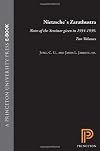
As a young man growing up near Basel, Jung was fascinated and disturbed by tales of Nietzsche's brilliance, eccentricity, and eventual decline into permanent psychosis. These volumes, the transcript of a previously unpublished private seminar, reveal the fruits of his initial curiosity: Nietzsche's works, which he read as a student at the University of Basel, had moved him profoundly and had a lifelong influence on his thought. During the sessions the mature Jung spoke informally to members show more of his inner circle about a thinker whose works had not only overwhelmed him with the depth of their understanding of human nature but also provided the philosophical sources of many of his own psychological and metapsychological ideas. Above all, he demonstrated how the remarkable book Thus Spake Zarathustra illustrates both Nietzsche's genius and his neurotic and prepsychotic tendencies.
Since there was at that time no thought of the seminar notes being published, Jung felt free to joke, to lash out at people and events that irritated or angered him, and to comment unreservedly on political, economic, and other public concerns of the time. This seminar and others, including the one recorded in Dream Analysis, were given in English in Zurich during the 1920s and 1930s. Source: Publisher show less
Since there was at that time no thought of the seminar notes being published, Jung felt free to joke, to lash out at people and events that irritated or angered him, and to comment unreservedly on political, economic, and other public concerns of the time. This seminar and others, including the one recorded in Dream Analysis, were given in English in Zurich during the 1920s and 1930s. Source: Publisher show less

Modern Man in Search of a Soul collects ten lectures on psychotherapy, cultural mentalities, and religion, given by Jung in the late inter-war period. They were translated into English by Baynes in 1933 and supplemented with an essay by Jung on the distinctions between his psychology and that of Freud. My copy is a Harvest/HBJ mass-market paperback that I can easily imagine littering college campuses in the 1960s.
Jung says,"To the psyche, the spirit is no less the spirit even though it be show more called sexuality" (73), and in this point he seems to be opposing the Freudian focus on "sexuality" to Jung's own preference for construing issues in terms of "spirit." The key subtext here, however, is the critical identity and continuity between spiritual and sexual phenomena. Since Jung avoids mentioning sex at least as often as Freud insists upon it, this continuity is useful to keep in mind when reading either thinker.
Although I have been accustomed to seeing Jung as the primary representative of the "right wing" of the psychoanalytic tradition (contrasted with Reich and Marcuse on the left), there are passages here which prompt me to suspend that judgment. For example he declares, "My aim is to bring about a psychic state in which my patient begins to experiment with his own nature--a state of fluidity, change and growth, in which there is no longer anything eternally fixed and hopelessly petrified" (66). Thus Jung identifies his therapeutic goal with the loosening of character, and the subjection of identity to a changeable individual will.
In the lecture "The Stages of Life," Jung presents a theory of climacteric personal development. Very significantly he uses a solar metaphor identifying birth with dawn and death with sunset. He also remarks--with particular reference to his patients--that 20th-century Western culture suffers a poverty of institutions capable of psychically orienting individuals to the "afternoon" of life, and claims that "Our religions were always such schools in the past" (109). In this last point, I think he errs. Religions have always had a much wider range of functions, and it is in particular the orders of initiation (most often embedded in religious contexts) that supplied the desideratum.
The individual passage of the book that made the most striking impression on me was in "The Basic Postulates of Analytical Psychology," where I take Jung to be painting an eloquent picture of what Eliphas Levi called The Baphomet of Mendes, a pantheistic and magical figure of the absolute: "If it were permissible to personify the unconscious, we might call it a collective human being combining the characteristics of both sexes, transcending youth and age, birth and death, and, from having at his command a human experience of one or two million years, almost immortal. If such a being existed, he would be exalted above all temporal change ... he would be a dreamer of age-old dreams and, owing to his immeasurable experience, he would be an incomparable prognosticator. He would have lived countless times over the life of the individual, of the family, tribe and people, and he would possess the living sense of the rhythm of growth, flowering, and decay" (186).
Lectures of less esoteric interest include "Aims of Psychotherapy," which elaborates a context in which to situate Freudian, Adlerian, and Jungian approaches to the discipline, as well as "A Psychological Theory of Types," which expands Jung's introversion/extraversion polarity with the two additional dimensions of thinking/feeling and sensation/intuition, but without the perception/judging axis that would complete them in the now-ubiquitous MBTI. The lecture "Psychology and Literature" focuses on visionary literature, and is thus actually more concerned with spiritual states and phenomena than literary production as such. It even touches on one of my particular favorite works in this vein, the Hypnerotomachia Poliphili (157, 166).
The book's final two chapters stand out for Jung's discussion of religion as a barometer of collective spiritual states. In "The Spiritual Problem of Modern Man" he discusses the "deep affinity with Gnosticism" expressed by contemporary spirituality, and he also treats at length the extent to which the "repellent" strains of occultism, Theosophy, and imported Oriental mysticisms both demonstrate the obsolescence of established religious forms and may serve as the seedbeds for their successors. "Psychotherapists or the Clergy?" treats the conundrum of secular psychotherapists being preferred to clergy by clients whose actual demand is for what traditionally would have been considered spiritual direction. show less
Jung says,"To the psyche, the spirit is no less the spirit even though it be show more called sexuality" (73), and in this point he seems to be opposing the Freudian focus on "sexuality" to Jung's own preference for construing issues in terms of "spirit." The key subtext here, however, is the critical identity and continuity between spiritual and sexual phenomena. Since Jung avoids mentioning sex at least as often as Freud insists upon it, this continuity is useful to keep in mind when reading either thinker.
Although I have been accustomed to seeing Jung as the primary representative of the "right wing" of the psychoanalytic tradition (contrasted with Reich and Marcuse on the left), there are passages here which prompt me to suspend that judgment. For example he declares, "My aim is to bring about a psychic state in which my patient begins to experiment with his own nature--a state of fluidity, change and growth, in which there is no longer anything eternally fixed and hopelessly petrified" (66). Thus Jung identifies his therapeutic goal with the loosening of character, and the subjection of identity to a changeable individual will.
In the lecture "The Stages of Life," Jung presents a theory of climacteric personal development. Very significantly he uses a solar metaphor identifying birth with dawn and death with sunset. He also remarks--with particular reference to his patients--that 20th-century Western culture suffers a poverty of institutions capable of psychically orienting individuals to the "afternoon" of life, and claims that "Our religions were always such schools in the past" (109). In this last point, I think he errs. Religions have always had a much wider range of functions, and it is in particular the orders of initiation (most often embedded in religious contexts) that supplied the desideratum.
The individual passage of the book that made the most striking impression on me was in "The Basic Postulates of Analytical Psychology," where I take Jung to be painting an eloquent picture of what Eliphas Levi called The Baphomet of Mendes, a pantheistic and magical figure of the absolute: "If it were permissible to personify the unconscious, we might call it a collective human being combining the characteristics of both sexes, transcending youth and age, birth and death, and, from having at his command a human experience of one or two million years, almost immortal. If such a being existed, he would be exalted above all temporal change ... he would be a dreamer of age-old dreams and, owing to his immeasurable experience, he would be an incomparable prognosticator. He would have lived countless times over the life of the individual, of the family, tribe and people, and he would possess the living sense of the rhythm of growth, flowering, and decay" (186).
Lectures of less esoteric interest include "Aims of Psychotherapy," which elaborates a context in which to situate Freudian, Adlerian, and Jungian approaches to the discipline, as well as "A Psychological Theory of Types," which expands Jung's introversion/extraversion polarity with the two additional dimensions of thinking/feeling and sensation/intuition, but without the perception/judging axis that would complete them in the now-ubiquitous MBTI. The lecture "Psychology and Literature" focuses on visionary literature, and is thus actually more concerned with spiritual states and phenomena than literary production as such. It even touches on one of my particular favorite works in this vein, the Hypnerotomachia Poliphili (157, 166).
The book's final two chapters stand out for Jung's discussion of religion as a barometer of collective spiritual states. In "The Spiritual Problem of Modern Man" he discusses the "deep affinity with Gnosticism" expressed by contemporary spirituality, and he also treats at length the extent to which the "repellent" strains of occultism, Theosophy, and imported Oriental mysticisms both demonstrate the obsolescence of established religious forms and may serve as the seedbeds for their successors. "Psychotherapists or the Clergy?" treats the conundrum of secular psychotherapists being preferred to clergy by clients whose actual demand is for what traditionally would have been considered spiritual direction. show less

Just as Freud wrote Moses and Monotheism at the end of his career, in which he analyzed the Hebrew religious tradition; Jung wrote Answer to Job late in life as an attempt to integrate the Christian God. It is sometimes hilariously chatty, as when he remarks that "the family life of our first parents was not all beer and skittles." (p. 31) The central thesis is that the motive for the Christian Incarnation was to redeem God, whose moral inferiority had been disclosed by the events of Job. show more Jung's text culminates in a discussion of the Apocalypse.
Although Jung at first claims to be limiting his treatment to the psycho-symbolic dimensions of the Apocalyptic narrative, without discussing their parallels in historical events, he eventually succumbs to the latter temptation. Specifically, he points out the Roman Catholic church's doctrinal acceptance of the Assumption of the Virgin as a socio-historical realization of the Patmos vision of the Woman Clothed with the Sun.
In my reading, it occurred to me that the Catholic church can function like a great mythic barometer of Western society, because of its vast population, tightly integrated through an organismic hierarchy. And I wondered what "archetypal" conditions might be augured by that church's current focus of attention: priestly child abuse. The paternal figure of the priest, denoted as benevolent and an agent of divine forgiveness, is now shown to have a terrible hidden aspect more fearsome than that of the God of Job. While that God was merely unjust in authorizing the torment of a righteous man, the God of the abusive priest is cruel in having his ministers victimize the innocent.
Of course, this cruelty is not entirely without biblical precedent. The plague on the firstborn of Egypt was, at least, visited on the offspring of tyrannous, non-Yahweh-respecting, unregenerate pagans who were thus understood as estranged from God. But the molestation of Roman Catholic children who have been brought to church for blessing and instruction is more reminiscent of Herod's massacre of the innocents, which usually portends an array of dark and worldly forces opposing God's attempt at sacrificial incarnation. In this case, though, it is God who sends the sacerdotal predators, like He sends the locusts from the bottomless pit in Revelation IX:
"For their power is in their mouth, and in their tails: for their tails [were] like unto serpents, and had heads, and with them they do hurt." (v. 19) show less
Although Jung at first claims to be limiting his treatment to the psycho-symbolic dimensions of the Apocalyptic narrative, without discussing their parallels in historical events, he eventually succumbs to the latter temptation. Specifically, he points out the Roman Catholic church's doctrinal acceptance of the Assumption of the Virgin as a socio-historical realization of the Patmos vision of the Woman Clothed with the Sun.
In my reading, it occurred to me that the Catholic church can function like a great mythic barometer of Western society, because of its vast population, tightly integrated through an organismic hierarchy. And I wondered what "archetypal" conditions might be augured by that church's current focus of attention: priestly child abuse. The paternal figure of the priest, denoted as benevolent and an agent of divine forgiveness, is now shown to have a terrible hidden aspect more fearsome than that of the God of Job. While that God was merely unjust in authorizing the torment of a righteous man, the God of the abusive priest is cruel in having his ministers victimize the innocent.
Of course, this cruelty is not entirely without biblical precedent. The plague on the firstborn of Egypt was, at least, visited on the offspring of tyrannous, non-Yahweh-respecting, unregenerate pagans who were thus understood as estranged from God. But the molestation of Roman Catholic children who have been brought to church for blessing and instruction is more reminiscent of Herod's massacre of the innocents, which usually portends an array of dark and worldly forces opposing God's attempt at sacrificial incarnation. In this case, though, it is God who sends the sacerdotal predators, like He sends the locusts from the bottomless pit in Revelation IX:
"For their power is in their mouth, and in their tails: for their tails [were] like unto serpents, and had heads, and with them they do hurt." (v. 19) show less
Lists
Awards


You May Also Like


Associated Authors
Statistics
- Works
- 901
- Also by
- 32
- Members
- 42,886
- Popularity
- #396
- Rating
- 4.1
- Reviews
- 354
- ISBNs
- 1,818
- Languages
- 32
- Favorited
- 118


