
Rob Nieuwenhuys (1908–1999)
Author of Vergeelde portretten : uit een Indisch familiealbum
About the Author
Disambiguation Notice:
E. Breton de Nijs is the pseudonym for Rob Nieuwenhuys
Image credit: Rob Nieuwenhuys, © Chris van Houts,
Works by Rob Nieuwenhuys
De wereld heeft twee aangezichten : proza en poëzie van 1700 tot 1880 (1959) — Editor — 29 copies, 1 review
Met vreemde ogen : Tempo doeloe, een verzonken wereld : fotografische documenten uit het oude Indië 1870-1920 (1988) 20 copies, 1 review
Baren en oudgasten : Tempo doeloe, een verzonken wereld : fotografische documenten uit het oude Indië 1870-1920 (1981) 17 copies, 1 review
Het laat je niet los : verhalen van Nederlandse schrijvers over Indonesië, vanaf de eerste jaren der Compagnie tot op heden (1973) 16 copies
De dominee en zijn worgengel : van en over François HaverSchmidt : preken, voordrachten, brieven en andere documenten (1994) 16 copies
Komen en blijven : Tempo doeloe, een verzonken wereld : fotografische documenten uit het oude Indië 1870-1920 (1998) 14 copies, 1 review
Java's onuitputtelijke natuur : reisverhalen, tekeningen en fotografieën van Franz Wilhelm Junghuhn (1980) — Editor — 12 copies, 1 review
Oost-Indisch magazijn : de geschiedenis van de Indisch-Nederlandse letterkunde (1990) 8 copies, 1 review
De bevrijding in de Oost : de bevrijdingsdagen van Rob Nieuwenhuys, Agnes Newton Keith, Bep Vuyk ... [et al.] (1995) 7 copies
Wie verre reizen doet : een keuze uit de Indisch-Nederlandse letterkunde van de Compagniestijd tot 1870 (1975) — Editor — 5 copies
De onuitputtelijke natuur — Editor — 4 copies
Om nooit te vergeten : een keuze uit de Indisch-Nederlandse letterkunde van 1935 tot heden : Beb Vuyk, Albert van der Ho (1974) 4 copies
Associated Works
Eendagsvliegen : journalistieke getuigenissen uit kranten en tijdschriften (1971) — Composer — 9 copies, 1 review
Uit de nadagen van de 'Loffelijke Compagnie' : een keuze uit de geschriften (1984) — Editor — 5 copies
Tagged
Common Knowledge
- Canonical name
- Nieuwenhuys, Rob
- Legal name
- Nieuwenhuys, Robert
- Other names
- Breton de Nijs, E.
- Birthdate
- 1908-06-30
- Date of death
- 1999-11-07
- Gender
- male
- Education
- University of Leiden
- Occupations
- writer
teacher
civil servant
historian - Awards and honors
- Constantijn Huygensprijs (1983)
- Nationality
- Netherlands
- Birthplace
- Semarang, Java, Dutch East Indies
- Places of residence
- Semarang, Java, Dutch East Indies
Batavia, Java, Dutch East Indies
Surabaya, Java, Dutch East Indies
Leiden, Netherlands
Amsterdam, Netherlands - Place of death
- Amsterdam, Netherlands
- Burial location
- Begraafplaats Wildenhof, Hoofddorp, Netherlands
- Disambiguation notice
- E. Breton de Nijs is the pseudonym for Rob Nieuwenhuys
- Associated Place (for map)
- Netherlands
Members
Reviews
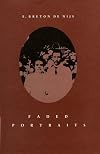
A deeply felt fictionalized memoir of colonial family life in Indonesia when it was a Dutch colony. De Nijs (a nom de plume for Rob Nieuwenhuys, 1908-1999) was the son of a Dutch immigrant father and a half-Dutch/half-Indonesian mother. He grew up in Batavia (now Jakarta), passionately sympathetic to his “native” roots and to indigenous Javanese culture. Telling the story of his childhood and young adulthood through various family members, though focusing on his aunt, he simultaneously show more tells of Dutch, Indo (mixed), and Javanese characters, exposing the ingrained and appalling racism and caste/class beliefs pervading Dutch colonial society. The prose is wonderfully evocative, the story a sad and poignant tale, but De Nijs is so good that it is possible to understand—if not sympathize with—all sides in the complex equation. And though he’s telling a story of the first part of the 20th century, it depicts a lost world. The writing is excellent and the book well worth the investment of time if the subject matter is of interest…and perhaps even if it is not. show less


Awards


You May Also Like


Associated Authors
Statistics
- Works
- 26
- Also by
- 7
- Members
- 343
- Popularity
- #69,542
- Rating
- 3.4
- Reviews
- 17
- ISBNs
- 34
- Languages
- 1