
Nicholas Wapshott
Author of Keynes Hayek: The Clash that Defined Modern Economics
About the Author
John Maynard Keynes and Friedrich von Hayek peered at each other across a yawning gap that defined the most potent economic battle of our time: whether governments should intervene in markets. Both men's ideas would swing in and out of favor with politicians from Franklin Roosevelt to George W. show more Bush and would eventually influence the livelihood of millions. Keynes Hayek vividly examines the spirited debates between two giants of the twentieth century, whose disparate visions still shape the rise and fall of economies all over the world. Nicholas Wapshott is a journalist and the author of Ronald Reagan and Margaret Thatcher: A Political Marriage. A former senior editor at the London Times and the New York Sun, he lives in New York City. show less
Works by Nicholas Wapshott
Tagged
Common Knowledge
- Gender
- male
Members
Reviews
This was a great read; biographies of two iconic 20th Century political figures intertwined with each other against the backdrop of global power shifts and the evolution what has come to be American conservatism.
Imperfect on its politics (it really is too short a book to take up all the issues it casually throws around in the second half), its economics (which it doesn't engage with substantively), and even its storytelling (the book really could have ended with one summary chapter after the death of keynes - not 5), this book is nonetheless great fun, sheds light on the personal backgrounds and interconnections between economists, and - in so doing - reveals the small size and social inbreddedness show more of the coterie in charge of our world.
This book is written by a journalist and both gains from the emphasis on narrative craft and suffers from the emphasis on (usually biographical) colour that are the mark of books written by journalists. The (first half of the) book's methodological individualism is at once predictable and deadening - and yet also the reason why this book is good fun.
Ultimately, once the fun has been had, one is left with the beginnings of a structure for developing a history of contemporary economic thought. This is no useless thing, given a world of economics instruction that teaches theories in isolation from the context that produced them or even, indeed, competing theories. It is, of course, only a beginning. show less
This book is written by a journalist and both gains from the emphasis on narrative craft and suffers from the emphasis on (usually biographical) colour that are the mark of books written by journalists. The (first half of the) book's methodological individualism is at once predictable and deadening - and yet also the reason why this book is good fun.
Ultimately, once the fun has been had, one is left with the beginnings of a structure for developing a history of contemporary economic thought. This is no useless thing, given a world of economics instruction that teaches theories in isolation from the context that produced them or even, indeed, competing theories. It is, of course, only a beginning. show less
Excellent chronicle of the most important intellectual clash of the 20th and 21st century, and one that will undoubtedly rage for some time. It is a battle over the size and role of government in our lives and has powerful implications for individual liberty. As we have seen, it often transcends party lines. Nixon, George W. Bush were more Keynesian while Reagan tilted toward Hayek. Interestingly, Trump may be more Keynesian (advocating a huge infrastructure package) but is considering a show more Hayekian (Kudlow) as his Chairman of Economic Advisors. Well written and important book and not too technical for those that lack economic training. show less
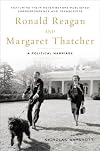
Seldom have two heads-of-state been better matched to work for common goals than were Ronald Reagan and Margaret Thatcher. However, neither their personal relationship nor their political one was as placid as usually portrayed for benefit of the general public on both sides of the Atlantic. Nicholas Wapshott’s dual biography, Ronald Reagan and Margaret Thatcher: A Political Marriage, offers a more realistic look at the personal relationship that helped change the course of world history by show more so directly contributing to the end of the Cold War.
Reagan and Thatcher, whose terms in office overlapped by the eight years of Reagan’s presidency, first met in 1975 at the suggestion of a friend of Reagan’s who believed that the two would be natural political allies. At the time of their meeting, Thatcher had just been elected Conservative leader and Reagan had just finished his second term as governor of California and was being pressed by some for a run at the presidency. On that eventful day, the pair found their political views to be almost identical and they forged an alliance, both personal and political, that would remain strong and productive throughout Reagan’s entire term as President of the United States.
Margaret Thatcher saw Ronald Reagan as an inspirational figure but Reagan’s tremendous respect for her political skills, and his willingness to listen to her and to take her advice on a regular basis, placed Thatcher in the unusual position of being almost an unofficial member of the Reagan Cabinet. As a result, Thatcher influenced American international policy like no world leader other than Winston Churchill had ever done before her. She was not afraid to make demands of Reagan and she found him a willing listener who could often be moved in the political direction that she preferred as British Prime Minister.
That is not to say that Ronald Reagan always gave in to Margaret Thatcher’s arguments, but she knew that she could always count on Reagan to give her point-of-view a fair hearing. Together, the two leaders hastened the demise of the Soviet Union by keeping the “heat” on its leadership and by engaging their two economies in a spending war for military weapons that the Soviets could not long sustain.
On the surface, the two seem to have had little in common. Thatcher’s formative years as a shopkeeper’s daughter, with a religious father who seldom allowed alcohol in his home, was very different from the childhood endured by Reagan, son of an alcoholic father who could barely afford food and shelter for his family at times. But remarkably Thatcher and Reagan ended up with the same strong beliefs that nothing was more important than family and religious faith. Both believed in hard work and developed a true appreciation for those who made their living in “trade,” producing a strong belief in each of them that everyone deserves respect and fair treatment regardless of social class or financial worth, lessons that served each of them well in their political careers.
Nicholas Wapshott’s use of the treasure trove of hundreds of recently declassified letters, notes, transcripts of telephone conversations and recollections of many who witnessed the relationship as insiders has resulted in an effective political history of the eighties and the kind of dual biography that political junkies everywhere will enjoy. Taken alone, Ronald Reagan and Margaret Thatcher would have likely been recognized as remarkable politicians, but taken together as a unified team with common goals they enjoyed the kind of success that the pairing of George W. Bush and Tony Blair could only dream about. What they accomplished by joining forces was astounding.
Rated at: 4.0 show less
Reagan and Thatcher, whose terms in office overlapped by the eight years of Reagan’s presidency, first met in 1975 at the suggestion of a friend of Reagan’s who believed that the two would be natural political allies. At the time of their meeting, Thatcher had just been elected Conservative leader and Reagan had just finished his second term as governor of California and was being pressed by some for a run at the presidency. On that eventful day, the pair found their political views to be almost identical and they forged an alliance, both personal and political, that would remain strong and productive throughout Reagan’s entire term as President of the United States.
Margaret Thatcher saw Ronald Reagan as an inspirational figure but Reagan’s tremendous respect for her political skills, and his willingness to listen to her and to take her advice on a regular basis, placed Thatcher in the unusual position of being almost an unofficial member of the Reagan Cabinet. As a result, Thatcher influenced American international policy like no world leader other than Winston Churchill had ever done before her. She was not afraid to make demands of Reagan and she found him a willing listener who could often be moved in the political direction that she preferred as British Prime Minister.
That is not to say that Ronald Reagan always gave in to Margaret Thatcher’s arguments, but she knew that she could always count on Reagan to give her point-of-view a fair hearing. Together, the two leaders hastened the demise of the Soviet Union by keeping the “heat” on its leadership and by engaging their two economies in a spending war for military weapons that the Soviets could not long sustain.
On the surface, the two seem to have had little in common. Thatcher’s formative years as a shopkeeper’s daughter, with a religious father who seldom allowed alcohol in his home, was very different from the childhood endured by Reagan, son of an alcoholic father who could barely afford food and shelter for his family at times. But remarkably Thatcher and Reagan ended up with the same strong beliefs that nothing was more important than family and religious faith. Both believed in hard work and developed a true appreciation for those who made their living in “trade,” producing a strong belief in each of them that everyone deserves respect and fair treatment regardless of social class or financial worth, lessons that served each of them well in their political careers.
Nicholas Wapshott’s use of the treasure trove of hundreds of recently declassified letters, notes, transcripts of telephone conversations and recollections of many who witnessed the relationship as insiders has resulted in an effective political history of the eighties and the kind of dual biography that political junkies everywhere will enjoy. Taken alone, Ronald Reagan and Margaret Thatcher would have likely been recognized as remarkable politicians, but taken together as a unified team with common goals they enjoyed the kind of success that the pairing of George W. Bush and Tony Blair could only dream about. What they accomplished by joining forces was astounding.
Rated at: 4.0 show less
You May Also Like


Statistics
- Works
- 10
- Members
- 707
- Popularity
- #35,839
- Rating
- 3.9
- Reviews
- 6
- ISBNs
- 49
- Languages
- 7