

Ted Morgan (1932–2023)
Author of Wilderness At Dawn: The Settling of the North American Continent
About the Author
Ted Morgan is the Pulitzer Prize-winning author of Valley of Death, Maugham, My Battle of Algiers, and FDR, among other books. He lives in New York.
Works by Ted Morgan
Valley of Death: The Tragedy at Dien Bien Phu That Led America into the Vietnam War (2010) 158 copies, 4 reviews
An Uncertain Hour: The French, the Germans, the Jews, the Klaus Barbie Trial, and the City of Lyon, 1940-1945 (1990) 90 copies
How To Marry A Multi-millionaire: The Ultimate Guide To High Net Worth Dating (2006) 5 copies, 1 review
"The Barbie File" 1 copy
Associated Works
What If? The World's Foremost Military Historians Imagine What Might Have Been (1999) — Contributor — 1,937 copies, 27 reviews
What Ifs? of American History : Eminent Historians Imagine What Might Have Been (2003) — Contributor — 537 copies, 7 reviews
The Age of Magnificence: The Memoirs of the Duc De Saint-Simon (1820) — Editor, some editions — 39 copies
MHQ: The Quarterly Journal of Military History — Spring 1998 (1998) — Author "A Quagmire Avoided?" — 17 copies
MHQ: The Quarterly Journal of Military History — Winter 1990 (1989) — Author "When the Maquis Stood and Fought" — 16 copies
Tagged
Common Knowledge
- Legal name
- Morgan, Ted
- Other names
- Gramont, Sanche de
- Birthdate
- 1932-03-30
- Date of death
- 2023-12-13
- Gender
- male
- Education
- Yale University
- Organizations
- New York Herald Tribune
- Short biography
- Born as Sanche de Gramont; immigrated to the U.S. and changed name to Ted Morgan, an anagram of de Gramont.
- Nationality
- France
USA - Birthplace
- Geneva, Geneva, Switzerland
- Associated Place (for map)
- Geneva, Switzerland
Members
Reviews

This book changed my life, as did Camille Paglia's "Sexual Personae" when I first read it 19 years ago. "Literary Outlaw" is a great window onto the post-WWII-beatnik culture--specifically the friends & people constituting Burroughs' Columbia University / Times Square NYC / Mexico City / Tangiers / Paris / London and again and finally New York City communities--in the 40's and 50's & beyond. Thus this text provides necessary background info missing from "The Letters of William S. Burroughs show more 1945-1959" (which I also highly recommend). I also learned via "Literary Outlaw" that Burroughs was very interested in magic and/or black magic, of which he was often a practitioner. Subsequently, this interest in magic ties into the dream world / dream time origins (where morality is suspended) of Burroughs' writing. Ted Morgan deconstructs Burroughs with fantastic and fascinating insight--Morgan is a Pulitzer-prize winning journalist & experienced biographer, having written 3 other biographies covering more mainstream public figures. PS--The chapter in "Literary Outlaw" dealing with the demise and slow suicide of Burrough's incredibly self-destructive son Billy was heartbreaking and heart-wrenching! It killed me! In fact, it was so heavy it that I could only deal with it in stages. show less

Of all the presidents before my own time, except Lincoln, I thought I knew and understood Franklin D. Roosevelt. Ted Morgan's provocative and finely balanced biography has shown me I was wrong. In it, FDR becomes far more than the mere colossus bestriding the mid-twentieth century he had always seemed to me, revealing himself as a richly complex man of base hungers, crass manipulations, and magnificent statesmanship. There's something here to surprise everyone, I think, from liberal show more worshipers to conservative antagonists to everything Roosevelt is believed to have been. The programs he initiated during the greatest financial crisis in American history altered the political and social landscape of the country in ways that have not reverted since. That he almost single-handedly created the social safety net has made him anathema to the rock-ribbed team, but the great revelation to me was how much of what he did was in direct service of capitalism and its survival. Morgan puts the lie to the notion that Roosevelt worked for, or allowed, the Japanese attack on Pearl Harbor, and makes a substantial effort to admit FDR into the army of those who gave their lives for the country during the war. All in all, for all the disillusionments that liberals will find here, for all the surprises conservatives may find, this is a major biography of one of the preeminent men of modern times, and the development of a rather spoiled young man into one of America's most selfless statesmen is a story well worth reading. show less
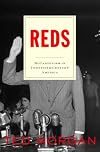
Reds must certainly be the most detailed history ever written of communist espionage in the United States and the country's legal and political responses to it. This six-hundred page book covers the topic from the military intervention of the US and allies against the Bolsheviks following WWI to the actions (largely illegal) of the FBI against civil rights and anti-war protests of the 1960's culminating in the false narratives about "Weapons of Mass Destruction" that led to the Iraq war. The show more author relies quite a bit on the recently declassified "Venona" files -- decoded messages from Soviet agents to and from Moscow during the era. The title's sub-heading is "McCarthyism in Twentieth Century America". While the book certainly gives a complete and fascinating look and the rise and fall of McCarthy, the story covers all the history of Soviet espionage including infiltration of the labor movement, the use of "front" organizations, spy rings passing along atomic secrets and much more.
There are several takeaways from Morgan's work. The Soviets did achieve considerable penetration of American institutions, particularly in the 1930's and 40's. Many labor unions were communist controlled and there was much interest in communism in universities and the arts. There were, in fact, spies in high positions of government who actively collaborated with Russian intelligence. Alger Hiss was unquestionably in the service of the Soviets as were other officials, some quite close to the seats of power, i.e. Roosevelt, Acheson, et. al. The Rosenberg's were fully engaged in seeking and passing along atomic secrets, though the death sentences for them (especially Ethel) were out-of-proportion to the penalties given to others. It also seems that the impact of espionage was fairly limited, except in the case of atomic secrets. Nonetheless, one is struck by the extent of sympathy for communism especially in light of the rigidity of Moscow toward its American adherents and the depredations inflicted by Stalin that were known from the late 30's on. The intellectual currents that gave rise to the attraction of communism are not given much attention in this work.
The reactions to communist activity in America followed two lines, both of which were excessive in their application but nonetheless quite effective. Both lines of response betrayed core American ideals of justice (due process) and fairness. The Smith Act made it a crime to advocate violent overthrow of the government and, perhaps more significantly, was accompanied by a requirement of loyalty oaths for all manner of public employment. While relatively few persons, given the vast numbers of people reviewed, were actually disqualified the chilling impact of this draconian measure was devastating, especially to persons who in years past had naively dabbled with leftist organizations. Beyond its "witch hunt" aspect, the Smith Act very effectively brought about the demise of the Communist Party USA. From its zenith in the 30's the party through the persecution of criminal authorities had become a shadow of itself by the 1950's.
The second line of attack against Reds was political. Very early on, the House Un-American Affairs Committee (HUAC) pursued leftists by publicly exposing them in hearings. While to a great degree effective this method was grossly unfair, often exposing people to their ruin for activities that occurred many years past and that had resulted in no danger to the country. Occasionally the work of the committee did produce actual spies, such as Hiss, who were prosecuted and jailed for contempt or perjury. The book gives attention to the committee's campaign against Hollywood in the 1940's and 50's. I found the author's treatment of this odious public shaming somewhat odd. He correctly asserts that the writers and actors dragged before the committee made things worse for themselves by their overly histrionic resistance, but he misses the point that the committee's aim was not to punish them legally (except where perjury could be suborned) but to ruin them for their associations. The committee made a spectacle of browbeating well-known personages to openly "name names" when, in fact, the connections to communist organizations of those to be publicly revealed was already known. The author concludes sensibly that the influence that writers, film makers and actors could have had on spreading the communist's gospel was, in any real sense, very minimal.
The story of McCarthy's rise and fall is quite riveting, a Shakespearian tragedy to be sure. McCarthy was hugely ambitious and motivated overwhelmingly by an insatiable need for self-advancement. (The author covers his early career as a district judge where McCarthy showed considerable compassion for those appearing before his court. He also details McCarthy's strange attack on the prosecution of war criminals for the infamous Malmadey massacre.) McCarthy latched on to the growing pubic paranoia about communist infiltration emerging in the late 40's and 50's, heightened by the Soviet's acquisition of the atomic bomb and the invasion of South Korea in 1950. His approach was to make wild claims of communists under every bed and to savagely attack anyone, including his Senate colleagues, who opposed his methods. His viciousness has few parallels in modern times. Morgan goes into extensive and fascinating detail about McCarthy's moment in the sun. What is equally interesting is how in view of his outrageous behavior he was able to intimidate into silence those who were repulsed by his tactics and behavior. It really was his own self-destructiveness culminating in the Army-McCarthy hearings that led to his collapse. Certainly the national near hysteria about the perceived threat of the Soviet Union that supplied the electricity that he exploited. And, a most interesting element of McCarthy's war on communists in government is that by the time of his hearing the actual communist spy apparatus was almost entirely defunct, done in by the Smith Act and judicial prosecution of communists. The national attention drawn by his pursuit of a communist Army dentist and low-level clerical workers affirms the national extreme fear of the Soviet Union.
Morgan devotes considerable space to the history of the FBI's involvement in rooting out and countering espionage rings and leftist "fellow travelers" of the communist movement. J. Edgar Hoover became obsessed with the danger he felt Reds presented to the country. Beyond pursuing actual spies, this led to his determination that the civil rights movement and, later, the student protest movement, were communist driven. Hoover, like McCarthy, was riding on the wave of fear and revulsion of the Soviet Union and this enabled him to stay influential with presidents and leading legislators for decades. It also led to overtly illegal counterintelligence tactics against purported opponents that are a blot on our history.
The author concludes with an analysis of how this anti-Red mania led to Nixon's sanction for illegal actions against those who opposed his policies. In fact, it was Nixon's disdain for the FBI's reluctance to go along that produced the notorious "plumbers" outfit that ultimately brought about Nixon's fall. Ending his story in mid-2003, Morgan delves into the manipulation of truth by the Bush administration that turned the horror of the 9/11 attacks into the non sequitur of the Iraq war.
This is a very long read, but well worth the time. Although one might not agree on every conclusion drawn, the history is exhaustively well-researched and his treatment of the events and players admirably well-balanced. show less
There are several takeaways from Morgan's work. The Soviets did achieve considerable penetration of American institutions, particularly in the 1930's and 40's. Many labor unions were communist controlled and there was much interest in communism in universities and the arts. There were, in fact, spies in high positions of government who actively collaborated with Russian intelligence. Alger Hiss was unquestionably in the service of the Soviets as were other officials, some quite close to the seats of power, i.e. Roosevelt, Acheson, et. al. The Rosenberg's were fully engaged in seeking and passing along atomic secrets, though the death sentences for them (especially Ethel) were out-of-proportion to the penalties given to others. It also seems that the impact of espionage was fairly limited, except in the case of atomic secrets. Nonetheless, one is struck by the extent of sympathy for communism especially in light of the rigidity of Moscow toward its American adherents and the depredations inflicted by Stalin that were known from the late 30's on. The intellectual currents that gave rise to the attraction of communism are not given much attention in this work.
The reactions to communist activity in America followed two lines, both of which were excessive in their application but nonetheless quite effective. Both lines of response betrayed core American ideals of justice (due process) and fairness. The Smith Act made it a crime to advocate violent overthrow of the government and, perhaps more significantly, was accompanied by a requirement of loyalty oaths for all manner of public employment. While relatively few persons, given the vast numbers of people reviewed, were actually disqualified the chilling impact of this draconian measure was devastating, especially to persons who in years past had naively dabbled with leftist organizations. Beyond its "witch hunt" aspect, the Smith Act very effectively brought about the demise of the Communist Party USA. From its zenith in the 30's the party through the persecution of criminal authorities had become a shadow of itself by the 1950's.
The second line of attack against Reds was political. Very early on, the House Un-American Affairs Committee (HUAC) pursued leftists by publicly exposing them in hearings. While to a great degree effective this method was grossly unfair, often exposing people to their ruin for activities that occurred many years past and that had resulted in no danger to the country. Occasionally the work of the committee did produce actual spies, such as Hiss, who were prosecuted and jailed for contempt or perjury. The book gives attention to the committee's campaign against Hollywood in the 1940's and 50's. I found the author's treatment of this odious public shaming somewhat odd. He correctly asserts that the writers and actors dragged before the committee made things worse for themselves by their overly histrionic resistance, but he misses the point that the committee's aim was not to punish them legally (except where perjury could be suborned) but to ruin them for their associations. The committee made a spectacle of browbeating well-known personages to openly "name names" when, in fact, the connections to communist organizations of those to be publicly revealed was already known. The author concludes sensibly that the influence that writers, film makers and actors could have had on spreading the communist's gospel was, in any real sense, very minimal.
The story of McCarthy's rise and fall is quite riveting, a Shakespearian tragedy to be sure. McCarthy was hugely ambitious and motivated overwhelmingly by an insatiable need for self-advancement. (The author covers his early career as a district judge where McCarthy showed considerable compassion for those appearing before his court. He also details McCarthy's strange attack on the prosecution of war criminals for the infamous Malmadey massacre.) McCarthy latched on to the growing pubic paranoia about communist infiltration emerging in the late 40's and 50's, heightened by the Soviet's acquisition of the atomic bomb and the invasion of South Korea in 1950. His approach was to make wild claims of communists under every bed and to savagely attack anyone, including his Senate colleagues, who opposed his methods. His viciousness has few parallels in modern times. Morgan goes into extensive and fascinating detail about McCarthy's moment in the sun. What is equally interesting is how in view of his outrageous behavior he was able to intimidate into silence those who were repulsed by his tactics and behavior. It really was his own self-destructiveness culminating in the Army-McCarthy hearings that led to his collapse. Certainly the national near hysteria about the perceived threat of the Soviet Union that supplied the electricity that he exploited. And, a most interesting element of McCarthy's war on communists in government is that by the time of his hearing the actual communist spy apparatus was almost entirely defunct, done in by the Smith Act and judicial prosecution of communists. The national attention drawn by his pursuit of a communist Army dentist and low-level clerical workers affirms the national extreme fear of the Soviet Union.
Morgan devotes considerable space to the history of the FBI's involvement in rooting out and countering espionage rings and leftist "fellow travelers" of the communist movement. J. Edgar Hoover became obsessed with the danger he felt Reds presented to the country. Beyond pursuing actual spies, this led to his determination that the civil rights movement and, later, the student protest movement, were communist driven. Hoover, like McCarthy, was riding on the wave of fear and revulsion of the Soviet Union and this enabled him to stay influential with presidents and leading legislators for decades. It also led to overtly illegal counterintelligence tactics against purported opponents that are a blot on our history.
The author concludes with an analysis of how this anti-Red mania led to Nixon's sanction for illegal actions against those who opposed his policies. In fact, it was Nixon's disdain for the FBI's reluctance to go along that produced the notorious "plumbers" outfit that ultimately brought about Nixon's fall. Ending his story in mid-2003, Morgan delves into the manipulation of truth by the Bush administration that turned the horror of the 9/11 attacks into the non sequitur of the Iraq war.
This is a very long read, but well worth the time. Although one might not agree on every conclusion drawn, the history is exhaustively well-researched and his treatment of the events and players admirably well-balanced. show less
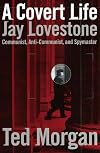
Jay Lovestone, who is largely forgotten today, led an extraordinary life – much of it in the shadows. He was one of the founders of the Communist Party in the US, and rose to become its general secretary by the late 1920s. He survived the various faction fights in the Communist International until 1929, when he bet on the wrong horse. In supporting Bukharin against Stalin, Lovestone very nearly signed his own death warrant. He managed to escape from Soviet Russia and returned to the US, no show more longer having a political home. For a decade or so, he and few hundred supporters tried their best to curry favour with the Stalinists and be readmitted to the ranks of the Party. They failed, despite doing things like declaring the Moscow show trials to be free and fair. By the time Stalin and Hitler had signed their 1939 non-aggression pact, Lovestone knew that his time as a Communist was finished. He was recruited by David Dubinsky, the leader of one of America’s largest unions, to run international labour work, including building support for the US entering the war on the Allied side. Lovestone continued in that role, as the head of the American labour movement’s international work, for some three decades. His main job – indeed his only job – was to fight against the Communists that had previously been his comrades. Lovestone used the tactics of the Stalinists against the Stalinists. He was manipulative, deceitful and utterly ruthless. And once he started the work, he never looked back. He died an embittered and lonely man. Ted Morgan tells the story well, though he has a tendency to bounce around a bit and sometimes it’s hard to pick up the thread of Lovestone’s life. show less
Lists
Awards


You May Also Like


Associated Authors
Statistics
- Works
- 24
- Also by
- 6
- Members
- 2,707
- Popularity
- #9,491
- Rating
- 3.6
- Reviews
- 27
- ISBNs
- 75
- Languages
- 6
- Favorited
- 4