
Lee Jackson (2) (1971–)
Author of Dirty Old London: The Victorian Fight Against Filth
For other authors named Lee Jackson, see the disambiguation page.
About the Author
Image credit: Lee Jackson. British writer, historical London
Series
Works by Lee Jackson
Palaces of Pleasure: From Music Halls to the Seaside to Football, How the Victorians Invented Mass Entertainment (2019) 49 copies, 1 review
The Seven Curses of London 3 copies
Associated Works
BBC Proms 2019 : Prom 40 : Queen Victoria's 200th Anniversary [sound recording] (2019) — Contributor — 1 copy
Tagged
Common Knowledge
- Birthdate
- 1971-05-13
- Gender
- male
Members
Reviews
Palaces of Pleasure: From Music Halls to the Seaside to Football, How the Victorians Invented Mass Entertainment by Lee Jackson
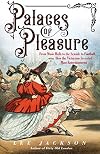
On the whole, I was both entertained and informed with this book, as the author walks you through the rise of commercial entertainment in Victorian England; much of this being wrapped up with varying degrees of handwringing over how much independent space adult women were to be granted. Also, while Jackson apparently started this book mostly concerned about the roots of "gin palace" (aka the modern bar) and music halls, the most interesting portions to me dealt with the rise of what you show more might call theme parks, at the conjunction where "pleasure gardens" and exhibition complexes (epitomized by the Crystal Palace) met, and the business juggling needed to keep them going. To be honest, the portion dealing with the rise of football/soccer as a pro endeavor felt a little throwaway for me; the tie-in being that a lot of the early big matches took place on exhibition grounds. show less
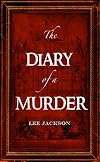
A murder has been committed--the young wife of a respectable London clerk is discovered dead in her parlour and her husband is missing. The police strongly suspect that he is responsible for the murder and start to look for him, but in the meantime they discover his diary where he seemingly confesses to the crime--or at least responsibility for it.
We, along with the police, then read the day-by-day account of the life of this man and his young wife, the ghastly in-laws, his alcoholic father show more and bit by bit, the tawdry little tangle he finds himself in--almost against his will, but not quite.
Lee Jackson writes with a very sure hand and makes Victorian London come to life. The petty little man who is trying to make his way in a hide-bound, class conscious society rings very true, as does the husband's attitude towards women and people who try to thrust themselves unworthily above their station.
A great story and quite a twist of an ending. show less
We, along with the police, then read the day-by-day account of the life of this man and his young wife, the ghastly in-laws, his alcoholic father show more and bit by bit, the tawdry little tangle he finds himself in--almost against his will, but not quite.
Lee Jackson writes with a very sure hand and makes Victorian London come to life. The petty little man who is trying to make his way in a hide-bound, class conscious society rings very true, as does the husband's attitude towards women and people who try to thrust themselves unworthily above their station.
A great story and quite a twist of an ending. show less
Ugh. How'd you like to live in London in the 18th, 19th century? London grew so fast in population that its filth got out of hand before humans were willing or able to do something about it. Poor people lived extremely crowded, horribly filthy lives, living cheek by jowl alongside masses of sewage and slops. Horse dung and human feces and urine coated the streets. Factory smokestacks, slaughterhouses, leatherwork, dirt yards, coal fires in every poor hovel to the upper classes multiple show more fireplaces in their homes choked the air with miasmatic pollution. Poor people with little money for properly burying deceased members of their families would find that the corpses would be chopped up and burnt so the churchyard could resell the coffins. It makes you wonder how far London and other megalopolises will explode
with the cockroach-like humans before capitalists and the religious right will allow something to be done about irresponsible breeding. This book makes you squirmy while reading it, but is endlessly, morbidly fascinating. show less
with the cockroach-like humans before capitalists and the religious right will allow something to be done about irresponsible breeding. This book makes you squirmy while reading it, but is endlessly, morbidly fascinating. show less
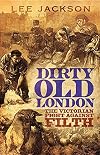
London in the 19th Century was a dirty place. Reliance on coal made air pollution a problem and the burgeoning population meant that waste from humans was an ever growing issue. In this book Lee Jackson explores how the Victorians approached dealing with the different forms of dirt and the impact that changes had on society.
From the plight of chimney sweeps to the 'Great Stink', this is a comprehensive look at the different forms of 'dirt' produced and the ever inventive ways that the show more Victorians had of dealing with it. How the garden cemeteries of London were a commercial venture spurred on by the disinterment of half rotted corpses in church graveyards, how sewers and baths became the norm rather than the exception and sad story of the women who shared single dresses and couldn't leave the house - Jackson has meticulously researched the facts and provides the evidence. This is an incredibly readable and entertaining book which has some key messages for society now as well. show less
From the plight of chimney sweeps to the 'Great Stink', this is a comprehensive look at the different forms of 'dirt' produced and the ever inventive ways that the show more Victorians had of dealing with it. How the garden cemeteries of London were a commercial venture spurred on by the disinterment of half rotted corpses in church graveyards, how sewers and baths became the norm rather than the exception and sad story of the women who shared single dresses and couldn't leave the house - Jackson has meticulously researched the facts and provides the evidence. This is an incredibly readable and entertaining book which has some key messages for society now as well. show less
Awards


You May Also Like


Associated Authors
Statistics
- Works
- 19
- Also by
- 2
- Members
- 837
- Popularity
- #30,526
- Rating
- 3.7
- Reviews
- 22
- ISBNs
- 118
- Languages
- 3
- Favorited
- 1