
Paul Newman (1) (1925–2008)
Author of The Extraordinary Life of an Ordinary Man: A Memoir
For other authors named Paul Newman, see the disambiguation page.
About the Author
Actor Paul Newman was born in Shaker Heights, Ohio on January 26, 1925. During World War II, he served in the Navy. He graduated from Kenyon College in 1949 and later studied acting at Yale University and at the Actors' Studio in New York City. He made his Broadway debut in 1953 in Picnic and his show more film debut in The Silver Chalice in 1954. His film roles include Cat on a Hot Tin Roof, Sweet Bird of Youth, Cool Hand Luke, Butch Cassidy and the Sundance Kid, The Sting, and Road to Perdition. In 1987, he won an Oscar for The Color of Money. He also won two Golden Globe Awards, a Screen Actors Guild Award, a Cannes Film Festival Award, and an Emmy Award. One of his last roles was the voice of Doc Hudson in the 2006 animated movie Cars. In 1982, he founded Newman's Own, a line of food products, with writer A. E. Hotchner. He established a policy that all proceeds from the sale of Newman's Own products, after taxes, would be donated to charity. He and Hotchner co-wrote a memoir entitled Shameless Exploitation in Pursuit of the Common Good about this subject. He also established the Hole in the Wall Gang Camp, which is a residential summer camp for seriously ill children.He died after a long battle with lung cancer on September 26, 2008 at the age of 83. (Bowker Author Biography) show less
Works by Paul Newman
Newman's Own Cookbook: A Veritable Cornucopia of Recipes, Food Talk, Trivia, and Newman's Pearls of Wisdom (1985) 218 copies
Shameless Exploitation in Pursuit of the Common Good: The Madcap Business Adventure by the Truly Oddest Couple (2003) 186 copies, 5 reviews
Where the Money Is [2000 film] 6 copies
Newman's Own 22 Favorite Recipes 2 copies
Associated Works
Alfred Hitchcock: The Masterpiece Collection [14 films 1942-1976] (1942) — Actor — 116 copies, 2 reviews
Buffalo Bill and the Indians, or Sitting Bull's History Lesson [1976 film] (1976) — Actor — 33 copies, 1 review
Cradle Will Rock: The Movie and the Moment (Newmarket Press Pictorial Movie Book) (1999) — Foreword — 25 copies
The Coen Brothers Collection: The Big Lebowski / The Hudsucker Proxy / Barton Fink / Blood Simple — Actor — 17 copies
The Paul Newman Collection (Harper / The Drowning Pool / The Left-Handed Gun / The Mackintosh Man / Pocket Money / Somebody Up There Likes Me / The Young Philadelphians) (2006) — Actor — 9 copies
Double Feature: Paul Newman: Nobody’s Fool [and] Fat Man & Little Boy — Actor — 5 copies
Dale [2007 film] — Narrator — 4 copies
King: A Filmed Record... From Montgomery to Memphis — Narrator — 2 copies
The Paul Newman Collection: Volume 2 — Actor — 1 copy
Blaze / Empire Falls Mini Series — Actor — 1 copy
The Distant Drummer: Flowers of Darkness [1972 film] — Narrator — 1 copy
Three-Pack Westerns: Valdez Is Coming / The Ride Back / Buffalo Bill and the Indians — Actor — 1 copy
The Films of Paul Newman — Actor — 1 copy
TCM Greatest Classic Films: Tennessee Williams — Actor — 1 copy
Super Speedway [1997 film] — Narrator — 1 copy
Tagged
Common Knowledge
- Legal name
- Newman, Paul Leonard
- Birthdate
- 1925-01-26
- Date of death
- 2008-09-26
- Gender
- male
- Education
- Kenyon College
Yale School of Drama
Actors Studio - Occupations
- actor
film director
race car driver
philanthropist - Organizations
- Newman's Own
Newman-Haas Racing
The Hole in the Wall Gang Camps
Westport Country Playhouse - Awards and honors
- Kennedy Center Honors (1992)
Academy Award (Best Actor, 1987)
Jean Hersholt Humanitarian Award (1994)
New York Film Critics Circle Award (Best Actor, 1994)
New York Film Critics Circle Award (Best Director, 1968) - Relationships
- Woodward, Joanne (spouse)
Newman, Nell (daughter) - Cause of death
- cancer
- Nationality
- USA
- Birthplace
- Shaker Heights, Ohio, USA
- Places of residence
- Westport, Connecticut, USA
Shaker Heights, Ohio, USA
New York, New York, USA - Place of death
- Westport, Connecticut, USA
- Associated Place (for map)
- USA
Members
Reviews
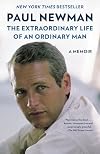
Between the years of 1986-1991, Paul Newman worked with the screenwriter and close friend Stewart Stern in dictating an oral history of his life. At the time, Newman was in his early sixties, looking back at his life and years as one of the best film actors of his generation. What he hoped to provide was an honest, warts and all account of his life. For readers hoping to find out more about the films he was involved in, they will come away disappointed. While many of his movies are show more mentioned, this memoir focuses on his off-stage personal life.
In The Extraordinary Life of an Ordinary Man, Newman presents a detailed account of his troubled childhood, excesses involving alcohol, his insecurities and failures as a husband and father in his first marriage. It includes the guilt he felt later with the death of his son Scott from a drug overdose. Throughout, Newman tries to be honest about what he considers his many faults. He is harder on himself than most readers will be. The picture given is of a man who was far from perfect, but still remained caring of others and generous with his money and political activities to make the world a better place.
His love for his second wife Joanne Woodward comes across loud and clear, although little is revealed about their personal life together. And while his exceptional charity work is touched upon, he downplays taking credit for it, suggesting it was the least that he could do. This oral history was not published until 2022, fourteen years after his death. Beyond a doubt Newman comes across as a flawed individual, but somehow even more likable than his film persona. Stripped of the glamor that accompanies fame, it shows a man who spent a lifetime struggling to overcome his darker impulses, humble and thankful for a success he never fully accepted as deserved. This memoir is refreshing because of its brutal honesty. show less
In The Extraordinary Life of an Ordinary Man, Newman presents a detailed account of his troubled childhood, excesses involving alcohol, his insecurities and failures as a husband and father in his first marriage. It includes the guilt he felt later with the death of his son Scott from a drug overdose. Throughout, Newman tries to be honest about what he considers his many faults. He is harder on himself than most readers will be. The picture given is of a man who was far from perfect, but still remained caring of others and generous with his money and political activities to make the world a better place.
His love for his second wife Joanne Woodward comes across loud and clear, although little is revealed about their personal life together. And while his exceptional charity work is touched upon, he downplays taking credit for it, suggesting it was the least that he could do. This oral history was not published until 2022, fourteen years after his death. Beyond a doubt Newman comes across as a flawed individual, but somehow even more likable than his film persona. Stripped of the glamor that accompanies fame, it shows a man who spent a lifetime struggling to overcome his darker impulses, humble and thankful for a success he never fully accepted as deserved. This memoir is refreshing because of its brutal honesty. show less
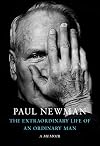
The format for this memoir/autobiography of one of Hollywood’s most respected actors is a bit unconventional. About 80% of the narrative are Paul Newman’s own words as recorded in transcribed interviews with one of his best friends from the mid-1980s to the early 1990s. The other 20% are comments from friends and movie industry colleagues as well as relatives. Newman’s equally famous wife, Joanne Woodward, also weighs in periodically in the book as do his children from two marriages. show more The story of Newman’s life is extremely candid, revealing the warts as well as what was behind “those eyes.” Drinking played an important part of Newman’s life, but unlike classic alcoholics, he seemed to know exactly when he was about to go over the alcohol cliff and then defied that gravity. His work was never affected by his drinking, nor, apparently were the relationships with his family and friends. In many respects, Paul Newman was a functioning drunk. I made a list of Newman’s films that I wanted to either watch for the first time or revisit. In some cases, I couldn’t remember whether or not I had seen them. The list is about seven movies long. Having the back story on his making of these films should give me a new perspective on them as I watch them all these years later. I wouldn’t consider myself a Paul Newman fan necessarily, but I have always liked his movies, and this book made me appreciate Newman as a man and an actor much more. I highly recommend it to fans and others like myself. show less
This is as close we will ever get to an autobiography of the legendary actor-director-race car driver, Paul Newman. He of the spectacular blue eyes. Awarded four stars on Goodreads, but that might be a bit generous. I’m a fan too.
But THE EXTRAORDINARY LIFE OF AN ORDINARY MAN isn’t technically an autobiography. It's close. Here’s how it came about.
About 20 years before he died at the age of 83, Paul Newman partnered up with friend and screenwriter Stewart Stern (Rebel Without A Cause), show more intending to write an autobiography. Newman was extensively interviewed by Stern and those interviews were transcribed. Stern also interviewed many friends, colleagues, and family members. Altogether, this research phase lasted five years. Then both Newman and Stern stopped.
Were they overwhelmed by the amount of material? Did Newman lose his urge to publish? Did someone close to him object? Who knows? But the project was not finished.
Then, about ten years AFTER Newman died in 2008, in an old family storage unit, producer Emily Wachtel found the transcripts, all fourteen thousand pages. She suggested that something be done with them. Though the original tapes were long gone, Newman's family, past the initial pain their grief, agreed that Newman's original project should be completed, with editing help from David Rosenthal. One of Newman's three daughters from his marriage to Joanne Woodward, Melissa, wrote an Introduction. Another daughter Clea wrote an Afterword.
This isn't your typical Hollywood memoir. There's much more introspection. Which is partly why I found most of the book quite interesting. It focuses on Newman’s own interest in figuring himself out. Many will be surprised to discover he was actually a deeply insecure, often self-loathing, remote man who yearned for intimacy and, at the same time, did everything in his power to run from it. It’s quite a frank book where Newman is open about the advantages and disadvantages of his exceptional looks. And also examines deeply personal issues — his distant and sometimes cruel parents, his own infidelity and alcoholism, and the early death of his eldest child, Scott.
At the end I do feel I understand more of who he was. Particularly with the interspersed insights from family, friends, and colleagues. The feeling I am left with is that Newman was a deeply sad human being-- despite his looks, professional success, wealth, loving family, and extensive philanthropic work. Despite appearances, nobody really does have it all. show less
But THE EXTRAORDINARY LIFE OF AN ORDINARY MAN isn’t technically an autobiography. It's close. Here’s how it came about.
About 20 years before he died at the age of 83, Paul Newman partnered up with friend and screenwriter Stewart Stern (Rebel Without A Cause), show more intending to write an autobiography. Newman was extensively interviewed by Stern and those interviews were transcribed. Stern also interviewed many friends, colleagues, and family members. Altogether, this research phase lasted five years. Then both Newman and Stern stopped.
Were they overwhelmed by the amount of material? Did Newman lose his urge to publish? Did someone close to him object? Who knows? But the project was not finished.
Then, about ten years AFTER Newman died in 2008, in an old family storage unit, producer Emily Wachtel found the transcripts, all fourteen thousand pages. She suggested that something be done with them. Though the original tapes were long gone, Newman's family, past the initial pain their grief, agreed that Newman's original project should be completed, with editing help from David Rosenthal. One of Newman's three daughters from his marriage to Joanne Woodward, Melissa, wrote an Introduction. Another daughter Clea wrote an Afterword.
This isn't your typical Hollywood memoir. There's much more introspection. Which is partly why I found most of the book quite interesting. It focuses on Newman’s own interest in figuring himself out. Many will be surprised to discover he was actually a deeply insecure, often self-loathing, remote man who yearned for intimacy and, at the same time, did everything in his power to run from it. It’s quite a frank book where Newman is open about the advantages and disadvantages of his exceptional looks. And also examines deeply personal issues — his distant and sometimes cruel parents, his own infidelity and alcoholism, and the early death of his eldest child, Scott.
At the end I do feel I understand more of who he was. Particularly with the interspersed insights from family, friends, and colleagues. The feeling I am left with is that Newman was a deeply sad human being-- despite his looks, professional success, wealth, loving family, and extensive philanthropic work. Despite appearances, nobody really does have it all. show less
This is as close we will ever get to an autobiography of the legendary actor-director-race car driver, Paul Newman. He of the spectacular blue eyes. Awarded four stars on Goodreads, but that might be a bit generous. I’m a fan too.
But THE EXTRAORDINARY LIFE OF AN ORDINARY MAN isn’t technically an autobiography. It's close. Here’s how it came about.
About 20 years before he died at the age of 83, Paul Newman partnered up with friend and screenwriter Stewart Stern (Rebel Without A Cause), show more intending to write an autobiography. Newman was extensively interviewed by Stern and those interviews were transcribed. Stern also interviewed many friends, colleagues, and family members. Altogether, this research phase lasted five years. Then both Newman and Stern stopped.
Were they overwhelmed by the amount of material? Did Newman lose his urge to publish? Did someone close to him object? Who knows? But the project was not finished.
Then, about ten years AFTER Newman died in 2008, in an old family storage unit, producer Emily Wachtel found the transcripts, all fourteen thousand pages. She suggested that something be done with them. Though the original tapes were long gone, Newman's family, past the initial pain their grief, agreed that Newman's original project should be completed, with editing help from David Rosenthal. One of Newman's three daughters from his marriage to Joanne Woodward, Melissa, wrote an Introduction. Another daughter Clea wrote an Afterword.
This isn't your typical Hollywood memoir. There's much more introspection. Which is partly why I found most of the book quite interesting. It focuses on Newman’s own interest in figuring himself out. Many will be surprised to discover he was actually a deeply insecure, often self-loathing, remote man who yearned for intimacy and, at the same time, did everything in his power to run from it. It’s quite a frank book where Newman is open about the advantages and disadvantages of his exceptional looks. And also examines deeply personal issues — his distant and sometimes cruel parents, his own infidelity and alcoholism, and the early death of his eldest child, Scott.
At the end I do feel I understand more of who he was. Particularly with the interspersed insights from family, friends, and colleagues. The feeling I am left with is that Newman was a deeply sad human being-- despite his looks, professional success, wealth, loving family, and extensive philanthropic work. Despite appearances, nobody really does have it all. show less
But THE EXTRAORDINARY LIFE OF AN ORDINARY MAN isn’t technically an autobiography. It's close. Here’s how it came about.
About 20 years before he died at the age of 83, Paul Newman partnered up with friend and screenwriter Stewart Stern (Rebel Without A Cause), show more intending to write an autobiography. Newman was extensively interviewed by Stern and those interviews were transcribed. Stern also interviewed many friends, colleagues, and family members. Altogether, this research phase lasted five years. Then both Newman and Stern stopped.
Were they overwhelmed by the amount of material? Did Newman lose his urge to publish? Did someone close to him object? Who knows? But the project was not finished.
Then, about ten years AFTER Newman died in 2008, in an old family storage unit, producer Emily Wachtel found the transcripts, all fourteen thousand pages. She suggested that something be done with them. Though the original tapes were long gone, Newman's family, past the initial pain their grief, agreed that Newman's original project should be completed, with editing help from David Rosenthal. One of Newman's three daughters from his marriage to Joanne Woodward, Melissa, wrote an Introduction. Another daughter Clea wrote an Afterword.
This isn't your typical Hollywood memoir. There's much more introspection. Which is partly why I found most of the book quite interesting. It focuses on Newman’s own interest in figuring himself out. Many will be surprised to discover he was actually a deeply insecure, often self-loathing, remote man who yearned for intimacy and, at the same time, did everything in his power to run from it. It’s quite a frank book where Newman is open about the advantages and disadvantages of his exceptional looks. And also examines deeply personal issues — his distant and sometimes cruel parents, his own infidelity and alcoholism, and the early death of his eldest child, Scott.
At the end I do feel I understand more of who he was. Particularly with the interspersed insights from family, friends, and colleagues. The feeling I am left with is that Newman was a deeply sad human being-- despite his looks, professional success, wealth, loving family, and extensive philanthropic work. Despite appearances, nobody really does have it all. show less
Lists
Awards


You May Also Like


Associated Authors
Statistics
- Works
- 21
- Also by
- 80
- Members
- 886
- Popularity
- #28,919
- Rating
- 4.2
- Reviews
- 26
- ISBNs
- 110
- Languages
- 5
- Favorited
- 3


