
David Collier (1) (1963–)
Author of American Splendor: Unsung Hero
For other authors named David Collier, see the disambiguation page.
Series
Works by David Collier
Collier's #3 1 copy
Collier's #2 1 copy
Associated Works
An Anthology of Graphic Fiction, Cartoons, and True Stories (2000) — Contributor — 385 copies, 3 reviews
An Anthology of Graphic Fiction, Cartoons, and True Stories: v. 2 (2008) — Contributor — 169 copies, 2 reviews
Drawn & Quarterly: Twenty-five Years of Contemporary Cartooning, Comics, and Graphic Novels (2015) — Contributor — 149 copies, 5 reviews
Tagged
Common Knowledge
- Birthdate
- 1963-01-24
- Gender
- male
- Occupations
- cartoonist
- Organizations
- Canadian Armed Forces
- Nationality
- Canada
- Birthplace
- Windsor, Ontario, Canada
- Places of residence
- Saskatoon, Saskatchewan, Canada
Hamilton, Ontario, Canada
Windsor, Ontario, Canada - Associated Place (for map)
- Ontario, Canada
Members
Reviews
Rating: 4* of five
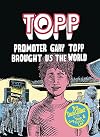
The Publisher Says: As with all of Collier's work, his latest graphic novel is a combination of memoir and biography. This time, he explores his involvement in the cultural landscape of Toronto in the 1970s and 80s, specifically focusing on the life of Gary Topp, a concert promoter and founder of the pioneering Canadian repertory cinema.
Topp emerged from an immigrant background, abandoned the family textile business, and became an influential figure in the lives of an show more entire community. He was also Collier's first boss and mentor. Though outspoken and opinionated, Gary Topp inspired love and devotion, not only in those who worked for him, but also in the acts he booked—including the Ramones, The Police, and the Dixie Chicks.
This graphic novel looks at a rapidly disappearing past and uses Topp's ability to see beyond the mainstream for a look at where our culture is heading.
I RECEIVED A DRC FROM THE PUBLISHER VIA EDELWEISS+. THANK YOU.
My Review: I feel old. Everything in this graphic novel took place, not just in my lifetime, but during my adulthood.
And it's fading history! This is the dim, distant past to the crowd most likely to buy a graphic novel. I'm gonna go shout at some clouds.
Anyway. I'm not from Toronto, but I feel a lot more aware of the reach of punk, and of weird 70s films, and the pervasive, why didn't I see it then, dissatisfaction of young men with the world. The thing about dissatisfaction is, it can be manipulated and redirected by those as observant and savvy as Topp was; often enough for wicked, nasty purposes. Neatly explaining today.
Each panel is an episode in the ongoing story, so it can be browsed without fear of losing the plot threads. Ain't none. I must say I'm lukewarm at best on the art...very appropriate to the period and milieu, though.
I got a few more samples; I don't think you're in any doubt about your feelings for the art by now, so I'll stop here.
Your too-cool-for-school nibling might enjoy seeing how it was done; any oldster punk-rock scenesters might feel nostalgic and dewy-eyed; comic book fans might like a graphic memoir about the edges of fame. It was a decent read. show less
The Publisher Says: As with all of Collier's work, his latest graphic novel is a combination of memoir and biography. This time, he explores his involvement in the cultural landscape of Toronto in the 1970s and 80s, specifically focusing on the life of Gary Topp, a concert promoter and founder of the pioneering Canadian repertory cinema.
Topp emerged from an immigrant background, abandoned the family textile business, and became an influential figure in the lives of an show more entire community. He was also Collier's first boss and mentor. Though outspoken and opinionated, Gary Topp inspired love and devotion, not only in those who worked for him, but also in the acts he booked—including the Ramones, The Police, and the Dixie Chicks.
This graphic novel looks at a rapidly disappearing past and uses Topp's ability to see beyond the mainstream for a look at where our culture is heading.
I RECEIVED A DRC FROM THE PUBLISHER VIA EDELWEISS+. THANK YOU.
My Review: I feel old. Everything in this graphic novel took place, not just in my lifetime, but during my adulthood.
And it's fading history! This is the dim, distant past to the crowd most likely to buy a graphic novel. I'm gonna go shout at some clouds.
Anyway. I'm not from Toronto, but I feel a lot more aware of the reach of punk, and of weird 70s films, and the pervasive, why didn't I see it then, dissatisfaction of young men with the world. The thing about dissatisfaction is, it can be manipulated and redirected by those as observant and savvy as Topp was; often enough for wicked, nasty purposes. Neatly explaining today.
Each panel is an episode in the ongoing story, so it can be browsed without fear of losing the plot threads. Ain't none. I must say I'm lukewarm at best on the art...very appropriate to the period and milieu, though.
I got a few more samples; I don't think you're in any doubt about your feelings for the art by now, so I'll stop here.
Your too-cool-for-school nibling might enjoy seeing how it was done; any oldster punk-rock scenesters might feel nostalgic and dewy-eyed; comic book fans might like a graphic memoir about the edges of fame. It was a decent read. show less

Later, Pekar would write Ego & Hubris, but I think this was his first extended non-autobiographical biographical comic. It covers the Vietnam wartime experiences of Robert McNeill, apparently a coworker of Perkar's judging by the (extremely light) frame sequences. The title seems inappropriate: this is a story about how Vietnam was not a place for heroes or heroism, but just dudes getting by in often terrible ways. The thing McNeill got a medal for turns out to be instigated by his attempt show more to avoid assigned duties. It's in that grittiness of war that this book really shines. McNeill isn't a good person, he's just a person, with all that entails, and Pekar presents his tale in his characteristically non-judgmental style. I found the discussion of race in the United States military during the war the most interesting part of the book, an aspect I knew little-to-nothing about prior to reading the book. show less
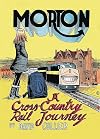
A disappointing and boring mess. There are so many digressions, flashbacks and asides that the ostensible travelogue sort of gets lost in the static. And when the travel portion does get a little attention, the author tends to talk more about his past experiences in a place and his already set impressions instead of what it is actually like now, and none of those experiences and judgments are particularly interesting.
Awards

You May Also Like


Associated Authors
Statistics
- Works
- 17
- Also by
- 13
- Members
- 238
- Popularity
- #95,269
- Rating
- 3.7
- Reviews
- 3
- ISBNs
- 41
- Languages
- 2