
John Carroll (2) (1944–)
Author of The Existential Jesus
For other authors named John Carroll, see the disambiguation page.
About the Author
John Carroll is Professor of Sociology at La Trobe University in Melbourne.
Works by John Carroll
Tagged
Common Knowledge
- Legal name
- Carroll, John Bernard
- Birthdate
- 1944
- Gender
- male
- Occupations
- professor of sociology
- Organizations
- La Trobe University
- Nationality
- Australia
- Associated Place (for map)
- Australia
Members
Reviews
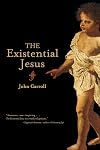
Ex-is-ten-tial –adjective: of or relating to existence, especially human existence.
This is Jesus, the way you’ve never read about him before. John Carroll draws primarily on the Gospel of Mark, a Gospel which rather quickly fell into disuse among early Christians as they favored the more majestic stories told by Matthew and the others.
Mark’s Jesus is far more human. He sometimes questions, sometimes fails. He is ridiculed by his family. Carroll portrays Jesus as a lonely, mysterious show more stranger with an obscure mission. By the end of his journey, he has lost all of his followers. “His life reaches its consummation in tragedy—a godless and profane one—and a great death scream from the cross, questioning the sense of it all.”
Mark’s story then closes with a mystery. An empty tomb, and three women fleeing in terror, told to tell no one of what they saw—or didn’t see. (Carroll is correct; the ending we have now in the book of Mark, describing the resurrection of Jesus, did not exist in the earliest manuscripts.)
Mark’s Gospel is, of course, one of four. Over time, the Jesus story grew in splendor, and by the time the fourth Gospel was written, Jesus had become God Himself. When I complete my book about John’s Gospel (yet a couple years away from publication), I am going to wander through every local bookstore and move my book next to Carroll’s, where the two extremes can sit side-by-side. show less
This is Jesus, the way you’ve never read about him before. John Carroll draws primarily on the Gospel of Mark, a Gospel which rather quickly fell into disuse among early Christians as they favored the more majestic stories told by Matthew and the others.
Mark’s Jesus is far more human. He sometimes questions, sometimes fails. He is ridiculed by his family. Carroll portrays Jesus as a lonely, mysterious show more stranger with an obscure mission. By the end of his journey, he has lost all of his followers. “His life reaches its consummation in tragedy—a godless and profane one—and a great death scream from the cross, questioning the sense of it all.”
Mark’s story then closes with a mystery. An empty tomb, and three women fleeing in terror, told to tell no one of what they saw—or didn’t see. (Carroll is correct; the ending we have now in the book of Mark, describing the resurrection of Jesus, did not exist in the earliest manuscripts.)
Mark’s Gospel is, of course, one of four. Over time, the Jesus story grew in splendor, and by the time the fourth Gospel was written, Jesus had become God Himself. When I complete my book about John’s Gospel (yet a couple years away from publication), I am going to wander through every local bookstore and move my book next to Carroll’s, where the two extremes can sit side-by-side. show less

Incisive and quotable. The approach is inductive, using particular examples from painters, philosophers and film-makers to make some fairly large judgments about the history of the West. The conclusions might not follow from the particulars he uses, but other authors have come to the same conclusions albeit by a different route, perhaps one more secure.
Can't agree with Carroll's take on Hamlet. My own reading is that Hamlet delayed because they had reached the end of the Danish revenge show more culture, prophesied back in the day in the poem Beowulf. A nihilist reading seems to me a modernist imposition upon the Bard.
Otherwise, Carroll's assessment of humanism as essentially nihilistic is spot-on. A great contribution, but not an argument that would stand on its own. His reading of Scripture is fuzzy, and the theological conclusions he makes are modernist in nature, which places him in the humanist camp. A blind-spot or a genuine confession of his own inability to rise above the zeitgeist he criticizes?
Will read again. Marked for quotes. show less
Can't agree with Carroll's take on Hamlet. My own reading is that Hamlet delayed because they had reached the end of the Danish revenge show more culture, prophesied back in the day in the poem Beowulf. A nihilist reading seems to me a modernist imposition upon the Bard.
Otherwise, Carroll's assessment of humanism as essentially nihilistic is spot-on. A great contribution, but not an argument that would stand on its own. His reading of Scripture is fuzzy, and the theological conclusions he makes are modernist in nature, which places him in the humanist camp. A blind-spot or a genuine confession of his own inability to rise above the zeitgeist he criticizes?
Will read again. Marked for quotes. show less
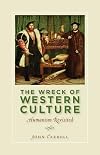
A reassessment of Western civilization that highlights the changes in culture, art, and philosophy in a new perspective. The author is critical of humanism and its effects on the arc of Western culture.
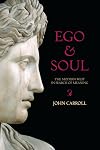
A survey of the state of our culture - its morale, ethics, and beliefs. Where is the transcendent in our lives and why is there such a lack of understanding of direction for our lives and how to find it.
You May Also Like


Associated Authors
Statistics
- Works
- 13
- Members
- 364
- Popularity
- #66,013
- Rating
- 3.7
- Reviews
- 7
- ISBNs
- 228
- Languages
- 7