
R. G. Grant
Author of The History Book: Big Ideas Simply Explained
About the Author
R.G. Grant is a history writer who has published more than 20 books on aspects of social life and military conflict in the 20th century
Series
Works by R. G. Grant
Soldater i krig 1 copy
Orgyilkosságok 1 copy
Associated Works
Tagged
Common Knowledge
- Other names
- Grant, Reg
- Birthdate
- 1949-02-21
- Gender
- male
- Nationality
- UK
- Associated Place (for map)
- UK
Members
Reviews
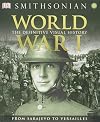
I knew this would be a pretty book. It’s a DK product after all.
But I was skeptical of the depth of its history. But, after it was recommended by the hardcore students of the war on the Roads to the Great War blog, I took a look.
This is a superb, one volume primer on the war, suitable to both students of the war and those totally ignorant of it. The maps are superb. Important personalities, battles, and campaigns get their own two page spreads. The same is true for important weapons.
You show more would expect it to contain a “causes for the war” section, but it also covers some of the aftermath of the war up to 1923 as well as the world’s war memorials and museums.
The test I give “big picture” books like this is to pick a few topics at random and see if they are covered.
The Japanese fleet in the Mediterranean? Yes.
The tens of thousands of African porters who died during the war? Yes.
The bizarre German mission to Kabul to talk the Afghans into attacking India? No.
The importance of the German ships Goeben and Breslau in pulling Turkey into the war? Yes.
The specifics of stormtrooper tactics? Yes.
The Livens Large Gallery Flame Projector? No. (A custom built, stationary flamethrower which put flames out to 40 meters. I didn't know about it until I watched Breathing Fire: Secret Weapon of the Somme.)
There’s no bibliography, but, really, how hard is it to find more World War One material if your appetite is whetted for more? show less
But I was skeptical of the depth of its history. But, after it was recommended by the hardcore students of the war on the Roads to the Great War blog, I took a look.
This is a superb, one volume primer on the war, suitable to both students of the war and those totally ignorant of it. The maps are superb. Important personalities, battles, and campaigns get their own two page spreads. The same is true for important weapons.
You show more would expect it to contain a “causes for the war” section, but it also covers some of the aftermath of the war up to 1923 as well as the world’s war memorials and museums.
The test I give “big picture” books like this is to pick a few topics at random and see if they are covered.
The Japanese fleet in the Mediterranean? Yes.
The tens of thousands of African porters who died during the war? Yes.
The bizarre German mission to Kabul to talk the Afghans into attacking India? No.
The importance of the German ships Goeben and Breslau in pulling Turkey into the war? Yes.
The specifics of stormtrooper tactics? Yes.
The Livens Large Gallery Flame Projector? No. (A custom built, stationary flamethrower which put flames out to 40 meters. I didn't know about it until I watched Breathing Fire: Secret Weapon of the Somme.)
There’s no bibliography, but, really, how hard is it to find more World War One material if your appetite is whetted for more? show less
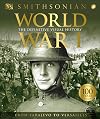
This is a definitive coffee-table book level survey of the war, and doesn't do at all poorly as serious history in the bargain. The book is modular with no narrative continuity beyond the usual format of two-page spreads dealing with various battles, campaigns, technologies, or social and political effects. These modules are themselves broken into modules, usually bookended by "Before" and "After" the main event described. The book's only problem, besides a few typos, is readability. The show more book's print is rather fine, and the print of the maps even finer, as well as too often being set on a pastel background, so readability is at best moderate. Similarly, the modules can be rather jumbled, and the picture captions, also in fine print, take longer to find than they ought. Among the many rewards of the book, I was particularly happy with the emphases placed on other fronts besides the Western; even third world areas are given a once-over for each year. show less
What is not to love about a book that has been put together by The Smithsonian and DK? Sometimes they don’t always hit the right note and produce a piece of work that appeals to all audiences, but with this book they hit all markets and made this period of our world history accessible to everyone.
Full of pictures, maps and excerpts from people who were actually there, this book provides an interesting collection of information about the World War I. I originally picked this book up as I am show more having to write a paper on trench warfare, and found facts in here that I had not come across anywhere else; the detailed maps were also a plus in my research, and would help in understanding this form of warfare to those not familiar with it.
For those who might be concerned that this book may be too much for younger readers, there is no need; although the pictures used are mainly ‘war’ photographs and paintings, there is nothing too graphic or disturbing about them, rather the opposite they exude a sense of sadness when viewed from this point in our history. The start of the book provides a timeline up to the outbreak of war, and then in a somewhat chronological order follows it through to the Armistice and then the aftermath and how the end of the war didn’t just stop with the signing of the Treaty of Versailles. The way in which this book has been put together gives the reader the museum experience without leaving the comfort of their own homes, and the heavy pages and striking cover add to this feeling of being in another place.
My reasoning for giving this lovely book only a four thumbs rating was the size of the text, I did find it rather small and densely packed in places, and would have been happier with more pages in the book if the text were larger. Overall though this a great book to use as an introduction to the era, and as a supplement to more serious studies; as a plus it also looks great on the coffee table too.
I would highly recommend this book to all who are interested in this era, or just want to expand their knowledge about, what was supposed to be, the ‘war to end all wars’. It will make the reader think considering that some of the places mentioned in the book are still fighting today, which will bring up the question of why?
Originally reviewed on: http://catesbooknuthut.com/2014/10/22/world-war-i-the-definitive-visual-history-...
This work is licensed under a Creative Commons Attribution-NonCommercial-NoDerivs 3.0 Unported License. show less
Full of pictures, maps and excerpts from people who were actually there, this book provides an interesting collection of information about the World War I. I originally picked this book up as I am show more having to write a paper on trench warfare, and found facts in here that I had not come across anywhere else; the detailed maps were also a plus in my research, and would help in understanding this form of warfare to those not familiar with it.
For those who might be concerned that this book may be too much for younger readers, there is no need; although the pictures used are mainly ‘war’ photographs and paintings, there is nothing too graphic or disturbing about them, rather the opposite they exude a sense of sadness when viewed from this point in our history. The start of the book provides a timeline up to the outbreak of war, and then in a somewhat chronological order follows it through to the Armistice and then the aftermath and how the end of the war didn’t just stop with the signing of the Treaty of Versailles. The way in which this book has been put together gives the reader the museum experience without leaving the comfort of their own homes, and the heavy pages and striking cover add to this feeling of being in another place.
My reasoning for giving this lovely book only a four thumbs rating was the size of the text, I did find it rather small and densely packed in places, and would have been happier with more pages in the book if the text were larger. Overall though this a great book to use as an introduction to the era, and as a supplement to more serious studies; as a plus it also looks great on the coffee table too.
I would highly recommend this book to all who are interested in this era, or just want to expand their knowledge about, what was supposed to be, the ‘war to end all wars’. It will make the reader think considering that some of the places mentioned in the book are still fighting today, which will bring up the question of why?
Originally reviewed on: http://catesbooknuthut.com/2014/10/22/world-war-i-the-definitive-visual-history-...
This work is licensed under a Creative Commons Attribution-NonCommercial-NoDerivs 3.0 Unported License. show less
What is not to love about a book that has been put together by The Smithsonian and DK? Sometimes they don’t always hit the right note and produce a piece of work that appeals to all audiences, but with this book they hit all markets and made this period of our world history accessible to everyone.
Full of pictures, maps and excerpts from people who were actually there, this book provides an interesting collection of information about the World War I. I originally picked this book up as I am show more having to write a paper on trench warfare, and found facts in here that I had not come across anywhere else; the detailed maps were also a plus in my research, and would help in understanding this form of warfare to those not familiar with it.
For those who might be concerned that this book may be too much for younger readers, there is no need; although the pictures used are mainly ‘war’ photographs and paintings, there is nothing too graphic or disturbing about them, rather the opposite they exude a sense of sadness when viewed from this point in our history. The start of the book provides a timeline up to the outbreak of war, and then in a somewhat chronological order follows it through to the Armistice and then the aftermath and how the end of the war didn’t just stop with the signing of the Treaty of Versailles. The way in which this book has been put together gives the reader the museum experience without leaving the comfort of their own homes, and the heavy pages and striking cover add to this feeling of being in another place.
My reasoning for giving this lovely book only a four thumbs rating was the size of the text, I did find it rather small and densely packed in places, and would have been happier with more pages in the book if the text were larger. Overall though this a great book to use as an introduction to the era, and as a supplement to more serious studies; as a plus it also looks great on the coffee table too.
I would highly recommend this book to all who are interested in this era, or just want to expand their knowledge about, what was supposed to be, the ‘war to end all wars’. It will make the reader think considering that some of the places mentioned in the book are still fighting today, which will bring up the question of why?
Originally reviewed on: http://catesbooknuthut.com/2014/10/22/world-war-i-the-definitive-visual-history-...
This work is licensed under a Creative Commons Attribution-NonCommercial-NoDerivs 3.0 Unported License. show less
Full of pictures, maps and excerpts from people who were actually there, this book provides an interesting collection of information about the World War I. I originally picked this book up as I am show more having to write a paper on trench warfare, and found facts in here that I had not come across anywhere else; the detailed maps were also a plus in my research, and would help in understanding this form of warfare to those not familiar with it.
For those who might be concerned that this book may be too much for younger readers, there is no need; although the pictures used are mainly ‘war’ photographs and paintings, there is nothing too graphic or disturbing about them, rather the opposite they exude a sense of sadness when viewed from this point in our history. The start of the book provides a timeline up to the outbreak of war, and then in a somewhat chronological order follows it through to the Armistice and then the aftermath and how the end of the war didn’t just stop with the signing of the Treaty of Versailles. The way in which this book has been put together gives the reader the museum experience without leaving the comfort of their own homes, and the heavy pages and striking cover add to this feeling of being in another place.
My reasoning for giving this lovely book only a four thumbs rating was the size of the text, I did find it rather small and densely packed in places, and would have been happier with more pages in the book if the text were larger. Overall though this a great book to use as an introduction to the era, and as a supplement to more serious studies; as a plus it also looks great on the coffee table too.
I would highly recommend this book to all who are interested in this era, or just want to expand their knowledge about, what was supposed to be, the ‘war to end all wars’. It will make the reader think considering that some of the places mentioned in the book are still fighting today, which will bring up the question of why?
Originally reviewed on: http://catesbooknuthut.com/2014/10/22/world-war-i-the-definitive-visual-history-...
This work is licensed under a Creative Commons Attribution-NonCommercial-NoDerivs 3.0 Unported License. show less
Lists
Awards


You May Also Like


Associated Authors
Statistics
- Works
- 104
- Also by
- 2
- Members
- 3,843
- Popularity
- #6,592
- Rating
- 4.1
- Reviews
- 42
- ISBNs
- 319
- Languages
- 16
