
Giorgio Scerbanenco (1911–1969)
Author of A Private Venus
About the Author
Image credit: foto.ilsole24ore.com
Series
Works by Giorgio Scerbanenco
Né sempre né mai (Italian Edition) 3 copies
Metropoli del delitto 3 copies
Johanna della foresta 2 copies
Elsa e l’ultimo uomo 2 copies
Tre casi per l'investigatore Jelling: Sei giorni di preavviso-La bambola cieca-Nessuno è colpevole (2011) 2 copies
O Anjo da Vingança Quarteto de Milão N.º 2 (Portuguese Edition) [Paperback] Giorgio Scerbanenco (2019) 2 copies
Brandson diventa onesto 1 copy
Il grande incanto 1 copy
3x Duca Lamberti 1 copy
Luna Messicana 1 copy
I giorni contati 1 copy
Il nostro volo è breve 1 copy
Viaggio di nozze in grigio 1 copy
Amata fino all'alba; romanzo 1 copy
HLa Isabbia non ricorda 1 copy
L'isola degli idealisti 1 copy
Raz ťa vezmem k moru 1 copy
Centodelitti 1 copy
Profession : salopard 1 copy
" Ital'ianskii detektiv". 1 copy
Il giorno D (in Millestorie) 1 copy
Voce di Adrian 1 copy
CRISTINA CHE NON VISSE 1 copy
Mio adorato nessuno 1 copy
Associated Works
Fernando Di Leo Crime Collection (Caliber 9 / The Italian Connection / The Boss / Rulers of the City) (2011) — Writer — 2 copies
Linus. Giugno 2018 (Linus 2018) — Author — 1 copy
Tagged
Common Knowledge
- Canonical name
- Scerbanenco, Giorgio
- Other names
- Šerbanenko, Vladimir
Щербаненко, Владимир
Щербаненко, Володимир - Birthdate
- 1911-07-18
- Date of death
- 1969-10-27
- Gender
- male
- Occupations
- journalist
writer
novelist - Short biography
- was born in Kiev in 1911 to a Ukrainian father and an Italian mother, grew up in Rome, and moved to Milan at the age of eighteen. In the 1930s, he worked as a journalist and attempted some early forays into fiction. In 1943, as German forces advanced on the city, Scerbanenco escaped over the Alps to Switzerland, carrelying nothing but a hundred pages of a new novel he was working on. He returned to Milan in 1945 and resumed his prolific career, writing for women’s magazines, including a very popular advice-for-the-lovelorn column, and publishing dozens of novels and short stories. But he is best known for the four books he wrote at the end of his life that make up the Milano Quartet, A Private Venus, Traitors to All, The Boys of the Massacre, and The Milanese Kill on Saturdays. Scerbanenco drew on his experiences as an orderly for the Milan Red Cross in the 1930s to create his protagonist Duca Lamberti, a disbarred doctor; it was during this period that he came to know another, more desperate side of his adopted city. The quartet of novels was immediately hailed as noir classics, and on its publication in 1966, Traitors to All received the most prestigious European crime prize, the Grand Prix de Littérature Policière. The annual prize for the best Italian crime novel, the Premio Scerbanenco, is named after him. He died in 1969 in Milan.
- Cause of death
- heart attack
- Nationality
- Italy
- Birthplace
- Kiev, Russian Empire
- Places of residence
- Milan, Lombardy, Italy
Rome, Lazio, Italy
Lignano Sabbiadoro, Udine, Italy - Place of death
- Milan, Italy
- Associated Place (for map)
- Italy
Members
Reviews
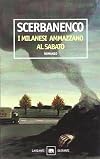
E' il primo libro di Scerbanenco che leggo, e mi ha convinto subito. Fin dalle prime pagine.
Un poliziesco molto "milanese" a mio avviso, e non solo per l'ambientazione.
Per la personalità dei personaggi soprattutto. Dal padre della vittima al poliziotto Duca Lamberti. Duca è un poliziotto pieno di dubbi sul suo lavoro, ma è tenace; e nonostante la volontà perseverante di scoprire l'assassino rimane molto umano nel compiere il suo mestiere.
Il motivo del titolo del libro si scopre solo alla show more fine, e qui devo dire che si vede che Scerbanenco è un milanese di adozione, solo uno così poteva dare una motivazione simile al titolo. E da milanese di adozione riesce a vedere "da fuori" il carattere del milanese autentico, giudicandolo e cogliendone l'aspetto grottesco di certa dedizione alla routine lavorativa.
Personalmente ci vedo anche un parallelismo con Maigret, questo Duca Lamberti mi è sembrato un "Maigret milanese".
Anche nei giudizi ironici e distaccati, tipici di Simenon con il suo Maigret, che Duca dice nel libro.
Due in particolare mi sento di evidenziare (e il secondo mi piace molto), eccoli qui:
"La delinquenza è una forma di sordida e pericolosa idiozia, nessuna persona appena intelligente fa il ladro, il rapinatore, l'assassino."
"Penso che le donne che non hanno paura di mangiare sono le migliori donne" show less
Un poliziesco molto "milanese" a mio avviso, e non solo per l'ambientazione.
Per la personalità dei personaggi soprattutto. Dal padre della vittima al poliziotto Duca Lamberti. Duca è un poliziotto pieno di dubbi sul suo lavoro, ma è tenace; e nonostante la volontà perseverante di scoprire l'assassino rimane molto umano nel compiere il suo mestiere.
Il motivo del titolo del libro si scopre solo alla show more fine, e qui devo dire che si vede che Scerbanenco è un milanese di adozione, solo uno così poteva dare una motivazione simile al titolo. E da milanese di adozione riesce a vedere "da fuori" il carattere del milanese autentico, giudicandolo e cogliendone l'aspetto grottesco di certa dedizione alla routine lavorativa.
Personalmente ci vedo anche un parallelismo con Maigret, questo Duca Lamberti mi è sembrato un "Maigret milanese".
Anche nei giudizi ironici e distaccati, tipici di Simenon con il suo Maigret, che Duca dice nel libro.
Due in particolare mi sento di evidenziare (e il secondo mi piace molto), eccoli qui:
"La delinquenza è una forma di sordida e pericolosa idiozia, nessuna persona appena intelligente fa il ladro, il rapinatore, l'assassino."
"Penso che le donne che non hanno paura di mangiare sono le migliori donne" show less
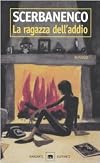
Conoscevo Scerbanenco come giallista. Quando ho letto che questo invece era un romanzo rosa mi sono incuriosita. Ancora di più mi ha incuriosita la prefazione di Carmen Covito che parla di romanzo storico sui nostri anni '50. Ebbene, sono d'accordo con la Covito. Ho trovato il romanzo molto aderente alla realtà dell'epoca: un uomo povero, e quindi con poche speranze, che pur nella sua povertà riesce a sposare chi vuole, a fare sesso se vuole, a trovarsi un lavoro; e una donna ricca e show more bruttina (non si dice precisamente perché, si parla genericamente di un incarnato scialbo, ma anch'io come la Covito credo che sia considerata brutta più che altro perché mette in difficoltà il maschio con la sua superiorità di carattere) la cui massima aspirazione può essere impalmare uno ricco quanto lei o, vista la bruttezza, anche inferiore, basta che passi socialmente dallo status di ricca zitella allo status di sposata. Milla non ha un lavoro, sarebbe superfluo. Passa il suo tempo tra il padre, le amiche, le famiglie sue pari. Vita banale, vuota, senza senso. Lei il senso lo trova nella passione quasi autodistruttiva per Martino; nonostante lui gli abbia confessato che la frequentava per soldi, nonostante alla fine sposi un'altra, quando rimane vedovo e non sa dove andare c'è sempre lei, Milla. Che però viene abbandonata (sia fisicamente che sessualmente) in favore di una evasione tahitiana in veste di infermiere locale. Alla fine i due si trovano, perché lui si rende conto di quanto Milla valga per lui, solo nel momento in cui lei finalmente arriva a disperare e sceglie di sposare un altro. Immaturità maschile, oppure scelta deliberata (si può accettare una donna solo quando ella finalmente si arrende?). Scerbanenco ha uno stile asciutto, direi quasi verista; non c'è una chiusura nel libro che si possa dire univoca. Il lieto fine a livello di romanzo rosa lascia aperta la domanda: che cosa sarebbe stato di Martino e Milla se l'epoca, lo status sociale, la considerazione della donna fossero stati diversi? E quanto il finale "classico" del matrimonio sia da considerarsi soddisfacente o non piuttosto una resa della figura femminile agli obblighi della forma, della sottomissione alla volontà altrui? Perché quasi tutte noi donne della nostra epoca, se brutte, intelligenti e ricche, uno come Martino lo avremmo buttato alle ortiche dopo la prima volta. In tutto ciò, lo sfondo presenta anche un quadro delle piccole ditte di provincia coi loro commendatori, che possono dare vita o toglierla a piacimento, a seconda del potere e della bontà personale; e la figura della Carla, l'amante un po' di tutti, nella sua generosità spontanea, nel suo concedersi anche per farsi una posizione, concedersi che alla fine anche in questo caso viene premiato con il matrimonio, dopo una esperienza non troppo felice dal punto di vista sentimentale.
Ha ragione la Covito: un romanzo storico, nel suo piccolo, particolarmente incentrato sull'amore, il sesso e la figura femminile. Molto bello. show less
Ha ragione la Covito: un romanzo storico, nel suo piccolo, particolarmente incentrato sull'amore, il sesso e la figura femminile. Molto bello. show less
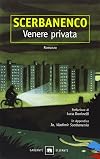
Giorgio Scerbanenco is considered to be the godfather of Italian noir, not that any of us here in the States ever knew there was such a thing as Italian noir. The prize that honors each years top Italian crime novel is named after Scerbanenco. Born in Kiev and having grown up in Rome and Milan, he became a successful writer with his creation of Dr. Duca Lamberti, a doctor who solves mysteries. In the publisher's blurb, A Private Venus is described as the beginning of Italian noir and a new show more type of novel, exploring a desperate underside of Italian society. Many of his books have been turned into Italian movies and television shows, including the Dr. Lamberti series.
Reading this novel reminded me of the first section of Ariel S. Winter's Twenty-Year Death and that is because Winter patterned his book after the writing of Georges Simenon, another European mystery writer. This book has a similar pacing and a spirit in it that is decidedly European.
A Private Venus was originally written in 1966 and has now been translated into English by Howard Curtis. It is the first book in a series of four (a quartet as it is generally referred to) about Dr. Duca Lamberti, a disgraced doctor who served three years in prison and lost his medical license after administering euthanasia to an elderly woman who welcomed the exit from this world. There are four books in this series: A Private Venus, Betrayors of All (or Traitors of All), The Boys of the Massacre, and Milan Murders.
In A Private Venus, through a connection, only days out of prison, Duca has managed to obtain work: He has been assigned to cure Pietro Auseri's son, Davide, of his alcoholic state. The twenty-two year old Davide does nothing but sit in the villa and drink, falling into an alcoholic stupor and awakening three times each day. He also speeds down the mountainside in his Itailan sportscar, frequenting the bars and nightclubs. There is something troubling him, something at the root of his misery, but his father, who is distant from him, can't pierce his shell and get at it. Duca has his hands full with Davide, first bringing loose women back to the villa to test if Davide is interested, then nursing him back to health after a suicide attempt.
Davide, though, as long suspected, has a terrible secret, one partially revealed to the reader in the mysterious opening chapter. A year earlier, he had an intimate affair one day with a woman and left her at the side of the road after their rendezvous, only to find out afterwards that her body was found in that very spot, wrists slit. The woman was crazy. He had picked her up near a taxi stand and she had been looking for a man, any man, to give her money. She had begged him over and over to take her away from Milan for three months, but to do it right away or else she would kill herself. He had gotten frustrated and pulled over and ordered her out of the car. And, the next day, she was dead.
Duca investigates and determines that it was not suicide, but murder and that he can best help Davide by solving the murder. Why does he continue to help this kid? Because otherwise the kid will eventually slit his wrists out of guilt and then Duca will be haunted.
Duca explains that there are two kinds of people, those who are sensitive and those with hearts of stone. There are men who can kill their whole family and then in prison calmly ask for a crossword puzzle. There are other men who have to be admitted to the psych ward because they left a window open and the cat fell out. Duca later explains that there are men who break the rules but are protected by lawyers and he doesn't like such frauds.
One of the more interesting characters in the story is Livia, a friend of the dead girl Alberta. Livia talks in Kantian absolutes. Duca is her hero because he stood up for euthanasia. Livia got into prostitution as a social experiment, not to make a living.
Later in the book, the author takes pains to point out how under the surface of Milanese society, everything was going wrong. There were stabbings and gang fights but everyone went on with their lives as if they were seated at a big table and being served a great feast. "For them, these stories belonged to a Fourth Dimension, devised by an Einstein of crime, who was even more incomprehensible than the Einstein of physics." Wow! Who writes like this? It's as if the author is inviting the reader to scratch the surface and see the whole hidden world underneath polite cafe society where call girls roam street corners, photographers take dirty pictures, people are threatened, and people are slaughtered with their deaths staged as suicides. show less
Reading this novel reminded me of the first section of Ariel S. Winter's Twenty-Year Death and that is because Winter patterned his book after the writing of Georges Simenon, another European mystery writer. This book has a similar pacing and a spirit in it that is decidedly European.
A Private Venus was originally written in 1966 and has now been translated into English by Howard Curtis. It is the first book in a series of four (a quartet as it is generally referred to) about Dr. Duca Lamberti, a disgraced doctor who served three years in prison and lost his medical license after administering euthanasia to an elderly woman who welcomed the exit from this world. There are four books in this series: A Private Venus, Betrayors of All (or Traitors of All), The Boys of the Massacre, and Milan Murders.
In A Private Venus, through a connection, only days out of prison, Duca has managed to obtain work: He has been assigned to cure Pietro Auseri's son, Davide, of his alcoholic state. The twenty-two year old Davide does nothing but sit in the villa and drink, falling into an alcoholic stupor and awakening three times each day. He also speeds down the mountainside in his Itailan sportscar, frequenting the bars and nightclubs. There is something troubling him, something at the root of his misery, but his father, who is distant from him, can't pierce his shell and get at it. Duca has his hands full with Davide, first bringing loose women back to the villa to test if Davide is interested, then nursing him back to health after a suicide attempt.
Davide, though, as long suspected, has a terrible secret, one partially revealed to the reader in the mysterious opening chapter. A year earlier, he had an intimate affair one day with a woman and left her at the side of the road after their rendezvous, only to find out afterwards that her body was found in that very spot, wrists slit. The woman was crazy. He had picked her up near a taxi stand and she had been looking for a man, any man, to give her money. She had begged him over and over to take her away from Milan for three months, but to do it right away or else she would kill herself. He had gotten frustrated and pulled over and ordered her out of the car. And, the next day, she was dead.
Duca investigates and determines that it was not suicide, but murder and that he can best help Davide by solving the murder. Why does he continue to help this kid? Because otherwise the kid will eventually slit his wrists out of guilt and then Duca will be haunted.
Duca explains that there are two kinds of people, those who are sensitive and those with hearts of stone. There are men who can kill their whole family and then in prison calmly ask for a crossword puzzle. There are other men who have to be admitted to the psych ward because they left a window open and the cat fell out. Duca later explains that there are men who break the rules but are protected by lawyers and he doesn't like such frauds.
One of the more interesting characters in the story is Livia, a friend of the dead girl Alberta. Livia talks in Kantian absolutes. Duca is her hero because he stood up for euthanasia. Livia got into prostitution as a social experiment, not to make a living.
Later in the book, the author takes pains to point out how under the surface of Milanese society, everything was going wrong. There were stabbings and gang fights but everyone went on with their lives as if they were seated at a big table and being served a great feast. "For them, these stories belonged to a Fourth Dimension, devised by an Einstein of crime, who was even more incomprehensible than the Einstein of physics." Wow! Who writes like this? It's as if the author is inviting the reader to scratch the surface and see the whole hidden world underneath polite cafe society where call girls roam street corners, photographers take dirty pictures, people are threatened, and people are slaughtered with their deaths staged as suicides. show less
Ci sono libri che alla seconda lettura mostrano la loro più intima essenza, e questo di Scerbanenco è uno di questi.
La prima lettura dipana la storia, quella di un reietto della società, un medico radiato, che mostra un inestimabile fiuto di investigatore scoprendo il delitto dietro il banale problema di alcoolismo del suo protetto, un gigante bambino che, molto simbolicamente, si chiama Davide.
La seconda lettura svela la complessità della psicologia, l'attenzione al dettaglio, la show more profonda conoscenza della ferocia criminale, una Milano inquieta che negli anni non ha fatto altro che incancrenirsi nei propri paradossi.
Scerbanenco è, non a caso, il padre del noir italiano, un padre per molti versi ancora insuperato. show less
La prima lettura dipana la storia, quella di un reietto della società, un medico radiato, che mostra un inestimabile fiuto di investigatore scoprendo il delitto dietro il banale problema di alcoolismo del suo protetto, un gigante bambino che, molto simbolicamente, si chiama Davide.
La seconda lettura svela la complessità della psicologia, l'attenzione al dettaglio, la show more profonda conoscenza della ferocia criminale, una Milano inquieta che negli anni non ha fatto altro che incancrenirsi nei propri paradossi.
Scerbanenco è, non a caso, il padre del noir italiano, un padre per molti versi ancora insuperato. show less
Lists
Awards

You May Also Like


Associated Authors
Statistics
- Works
- 186
- Also by
- 3
- Members
- 1,824
- Popularity
- #14,100
- Rating
- 3.4
- Reviews
- 53
- ISBNs
- 243
- Languages
- 9
- Favorited
- 1