
Marjorie Celona
Author of Y
About the Author
Image credit: Marjorie Celona. Photo Credit: Sherri Barber
Works by Marjorie Celona
Associated Works
Tagged
Common Knowledge
- Birthdate
- 1981-01-07
- Gender
- female
- Education
- University of Victoria
Iowa Writers' Workshop - Nationality
- Canada
- Birthplace
- Vancouver Island, British Columbia, Canada
- Places of residence
- Cinncinnati, Ohio, USA
- Associated Place (for map)
- Canada
Members
Reviews
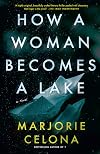
I was attracted to this book by its title and was so pleased that behind that title is a great read.
The novel is set in 1986 in the state of Washington “in a small fishing town a stone’s throw from Canada.” A police officer, Lewis Côté, finds Vera Gusev’s car abandoned in a parking lot near a frozen lake at Squire Point. She had called the police to report finding a young boy in the woods, but neither she nor a boy can be found. Leo Lucchi takes his sons Jesse and Dmitri to the show more lake but when Jesse pulls a cruel prank on his father, Leo leaves him in the woods for a while to think about what he did before picking him up. Lewis wants to find out what happened to Vera. Did Leo and the boys meet her? Despite their claiming not to know what happened to Vera, there are suspicions that they are keeping a secret.
The novel is told from shifting perspectives: Lewis, Jesse, Denny (Vera’s husband), Evelina (Jesse and Dmitri’s mother), Leo, Dmitri, and Vera. The reader comes to know each of these characters quite well, including their personalities and their motivations. Of course, information is also withheld; it is made obvious that the full truth is not being told: “He could live with that story, with that version of things” and “’I will keep your secret . . . Because I think it’s the right thing to do.’”
Guilt and grief are explored. Denny, for example, suffers from both. He is consumed by grief because of his wife’s disappearance and by guilt because his marriage was failing. Lewis grieves because of his father’s death and feels guilty because he was unable to help his dad when he was alive. Leo, divorced from Evelina, knows he was not always the best husband and father and keeps looking for redemption.
Jesse knows he has not always been a good brother so he determines to treat Dmitri better.
The book examines justice: does justice for the dead supersede any duty to the living? A search for the truth cannot help a deceased victim but may harm the living. For instance Denny is initially suspected of knowing something about his wife’s disappearance. The investigation leaves him in even more torment: “They would investigate every aspect of his life and marriage, the detectives told him. They would turn him inside out.” So he starts thinking “Maybe she hadn’t disappeared at all. Maybe he had driven her away. Maybe he had driven her to suicide.”
Also explored is the impact of childhood experiences. Lewis often ponders the impact of his difficult childhood on his life, especially the choices he has made: “the child of a crazy parent spends his whole life trying to fix the world.” As a police officer, he thinks that “if a child committed a crime by age twelve, he could help that child turn things around. He could have a huge impact on that child’s life. But if that child was fifteen? Forget about it.” Jesse experienced violence at the hands of his father so when he becomes a parent, Evelina “finds herself watching him closely when he holds his daughter. Studying his hands. How tightly they grip the baby’s little thighs, her little arms. Or did he get all the violence out of him . . . ?”
A concern shared by several characters is the desire to be a good parent. Certainly, Lewis wants to be a good father: “Was that the kind of thing a good parent would say? . . . He wanted to be a good parent . . He wanted to be.” Evelina wants to be a good mother: “She had read somewhere that after a separation a parent should not speak ill of the other parent. So she tried to reminisce, as much as she could with the boys, about Leo’s good qualities.” Even Leo acknowledges that he might need to take parenting classes.
This is a crime novel, but it is a crime novel with thematic depth. It leaves the reader wondering what he/she would do in a similar situation.
Note: Please check out my reader's blog (https://schatjesshelves.blogspot.com/) and follow me on Twitter (@DCYakabuski). show less
The novel is set in 1986 in the state of Washington “in a small fishing town a stone’s throw from Canada.” A police officer, Lewis Côté, finds Vera Gusev’s car abandoned in a parking lot near a frozen lake at Squire Point. She had called the police to report finding a young boy in the woods, but neither she nor a boy can be found. Leo Lucchi takes his sons Jesse and Dmitri to the show more lake but when Jesse pulls a cruel prank on his father, Leo leaves him in the woods for a while to think about what he did before picking him up. Lewis wants to find out what happened to Vera. Did Leo and the boys meet her? Despite their claiming not to know what happened to Vera, there are suspicions that they are keeping a secret.
The novel is told from shifting perspectives: Lewis, Jesse, Denny (Vera’s husband), Evelina (Jesse and Dmitri’s mother), Leo, Dmitri, and Vera. The reader comes to know each of these characters quite well, including their personalities and their motivations. Of course, information is also withheld; it is made obvious that the full truth is not being told: “He could live with that story, with that version of things” and “’I will keep your secret . . . Because I think it’s the right thing to do.’”
Guilt and grief are explored. Denny, for example, suffers from both. He is consumed by grief because of his wife’s disappearance and by guilt because his marriage was failing. Lewis grieves because of his father’s death and feels guilty because he was unable to help his dad when he was alive. Leo, divorced from Evelina, knows he was not always the best husband and father and keeps looking for redemption.
Jesse knows he has not always been a good brother so he determines to treat Dmitri better.
The book examines justice: does justice for the dead supersede any duty to the living? A search for the truth cannot help a deceased victim but may harm the living. For instance Denny is initially suspected of knowing something about his wife’s disappearance. The investigation leaves him in even more torment: “They would investigate every aspect of his life and marriage, the detectives told him. They would turn him inside out.” So he starts thinking “Maybe she hadn’t disappeared at all. Maybe he had driven her away. Maybe he had driven her to suicide.”
Also explored is the impact of childhood experiences. Lewis often ponders the impact of his difficult childhood on his life, especially the choices he has made: “the child of a crazy parent spends his whole life trying to fix the world.” As a police officer, he thinks that “if a child committed a crime by age twelve, he could help that child turn things around. He could have a huge impact on that child’s life. But if that child was fifteen? Forget about it.” Jesse experienced violence at the hands of his father so when he becomes a parent, Evelina “finds herself watching him closely when he holds his daughter. Studying his hands. How tightly they grip the baby’s little thighs, her little arms. Or did he get all the violence out of him . . . ?”
A concern shared by several characters is the desire to be a good parent. Certainly, Lewis wants to be a good father: “Was that the kind of thing a good parent would say? . . . He wanted to be a good parent . . He wanted to be.” Evelina wants to be a good mother: “She had read somewhere that after a separation a parent should not speak ill of the other parent. So she tried to reminisce, as much as she could with the boys, about Leo’s good qualities.” Even Leo acknowledges that he might need to take parenting classes.
This is a crime novel, but it is a crime novel with thematic depth. It leaves the reader wondering what he/she would do in a similar situation.
Note: Please check out my reader's blog (https://schatjesshelves.blogspot.com/) and follow me on Twitter (@DCYakabuski). show less

Y is the story of Shannon, abandoned as a baby at a YMCA, and passed through a number of foster homes before arriving with Miranda and Lydia-Rose. But Shannon is strange and restless, and as a teenager she decides to search for her real parents. This story's uniqueness comes not from the plot, but from the manner of telling: Shannon narrates in the first person, but tells her parents' story as well as her own (first person almost-omniscient?). Celona effectively puts the reader inside show more Shannon's mind and her life; her confusion, her actions, her feelings all seem both perfectly reasonable and foreign. Y is set on Vancouver Island.
Quotes:
"Do not believe anything anyone tells you. You have to evaluate the world with your own eyes." (Quinn to Yula, 75)
There's a kind of desperation that comes from having a small family, a palpable strain....Each of us tries too hard - each must encompass, for the other, an entire family combined....I try to be grateful that I live in this beautiful place. I try not to be so restless. But I feel like I grew up on the moon. When you live on an island, all you can think is, "How am I going to get off it?" (102)
I want to hate them so much....But they're not bad people and never have been. How do you become a part of someone else's family? You don't, and you never do. (126)
I want to reach with an outstretched hand. I want to open all the windows. I think there are angels in this city. They are in the windows with the lights left on. (131)
People talk about when you're young as being full of possibility, but the uncertainty of it all makes me feel lost and insane. I try to be cheerful. I try to live in the present. But it's hard. (177)
I understand her immediately. She is an instigator, a fire starter, an accelerant of a human being, throwing herself into the middle of a crowd and lighting it up. She is fucking lighter fluid. (180)
I try to picture what my life will be like, but it all seems impossible....Life seems full of impossibility. I don't know how anyone gets through it. (197)
I might have loved you most of all; either that or the sum of our heartbreaks never diminishes, only keeps silent until we're ripped open again. (letter from Vaughn's ex-wife to Vaughn, 199)
Knowing the story doesn't make it any better. In the end, we get what we're given, nothing more, nothing less. (259)
It's the one thing in life he can't predict: who will get the lucky break. (259) show less
Quotes:
"Do not believe anything anyone tells you. You have to evaluate the world with your own eyes." (Quinn to Yula, 75)
There's a kind of desperation that comes from having a small family, a palpable strain....Each of us tries too hard - each must encompass, for the other, an entire family combined....I try to be grateful that I live in this beautiful place. I try not to be so restless. But I feel like I grew up on the moon. When you live on an island, all you can think is, "How am I going to get off it?" (102)
I want to hate them so much....But they're not bad people and never have been. How do you become a part of someone else's family? You don't, and you never do. (126)
I want to reach with an outstretched hand. I want to open all the windows. I think there are angels in this city. They are in the windows with the lights left on. (131)
People talk about when you're young as being full of possibility, but the uncertainty of it all makes me feel lost and insane. I try to be cheerful. I try to live in the present. But it's hard. (177)
I understand her immediately. She is an instigator, a fire starter, an accelerant of a human being, throwing herself into the middle of a crowd and lighting it up. She is fucking lighter fluid. (180)
I try to picture what my life will be like, but it all seems impossible....Life seems full of impossibility. I don't know how anyone gets through it. (197)
I might have loved you most of all; either that or the sum of our heartbreaks never diminishes, only keeps silent until we're ripped open again. (letter from Vaughn's ex-wife to Vaughn, 199)
Knowing the story doesn't make it any better. In the end, we get what we're given, nothing more, nothing less. (259)
It's the one thing in life he can't predict: who will get the lucky break. (259) show less
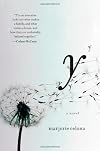
I read the excerpt of this novel that appeared in "Best American Non-Required Reading" and was very much impressed. For better or worse, this novel differs from that early version in some important ways: Celona's writing here is less dense and more inclined to take its time worrying over its characters. This doesn't mean that "Y" doesn't succeed in other ways, though. It's got a strong sense of place, a keen appreciation of the challenges faced by its teenage characters and, in places, show more beautiful and affecting descriptions of the familial and romantic ties that bind them. The book's plot revolves around a couple of big unknowns in the life of its orphaned narrator, but relationships are its real focus: its concerns, like most of its characters, are decidedly female-centric and most of its characters' motivations are plainly emotional in nature. Its characters struggle to cope with physical difference, to hang on to the lower reaches of the lower-middle class as best they can, to find a place for themselves in the world, to know themselves. It's not riveting stuff, sometimes, but it's still important. The book, it should be said, is committed to its characters' decidedly unglamorous patchwork existences, and there's something praiseworthy about a novel that doesn't try to get its characters exactly square by its last page. "Y" is probably a bit too long for its own good, and readers who prefer to think of the characters in the novels they read primarily as actors and decision-makers aren't likely to find much to entertain them here. But readers who believe that the most relevant literary journeys take place in the province of the human heart won't be disappointed. show less
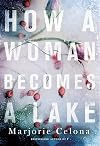
“Missing person” stories have become the gift which keeps on giving. Over the past year I must have read about four or five novels built on the premise of a mysterious disappearance (I’m honestly losing count). The good news is that this trope - or genre, which is what it has basically morphed into – keeps reinventing itself, with every author giving it an idiosyncratic spin.
In Marjorie Celona’s How a Woman Becomes a Lake the missing protagonist is Vera, a thirty-year old filmmaker show more and lecturer who lives in the small West Coast fishing town of Whale Bay, “just a stone’s throw from Canada”. On New Year’s Day 1986, Vera goes out for a walk with her dog Scout and fails to return home. The local detectives immediately presume foul play. Vera’s considerably older husband, Denny Gusev, becomes a murder suspect, particularly since neighbours claim to have heard the couple heatedly argue on the evening of the disappearance. Officer Lewis Coté, however, refuses to accept this neat solution. Just before going awol, Vera phones the Police claiming that she has found a boy in the woods. Could it have been one of Leo’s two sons, who were out near the lake on the same day? Do the boys know more than they are letting on?
The book’s blurb describes this novel as “a literary novel with the pull and pace of a thriller, told in taut illuminating prose”. It’s the type of description which, unfortunately, shows the stigma still associated with genre fiction. There would have been nothing wrong or shameful with describing How a Woman Becomes a Lake as a “noir” or an outright “thriller”, because (i) that’s what it is and (ii) it is a noir/thriller in the best senses of the word. It is a page-turner which reveals its secrets cunningly. In a nod to Scandi-thrillers, it also uses landscape and nature to wonderful effect. Also, at a more ‘philosophical’ level, it is in keeping with the noir tradition which revels in psychological and moral shadows. The best characters have their faults, whilst even the worst have redeeming features.
Celona borrows her title from a New Yorker essay by Jia Tolentino, which in turn references Ovid. This title, with its echoes of Classical mythology, suggests a magical realist aspect to the novel, one which becomes apparent in its more whimsical, poetic chapters. It also invites a metaphorical reading of the book: a cry against the gender politics of a patriarchal society, reflected in the expectations society makes of Vera, of Evelina and, conversely, of Lewis, Leo and Denny.
How a Woman Becomes A Lake provides much food for thought. Which, of course, does not make it any less of an exciting noir.
https://endsoftheword.blogspot.com/2020/02/how-a-woman-becomes-a-lake-marjorie-c... show less
In Marjorie Celona’s How a Woman Becomes a Lake the missing protagonist is Vera, a thirty-year old filmmaker show more and lecturer who lives in the small West Coast fishing town of Whale Bay, “just a stone’s throw from Canada”. On New Year’s Day 1986, Vera goes out for a walk with her dog Scout and fails to return home. The local detectives immediately presume foul play. Vera’s considerably older husband, Denny Gusev, becomes a murder suspect, particularly since neighbours claim to have heard the couple heatedly argue on the evening of the disappearance. Officer Lewis Coté, however, refuses to accept this neat solution. Just before going awol, Vera phones the Police claiming that she has found a boy in the woods. Could it have been one of Leo’s two sons, who were out near the lake on the same day? Do the boys know more than they are letting on?
The book’s blurb describes this novel as “a literary novel with the pull and pace of a thriller, told in taut illuminating prose”. It’s the type of description which, unfortunately, shows the stigma still associated with genre fiction. There would have been nothing wrong or shameful with describing How a Woman Becomes a Lake as a “noir” or an outright “thriller”, because (i) that’s what it is and (ii) it is a noir/thriller in the best senses of the word. It is a page-turner which reveals its secrets cunningly. In a nod to Scandi-thrillers, it also uses landscape and nature to wonderful effect. Also, at a more ‘philosophical’ level, it is in keeping with the noir tradition which revels in psychological and moral shadows. The best characters have their faults, whilst even the worst have redeeming features.
Celona borrows her title from a New Yorker essay by Jia Tolentino, which in turn references Ovid. This title, with its echoes of Classical mythology, suggests a magical realist aspect to the novel, one which becomes apparent in its more whimsical, poetic chapters. It also invites a metaphorical reading of the book: a cry against the gender politics of a patriarchal society, reflected in the expectations society makes of Vera, of Evelina and, conversely, of Lewis, Leo and Denny.
How a Woman Becomes A Lake provides much food for thought. Which, of course, does not make it any less of an exciting noir.
https://endsoftheword.blogspot.com/2020/02/how-a-woman-becomes-a-lake-marjorie-c... show less
Lists
Awards


You May Also Like


Associated Authors
Statistics
- Works
- 2
- Also by
- 2
- Members
- 318
- Popularity
- #74,347
- Rating
- 3.7
- Reviews
- 35
- ISBNs
- 28
- Languages
- 2