

Aidan Chambers (1934–2025)
Author of Postcards from No Man's Land
About the Author
Image credit: Photo by Chris Robertson
Series
Works by Aidan Chambers
Once Upon a Time ... Celebrating the Magic of Childrens Books in Honor of the Twentieth Anniversary of Reading Is Fundamental (1986) — Editor — 100 copies, 2 reviews
Ư æ ư æ ư 1 copy
ladri di regali 1 copy
Nel giardino segreto. Nascondersi, perdersi, ritrovarsi. Itinerari nella tana dei giovani lettori (2009) 1 copy
Animal Fair 1 copy
Postais da Terra de Ninguém 1 copy
Siamo quello che leggiamo 1 copy
Ghosts — Editor — 1 copy
Associated Works
Tagged
Common Knowledge
- Legal name
- Chambers, Aidan
- Birthdate
- 1934-12-27
- Date of death
- 2025-05-11
- Gender
- male
- Occupations
- children's book author
teacher
monk - Organizations
- Royal Navy
School Library Association - Awards and honors
- Eleanor Farjeon Award (joint|1982)
May Hill Arbuthnot Lecturer (1986)
Hans Christian Andersen Award (2002) - Relationships
- Chambers, Nancy (wife|1968)
- Nationality
- UK
- Birthplace
- Chester-le-Street, County Durham, England, UK
- Places of residence
- Chester-le-Street, County Durham, England, UK
Southend-on-Sea, Essex, England, UK
Stroud, Gloucestershire, England, UK - Associated Place (for map)
- England, UK
Members
Discussions
YA scfi fi anthology with disturbing tales in Name that Book (March 2012)
Reviews

When I cracked open THE KISSING GAME by Aidan Chambers, it wasn’t long before I was engrossed. It’s a collection of the award-winning author’s short fiction, and each and every story packs a punch, with pieces ranging from drabbles and flash fiction to stories of typical length. From the “The Kissing Game,” about a boy getting to know his new neighbor, both of them dealing with issues of the past, to “The Tower,” which brings a little magic realism to a camping trip, the show more characters are vivid and real and brought to life with such carefully chosen language. One of my favorites in the collection was “Sanctuary,” in which an agoraphobic teen on his way to a college interview meets an immigrant girl who turns out to be in a lot of trouble — and none of it of her own making. The story is fast-paced, gripping, and succinct.
THE KISSING GAME is, in short, amazing. And I’d love to see this book in the hands of both casual readers and English class students. It’s definitely a highly literary work, but it’s also extremely accessible. Reluctant readers will enjoy the low-pressure nature of reading short fiction, and writing teachers will find amazing examples to use in their curricula. Not to mention the fact that THE KISSING GAME is rife with humor, pain, adventure, and, well, story. show less
THE KISSING GAME is, in short, amazing. And I’d love to see this book in the hands of both casual readers and English class students. It’s definitely a highly literary work, but it’s also extremely accessible. Reluctant readers will enjoy the low-pressure nature of reading short fiction, and writing teachers will find amazing examples to use in their curricula. Not to mention the fact that THE KISSING GAME is rife with humor, pain, adventure, and, well, story. show less
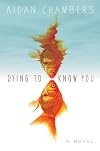
It’s ages since I had so much trouble constructing a review. Dying to know you was such a compelling read – the writing so spare, the characterisation so understated and tender, the dialogue so convincing - that I wonder why I ever try to write at all. The plot is simple – Karl, a dyslexic apprentice plumber, arrives at an aged writer’s door asking for help writing to his girlfriend. Said girlfriend loves words and wants to share his ‘inner secrects’. The writer agrees to help show more and a friendship ensues. For all the understated simplicity of the text and plot, it’s replete with complexity: What is the function of a word? A sentence? A work of art? How do the words we use – the art we create – communicate our most private selves? How do other people create around meanings around these concrete essences of self?
I already knew Chambers as a wordsmith, but this novel is special. Every word, every sentence is pared down to the bare essentials, eschewing the deeply descriptive style of his other YA novels, as befits a novel about words centred on a young plumber for whom writing is “torture” because it jumbles the words in his head. Beginning with an unscripted dialogue, it includes emails, poems, quotes and poetic reconstructions, all commented on by the 75 year old narrator, whose non-judgemental observations about life and meaning have created a space for Karl to just ‘be’.
Watching the two characters build a friendship across age and experience is wonderful. The narrator’s gentleness is laced with deadpan humour - Karl’s quest to write about love leads him to the internet where he observes
“…the bit I liked best was where it said it was impossible to define love because it takes so many forms and is so complicated.”
“Like plumbing a loo.”
“Exactly.”
And yet emotion spills out everywhere between the words - spills out in such a way that I can’t find a single quote to share this with you. It’s just there, falling between the characters’ words and interactions.
I absolutely couldn’t put this novel down, which is odd, in retrospect, cause it includes all kinds of banality such as the slow failure of the old man’s personal ‘plumbing’ and his fears of ‘prostrate trouble’. Perhaps it’s simply a matter of perspective. At one point the Karl and the writer are looking at an abstract sculpture and Karl observes “It’s different from every angle… You wouldn’t think something so simple could make such different shapes from different angles”. The narrator is, above all, an observer and the multiplicity of ‘angles’ he brings to his young subject and the people around Karl make for compelling reading.
This is one novel that’s going straight to my extension writers – partly for the younger kids to analyse how the writer dresses up Karl’s first draft in punctuation and paragraphs and the occasional new turn of phrase, but also because it’s such a tangible place to begin discussing the role of literature and the reasons for teaching kids about words and writing in the first place. If I can get the depression and suicide references (only a short section, handled incredibly sensitively and resolved very positively) past a head teacher, I’d love to use it as a class text – perhaps even with a group of supposed lower-ability boys, just to see what they make of it (though, maybe they identify more with the “philistines” – it might be that this is a writer’s book that glides over the head of those who do not already share an understanding of art?). Every library should have Dying to know you on it’s shelves and - more importantly - so should every school’s English faculty. show less
I already knew Chambers as a wordsmith, but this novel is special. Every word, every sentence is pared down to the bare essentials, eschewing the deeply descriptive style of his other YA novels, as befits a novel about words centred on a young plumber for whom writing is “torture” because it jumbles the words in his head. Beginning with an unscripted dialogue, it includes emails, poems, quotes and poetic reconstructions, all commented on by the 75 year old narrator, whose non-judgemental observations about life and meaning have created a space for Karl to just ‘be’.
Watching the two characters build a friendship across age and experience is wonderful. The narrator’s gentleness is laced with deadpan humour - Karl’s quest to write about love leads him to the internet where he observes
“…the bit I liked best was where it said it was impossible to define love because it takes so many forms and is so complicated.”
“Like plumbing a loo.”
“Exactly.”
And yet emotion spills out everywhere between the words - spills out in such a way that I can’t find a single quote to share this with you. It’s just there, falling between the characters’ words and interactions.
I absolutely couldn’t put this novel down, which is odd, in retrospect, cause it includes all kinds of banality such as the slow failure of the old man’s personal ‘plumbing’ and his fears of ‘prostrate trouble’. Perhaps it’s simply a matter of perspective. At one point the Karl and the writer are looking at an abstract sculpture and Karl observes “It’s different from every angle… You wouldn’t think something so simple could make such different shapes from different angles”. The narrator is, above all, an observer and the multiplicity of ‘angles’ he brings to his young subject and the people around Karl make for compelling reading.
This is one novel that’s going straight to my extension writers – partly for the younger kids to analyse how the writer dresses up Karl’s first draft in punctuation and paragraphs and the occasional new turn of phrase, but also because it’s such a tangible place to begin discussing the role of literature and the reasons for teaching kids about words and writing in the first place. If I can get the depression and suicide references (only a short section, handled incredibly sensitively and resolved very positively) past a head teacher, I’d love to use it as a class text – perhaps even with a group of supposed lower-ability boys, just to see what they make of it (though, maybe they identify more with the “philistines” – it might be that this is a writer’s book that glides over the head of those who do not already share an understanding of art?). Every library should have Dying to know you on it’s shelves and - more importantly - so should every school’s English faculty. show less
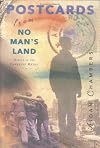
“Nothing in Amsterdam is what it appears to be.” This is a note that seventeen year old Jacob receives from a boy that he thought was a girl, after they finish having a beer together, and just before his coat and money are stolen. All this happens within the first ten pages of this novel, which follows both Jacob in modern Amsterdam and a teenage girl named Geertrui, living in Holland during World War II.
Geertrui narrates her story in alternating chapters, while Jacob’s is presented in show more third person. Both begin as somewhat naïve characters, but quickly find themselves in situations where they are forced into situations which require mature thinking. Geertrui is a sheltered nineteen year old girl living with her parents in a small village in Holland when the Germans invade. She finds herself nursing British soldiers, including one named Jacob. Along with her brother, his best friend, and Jacob, she escapes to a farm outside the village, where they attempt to stay concealed for as long as possible. Meanwhile, the modern Jacob finds himself at the mercy of a kindly woman who helps him contact the people he is supposed to be meeting up with, a young man named Daan, and his mother, Tessel. Tessel remains offstage for sometime, with her mother, who is terminally ill, so Daan is the one who shows Jacob around. He also happens to be friends with the young man who Jacob encountered earlier, which makes for a delightfully awkward and confusing conversation over coffee.
The reader will understand the connection between the two stories long before the narrative brings them together. Both Geertrui and Jacob have sexual experiences and encounters which require them to rethink their previous ideas and assumptions. Geertrui is a thoughtful and eloquent writer, and quotes from poems and English proverbs litter her story. Jacob has long been drawn to the writings of Anne Frank, and in a few chapters, expounds on how important reading her diary has been to him. After having visited her house, it causes him to reflect on how personal he has made her writing.
This is a well-written historical novel, with strong male and female characters. Because of the issues discussed by and encountered by different characters, I would recommend it to older or mature teens only. show less
Geertrui narrates her story in alternating chapters, while Jacob’s is presented in show more third person. Both begin as somewhat naïve characters, but quickly find themselves in situations where they are forced into situations which require mature thinking. Geertrui is a sheltered nineteen year old girl living with her parents in a small village in Holland when the Germans invade. She finds herself nursing British soldiers, including one named Jacob. Along with her brother, his best friend, and Jacob, she escapes to a farm outside the village, where they attempt to stay concealed for as long as possible. Meanwhile, the modern Jacob finds himself at the mercy of a kindly woman who helps him contact the people he is supposed to be meeting up with, a young man named Daan, and his mother, Tessel. Tessel remains offstage for sometime, with her mother, who is terminally ill, so Daan is the one who shows Jacob around. He also happens to be friends with the young man who Jacob encountered earlier, which makes for a delightfully awkward and confusing conversation over coffee.
The reader will understand the connection between the two stories long before the narrative brings them together. Both Geertrui and Jacob have sexual experiences and encounters which require them to rethink their previous ideas and assumptions. Geertrui is a thoughtful and eloquent writer, and quotes from poems and English proverbs litter her story. Jacob has long been drawn to the writings of Anne Frank, and in a few chapters, expounds on how important reading her diary has been to him. After having visited her house, it causes him to reflect on how personal he has made her writing.
This is a well-written historical novel, with strong male and female characters. Because of the issues discussed by and encountered by different characters, I would recommend it to older or mature teens only. show less
Lady Wombat says:
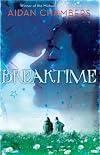
After reading Cordelia Kenn, I decided to go back to the beginning, and read Aidan Chambers' YAs from first to last. Breaktime was Chambers' first, characteristic of the innovation and experimentation taking place in the genre during the 1970's. A first read for me, not having encountered Chambers as a teen myself.
17-year-old Ditto is challenged by his best friend Morgan to prove that literature can still play a meaningful role in a contemporary world in which film and show more television have taken over the task of conveying narrative. What follows appears to be an autobiographical account of a weekend during Ditto's school break, during which he considers how his relationship with his father has changed since the latter's illness, goes camping and meets two other men who have troubled relationships with their own fathers, and loses his virginity to a girl whom he had admired but who had moved away before he summoned the courage to do anything about his attraction. Ditto gives his writing to Morgan, but Morgan says the narrative doesn't prove anything about literature, since it is based on truth. But is it, asks Ditto? Perhaps I simply stayed at home and made it all up...
Chambers nods in the direction of Joyce's Ulysses (the greatest book that people hardly ever read, according to Ditto's English teacher), but the novel is more reminiscent (if one can be excused for using the word when referring to later developments) of postmodern bricolage; Ditto's narrative shifts from first person to third, from comic strips to theater dialogue, whatever form best suits the story and the emotions of the events Ditto wishes to convey. The parallels between Ditto's life and the events of the story within the story are occasionally a bit too pat, which makes sense when you find out that Ditto may have invented the entire thing -- literary symbolism can be a bit heavyhanded to the skilled reader, no?
What I found most appealing is how intelligent these kids are portrayed as being -- no dumbing down, no construction of the teen as inherently selfish and self-involved, as in so many contemporary YA books. Ditto and the other teens he interacts with think, and feel, deeply, intensely, intelligently. A reader has to work hard at times to understand, especially to fill in gaps in the dialogue, but this is part of the pleasure of reading Chambers.
Now on to reread Dance on my Grave, one of my favorite YA novels of all time. show less
After reading Cordelia Kenn, I decided to go back to the beginning, and read Aidan Chambers' YAs from first to last. Breaktime was Chambers' first, characteristic of the innovation and experimentation taking place in the genre during the 1970's. A first read for me, not having encountered Chambers as a teen myself.
17-year-old Ditto is challenged by his best friend Morgan to prove that literature can still play a meaningful role in a contemporary world in which film and show more television have taken over the task of conveying narrative. What follows appears to be an autobiographical account of a weekend during Ditto's school break, during which he considers how his relationship with his father has changed since the latter's illness, goes camping and meets two other men who have troubled relationships with their own fathers, and loses his virginity to a girl whom he had admired but who had moved away before he summoned the courage to do anything about his attraction. Ditto gives his writing to Morgan, but Morgan says the narrative doesn't prove anything about literature, since it is based on truth. But is it, asks Ditto? Perhaps I simply stayed at home and made it all up...
Chambers nods in the direction of Joyce's Ulysses (the greatest book that people hardly ever read, according to Ditto's English teacher), but the novel is more reminiscent (if one can be excused for using the word when referring to later developments) of postmodern bricolage; Ditto's narrative shifts from first person to third, from comic strips to theater dialogue, whatever form best suits the story and the emotions of the events Ditto wishes to convey. The parallels between Ditto's life and the events of the story within the story are occasionally a bit too pat, which makes sense when you find out that Ditto may have invented the entire thing -- literary symbolism can be a bit heavyhanded to the skilled reader, no?
What I found most appealing is how intelligent these kids are portrayed as being -- no dumbing down, no construction of the teen as inherently selfish and self-involved, as in so many contemporary YA books. Ditto and the other teens he interacts with think, and feel, deeply, intensely, intelligently. A reader has to work hard at times to understand, especially to fill in gaps in the dialogue, but this is part of the pleasure of reading Chambers.
Now on to reread Dance on my Grave, one of my favorite YA novels of all time. show less
Lists
Awards


You May Also Like


Associated Authors
Statistics
- Works
- 81
- Also by
- 8
- Members
- 3,171
- Popularity
- #8,055
- Rating
- 3.9
- Reviews
- 99
- ISBNs
- 310
- Languages
- 12
- Favorited
- 6