
Elechi Amadi (1934–2016)
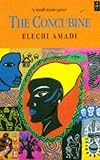
Author of The Concubine
About the Author
Elechi Amadi was born in Aluu, Nigeria on May 12, 1934. He was educated at the Government College, Umuahia, and at the University College, Ibadan. After graduating, he worked briefly as a land surveyor and then a secondary school teacher. During the Nigerian civil war, he opposed the Biafran cause. show more His unpleasant encounters with the Biafran authorities are recorded in the memoir Sunset in Biafra. He wrote several novels during his lifetime including The Concubine, The Great Ponds, The Slave, and Estrangement. Later in life, he wrote several plays including Isiburu and Dancer of Johannesburg. In 2003, he was made a Member of the Order of the Federal Republic of Nigeria, his nation's highest honor. He died on June 29, 2016 at the age of 82. (Bowker Author Biography) show less
Image credit: The Douglas Review
Works by Elechi Amadi
Peppersoup 1 copy
Dancer of Johannesburg 1 copy
The Woman of Calabar 1 copy
The Road to Ibadan 1 copy
Tagged
Common Knowledge
- Birthdate
- 1934-05-12
- Date of death
- 2016-06-29
- Gender
- male
- Education
- University of Ibadan
- Nationality
- Nigeria
- Birthplace
- Aluu, Rivers State, Nigeria
- Place of death
- Port Harcourt, Nigeria
- Associated Place (for map)
- Nigeria
Members
Reviews

A rare work set in colonial Africa (Nigeria in this case) that does not have a single white man in it. Kind of refreshing! We are in a small village, among other small villages, in eastern Nigeria. It is a highly traditional society, subject to traditional rules and gender roles, a place where custom is highly important. Early in the book, Inhuoma’s husband dies and what follows deals with her life in the village and her future. Ihuoma is a remarkably good (and good-looking) woman and she, show more as well as most of the characters in the book, is particularly well-drawn. Amadi spends a good deal of the narration on daily life and, because of the story line, more than a little time is devoted to the gods, their likes and dislikes, their powers and weaknesses. It also deals in a wonderfully nuanced way with the role of what are often called witch-doctors: those skilled in healing and in witchcraft (both in causing things to happen or preventing them from happening). Amadi’s writing is enjoyable enough that I look forward to reading another of his novels. Well-written, well-constructed, well worth the time. show less
This by far my favorite book by an African writer, and though I have read nearly 100 African novels, this is the only one that I have reread - 3 times!
Elechi Amadi has written many good books but this one is his masterpiece. It is lyrical, written with a profound sense of understatement that reflects the simple life of pre-colonial Africa. The simplicity of the narrative makes it all the more powerful, and a sense of tragedy grows as the reader draws inexorably closer to the end. A haunting show more tale. show less
Elechi Amadi has written many good books but this one is his masterpiece. It is lyrical, written with a profound sense of understatement that reflects the simple life of pre-colonial Africa. The simplicity of the narrative makes it all the more powerful, and a sense of tragedy grows as the reader draws inexorably closer to the end. A haunting show more tale. show less
Easily the best unpretentious romantic novel ever written. It takes you through the valleys, plains, peaks, and treacherous cliffs of love. Enjoy it:)
Part of book project. Very readable, a lot of specific anthropological/cultural details.
You May Also Like


Statistics
- Works
- 14
- Members
- 326
- Popularity
- #72,686
- Rating
- 3.7
- Reviews
- 6
- ISBNs
- 26
- Languages
- 3