
Bob Spitz
Author of The Beatles: The Biography
About the Author
Bob Spitz is an American journalist and author best known for his celebrity biographies, including the New York Times best seller The Beatles: The Biography. Articles by Spitz appear regularly in The New York Times Magazine, GQ, Conde Nast Traveler, Men's Journal, In Style, Esquire and The show more Washington Post. Some of his non-fiction titles include The Saucier's Apprentice: One Long Strange Trip through the Great Cooking Schools of Europe, Barefoot in Babylon: The Creation of the Woodstock Music Festival and Dylan: A Biography. His title Dearie: The Remarkable Life of Julia Child made the New York Times Best Seller List for 2012. (Bowker Author Biography) show less
Image credit: audiobookmart.com/author/586869/bob-spitz-1
Works by Bob Spitz
The Saucier's Apprentice: One Long Strange Trip through the Great Cooking Schools of Europe (2008) 96 copies, 7 reviews
Yeah! Yeah! Yeah!: The Beatles, Beatlemania, and the Music that Changed the World (2007) 46 copies, 3 reviews
Shoot Out the Lights: The Amazing , Improbable, Exhilarating Saga of the 1969-70 New York Knicks (1995) 16 copies
TIME The Beatle Invasion!: The inside story of the two-week tour that rocked America (2014) 12 copies, 1 review
Associated Works
Tagged
Common Knowledge
- Gender
- male
- Education
- Albright College
- Occupations
- journalist
author - Nationality
- USA
- Birthplace
- Reading, Pennsylvania, USA
- Places of residence
- Connecticut, USA
- Associated Place (for map)
- USA
Members
Reviews

ummary: A biography of the band from its beginnings, rise, Beatlemania, studio work, and demise, with mini-biographies of each of the Beatles, their manager, Brian Epstein.
One of those “where were you?” moments for those of us of a certain age is “where were you when The Beatles appeared on the Ed Sullivan show for the first time?” I was a fourth grader, watching them on my grandparents television while the adults tut-tutted about the “long hairs” and their music. Inside, I was show more fascinated, as were all my classmates, especially the girls, who talked endlessly about “my favorite Beatle.”
The 2005 “biography” of the Fab Four brings back all those memories and so much more–much that was fascinating and some that I’d rather not have known. Spitz traces the history of the band from its beginnings with John Lennon and The Quarrymen, the meeting with Paul McCartney, the Liverpool years and the various combinations of musicians including the fan favorite drummer Pete Best whose home was a favorite hangout until he was unceremoniously ditched and Ringo brought on board on the eve of their fame. Spitz writes abbreviated biographies of each of the Beatles and their manager, Brian Epstein.
We learn how formative their time in Hamburg was and the significant advance they made under Brian Epstein’s management. Spitz takes us through all the things he did to polish their image, how they became “The Beatles,” his efforts to get them recorded and promoted, and the mistakes he made in setting up recording contracts. As their records hit the charts and they toured Great Britain, we see them reach the “toppermost of the poppermost.” Then Ed Sullivan. America. Beatlemania with its surging crowds, shrieking and swooning girls, and ever-increasing danger to the Beatles leading to their end of touring in 1966.
Spitz takes us behind the scenes and we see the genius of the songwriting duo of Lennon-McCartney as well as the eventual strains in their relationship, the guitarwork and growing skill of George and how Ringo not only provided the musical foundation for the band but also a certain emotional glue. We learn what it was like to record at Abbey Road. We observe the self-effacing genius of George Martin, who never profited beyond his modest salary, helping with the innovative work on albums like “Sgt. Pepper’s Lonely Hearts Club Band.”
Spitz reminds us of the trip to India to learn meditation as the band sought both to grow spiritually and mend the growing artistic and personal rifts that would ultimately lead to their demise, particularly after Yoko Ono entered the scene, helping further alienate John from the others. We read accounts of the final recording sessions and the release of “Abbey Road” and their last live concert on a London rooftop, where amid all the tensions, they momentarily recaptured the joy of making music together.
Then there is the seamier side. The drug use beginning with amphetamines, marijuana, and eventually LSD, and in John’s case heroin, from which he was often strung out and increasingly erratic. The women. So many “birds” to have sex with, as was the case with many rockers. At one point, all were being treated for gonorrhea. There is the brilliant and sad Brian Epstein and his closeted gay life, including rough sex leaving him beaten and robbed, and his growing despair as he felt he was losing control of the Beatles, leading to his death, whether accidental or suicide, from an overdose of drugs. While they were rich, through Epstein’s mistakes and their own debacle with Apple, they foolishly lost millions.
There is the tragic. Going back to Hamburg days, the death of onetime bandmate Stu Sutcliffe, the firing of Pete Best and the way it was done. The betrayal of Lennon’s wife, Cynthia, and Paul’s girlfriend, Jane Asher. The end of the band itself, chronicled in agonizing detail. And later deaths: John, George, Linda Eastman McCartney.
This is a huge biography, coming in at 983 pages, including photos and notes. Yet it is a fascinating read that gives one a sense of the hard work it took to become “The Beatles” the genius of Lennon and McCartney, the trauma of Beatlemania, the behind-the-scenes accounts of the making of each album and so much more. At the same time, we see them as all-too-human, flawed and forming young men thrust into the fame and fortune they’d dreamed of but were not prepared to handle. What is astounding is to consider that most of the output of The Beatles took place over just seven fraught years, from 1963 to 1969. Yet they changed rock ‘n roll forever. Spitz gives us the “crowded hours” of that epic journey. show less
One of those “where were you?” moments for those of us of a certain age is “where were you when The Beatles appeared on the Ed Sullivan show for the first time?” I was a fourth grader, watching them on my grandparents television while the adults tut-tutted about the “long hairs” and their music. Inside, I was show more fascinated, as were all my classmates, especially the girls, who talked endlessly about “my favorite Beatle.”
The 2005 “biography” of the Fab Four brings back all those memories and so much more–much that was fascinating and some that I’d rather not have known. Spitz traces the history of the band from its beginnings with John Lennon and The Quarrymen, the meeting with Paul McCartney, the Liverpool years and the various combinations of musicians including the fan favorite drummer Pete Best whose home was a favorite hangout until he was unceremoniously ditched and Ringo brought on board on the eve of their fame. Spitz writes abbreviated biographies of each of the Beatles and their manager, Brian Epstein.
We learn how formative their time in Hamburg was and the significant advance they made under Brian Epstein’s management. Spitz takes us through all the things he did to polish their image, how they became “The Beatles,” his efforts to get them recorded and promoted, and the mistakes he made in setting up recording contracts. As their records hit the charts and they toured Great Britain, we see them reach the “toppermost of the poppermost.” Then Ed Sullivan. America. Beatlemania with its surging crowds, shrieking and swooning girls, and ever-increasing danger to the Beatles leading to their end of touring in 1966.
Spitz takes us behind the scenes and we see the genius of the songwriting duo of Lennon-McCartney as well as the eventual strains in their relationship, the guitarwork and growing skill of George and how Ringo not only provided the musical foundation for the band but also a certain emotional glue. We learn what it was like to record at Abbey Road. We observe the self-effacing genius of George Martin, who never profited beyond his modest salary, helping with the innovative work on albums like “Sgt. Pepper’s Lonely Hearts Club Band.”
Spitz reminds us of the trip to India to learn meditation as the band sought both to grow spiritually and mend the growing artistic and personal rifts that would ultimately lead to their demise, particularly after Yoko Ono entered the scene, helping further alienate John from the others. We read accounts of the final recording sessions and the release of “Abbey Road” and their last live concert on a London rooftop, where amid all the tensions, they momentarily recaptured the joy of making music together.
Then there is the seamier side. The drug use beginning with amphetamines, marijuana, and eventually LSD, and in John’s case heroin, from which he was often strung out and increasingly erratic. The women. So many “birds” to have sex with, as was the case with many rockers. At one point, all were being treated for gonorrhea. There is the brilliant and sad Brian Epstein and his closeted gay life, including rough sex leaving him beaten and robbed, and his growing despair as he felt he was losing control of the Beatles, leading to his death, whether accidental or suicide, from an overdose of drugs. While they were rich, through Epstein’s mistakes and their own debacle with Apple, they foolishly lost millions.
There is the tragic. Going back to Hamburg days, the death of onetime bandmate Stu Sutcliffe, the firing of Pete Best and the way it was done. The betrayal of Lennon’s wife, Cynthia, and Paul’s girlfriend, Jane Asher. The end of the band itself, chronicled in agonizing detail. And later deaths: John, George, Linda Eastman McCartney.
This is a huge biography, coming in at 983 pages, including photos and notes. Yet it is a fascinating read that gives one a sense of the hard work it took to become “The Beatles” the genius of Lennon and McCartney, the trauma of Beatlemania, the behind-the-scenes accounts of the making of each album and so much more. At the same time, we see them as all-too-human, flawed and forming young men thrust into the fame and fortune they’d dreamed of but were not prepared to handle. What is astounding is to consider that most of the output of The Beatles took place over just seven fraught years, from 1963 to 1969. Yet they changed rock ‘n roll forever. Spitz gives us the “crowded hours” of that epic journey. show less
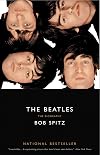
Compellingly written and just exhaustive enough to flesh out the picture every step of the way without getting too bogged down in extraneous details, Spitz's 1,000-page tome only seems to lose focus and rush things in the final Abbey Road-Let it Be years, as if getting impatient with his book's sheer length. Though I grew up with the Beatles (relying on my mother to pick up their albums starting with "Beatles '65"), there's a lot I didn't know, so many curious and bizarre stories behind the show more songs, such as the title of "A hard day's night" being one of Starr's frequent "Ringoisms" (malapropisms) and the opening of "I am the walrus" depicting a police siren. Another fascinating fact: before they broke out, the Beatles were rejected again and again by radio and record producers for being inept and incompetent, their music simply deemed not good enough; or during their massive concerts during which neither they nor anyone in the audience could hear the music due to the screaming crowds, they were constantly pelted with jellybeans (not out of anger). It becomes fully clear why they quit performing live in 1966. show less
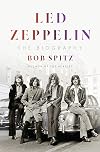
The inside cover flap boasts: Led Zeppelin gave no quarter, and neither has Bob Spitz. "Led Zeppelin" is the full and honest reckoning the band has long awaited, and richly deserves.
Despite those lofty fighting words on the flap, “Led Zeppelin The Biography” is hardly a reckoning. It is nothing more than a mean-spirited book report.
Spitz’s “reckoning,” apparent in his bibliography and chapter notes, is mainly sourced from the works of others. Almost every Zeppelin-related book, show more periodical, radio interview, and fan forum (huh?) out there is sourced. Harvested quotes and information are inserted to fit the narrative Spitz chose to spin, with little heed to whether the sources are inaccurate or innuendo, or whether selected quotes are used in proper context.
As other reviewers have noted, there isn't anything new in this book. The personal interviews that Spitz conducted are with mostly peripheral figures, most of whom fell out of favor with the band, rendering their statements less than objective. A few interviewees are identified mysteriously as “confidential” sources. None of the interviews produced anything beyond similar recollections made in other books. Credibility is questionable when certain figures alter their stories over the years.
Spitz editorialized throughout the text and made deliberate word choices to mock the group and manager Peter Grant. Some barbs weren’t subtle. Calling John Bonham, who died from alcohol abuse, “sh*tfaced as usual" was in poor taste. Spitz also overused creative license in what is supposedly a factual biography. Exactly how is it that Spitz can declare without quoting a source that Jimmy Page had a “cell-like bedroom” as a child, or that his parents had a radio on which “Jimmy worked its Bakelite dials with a safecracker’s expertise?” Spitz also took the liberty of inventing dialogue in numerous passages with no identified sources.
Amidst other factual errors that appear from cover to cover, Spitz made the bizarre error of stating that Sandy Denny sang on “Gallows Pole.”
Spitz included the requisite wokery which seems to be a requirement for an author to get published at this moment in time. However it is unrealistic to view events that occurred 50 years ago through the moral lens of today. In what world other than Spitz’s “reckoning” can Robert Plant’s blues singing be considered “cultural appropriation”?? As enlightened to new social mores as Spitz attempted to be in some areas, he fat-shamed Peter Grant repeatedly and ridiculed John Bonham for substance abuse disorder. Bullying isn’t very enlightened. Spitz also mocked journalist Chris Welch numerous times throughout the text, but sourced no less than three of Welch's published books on Zeppelin and Peter Grant.
The photos are stock images widely available on the internet. The dates for three photos relating to the notorious Oakland shows which took place in 1977 are erroneously captioned as 1979. A photo identified as a rehearsal for Knebworth is from a completely different time period. show less
Despite those lofty fighting words on the flap, “Led Zeppelin The Biography” is hardly a reckoning. It is nothing more than a mean-spirited book report.
Spitz’s “reckoning,” apparent in his bibliography and chapter notes, is mainly sourced from the works of others. Almost every Zeppelin-related book, show more periodical, radio interview, and fan forum (huh?) out there is sourced. Harvested quotes and information are inserted to fit the narrative Spitz chose to spin, with little heed to whether the sources are inaccurate or innuendo, or whether selected quotes are used in proper context.
As other reviewers have noted, there isn't anything new in this book. The personal interviews that Spitz conducted are with mostly peripheral figures, most of whom fell out of favor with the band, rendering their statements less than objective. A few interviewees are identified mysteriously as “confidential” sources. None of the interviews produced anything beyond similar recollections made in other books. Credibility is questionable when certain figures alter their stories over the years.
Spitz editorialized throughout the text and made deliberate word choices to mock the group and manager Peter Grant. Some barbs weren’t subtle. Calling John Bonham, who died from alcohol abuse, “sh*tfaced as usual" was in poor taste. Spitz also overused creative license in what is supposedly a factual biography. Exactly how is it that Spitz can declare without quoting a source that Jimmy Page had a “cell-like bedroom” as a child, or that his parents had a radio on which “Jimmy worked its Bakelite dials with a safecracker’s expertise?” Spitz also took the liberty of inventing dialogue in numerous passages with no identified sources.
Amidst other factual errors that appear from cover to cover, Spitz made the bizarre error of stating that Sandy Denny sang on “Gallows Pole.”
Spitz included the requisite wokery which seems to be a requirement for an author to get published at this moment in time. However it is unrealistic to view events that occurred 50 years ago through the moral lens of today. In what world other than Spitz’s “reckoning” can Robert Plant’s blues singing be considered “cultural appropriation”?? As enlightened to new social mores as Spitz attempted to be in some areas, he fat-shamed Peter Grant repeatedly and ridiculed John Bonham for substance abuse disorder. Bullying isn’t very enlightened. Spitz also mocked journalist Chris Welch numerous times throughout the text, but sourced no less than three of Welch's published books on Zeppelin and Peter Grant.
The photos are stock images widely available on the internet. The dates for three photos relating to the notorious Oakland shows which took place in 1977 are erroneously captioned as 1979. A photo identified as a rehearsal for Knebworth is from a completely different time period. show less

Fundamentally this is a lesson in how doing what you enjoy can make a life worth living. This is a great biography of the woman who, against some odds, made an indelible mark on the face of cooking (and eating) in America. Funny, charming and a natural ham, Julia Child took over as the cook who brought us out of the tired, pre-packaged age of can opening and frozen food. Though the beginning of the book is a bit dry, the rest moved me to tears several times (though I admit to being overly show more tearful). show less
Lists
Awards


You May Also Like


Associated Authors
Statistics
- Works
- 18
- Also by
- 2
- Members
- 2,588
- Popularity
- #9,926
- Rating
- 4.0
- Reviews
- 69
- ISBNs
- 66
- Languages
- 5
- Favorited
- 1