
Antoine de Saint-Exupéry (1900–1944)
Author of The Little Prince
About the Author
Antoine de Saint-Exupery, 1900 - 1944 Antoine de Saint-Exupery was born in Lyon, France on June 29, 1900. Saint-Exupery was educated in Jesuit schools. He later attended a Catholic boarding school in Switzerland before entering the Ecole de Beaux-Arts as an architecture student. de Saint-Exupery show more began his military service in 1921 and was sent to Strasbourgh to be trained as a pilot. He received his pilot's license in 1922 and, after a few dead end jobs as a bookkeeper and an automobile salesman, he began flying mail for a commercial airline company. His route over North Africa was the basis for his first novel, Southern Mail, in 1929. His second novel, Night Flight, became an international bestseller and was made into a film in 1933. By that time, de Saint-Exupery was married to Consuelo Gomez Castillo and was working as a test pilot for Air France. He was also working as a foreign correspondent covering May Day events in Moscow and writing a series on the Spanish Civil War. His book, Wind, Sand and Stars won the French Academy's 1939 Grand Prix du Roman and the National Book Award in the United States. He came to the United States after France fell in World War II, but rejoined the French Air Force in North Africa in 1943. That same year he published The Little Prince, a children's story of such universal appeal that it has been translated into close to fifty languages. Antoine de Saint-Exupery took off on a flight over Southern France on July 31, 1944 and was never seen again. In 1998, a fisherman found a bracelet with his name and his wife's name engraved on it, 150 kilometers west of Marseilles. (Bowker Author Biography) After escaping death in several accidents while flying as a pilot over the most dangerous sections of the French airmail service in South America, Africa, and the South Atlantic, Saint-Exupery was reported missing over southern France in 1944. Night Flight (1931) was introduced by Andre Gide and was at once proclaimed a masterpiece. Wind, Sand and Stars (1939) is a series of tales, interspersed with philosophical reflections on earth as a planet and on the nobility of the common people. Flight to Arras (1942) is the author's own account of a hopeless reconnaissance sortie during the tragic days of May 1940. (Bowker Author Biography) show less
Disambiguation Notice:
Do not combine this page with "de Saint-Exupery" or "Saint-Exupery". There are other authors with that surname.
Series
Works by Antoine de Saint-Exupéry
A Guide for Grown-ups: Essential Wisdom from the Collected Works of Antoine de Saint-Exupry (2002) 237 copies
Little Prince 75th Anniversary Edition: Includes the History and Making of the Classic Story (2018) 130 copies
La historia completa de El principito (edición 70 aniversario con el texto original y documentos inéditos): 70º Aniversario (Infantil) (Spanish Edition) (2013) 12 copies, 1 review
Moje planeta — Author — 12 copies
Lire et s'entraîner : Antoine de Saint-Exupéry : Le Petit Prince [book + sound recording] (2017) — Writer — 9 copies
The Little Prince 7 copies
El Principito [ABRIDGED] 4 copies
PEQUENO PRINCIPE, O - VOL. 1 4 copies
Le Petit Prince - grande edition imprimee: The Little Prince French Original Large Print Edition (French Edition) (2017) 4 copies
Saint-Exupéry : [výbor z díla] 3 copies
Obras completas — Author — 3 copies
Pode mnou země 3 copies
Éjszakai repülés 3 copies
El Principito Español - Inglés / Pd. 3 copies
Letter to General "X" 3 copies
Best-in-Books: Grand Hotel / Voice of Bugle Ann / Life with Father / Mutiny on the Bounty / Postman Always Rings Twice (1962) — Contributor — 3 copies
Wind, Sand and Stars | Flight to Arras | Letter to a Hostage — Author — 3 copies
Mini imaginario de El Principito (Castellano - A PARTIR DE 0 AÑOS - PERSONAJES - El Principito) (Spanish Edition) (2021) 3 copies
El Principito para los más pequeños (Castellano - A PARTIR DE 0 AÑOS - PERSONAJES - El Principito) (2018) 3 copies
Le Petit Prince D'Apres Antoine De Saint-Exupery — Author — 2 copies
Obras completas 2 copies
The Little Prince 2 copies
Terra dos homens 2 copies
Die schönsten Kinderklassiker zum Vorlesen: Der kleine Prinz/Der Wind in den Weiden/Peterchens Mondfahrt (2016) 2 copies
Lettres de jeunesse: 1923-1931 2 copies
LE PETIT PRINCE Educational Edition 2 copies
Ночной полет Планета людей; Маленький принц / Антуан де Сент-Экзюпери; [Пер. с фр. Норы Галь, М.… (2000) 2 copies
O PEQUENO PRÍNCIPE – EDIÇÃO DE LUXO COM CAPA DURA ALMOFADADA E AQUARELAS ORIGINAIS DO AUTOR (2024) 2 copies
Southern Mail, Night Flight, Flight to Arras, Letter to a Hostage — Author — 2 copies
Coffret Saint-Exupéry (4 volumes) : Pilote de guerre - Terre des hommes - Ecrits de guerre - Vol de nuit (2000) — Author — 2 copies
ESCRITOS DE GUERRA 1939-1944 com A CARTA A UM REFÉM — Author — 2 copies
FLUTURIM NATËN 2 copies
Le Petit Prince Decouvre l'Univers (Puzzle Book) (LE MONDE DU PETIT PRINCE) (French Edition) (2003) 1 copy
Twierdza 1 copy
Избранное 1 copy
Terras dos Homens 1 copy
Saint-Exupéry par lui-même 1 copy
le pilote et le petit prince 1 copy
პატარა პრინცი 1 copy
Micul prinț 1 copy
أرض البشر: الجزء الثاني 1 copy
El Principito 1 copy
베스트셀러 월드북. 1-69 1 copy
Воєнні Записи 1 copy
Записники. Том 1 1 copy
Южный почтовый; Ночной полет; Планета людей; Маленький принц; Пилот и стихия; Мадрид [Переводы] 1 copy
Антуан де Сент-Экзюпери 1 copy
Siipien sankari ; Yölento 1 copy
Script for the Little Prince 1 copy
Antoine de Saint-Exupéry. Un sens à la vie : Textes inédits recueillis et présentés par Claude Reynal. 50e édition (1956) 1 copy
Das Märchen vom Zylinderhut 1 copy
Egyedül a felhők felett 1 copy
jszakai rep lš : Nǧy regňy 1 copy
Il Piccolo Principe 1 copy
A kis herceg 1 copy
Le manuscrit du Petit Prince d'Antoine de Saint-Exup©♭ry: fac-simil©♭ et transcription (2013) 1 copy
El petit princep 1 copy
心は二十歳さ―戦時の記録3 1 copy
Airman's Odyssey Vol 1) 1 copy
Il piccolo pricipe 1 copy
Le Petit Prince. Antoine de Saint-Exupéry: Französischer Text mit deutschen Worterklärungen (2017) 1 copy
サン=テグジュペリ著作集〈第4〉手帖 (1963年) 1 copy
星の王子さま 1 copy
城砦 2 (サン=テグジュペリ著作集 7) — Author — 1 copy
サン=テグジュペリ著作集 1 城砦 I 1 copy
Pequeno Principe, O 15 1 copy
Antoine de Saint-Exupéry 1 copy
Dare un senso alla vita 1 copy
Der Kleine Prinz: Man sieht nur mit dem Herzen gut ..: Die schönsten Gedanken und Zitate von Antoine de Saint-Exupéry (2010) 1 copy, 1 review
Eu Sou o Principezinho 1 copy
Um Dia Com o Principezinho 1 copy
Om Sig Selv 1 copy
Cartas à Mãe 1 copy
Carta a un jueu 1 copy
LITTLE PRINCE, THE and LITTLE PRINCE COMMENTARY, THE — Author — 1 copy
PILOT LUFTE 1 copy
Poczta na południe ; Pilot wojenny ; List do zakładnika — Author — 1 copy
Südkurier. Flug nach Arras. — Author — 1 copy
Lõuna postilennuk. Inimeste maa — Author — 1 copy
Freundschaft: Der Kleine Prinz - Die schönsten Zitate von Antoine de Saint-Exupéry (Kleiner Prinz Minibücher) (2011) 1 copy
FA75 - Little Prince 1 copy
Glück: Der Kleine Prinz - Die schönsten Zitate von Antoine de Saint-Exupéry (Kleiner Prinz Minibücher) (2011) 1 copy
El Principito 1 copy
FA74 - Little Prince 1 copy
L238 - O Pequeno Príncipe 1 copy
LOS CLASICOS DEL SIGLO XX 1 copy
The Little Prince 1 copy
CONTROLLARE - Volo di notte 1 copy
Lettres de Saint-Exupéry 1 copy
Opere, v.1 1 copy
証言と批評 (サン=テグジュペリ著作集 別巻) 1 copy
Πολεμικός πιλότος 1 copy
O PEQUENO PRÍNCIPE COM AQUARELAS DO AUTOR E CAPA DE ANNA CHARLIE O TESOURO DOS CLÁSSICOS JUVENIL 1 copy
Moje planeta 1 copy
Malenʹkyy prynts / Маленький принц. / Le Petit Prince. The Little Prince. Letters and journalism / Antoine de Saint-Exupéry (2016) 1 copy
Xứ Con Người 1 copy
Южна поща 1 copy
El principito (Nueva Edición) (Pasta dura): Edición bilingüe: español francés Pasta dura – 25 septiembre 2020 (2014) 1 copy
El Principito 1 copy
Der kleine Prinz. De klaan Prìnz, Le Petit Prince - Stroßbùrjerisch: Alsacien strasbourgeois (2017) 1 copy
Par lui-meme 1 copy
Associated Works
The Graphic Canon of Children's Literature: The World's Greatest Kids' Lit as Comics and Visuals (2014) — Contributor — 101 copies, 1 review
The Edge of the Chair: A Superlative Collection, Some Fact, Some Fiction, All Suspense (1967) — Contributor — 50 copies, 1 review
Takashi Saitō's I Can Read It In One Go! Selection of Masterpieces - Middle School (2006) — Contributor — 2 copies
Tagged
Common Knowledge
- Legal name
- Saint-Exupéry, Antoine Marie Jean-Baptiste Roger de
Antoine Marie Jean-Baptiste Roger, comte de Saint-Exupéry - Birthdate
- 1900-06-29
- Date of death
- 1944-07-31
- Gender
- male
- Education
- École Navale (failed final exams)
École des Beaux-Arts (audited architecture) - Occupations
- commercial pilot
writer
airline stopover manager
airline director (Aeroposta Argentina )
pilot (French Air Force)
commandant (Free French Air Force) (show all 7)
soldier (French Army) - Organizations
- French Army (2e Régiment de chasseurs à cheval|soldier)
French Air Force (37th Fighter Regiment|34th Aviation Regiment|Groupe de reconnaissance II/33|pilot)
Free French Air Force (Groupe de reconnaissance 2/33 "Savoie"|commandant)
Aeroposta Argentina (director) - Awards and honors
- Légion d'Honneur (1930, 1939)
Croix de Guerre avec Palme (1944) (posthumous)
Croix de Guerre (1940)
Prix Femina (1929)
Grand Prix de roman de l'Académie française (1939)
U. S. National Book Award (1940) - Relationships
- Vilmorin, Louise de (lover)
Sterne, Hedda (friend)
Suncín de Sandoval, Consuelo (wife)
Kessel, Joseph (friend) - Cause of death
- plane crash
- Nationality
- France
- Birthplace
- Lyon, Rhône, Auvergne-Rhône-Alpes, France
- Places of residence
- Lyon, Rhône, Auvergne-Rhône-Alpes, France
Marianist College Villa St. Jean, Fribourg, Switzerland
Paris, France
Neuhof, Alsace, France
Casablanca, Morocco
Le Bourget, Paris, France (show all 13)
Cape Juby, Morocco
The Galería Güemes, Buenos Aires, Argentina
Estoril, Portugal
New York, New York, USA
Quebec, Canada
Algiers, Algeria
Corsica - Place of death
- Mediterranean Sea, south of Marseille, France
- Burial location
- Carqueiranne, Provence-Alpes-Côte d'Azur, France (identification of body uncertain)
- Map Location
- France
- Disambiguation notice
- Do not combine this page with "de Saint-Exupery" or "Saint-Exupery". There are other authors with that surname.
Members
Discussions
Found: intergalactic traveler in love with a rose in Name that Book (July 2023)
The Little Prince/Le Petit Prince Letterpress in Fine Press Forum (October 2021)
Potencialidades do LT na animação in Animação da Leitura (May 2014)
Book Discussion: The Little Prince ~ Caution May Contain Spoilers! in The Green Dragon (September 2009)
Reviews
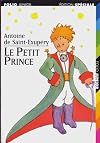
I thought the little prince himself was a very interesting character: unworldly, immature, tenacious, proud, stubborn, somber, and capable of showing enormous kindness. But this remarkable character is wrapped up in a story so heavy-handed that much of the charm was lost. The ambiguity of the tale tends toward the downright vague, and the plot itself, especially the ending, relies so much on literary analysis and interpretation that it seems insubstantial on its own merits. I understand what show more the author was doing, and I know that the point of not giving answers is to show that there are no answers. Even so, while I appreciate the symbolic and allegorical implications, I feel that they were overdone. I found it too didactic. There was too much moral and not enough story, IMO.
I am reminded of a quote by J. R. R. Tolkien: “I cordially dislike allegory in all its manifestations, and always have done so since I grew old and wary enough to detect its presence. I much prefer history – true or feigned– with its varied applicability to the thought and experience of readers. I think that many confuse applicability with allegory, but the one resides in the freedom of the reader, and the other in the purposed domination of the author.” I think that applies to this story. It’s true that there are certain elements that can be interpreted in different ways, but much of this does reflect “the purposed domination of the author.” I can see why this story would appeal to some people, especially grownups, but it just wasn’t for me. show less
I am reminded of a quote by J. R. R. Tolkien: “I cordially dislike allegory in all its manifestations, and always have done so since I grew old and wary enough to detect its presence. I much prefer history – true or feigned– with its varied applicability to the thought and experience of readers. I think that many confuse applicability with allegory, but the one resides in the freedom of the reader, and the other in the purposed domination of the author.” I think that applies to this story. It’s true that there are certain elements that can be interpreted in different ways, but much of this does reflect “the purposed domination of the author.” I can see why this story would appeal to some people, especially grownups, but it just wasn’t for me. show less

Een boek dat open bloeit als een krokus op een februariochtend. 70 jaar oud, maar het bulkt nog van relevantie.
Antoine de Saint-Exupéry - ja, die kent u van het bloedmooie "De kleine prins" - was naast journalist en auteur ook piloot en actief bij de Franse luchtmacht in de Tweede Wereldoorlog.
In Oorlogsvlieger is de rode draad een verkenningsvlucht boven vijandelijke stelling die moet uitgevoerd worden. De oorlog is op dat moment voor de Fransen al zo goed als een verloren zaak waardoor show more de vlucht niet alleen zo goed als zelfmoord lijkt, maar ook nog eens compleet zinloos is.
Wat van dit boek een pareltje maakt, is dat de auteur het verloop van de vlucht als kapstok gebruikt om de twijfels, visie en gedachtes van de soldaat/piloot/mens uit te werken en weer te geven.
Daar komt de kracht van zijn schrijverschap en nog meer van zijn denken naar voren. Tijdens de vlucht probeert de Saint-Exupéry zichzelf een plaats in het geheel te geven. Hij ontdekt dat de angst bij de verwachting hoort, want eens hij zijn opdracht aan het uitvoeren is, handelt hij efficiënt, doelgericht en is er voor de angst geen ruimte meer.
Als hij met zijn boordschutter en navigator dan toch levend lijkt terug te keren uit de beschietingen met luchtafweer en ontmoeting met vijandige jagers, vallen bij de piloot/auteur de schellen van de ogen. Op heldere en uitmuntende wijze geeft de Saint-Exupéry zijn plaats in het geheel mee en schrijft hij een filosofisch betoog over de rol en verantwoordelijkheid van het individu in het geheel (de samenleving) maar evenzeer over de verplichtingen van die samenleving ten opzichte van dat individu heeft en waarom dat dreigt mis te lopen. Het draait er om dat we ons gelijk moeten kunnen voelen in iets dat ons overstijgt. Het is zinloos dat ik dat probeer te verhelderen, maar wat dacht je van:
"De aanhangers van de nieuwe godsdienst zulle er niet mee akkoord gaan dat een aantal mijnwerkers voor de redding van één enkele bedolven mijnwerker het leven waagt. (...) Het welzijn van de Gemeenschap bekijken ze in getallen - en de getallen zullen hen beheersen. Op die manier zullen ze het vermogen verliezen zichzelf te overstijgen. En daardoor zullen ze verafschuwen wat van hen verschilt, omdat ze niets hebben, boven het ik uit, om mee samen te vallen. Iedere gewoonte, ieder ras, iedere denkwijze die hun vreemd is, zullen ze onvermijdelijk als krenkend zien."
of
"Ik geloof dat de cultus van het Universele de particuliere rijkdommen verheft en verbindt - en de enige mogelijke orde gestalte geeft, namelijk die van het leven. In een boom heerst orde, ondanks de wortels die verschillen van de takken."
en zo zou ik er nog ettelijke kunnen noteren. Goed gedaan, Antoine.
Confronterend ook dit boek te lezen met in het achterhoofd de wetenschap dat de Saint-Exupéry van een soortgelijke vlucht - boven Duitsland als voorbereiding op het eindoffensief van de geallieerden - op 31 juli 1944 nooit meer terugkeerde.
(hmm, zou ik toch 5 sterren geven?) show less
Antoine de Saint-Exupéry - ja, die kent u van het bloedmooie "De kleine prins" - was naast journalist en auteur ook piloot en actief bij de Franse luchtmacht in de Tweede Wereldoorlog.
In Oorlogsvlieger is de rode draad een verkenningsvlucht boven vijandelijke stelling die moet uitgevoerd worden. De oorlog is op dat moment voor de Fransen al zo goed als een verloren zaak waardoor show more de vlucht niet alleen zo goed als zelfmoord lijkt, maar ook nog eens compleet zinloos is.
Wat van dit boek een pareltje maakt, is dat de auteur het verloop van de vlucht als kapstok gebruikt om de twijfels, visie en gedachtes van de soldaat/piloot/mens uit te werken en weer te geven.
Daar komt de kracht van zijn schrijverschap en nog meer van zijn denken naar voren. Tijdens de vlucht probeert de Saint-Exupéry zichzelf een plaats in het geheel te geven. Hij ontdekt dat de angst bij de verwachting hoort, want eens hij zijn opdracht aan het uitvoeren is, handelt hij efficiënt, doelgericht en is er voor de angst geen ruimte meer.
Als hij met zijn boordschutter en navigator dan toch levend lijkt terug te keren uit de beschietingen met luchtafweer en ontmoeting met vijandige jagers, vallen bij de piloot/auteur de schellen van de ogen. Op heldere en uitmuntende wijze geeft de Saint-Exupéry zijn plaats in het geheel mee en schrijft hij een filosofisch betoog over de rol en verantwoordelijkheid van het individu in het geheel (de samenleving) maar evenzeer over de verplichtingen van die samenleving ten opzichte van dat individu heeft en waarom dat dreigt mis te lopen. Het draait er om dat we ons gelijk moeten kunnen voelen in iets dat ons overstijgt. Het is zinloos dat ik dat probeer te verhelderen, maar wat dacht je van:
"De aanhangers van de nieuwe godsdienst zulle er niet mee akkoord gaan dat een aantal mijnwerkers voor de redding van één enkele bedolven mijnwerker het leven waagt. (...) Het welzijn van de Gemeenschap bekijken ze in getallen - en de getallen zullen hen beheersen. Op die manier zullen ze het vermogen verliezen zichzelf te overstijgen. En daardoor zullen ze verafschuwen wat van hen verschilt, omdat ze niets hebben, boven het ik uit, om mee samen te vallen. Iedere gewoonte, ieder ras, iedere denkwijze die hun vreemd is, zullen ze onvermijdelijk als krenkend zien."
of
"Ik geloof dat de cultus van het Universele de particuliere rijkdommen verheft en verbindt - en de enige mogelijke orde gestalte geeft, namelijk die van het leven. In een boom heerst orde, ondanks de wortels die verschillen van de takken."
en zo zou ik er nog ettelijke kunnen noteren. Goed gedaan, Antoine.
Confronterend ook dit boek te lezen met in het achterhoofd de wetenschap dat de Saint-Exupéry van een soortgelijke vlucht - boven Duitsland als voorbereiding op het eindoffensief van de geallieerden - op 31 juli 1944 nooit meer terugkeerde.
(hmm, zou ik toch 5 sterren geven?) show less
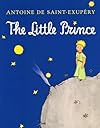
This was such a sweet and inspirational little story. I never read it as a child, but I've heard it mentioned alongside children's classics that I adore, so when I spotted it on a display at my local library I decided to pick it up. Not only is this a beautifully imaginative story, but it's also an insightful commentary into human nature.
Yes! Grown-ups are strange! They are too focused on numbers and not aware of what really matters.
My favorite aspect is the part with the Little Prince and show more the flower. First, let's be real, that flower is a needy dramatic bitch. But he loves her anyway and I found that so sweet. Even flawed people are worthy of love! And sometimes we find ourselves in love with the most flawed of people. This portion of the story actually reminded me a lot of the classic "Of Human Bondage."
The flower can not admit she is wrong, she fakes illness, she lies, she is self-absorbed and relies completely on the Little Prince. And while he resents her at first, he realizes he loves her despite her prickliness. There is such an unwavering truth about love her. The fox explains it so aptly, "It's the time you spent on your rose that makes your rose so important."
Yes! I believe in this with all my heart. Love isn't something that happens TO you. There is no 'finding the one' because love isn't something you can find. It's like the people the Little Prince sees on the trains, going here and there, having no idea what they are looking for. You CAN'T find love. You choose to create it, with someone else, by committing to them. Commitment is love. And that's all there is to it. Love is time and effort and perseverance, and mutual respect, which it does seem that lovely rose is lacking.
Still, I hope the Little Prince DID make it home to her after the snake bit him. I hope he made it home and she grew to be a little more tolerable and be less needy in their relationship.
A gorgeous love story with innovative metaphors.
The folly of the adults was apt. There's the man who lights a streetlamp and then puts it out only a minute later, over and over and over again, because he once had orders to do it. Even though the rotation of his planet has changed, he keeps doing it. He's blindly following orders that make him miserable and his lighting and putting out the streetlamp doesn't do any good to anybody. But he goes along. Senseless bureaucracy. He finds meaning in the task, even though, whether he does it or not wouldn't really do anything for anybody. It doesn't matter. Except that it matters to HIM. There's some Sartre brand existentialism here. Which I guess isn't surprising, considering a WW2 era French dude wrote this. show less
Yes! Grown-ups are strange! They are too focused on numbers and not aware of what really matters.
My favorite aspect is the part with the Little Prince and show more the flower. First, let's be real, that flower is a needy dramatic bitch. But he loves her anyway and I found that so sweet. Even flawed people are worthy of love! And sometimes we find ourselves in love with the most flawed of people. This portion of the story actually reminded me a lot of the classic "Of Human Bondage."
The flower can not admit she is wrong, she fakes illness, she lies, she is self-absorbed and relies completely on the Little Prince. And while he resents her at first, he realizes he loves her despite her prickliness. There is such an unwavering truth about love her. The fox explains it so aptly, "It's the time you spent on your rose that makes your rose so important."
Yes! I believe in this with all my heart. Love isn't something that happens TO you. There is no 'finding the one' because love isn't something you can find. It's like the people the Little Prince sees on the trains, going here and there, having no idea what they are looking for. You CAN'T find love. You choose to create it, with someone else, by committing to them. Commitment is love. And that's all there is to it. Love is time and effort and perseverance, and mutual respect, which it does seem that lovely rose is lacking.
Still, I hope the Little Prince DID make it home to her after the snake bit him. I hope he made it home and she grew to be a little more tolerable and be less needy in their relationship.
A gorgeous love story with innovative metaphors.
The folly of the adults was apt. There's the man who lights a streetlamp and then puts it out only a minute later, over and over and over again, because he once had orders to do it. Even though the rotation of his planet has changed, he keeps doing it. He's blindly following orders that make him miserable and his lighting and putting out the streetlamp doesn't do any good to anybody. But he goes along. Senseless bureaucracy. He finds meaning in the task, even though, whether he does it or not wouldn't really do anything for anybody. It doesn't matter. Except that it matters to HIM. There's some Sartre brand existentialism here. Which I guess isn't surprising, considering a WW2 era French dude wrote this. show less
Longer than I anticipated considering the audience it was meant for, but wonderful nonetheless. The book juxtaposes the perspective of a child to that of an adult by taking the Little Prince to different planets to meet different people, but finding that they all seem quite backward in their adult logic. It is also a little bit of a coming of age story, in that as the Prince travels the universe, he gradually grows to realize what he's thrown away by leaving his flower on his planet. The show more Prince comes to understand loss and grief as he makes friends on earth and has to leave them. He also develops a maturity as he get closer to facing his own death, and teaches his pilot friend that death is not really a permanent thing in your heart. A lovely book that has many valuable lessons for the young, and young at heart. show less
Lists
Books I've read (1)
Africa (1)
Unread books (1)
BBC Big Read (1)
Page Turners (1)
Magic Realism (1)
Books About Boys (1)
BBC Big Read (1)
. (1)
Robin (1)
Five star books (1)
Folio Society (1)
A Novel Cure (2)
el (1)
Mix Tape 📚 (1)
Elevenses (1)
Short and Sweet (1)
Favourite Books (1)
1930s (2)
Read in school (1)
Ambleside Books (1)
1940s (1)
Comfort Reads (1)
Awards


You May Also Like


Associated Authors
Statistics
- Works
- 466
- Also by
- 18
- Members
- 64,610
- Popularity
- #219
- Rating
- 4.2
- Reviews
- 1,060
- ISBNs
- 2,744
- Languages
- 96
- Favorited
- 131


