
Charles D. Ellis (1) (1937–)
Author of The Partnership: The Making of Goldman Sachs
For other authors named Charles D. Ellis, see the disambiguation page.
About the Author
Charles D. Ellis was for thirty years, managing partner of Greenwich Associates, the international strategy consulting firm he founded that serves virtually all the leading financial service organizations around the world.
Works by Charles D. Ellis
The Investor's Anthology: Original Ideas from the Industry's Greatest Minds (1997) — Editor — 45 copies, 1 review
What It Takes: Seven Secrets of Success from the World's Greatest Professional Firms (2013) 29 copies, 1 review
Tagged
Common Knowledge
- Birthdate
- 1937-10-22
- Gender
- male
Members
Reviews
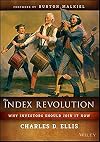
What is an index fund, or an Exchange Traded Fund (ETF), and why should the average investor care about them?
Take your average mutual fund. Perhaps it covers a specific sector, like biotech, or small-cap (capitalization) stocks. The fund manager had a great year last year, beating the market. That does not mean that the fund manager will have a great year this year, or ever again. The fund manager will buy and sell a lot of stocks during the year; the turnover may reach 100 percent. Each of show more those transactions means a fee that will be assessed to you, the investor. Even if the fee is only a fraction of a percent per transaction, it will add up over the year. In the past, it was possible for an investor to gain that vital bit of information allowing him to beat everyone else, and get in on the next Apple or Microsoft, before everyone else. That is not possible any more. The rules state that any information that can benefit one investor has to be made available to all investors at the same time.
The average index fund deals with a much broader part of the market, like the S&P (Standard and Poor's) 500. The fund manager buys shares in many, or all, of those 500 companies, and just holds them. The yearly turnover in stocks is closer to 10 percent, which means much lower fees for the investor. Year after year, index funds do a much better job of beating the market than the average active investor fund. There are tax advantages to index funds. The investor does not have to worry about why the fund has not bought shares in this or that hot new stock, so they can focus on their overall investment goals. Index investing may not be "sexy" or "exciting." but which is more important, excitement or profit?
For those who know their way around the investment world, this is a very interesting book. Maybe it is worth moving a small part of your portfolio into an index fund, especially if you are a conservative investor, and see what happens. Regardless, this book is well worth reading. show less
Take your average mutual fund. Perhaps it covers a specific sector, like biotech, or small-cap (capitalization) stocks. The fund manager had a great year last year, beating the market. That does not mean that the fund manager will have a great year this year, or ever again. The fund manager will buy and sell a lot of stocks during the year; the turnover may reach 100 percent. Each of show more those transactions means a fee that will be assessed to you, the investor. Even if the fee is only a fraction of a percent per transaction, it will add up over the year. In the past, it was possible for an investor to gain that vital bit of information allowing him to beat everyone else, and get in on the next Apple or Microsoft, before everyone else. That is not possible any more. The rules state that any information that can benefit one investor has to be made available to all investors at the same time.
The average index fund deals with a much broader part of the market, like the S&P (Standard and Poor's) 500. The fund manager buys shares in many, or all, of those 500 companies, and just holds them. The yearly turnover in stocks is closer to 10 percent, which means much lower fees for the investor. Year after year, index funds do a much better job of beating the market than the average active investor fund. There are tax advantages to index funds. The investor does not have to worry about why the fund has not bought shares in this or that hot new stock, so they can focus on their overall investment goals. Index investing may not be "sexy" or "exciting." but which is more important, excitement or profit?
For those who know their way around the investment world, this is a very interesting book. Maybe it is worth moving a small part of your portfolio into an index fund, especially if you are a conservative investor, and see what happens. Regardless, this book is well worth reading. show less
What It Takes: Seven Secrets of Success from the World's Greatest Professional Firms by Charles D. Ellis
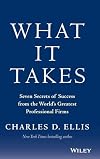
This thoroughly researched analysis describes what makes professional service firms successful for the long term. Ellis explains these key points through the history of successful firms like the Mayo Clinic and McKinsey Consulting, and through the downfall of Arthur Anderson. It has a powerful moral and it's thorough, but it's a long read if you're not really into service firms.
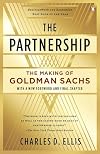
This book is miserably organized and miserably edited. There are lacunae and non sequitors throughout. Nevertheless there are lots of interesting facts here and some reflections on personalities, although it is a little hagiographic. The warts shown are covered over cosmetically. Still with the facts and for a reasonably recent recounting the book can serve a purpose; I understand the news better having read it.

A concise introduction to investing -- written because the authors (both noted investors) felt most of the books on the subject are too complicated and wordy. It's really the basics here: save more than you spend, don't have credit card debt, invest early, diversify, use index funds. (There are a few specific index funds suggested, and they pick similar ones from various major brokers.) While this doesn't cover all types of investing or investors, the authors claim it would probably be show more sufficient for "90% of all investors." I might keep this in mind if I need to purchase a high school or college graduation gift.
--------------------------------------------
LT Haiku:
Can you beat the Street?
Keep saving and invest now
And maybe you can! show less
--------------------------------------------
LT Haiku:
Can you beat the Street?
Keep saving and invest now
And maybe you can! show less
Awards


You May Also Like


Associated Authors
Statistics
- Works
- 19
- Members
- 1,119
- Popularity
- #22,958
- Rating
- 3.7
- Reviews
- 15
- ISBNs
- 106
- Languages
- 4
- Favorited
- 1
