
Pierre Louÿs (1870–1925)
Author of Aphrodite
About the Author
Image credit: Pierre Louys
Series
Works by Pierre Louÿs
The Young Girl's Handbook of Good Manners for Use in Educational Establishments (1927) 169 copies, 5 reviews
Sanguines 4 copies
Pierre Louys y Andalucia: Cartas ineditas y fragmentos = lettre inedites et fragments (Serie "Ediciones, textos y documentos") (Spanish Edition) (1984) 2 copies
Dialoghetti amorosi 2 copies
Poëmes 2 copies
Aphrodite 1 1 copy
Piccole scene amorose 1 copy
Correspondance croisée, 1890-1917: 1913-1917, avec un index général et la table des matières (Tome 4) (BC 87) (2015) 1 copy
Trois filles et leur mère 1 copy
Afrodita 1 copy
Chansons de Bilitis, Les 1 copy
Histoire du roi Gonzalve et des douze princesses, suivi de, Chansons secrètes de Bilitis (1977) 1 copy
Pibrac 1 copy
Aphrodite (Ancient Manners) 1 copy
Aphrodite: Ancient Manners 1 copy
La femme et le pantin / Pierre Louÿs ; illustrations de Philippe Swyncop 1936 [Leather Bound] (2022) 1 copy
A mulher e o fantoche 1 copy
Kral Pausole'ün Serüvenleri 1 copy
Psyche 1 copy
Aphrodite 1 copy
Madame y sus tres hijas 1 copy
La mujer y el muñeco 1 copy
La mujer y el muñeco 1 copy
Le crépuscule des nymphes 1 copy
Yauvan Ki Aandhi (Aphrodite) 1 copy
Byblis, changée en fontaine. 1 copy
La Femme et le pantin 1 copy
Broutilles 1 copy
Associated Works
The Mimes des Courtisanes (Dialogues of the Courtesans) (1986) — Translator, some editions — 81 copies, 1 review
The Second Dedalus Book of Decadence (The Black Forrest) (v. 2) (1992) — Contributor — 60 copies, 3 reviews
Norton Critical Scores : Debussy : Prelude to "the afternoon of a faun" [score + analysis] (1970) — Contributor — 49 copies
The Collected Classical Stories and Classic Who Dunnits/boxed Set (2 volume set) (1996) — Contributor — 27 copies
Tagged
Common Knowledge
- Canonical name
- Louÿs, Pierre
- Legal name
- Louis, Pierre Felix
- Other names
- Louys, Pierre
- Birthdate
- 1870-12-10
- Date of death
- 1925-06-06
- Gender
- male
- Education
- École Alsacienne
- Occupations
- novelist
poet - Organizations
- La Conque (tijdschrift)
- Relationships
- Hérédia, José-Maria de (father-in-law)
- Nationality
- France
- Birthplace
- Ghent, Belgium
- Places of residence
- Ghent, Belgium
Paris, France - Place of death
- Paris, France
- Burial location
- Cimetière du Montparnasse, Paris, Île-de-France, France
- Associated Place (for map)
- France
Members
Reviews
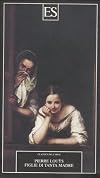
TW: pedofilia, incesto
Vi confesso che all’inizio sono rimasta un po’ spiazzata dalla lettura di Figlie di tanta madre: dopo aver letto Aphrodite dello stesso autore, mi aspettavo un altro romanzo dell’erotismo raffinato e invece mi sono ritrovata davanti un romanzo in bilico con la pornografia. Il che non sarebbe un problema se non trovassi tanto noioso leggere di buchi che vengono riempiti a ripetizione – che il il motivo per cui non ho ancora mai letto nulla di de Sade per quanto show more il suo lavoro mi incuriosisca.
Quindi questa recensione parlerà dei rari momenti in cui non mi stavo maledicendo per aver comprato e deciso di leggere un romanzo che palesemente non rientra nelle mie corde e – vi dirò – lì mi sono pure divertita. Lo so, lo so, ho appena scritto che ci ho ronfato sopra, ma sono abbastanza incoerente da poter affermare che nei passaggi in cui il rovesciamento dei valori borghesi mi è stato chiaro mi ha fatto sbellicare.
Come era già successo in Aphrodite, Louÿs si diverte a essere dissacrante e in quest’ottica va letta qualunque pratica “trasgressiva” ci metta davanti l’autore – e se avevo pensato che in Aphrodite la presenza della pedofilia fosse spiacevole, qui siamo su tutto un altro livello. È così evidente che Louÿs sta provando con tutte le sue forze a disturbare ə suoə lettorə che ho iniziato ad aspettarmi un po’ di coprofilia – cos’è un romanzo osceno senza un po’ di coprofilia? E, infatti, eccola là: un altro difetto di questo genere è che tendono a diventare prevedibili.
Non è un libro che si consiglia a cuor leggero: se vi piace il genere, è sicuramente una pietra miliare; per tuttə ə altrə è da leggere se si vuole dare una possibilità alla letteratura erotica più esplicita senza andarsi a impelagare in un romanzo particolarmente lungo. show less
Vi confesso che all’inizio sono rimasta un po’ spiazzata dalla lettura di Figlie di tanta madre: dopo aver letto Aphrodite dello stesso autore, mi aspettavo un altro romanzo dell’erotismo raffinato e invece mi sono ritrovata davanti un romanzo in bilico con la pornografia. Il che non sarebbe un problema se non trovassi tanto noioso leggere di buchi che vengono riempiti a ripetizione – che il il motivo per cui non ho ancora mai letto nulla di de Sade per quanto show more il suo lavoro mi incuriosisca.
Quindi questa recensione parlerà dei rari momenti in cui non mi stavo maledicendo per aver comprato e deciso di leggere un romanzo che palesemente non rientra nelle mie corde e – vi dirò – lì mi sono pure divertita. Lo so, lo so, ho appena scritto che ci ho ronfato sopra, ma sono abbastanza incoerente da poter affermare che nei passaggi in cui il rovesciamento dei valori borghesi mi è stato chiaro mi ha fatto sbellicare.
Come era già successo in Aphrodite, Louÿs si diverte a essere dissacrante e in quest’ottica va letta qualunque pratica “trasgressiva” ci metta davanti l’autore – e se avevo pensato che in Aphrodite la presenza della pedofilia fosse spiacevole, qui siamo su tutto un altro livello. È così evidente che Louÿs sta provando con tutte le sue forze a disturbare ə suoə lettorə che ho iniziato ad aspettarmi un po’ di coprofilia – cos’è un romanzo osceno senza un po’ di coprofilia? E, infatti, eccola là: un altro difetto di questo genere è che tendono a diventare prevedibili.
Non è un libro che si consiglia a cuor leggero: se vi piace il genere, è sicuramente una pietra miliare; per tuttə ə altrə è da leggere se si vuole dare una possibilità alla letteratura erotica più esplicita senza andarsi a impelagare in un romanzo particolarmente lungo. show less

Pierre Louÿs (1870-1925) was a French writer and poet known for his erotic writings. His first of these he penned at the age of 18, and his last were the obscene verses he composed on his deathbed. Whatever Monsieur Louÿs' flaws, inconsistency was not one of them.
Louÿs' Manuel de civilité..." was actually intended as a parody of the strict handbooks published at the time for adolescents. Long out of print, it was published in English translation in 1971 by Grove Press, and by Olympia show more in 2008.
The innocent titles of most of the chapters belie their naughty advice: "In Your Room"; "At the Dance", "At Confession", "At the Theatre" and "At Museums" (among many others), but there is also "In Bed with a Girlfriend", "With Servants", "With an Elderly Gentleman" and "With the President of the Republic." The pregnant advice is offered in 1-2 sentence homilies, and to put it delicately, one would search in vain for a single example that might be posted in a public venue like Library Thing.
This naughty work should be kept from the eyes of adolescents, adults who are easily offended, religious leaders, politicians running for office, guardians of public morality, upright people, uptight librarians, and anyone who lacks a strange sense of humor. Indeed, only the most perverse or sophisticated of readers is likely to find it amusing, and only the most unwise would admit to owning a copy. show less
Louÿs' Manuel de civilité..." was actually intended as a parody of the strict handbooks published at the time for adolescents. Long out of print, it was published in English translation in 1971 by Grove Press, and by Olympia show more in 2008.
The innocent titles of most of the chapters belie their naughty advice: "In Your Room"; "At the Dance", "At Confession", "At the Theatre" and "At Museums" (among many others), but there is also "In Bed with a Girlfriend", "With Servants", "With an Elderly Gentleman" and "With the President of the Republic." The pregnant advice is offered in 1-2 sentence homilies, and to put it delicately, one would search in vain for a single example that might be posted in a public venue like Library Thing.
This naughty work should be kept from the eyes of adolescents, adults who are easily offended, religious leaders, politicians running for office, guardians of public morality, upright people, uptight librarians, and anyone who lacks a strange sense of humor. Indeed, only the most perverse or sophisticated of readers is likely to find it amusing, and only the most unwise would admit to owning a copy. show less

Quite possibly the best novel ever written by an incorrigibly lecherous Belgian. "Aphrodite" combines some small degree of historical research with pure male fantasy, and it is, in places, a fun, sunny, smutty read, a pure product of European decadence in the best sense. In other places, though, the book gets darker: the book's high camp is broken up by scenes of astonishing cruelty and a rather shockingly casual attitude toward pedophilia, rape, and extreme violence. "Aphrodite," perhaps show more unintentionally, deftly exposes the cruelty and unhappiness that tends to underpin most society-wide fantasies and the weird (to the modern reader, anyway) social and racial attitudes that circulated in Europe at the time of its writing. The benefit of a bit of distance makes the novel a sort of x-ray of cultural and sexual attitudes, and not all of these are really commendable. Still, Chrysis herself is as foxy a character as you'll find anywhere in literature, and Louys includes a ton of historical detail, which, though it may or may not be true, convinces and charms. As another reviewer has mentioned, the novel seems to have been translated using an appropriately light touch. It's all trash, of course, but it's both enjoyable and darkly revealing, in about equal measure. show less
This little bit of playful French fluff is part male fantasy, part social satire, and part political manifesto – probably in that order. Pierre Louÿs was the author Colette had young Claudine reading at school, and in reading him, you can see just how inappropriate that was.
In this book, the mythical kingdom of Tryphemia off of the French coast is ruled by Pausole, a laissez-faire king (in this case, lazy-faire king?-) who has a few general principles, but doesn’t really want to be show more bothered by administration, or much of anything for that matter. He instead leaves it to his advisors, one of whom, a minister and court Eunuch, he grants control for half of the day, the other, a page who is always after the women (and consistently succeeds with them), the other half. How’s that for delegating? The king’s daughter has run off, and they engage in what amounts to a low-speed pursuit, running into various subjects along the way.
The positives for the book all center around its concepts of freedom. The kingdom’s ‘Code’ is the epitome of small government, and individual liberty, consisting of two rules: (1) Thou shalt not harm thy neighbor, and (2) This being understood, do as thou wouldst. He allows religious freedom “to experience the consolations of the various Paradises in turn”, and his subjects at all levels praise him for leaving them the hell alone. Indolent as he is, he says “the citizens of Europe are tired of feeling at every moment the hand of authority on their shoulder, an authority which is made unbearable by being omnipresent.” He allows sexual freedom, recognizing non-binary sexuality (his daughter has actually run off with another woman), the concept that women do not fit into two simple types (“chaste” and “satanic”), and allows women to leave their husbands and get a divorce if it suits them (a novelty at that time).
On the negative side, the book is a little too bawdy. All of the actual sex is ‘off-screen’, but it’s pretty pervasive, and while Louÿs gets pretty daring at times (a “handy banana” comes to mind), it starts to lose its appeal midway through. The bigger issue, however, is that women are essentially playthings – the king literally has a wife for each night, the traditional custom is for women (and girls) to walk around naked, and while many of the scenes are tongue-in-cheek fantasy, some are misogynistic, such as 40 guards being sent off to have a young woman in the woods, one after another (which Louÿs of course has her enjoying).
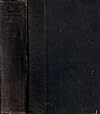
If only the book had been more mature and enlightened, because it is a fun read for the most part, and this edition is so fantastic – numbered copy 135 out of 1200 made on hand-made paper by The Fortune Press in London in 1929, with very uneven pages and interesting font. show less
In this book, the mythical kingdom of Tryphemia off of the French coast is ruled by Pausole, a laissez-faire king (in this case, lazy-faire king?-) who has a few general principles, but doesn’t really want to be show more bothered by administration, or much of anything for that matter. He instead leaves it to his advisors, one of whom, a minister and court Eunuch, he grants control for half of the day, the other, a page who is always after the women (and consistently succeeds with them), the other half. How’s that for delegating? The king’s daughter has run off, and they engage in what amounts to a low-speed pursuit, running into various subjects along the way.
The positives for the book all center around its concepts of freedom. The kingdom’s ‘Code’ is the epitome of small government, and individual liberty, consisting of two rules: (1) Thou shalt not harm thy neighbor, and (2) This being understood, do as thou wouldst. He allows religious freedom “to experience the consolations of the various Paradises in turn”, and his subjects at all levels praise him for leaving them the hell alone. Indolent as he is, he says “the citizens of Europe are tired of feeling at every moment the hand of authority on their shoulder, an authority which is made unbearable by being omnipresent.” He allows sexual freedom, recognizing non-binary sexuality (his daughter has actually run off with another woman), the concept that women do not fit into two simple types (“chaste” and “satanic”), and allows women to leave their husbands and get a divorce if it suits them (a novelty at that time).
On the negative side, the book is a little too bawdy. All of the actual sex is ‘off-screen’, but it’s pretty pervasive, and while Louÿs gets pretty daring at times (a “handy banana” comes to mind), it starts to lose its appeal midway through. The bigger issue, however, is that women are essentially playthings – the king literally has a wife for each night, the traditional custom is for women (and girls) to walk around naked, and while many of the scenes are tongue-in-cheek fantasy, some are misogynistic, such as 40 guards being sent off to have a young woman in the woods, one after another (which Louÿs of course has her enjoying).
If only the book had been more mature and enlightened, because it is a fun read for the most part, and this edition is so fantastic – numbered copy 135 out of 1200 made on hand-made paper by The Fortune Press in London in 1929, with very uneven pages and interesting font. show less
Lists
You May Also Like


Associated Authors
Statistics
- Works
- 134
- Also by
- 16
- Members
- 1,937
- Popularity
- #13,294
- Rating
- 3.7
- Reviews
- 57
- ISBNs
- 260
- Languages
- 14
- Favorited
- 7

