
Van C. Gessel
Author of The Showa Anthology: Modern Japanese Short Stories: 1929-1984
About the Author
Series
Works by Van C. Gessel
Taking the Gospel to the Japanese, 1901-2001 (Studies in Latter-Day Saint History) (2005) — Editor; Contributor — 6 copies
Associated Works
Tagged
Common Knowledge
- Gender
- male
- Education
- Columbia University (PhD | Japanese)
- Occupations
- professor of Japanese
Chair of the Department of Asian and Near Eastern Languages
Dean of the College of Humanities - Organizations
- Brigham Young University
The Church of Jesus Christ of Latter-day Saints (mission president) - Awards and honors
- Chair, Department of Asian and Near Eastern Languages, Brigham Young University
Dean of the College of Humanities, Brigham Young University
Members
Reviews

About half-way through this collection is a short story by Shono Junzo titled “Still Life”. It feels as though it is less a story than a collection of vignettes in the life of a family – the father goes with the children to catch fish, the father reads articles from the newspaper, the family says goodnight, the daughter reminisces about seeing a movie with the father. Individually, they are detailed descriptions of everyday life - incidents that might be a part of any family’s life show more – that seem unrelated. However, as a whole, they manage to tell a story about the family that is more implied than explicit. This one story is the epitome of what Japanese fiction so often is – exquisite detail that sneaks a story in when you least suspect it. And, you are then surprised to find how meaningful that story was.
I will admit I am in the first discovery stages of Japanese fiction (having been happily drug into it by the writings of Haruki Murakami). And I find this to be the seduction of Japanese writing – the description seems to trump the story. Yet, the story is still there, and the description makes the story that much richer. In addition, because these stories come from a different culture, there is an otherworldly feel about even the most common events.
This is a collection of stories by some of the important modern Japanese short story artists. The stories are presented in chronological order, which means that the earlier stories are just not quite as good. The imagery is there; but the captivation of the stories is not. But the collection gets stronger as you read further. “Under the Shadow of Mt. Bandai” by Inoue Yasushi tells the story of census takers who are witness to a major eruption of a volcano. By all accounts historically accurate, it tells the brief story of the lives that were lost; not in a “Towering Inferno” kind of way, but in a way that makes these casual meetings on the road a part of a bigger picture. “Iron Fish” by Kono Taeko is based on the naval equivalent of the kamikaze pilots – men who steered human torpedoes. A widow of one of the pilots visits a shrine to their memory over 25 years later and stays behind after the shrine is closed to try and better understand what has occurred. Finally, one of the best stories in the collection is “Platonic Love” by Kanai Mieko. It is a fascinating story of an author grappling with herself and trying to determine the true author of her stories.
At the end of the day, there are good stories and stories that do not resonate as well. This is a decent enough introduction to Japanese short stories. However, if it was the first Japanese fiction I had read, it would not have been compelling enough to make me want to explore these writings. On the other hand, it did introduce me to authors whose works may be worth pursuing. show less
I will admit I am in the first discovery stages of Japanese fiction (having been happily drug into it by the writings of Haruki Murakami). And I find this to be the seduction of Japanese writing – the description seems to trump the story. Yet, the story is still there, and the description makes the story that much richer. In addition, because these stories come from a different culture, there is an otherworldly feel about even the most common events.
This is a collection of stories by some of the important modern Japanese short story artists. The stories are presented in chronological order, which means that the earlier stories are just not quite as good. The imagery is there; but the captivation of the stories is not. But the collection gets stronger as you read further. “Under the Shadow of Mt. Bandai” by Inoue Yasushi tells the story of census takers who are witness to a major eruption of a volcano. By all accounts historically accurate, it tells the brief story of the lives that were lost; not in a “Towering Inferno” kind of way, but in a way that makes these casual meetings on the road a part of a bigger picture. “Iron Fish” by Kono Taeko is based on the naval equivalent of the kamikaze pilots – men who steered human torpedoes. A widow of one of the pilots visits a shrine to their memory over 25 years later and stays behind after the shrine is closed to try and better understand what has occurred. Finally, one of the best stories in the collection is “Platonic Love” by Kanai Mieko. It is a fascinating story of an author grappling with herself and trying to determine the true author of her stories.
At the end of the day, there are good stories and stories that do not resonate as well. This is a decent enough introduction to Japanese short stories. However, if it was the first Japanese fiction I had read, it would not have been compelling enough to make me want to explore these writings. On the other hand, it did introduce me to authors whose works may be worth pursuing. show less
The Showa Anthology: Modern Japanese Short Stories 1929-1984 (Japan's Modern Writers) by Van C. Gessel
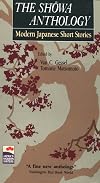
Useful for including some writers outside the "canon" established by Keene's anthology
The Showa Anthology: Modern Japanese Short Stories 1929-1984 (Japan's Modern Writers) by Van C. Gessel
Couldn’t get into it. The stories didn’t have plots that I could understand
Awards

You May Also Like


Associated Authors
Statistics
- Works
- 6
- Also by
- 10
- Members
- 196
- Popularity
- #111,884
- Rating
- 3.7
- Reviews
- 3
- ISBNs
- 12