
Felix Salten (1869–1945)
Author of Bambi: A Life in the Woods
About the Author
Image credit: Image © ÖNB/Wien
Series
Works by Felix Salten
Bambi's Fragrant Forest 3 copies
Kaiser Max der letzte Ritter 2 copies
Os filhos de Bambi 2 copies
Bambi (Disney Classics) 2 copies
Gestalten und Erscheinungen 2 copies
Die klingende Schelle; Roman 2 copies
Der Schrei der Liebe 2 copies
Het leven an een lichtekooi 1 copy
ÊMormorio nel bosco 1 copy
Remi 1 copy
Bambi Friends of the Forest 1 copy
Remi 1 copy
Bambi’s Children — Author — 1 copy
Favorite animal stories ; 1 copy
Die kleine Veronika 1 copy
Der alte Narr 1 copy
Die Dame im Spiegel 1 copy
Wondere kleine wereld 1 copy
Bambi [videorecording] 1 copy
The Felix Salten Collection: Bambi; Bambi's Children; Renni the Rescuer; A Forest World (2014) 1 copy
Bambi - Karaca 1 copy
Josefine Mutzenbacher ovvero la storia di una prostituta viennese da lei stessa narrata (2011) 1 copy
Μπάμπι 1 copy
Associated Works
The Illustrated Treasury of Children's Literature, Volumes 1-2 (1955) — Contributor — 524 copies, 4 reviews
Walt Disney's Bambi: Friends of the Forest (A Little Golden Book) (1975) — Original book — 498 copies, 2 reviews
The Big Book of Favorite Horse Stories: Twenty-Five Outstanding Stories by Distinguished Authors (1965) — Contributor — 167 copies, 1 review
Bambi: Disney Storybook Favorites (Reader's Digest Young Families) (2000) — Original book — 29 copies
Walt Disney's Silly Symphonies — The Complete Comics, Vol. 4: 1942-1945 (2019) — Contributor — 11 copies
Bambi's Children (Better Little Books, #1497) — Original book — 2 copies
Tagged
Common Knowledge
- Legal name
- Salzmann, Siegmund
- Other names
- Mutzenbacher, Josefine (Pseudonym)
- Birthdate
- 1869-09-06
- Date of death
- 1945-10-08
- Gender
- male
- Occupations
- theatre critic
author - Organizations
- Austrian writers' association, Österreichischer P.E.N.-Club from 1927-1933
- Relationships
- Metzl, Ottilie (wife)
- Nationality
- Austria-Hungary (birth)
- Birthplace
- Pest, Austria-Hungary
- Places of residence
- Budapest, Hungary
Vienna, Austria
Zurich, Switzerland - Place of death
- Zurich, Switzerland
- Burial location
- Israelitischer Friedhof (Friesenberg), Fluntern, Zurich, Switzerland
- Map Location
- Austria
Members
Reviews

Bambi tells the story of the life a deer leads in the forest. It begins with his birth and follows him through the unfolding of his understanding, from the first questions he asks his mother to his playful explorations in the meadow to his youthful feelings of invulnerability. He soon learns that the forest is full of dangers. For some time the exact nature of danger is unclear as his mother is unwilling to speak of it and he speculates with his playmates what it could be. But soon enough he show more learns about the threat of man, who seems to be an inescapable and incomprehensible horror. This combined with the hardships of his first winter make Bambi realize that life is a very serious thing indeed.
In fact, a lot of the book deals with themes of facing mortality and the constant threats to life. Bambi sees plenty of other creatures die, from his mother to other deer they associate with; a squirrel gets its throat torn out by a predator, crows attack smaller creatures, a dog relentlessly tracks down an injured fox, etc. And yet he finds plenty to delight in as well. His first experience of the mating season is a time of giddy passion, surging emotions that culminate in fights with the other bucks (although there's nothing "twitterpated" here at all). He also takes simple joy in his surroundings, the colorful flowers, birdsong, warm sunshine etc. The nature writing is wonderful, beautifully evoking the seasons and surroundings of lush plant life and bird voices. As Bambi moves into adulthood his life becomes more solitary and then he begins to associate closely with an older stag of the forest, who mentors him and shares his wisdom.
One of the most interesting parts of the books is about another deer named Gobo whom Bambi grew up with. During their first winter Gobo collapses in the snow and is rescued by a hunter. The other deer are all shocked and amazed when he reappears later on. But even though Gobo survived at the hands of Man, he is now unfit for life in the forest as is painfully illustrated. Other parts of the story also show how humans affect wildlife (aside from hunting which is a prevalent theme), as in when a massive tree is chopped down and many small creatures are suddenly homeless.
I think most people are only familiar with the Disney film version of Bambi, and that's a shame. There are very few similarities, namely the early death of Bambi's mother. There are no giggling bunny and skunk friends; the Hare Bambi meets is a serious creature and the Owl he knows is a little screech owl who delights in trying to frighten others with his shrieks. There is no forest fire in the book, and the threat of human hunters is much more prominent. This story is so different, much deeper and so beautifully written. I wish more people would read it.
from the Dogear Diary show less
In fact, a lot of the book deals with themes of facing mortality and the constant threats to life. Bambi sees plenty of other creatures die, from his mother to other deer they associate with; a squirrel gets its throat torn out by a predator, crows attack smaller creatures, a dog relentlessly tracks down an injured fox, etc. And yet he finds plenty to delight in as well. His first experience of the mating season is a time of giddy passion, surging emotions that culminate in fights with the other bucks (although there's nothing "twitterpated" here at all). He also takes simple joy in his surroundings, the colorful flowers, birdsong, warm sunshine etc. The nature writing is wonderful, beautifully evoking the seasons and surroundings of lush plant life and bird voices. As Bambi moves into adulthood his life becomes more solitary and then he begins to associate closely with an older stag of the forest, who mentors him and shares his wisdom.
One of the most interesting parts of the books is about another deer named Gobo whom Bambi grew up with. During their first winter Gobo collapses in the snow and is rescued by a hunter. The other deer are all shocked and amazed when he reappears later on. But even though Gobo survived at the hands of Man, he is now unfit for life in the forest as is painfully illustrated. Other parts of the story also show how humans affect wildlife (aside from hunting which is a prevalent theme), as in when a massive tree is chopped down and many small creatures are suddenly homeless.
I think most people are only familiar with the Disney film version of Bambi, and that's a shame. There are very few similarities, namely the early death of Bambi's mother. There are no giggling bunny and skunk friends; the Hare Bambi meets is a serious creature and the Owl he knows is a little screech owl who delights in trying to frighten others with his shrieks. There is no forest fire in the book, and the threat of human hunters is much more prominent. This story is so different, much deeper and so beautifully written. I wish more people would read it.
from the Dogear Diary show less
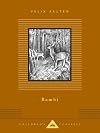
When you hear the name Bambi you will likely think of the Walt Disney movie about a young fawn growing up, learning the joys and hard realities and dangers of a life in the woods. Felix Salten wrote the novel just nineteen years before the animated cartoon was released. Salten’s story is unsentimental and the violence is more on-screen than off. He does write beautiful descriptions of nature, but nature red in tooth and claws is an ominous presence.
The characters are animals–deer, a show more hare, birds–and they talk and think in human ways.
Bambi is fascinated by the formidable and regal old stag whom he sometimes encounters in the forest. In one scene, Bambi deliberates on speaking to his idol, unaware that the stag’s own internal dialogue shares Bambi’s own awe and self-doubt. Bambi has the beauty and vibrance of youth. To Bambi, the stag has imperious majesty. The moment passes in silence.
Bambi fights the other bucks for his childhood friend Faline and they share a splendid summer together before he loses interest and leaves her alone. Don’t you love me still? she asks. I don’t know, he responds.
Salten incorporates comments on society and violence.
The mothers teach the fawns to fear He/Him, the two legged threat with a third arm that blasts thunder and kills. Faline’s brother Gobo was weak and was captured by a hunter who kept him as a pet. Breaking free, Gobo returns to the forest and brags of his wonderful treatment, doted on and well fed, not understanding his captivity as an evil. Without fear of humans, he soon becomes a victim of a hunter.
The privation of winter breaks down society. The adult deer wonder if it will ever get better, holding onto the memory of a beautiful life before.
The terrible hardship that seemed to have no end spread bitterness and brutality. It destroyed all their memories of the past, their faith in each other, and ruined every good custom they had. There was no longer either peace or mercy in the forest. from Bambi by Felix Salten
These lines could have been written about war and persecution, which Salten experienced firsthand. The author changed his name from Siegmund Salzmann to the less Jewish sounding Felix Salten. He was a prolific author and a hunter who loved the forests of Austria. His books were banned under Hitler, and he was forced to escape to Switzerland. Many read the story as an allegory.
The book is suggested for readers ten and older but will capture the attention of adult readers. The 1928 forward by John Galsworthy tells how he read the galley proof completely absorbed, calling it “a little masterpiece.”
This edition of the novel is just gorgeous, with a gold embossed cloth cover, ribbon bookmark, smooth paper, and original illustrations. Just holding it was a delight. There are over fifty volumes published in the Everyman’s Library Children’s Classics series. I am already eyeing volumes of books to reread.
Thanks to the publisher for a free book. show less
The characters are animals–deer, a show more hare, birds–and they talk and think in human ways.
Bambi is fascinated by the formidable and regal old stag whom he sometimes encounters in the forest. In one scene, Bambi deliberates on speaking to his idol, unaware that the stag’s own internal dialogue shares Bambi’s own awe and self-doubt. Bambi has the beauty and vibrance of youth. To Bambi, the stag has imperious majesty. The moment passes in silence.
Bambi fights the other bucks for his childhood friend Faline and they share a splendid summer together before he loses interest and leaves her alone. Don’t you love me still? she asks. I don’t know, he responds.
Salten incorporates comments on society and violence.
The mothers teach the fawns to fear He/Him, the two legged threat with a third arm that blasts thunder and kills. Faline’s brother Gobo was weak and was captured by a hunter who kept him as a pet. Breaking free, Gobo returns to the forest and brags of his wonderful treatment, doted on and well fed, not understanding his captivity as an evil. Without fear of humans, he soon becomes a victim of a hunter.
The privation of winter breaks down society. The adult deer wonder if it will ever get better, holding onto the memory of a beautiful life before.
The terrible hardship that seemed to have no end spread bitterness and brutality. It destroyed all their memories of the past, their faith in each other, and ruined every good custom they had. There was no longer either peace or mercy in the forest. from Bambi by Felix Salten
These lines could have been written about war and persecution, which Salten experienced firsthand. The author changed his name from Siegmund Salzmann to the less Jewish sounding Felix Salten. He was a prolific author and a hunter who loved the forests of Austria. His books were banned under Hitler, and he was forced to escape to Switzerland. Many read the story as an allegory.
The book is suggested for readers ten and older but will capture the attention of adult readers. The 1928 forward by John Galsworthy tells how he read the galley proof completely absorbed, calling it “a little masterpiece.”
This edition of the novel is just gorgeous, with a gold embossed cloth cover, ribbon bookmark, smooth paper, and original illustrations. Just holding it was a delight. There are over fifty volumes published in the Everyman’s Library Children’s Classics series. I am already eyeing volumes of books to reread.
Thanks to the publisher for a free book. show less

Tras el anuncio de Disney de que iban a m̶a̶s̶a̶c̶r̶a̶r̶ hacer una nueva versión de una de las películas más clásicas de su catálogo, decidi leer la novela escrita por Felix Salten en 1923, en la que teóricamente está basado el film de 1942.
⠀
Lo primero que llama la atención es que los animales actúan, bueno, como animales. No hay patinaje en el hielo, no hay enamoramiento, ni zorrinos coquetos. No todos se llevan bien, algunos dan muerte a otros para obtener alimento y no show more es raro encontrar menciones de sangre aquí y allá. Como en la naturaleza misma, vamos. Celebro que el autor haya mantenido estas características, incluso en mayor medida que en otros clásicos naturalistas como La Colina de Watership (aunque la narración en esta última sea mucho más dinámica). El punto de vista de cada especie, su sistema de jerarquías, la falta de un sentido de sociedad, el instinto de conservación; todo está muy bien logrado.
⠀
Otra diferencia es la presencia de los humanos. Mientras que en la película la cacería es un suceso eventual, en el libro hay una tensión constante. A los hombres se los llama colectivamente «Él», reflejándose así la concepción de que son una fuerza más poderosa que cualquier otra cosa en el bosque. No obstante lo cual, Bambi termina comprendiendo que incluso ellos están sujetos a las mismas leyes universales que el resto de los seres vivos.
⠀
Hasta el mensaje final se ve alterado. La moraleja de la película es que la naturaleza puede ser cruel, pero que mientras estés unido a tu familia y amigos, todo será color de rosa. El de Salten, que la lucha es parte de la vida, y que seguramente tengas que hacer sacrificios para sobrevivir.
⠀
Ah, no hay incendio en el libro, pero el epílogo es una genialidad. show less
⠀
Lo primero que llama la atención es que los animales actúan, bueno, como animales. No hay patinaje en el hielo, no hay enamoramiento, ni zorrinos coquetos. No todos se llevan bien, algunos dan muerte a otros para obtener alimento y no show more es raro encontrar menciones de sangre aquí y allá. Como en la naturaleza misma, vamos. Celebro que el autor haya mantenido estas características, incluso en mayor medida que en otros clásicos naturalistas como La Colina de Watership (aunque la narración en esta última sea mucho más dinámica). El punto de vista de cada especie, su sistema de jerarquías, la falta de un sentido de sociedad, el instinto de conservación; todo está muy bien logrado.
⠀
Otra diferencia es la presencia de los humanos. Mientras que en la película la cacería es un suceso eventual, en el libro hay una tensión constante. A los hombres se los llama colectivamente «Él», reflejándose así la concepción de que son una fuerza más poderosa que cualquier otra cosa en el bosque. No obstante lo cual, Bambi termina comprendiendo que incluso ellos están sujetos a las mismas leyes universales que el resto de los seres vivos.
⠀
Hasta el mensaje final se ve alterado. La moraleja de la película es que la naturaleza puede ser cruel, pero que mientras estés unido a tu familia y amigos, todo será color de rosa. El de Salten, que la lucha es parte de la vida, y que seguramente tengas que hacer sacrificios para sobrevivir.
⠀
Ah, no hay incendio en el libro, pero el epílogo es una genialidad. show less
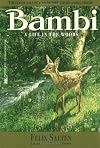
This is not Disney. This book was incredible. The description was so real, the language not dumbed down for kids. Yes, the animals talked, but it wasn't cutesy, silly talking. It was Watership Down kind of talking. I read this to my five-and-a-half-year-old daughter (I'm trying to give her the original versions of all of the stories before she sees the Disney versions). When the first scary thing happened, I worried that I'd made a horrible mistake. But, although she was upset, she put it show more all into perspective very quickly. I loved watching her build a connection with the characters. At one point she said something like, "The words seem so real!" How wonderful to watch my daughter's love of reading and storytelling develop!
Update: I've thought about this book overnight and now I've got a few more things I wanted to add. Like another reviewer mentioned, the conversation between two leaves at the end of fall was masterful. There are so many issues of life and death and of God and of domestication. I was thinking about this book in the context of Salten's life as a Jew in Austria before the second World War. Apparently, he was born in Budapest in 1869 and moved to Vienna when he was just a baby because in 1867, Jews got full citizenship in Vienna. This book was published in 1926, and I'm just starting to think about the messages in the book in the context of what was going on in Europe at the time. There are just so many layers of understanding. No wonder I found this book so satisfying. show less
Update: I've thought about this book overnight and now I've got a few more things I wanted to add. Like another reviewer mentioned, the conversation between two leaves at the end of fall was masterful. There are so many issues of life and death and of God and of domestication. I was thinking about this book in the context of Salten's life as a Jew in Austria before the second World War. Apparently, he was born in Budapest in 1869 and moved to Vienna when he was just a baby because in 1867, Jews got full citizenship in Vienna. This book was published in 1926, and I'm just starting to think about the messages in the book in the context of what was going on in Europe at the time. There are just so many layers of understanding. No wonder I found this book so satisfying. show less
Lists
Awards


You May Also Like


Associated Authors
Statistics
- Works
- 84
- Also by
- 42
- Members
- 4,394
- Popularity
- #5,708
- Rating
- 4.0
- Reviews
- 73
- ISBNs
- 308
- Languages
- 19
- Favorited
- 9

