

M. G. Vassanji
Author of The In-Between World of Vikram Lall
About the Author
M.G. Vassanji was born in Kenya and raised in Tanzania. Before coming to Canada in 1978, he attended M.I.T., and later was writer in residence at the University of Iowa. Vassanji is the author of four acclaimed novels: The Gunny Sack (1989), which won a regional Commonwealth Prize; No New Land show more (1991); The Book of Secrets (1994), which won the very first Giller Prize; and Amriika (1999). He was awarded the Harbourfront Festival Prize in 1994 in recognition of his achievement in and contribution to the world of letters, and was in the same year chosen as one of twelve Canadians on Macleans Honour Roll. show less
Image credit: Denise Grant
Works by M. G. Vassanji
Associated Works
Tagged
Common Knowledge
- Legal name
- Vassanji, Moyez Gulamhussein
- Birthdate
- 1950-05-30
- Gender
- male
- Education
- University of Nairobi
Massachusetts Institute of Technology
University of Pennsylvania - Occupations
- nuclear physicist
- Awards and honors
- Order of Canada
Harbourfront Festival Prize - Nationality
- Canada
Kenya (birth) - Birthplace
- Kenya
- Places of residence
- Nairobi, Kenya
Toronto, Ontario, Canada - Associated Place (for map)
- Kenya
Members
Reviews
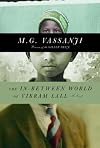
Read during Winter 2004/2005
An intriguing story of post-colonial Kenya. Vikram Lall is from an Indian family, his grandfather came to Kenya, along with thousands of Indian labourers, to build the railroads for the Brittish. The Asians of Kenya are a forgotten population, always hovering bewteen the European colonists and the native Africans. Vikram hovers in this way for all his life. As a child, he befriends both English and African children but he begins to learn that he is not part of show more either world. His African friend, Njorgoe, falls for his sister, Deepa, both as a child and an adult but Vikram's childhood love for Annie dies with her death and the death of her family by the Mau Mau. Ever after, Vikram is merely the cold observer, as he tells the story from his retreat in Toronto. He meets Njo again in Nairobi and his adult life is set in motion by small acts. He is always the bystander, never taking the actions but being pulled along. I was completely drawn into his grey world of bribery and paybacks but it is the personal relationships that end up driving the whole story. The prejudice and petty personal and interfamily strifes that no one seems to escape from. Only at the end, when he seems to want to confess and be forgiven, did there seem to be a moral compass. Fascinating read. show less
An intriguing story of post-colonial Kenya. Vikram Lall is from an Indian family, his grandfather came to Kenya, along with thousands of Indian labourers, to build the railroads for the Brittish. The Asians of Kenya are a forgotten population, always hovering bewteen the European colonists and the native Africans. Vikram hovers in this way for all his life. As a child, he befriends both English and African children but he begins to learn that he is not part of show more either world. His African friend, Njorgoe, falls for his sister, Deepa, both as a child and an adult but Vikram's childhood love for Annie dies with her death and the death of her family by the Mau Mau. Ever after, Vikram is merely the cold observer, as he tells the story from his retreat in Toronto. He meets Njo again in Nairobi and his adult life is set in motion by small acts. He is always the bystander, never taking the actions but being pulled along. I was completely drawn into his grey world of bribery and paybacks but it is the personal relationships that end up driving the whole story. The prejudice and petty personal and interfamily strifes that no one seems to escape from. Only at the end, when he seems to want to confess and be forgiven, did there seem to be a moral compass. Fascinating read. show less
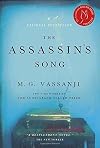
Karsan is heir to position of saheb, but he feels it is too restrictive and almost impulsively goes to America to study. Essentially he tries to run away from his identity. And this is what I liked about the story -- it examines identity, and asks how much of it do we shape ourselves, and how much are we shaped by our ancestry, our heritage, our family, and our destiny? What does it mean to escape from the familial expectations; can we escape? The answers suggested here are not going to be show more the right answers for everyone, but it was good to walk with Karsan through his journey.
A confusing start, perhaps because I am so unfamiliar with the Indian and religious terms. But I was able to understand the general idea of the intro and soon picked up on the intertwining stories and the larger narrative. The book gives me an entirely different perspective of India than I have from reading books by Rohinton Mistry. show less
A confusing start, perhaps because I am so unfamiliar with the Indian and religious terms. But I was able to understand the general idea of the intro and soon picked up on the intertwining stories and the larger narrative. The book gives me an entirely different perspective of India than I have from reading books by Rohinton Mistry. show less
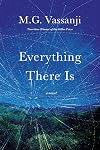
The novel begins in 1971. Nurul Islam is a world-renowned physicist from Pakistan living and working in London. He is happily married to Sakina Begum with whom he has three children. His life changes when he travels to the U.S. to give a lecture at Harvard. He meets Hilary Chase, a graduate student, and falls in love. But it is not just this new relationship that threatens his world. He is accused of plagiarism. Then his comments about the nature of physics and God attract the attention and show more ire of fundamentalist Muslims. And he makes enemies of Pakistani government and military leaders because of his opposition to the development of a nuclear bomb. This is the story of a man facing forces that threaten all that he has worked to achieve.
This is very much a character study of a man who “resolved to be as good and devout a man as he could” but is definitely flawed. He comes “from a backward place called Pirmai in Pakistan” but because of his intelligence and hard work, achieves great success. When he “got the best matriculation result ever in the whole of Punjab,” his entire community celebrates. He becomes in fact the pride of his nation and becomes accustomed to adulation: “Young people from South Asia normally came in his presence to touch his feet, out of gratitude and respect.” Even his name which means Light of Islam proclaims his specialness.
It is not surprising that the word pride appears a dozen times; arrogance is also repeated. Certainly, he behaves arrogantly at times; he is often dismissive of students, touting his accomplishments versus theirs at the same age. Sakina warns him, “’Too much thinking about these matters is not good. It is pride itself.’” Nurul understands she is warning him about being like Azazel, considered to be amongst the nearest to God’s throne, but because he sinned through pride, he became a devil. Nurul does question whether he was “simply callous and greedy for glory” and he tells his father, “’Life at the top of . . . one’s field . . . causes a lot of uncertainty and competitiveness – hassad. There is a word in English, hubris- . . . It means a certain kind of pride, a feeling of infallibility . . . I sometimes think I have it.’” Even his wife mentions his arrogance in believing that “’Nothing could happen to him.’” Nurul certainly pays a high price for his thinking he is somehow above others and untouchable.
It is impossible, however, not to feel sympathy for Nurul. He has been gifted from childhood but “’a gift is also a burden – of responsibility.’” He admits, “He could not forget, of course, that he was the only living Muslim scientist of note. That was a matter of pride but also a burden.” He would like the Nobel Prize for himself “but the Nobel was one gift he could give to his mother and father, to his country, and of course to his small beleaguered Shirazi sect.” He is insecure; he has a dream which he describes as terrifying where eminent scientists laugh at him and he wakes up with the fear that he’s not one of the best. He worries that at forty he is getting old and losing his mental agility so it’s too late to make any significant discoveries.
A character who particularly interested me is Sakina. She had no choice in marrying Nurul; theirs was an arranged marriage. She is unschooled, “removed from school after grade six,” and then Nurul brings her to England where she has to learn the language and culture. She admits to herself that “she would have preferred a simpler, less gifted man; that would have been better for them both. And with a large family around her, in surroundings she knew well, she would not have been lonely. She would have had no apprehension about talking to people, speaking like the others, dressing like them.” And she is definitely lonely: “She had no one to talk to, to express . . . anxieties. Here in London you dared not show any cracks in your exterior.” Then when she returns to visit Pakistan, she is “treated as an honoured and fortunate guest, an ‘England-returned,’ who lived well . . . what concerns could she have?” She feels a “’faariner.’ Pardesi. Everywhere.”
Of course, she is not the only one who is different. Nurul “was different in every way: an Asian Muslim in a white country, a devout Muslim scientist among mostly atheist or agnostic colleagues of Jewish and Christian backgrounds, a persecuted minority in his own country.” And then there’s Hilary, one of the few women scientists.
This is not a plot-driven novel. The story also unfolds slowly. But those who love a novel of character will love this one. I certainly did. And that closing sentence is absolutely perfect!
Note: I received an eARC from the publisher via NetGalley.
Please check out my reader's blog (https://schatjesshelves.blogspot.com/) and follow me on Twitter (@DCYakabuski). show less
This is very much a character study of a man who “resolved to be as good and devout a man as he could” but is definitely flawed. He comes “from a backward place called Pirmai in Pakistan” but because of his intelligence and hard work, achieves great success. When he “got the best matriculation result ever in the whole of Punjab,” his entire community celebrates. He becomes in fact the pride of his nation and becomes accustomed to adulation: “Young people from South Asia normally came in his presence to touch his feet, out of gratitude and respect.” Even his name which means Light of Islam proclaims his specialness.
It is not surprising that the word pride appears a dozen times; arrogance is also repeated. Certainly, he behaves arrogantly at times; he is often dismissive of students, touting his accomplishments versus theirs at the same age. Sakina warns him, “’Too much thinking about these matters is not good. It is pride itself.’” Nurul understands she is warning him about being like Azazel, considered to be amongst the nearest to God’s throne, but because he sinned through pride, he became a devil. Nurul does question whether he was “simply callous and greedy for glory” and he tells his father, “’Life at the top of . . . one’s field . . . causes a lot of uncertainty and competitiveness – hassad. There is a word in English, hubris- . . . It means a certain kind of pride, a feeling of infallibility . . . I sometimes think I have it.’” Even his wife mentions his arrogance in believing that “’Nothing could happen to him.’” Nurul certainly pays a high price for his thinking he is somehow above others and untouchable.
It is impossible, however, not to feel sympathy for Nurul. He has been gifted from childhood but “’a gift is also a burden – of responsibility.’” He admits, “He could not forget, of course, that he was the only living Muslim scientist of note. That was a matter of pride but also a burden.” He would like the Nobel Prize for himself “but the Nobel was one gift he could give to his mother and father, to his country, and of course to his small beleaguered Shirazi sect.” He is insecure; he has a dream which he describes as terrifying where eminent scientists laugh at him and he wakes up with the fear that he’s not one of the best. He worries that at forty he is getting old and losing his mental agility so it’s too late to make any significant discoveries.
A character who particularly interested me is Sakina. She had no choice in marrying Nurul; theirs was an arranged marriage. She is unschooled, “removed from school after grade six,” and then Nurul brings her to England where she has to learn the language and culture. She admits to herself that “she would have preferred a simpler, less gifted man; that would have been better for them both. And with a large family around her, in surroundings she knew well, she would not have been lonely. She would have had no apprehension about talking to people, speaking like the others, dressing like them.” And she is definitely lonely: “She had no one to talk to, to express . . . anxieties. Here in London you dared not show any cracks in your exterior.” Then when she returns to visit Pakistan, she is “treated as an honoured and fortunate guest, an ‘England-returned,’ who lived well . . . what concerns could she have?” She feels a “’faariner.’ Pardesi. Everywhere.”
Of course, she is not the only one who is different. Nurul “was different in every way: an Asian Muslim in a white country, a devout Muslim scientist among mostly atheist or agnostic colleagues of Jewish and Christian backgrounds, a persecuted minority in his own country.” And then there’s Hilary, one of the few women scientists.
This is not a plot-driven novel. The story also unfolds slowly. But those who love a novel of character will love this one. I certainly did. And that closing sentence is absolutely perfect!
Note: I received an eARC from the publisher via NetGalley.
Please check out my reader's blog (https://schatjesshelves.blogspot.com/) and follow me on Twitter (@DCYakabuski). show less
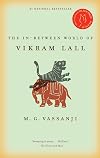
I've had this book sitting on my bookshelf for almost 10 years so I decided now was the time to read it. I wasn't sure what I was expecting although I knew it had won the Giller Prize in 2003. That doesn't necessarily mean I will enjoy it (there have been a few duds such as the winner in 2019) but the chances are pretty good that I will. This book is certainly not in the dud category.
Vikram Lall was a third generation Indo-Kenyan. His grandfather had come from India to build the railroad. show more Then his father was born in Kenya and found a wife back in India before the country was transformed by independence from Britain. Vikram and his sister Deepa were raised in a small town where their parents were shopkeepers. Kenya was, at that time, experiencing its own fight for freedom from Britain. Most notably the Mau Mau carried out surprise attacks on white farmers trying to drive them from the land. Vikram, Deepa and their black friend Njoroge played with a white brother and sister when their mother brought them to town so she could shop. About a year after they met William and Annie Bruce, the Bruces were slaughtered by the Mau Mau. Some time later the police came to his father and told him that his gun, which had gone missing, had been used to commit the murders. The police arrested the gardener, Njoroge's grandfather, for the theft of the gun and conspiring with the rebels. Vikram believed that, in fact, his uncle had taken the gun and passed it on to the rebels. As a result of this turn of events the Lalls moved to Nairobi and Njoroge disappeared from their life. Then when Vikram, Deepa and Njoroge have reached adulthood they manage to reconnect. Deepa and Njoroge turn their childhood feelings into love for each other but Kenya and the Lalls are not ready for a bi-racial marriage. Njoroge is a force in the new black political establishment and he helps Vikram get a job with the government. Vikram will never be fully accepted by the black powers-that-be but he performs a useful service funnelling foreign money into the hands of some ministers so he has some clout. This becomes useful when most Asians are expelled from Kenya but the Lalls remain.
We follow the history of Kenya (and Africa as a whole) through the lives of the Lalls, especially Vikram, and it is fascinating. Plus the writing is wonderful. Vassanji captures the surroundings for his characters with words the way a photographer does with a camera. Hard to believe that this is a man who studied to be a nuclear physicist. show less
Vikram Lall was a third generation Indo-Kenyan. His grandfather had come from India to build the railroad. show more Then his father was born in Kenya and found a wife back in India before the country was transformed by independence from Britain. Vikram and his sister Deepa were raised in a small town where their parents were shopkeepers. Kenya was, at that time, experiencing its own fight for freedom from Britain. Most notably the Mau Mau carried out surprise attacks on white farmers trying to drive them from the land. Vikram, Deepa and their black friend Njoroge played with a white brother and sister when their mother brought them to town so she could shop. About a year after they met William and Annie Bruce, the Bruces were slaughtered by the Mau Mau. Some time later the police came to his father and told him that his gun, which had gone missing, had been used to commit the murders. The police arrested the gardener, Njoroge's grandfather, for the theft of the gun and conspiring with the rebels. Vikram believed that, in fact, his uncle had taken the gun and passed it on to the rebels. As a result of this turn of events the Lalls moved to Nairobi and Njoroge disappeared from their life. Then when Vikram, Deepa and Njoroge have reached adulthood they manage to reconnect. Deepa and Njoroge turn their childhood feelings into love for each other but Kenya and the Lalls are not ready for a bi-racial marriage. Njoroge is a force in the new black political establishment and he helps Vikram get a job with the government. Vikram will never be fully accepted by the black powers-that-be but he performs a useful service funnelling foreign money into the hands of some ministers so he has some clout. This becomes useful when most Asians are expelled from Kenya but the Lalls remain.
We follow the history of Kenya (and Africa as a whole) through the lives of the Lalls, especially Vikram, and it is fascinating. Plus the writing is wonderful. Vassanji captures the surroundings for his characters with words the way a photographer does with a camera. Hard to believe that this is a man who studied to be a nuclear physicist. show less
Lists
Awards


You May Also Like


Associated Authors
Statistics
- Works
- 26
- Also by
- 3
- Members
- 2,159
- Popularity
- #11,909
- Rating
- 3.6
- Reviews
- 70
- ISBNs
- 116
- Languages
- 3
- Favorited
- 5