
Jim Wight
Author of The Real James Herriot: A Memoir of My Father
About the Author
Works by Jim Wight
Tagged
Common Knowledge
- Birthdate
- 1943
- Gender
- male
- Relationships
- Herriot, James (father)
- Nationality
- UK
- Associated Place (for map)
- UK
Members
Reviews
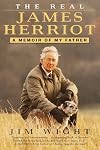
Exhaustive biography of James Herriot. I enjoyed it, but I definitely wanted to know the backstory. Its not a riveting book unless you are a fan, but it's a comfort to know that the person behind the Herriot books was as deeply kind and dedicated as one could hope. I initially read the books as a child, so this was very helpful in figuring out timelines of when they were published and also the reasons why there weren't more books. Jim Wight has done a lovely job in creating a tribute to his show more father. show less
I was initially hesitant to pick up this memoir, because the James Herriot books had been my constant companions as a young girl, and I had grown to love the author that I knew through those pages. I wasn't sure if this book would be some sort of tell-all, expose, that revealed a darker side of the vet I thought I'd come to know and love - if it had been, I'd rather have been left in the dark. But I needn't have worried - the history of Alf Wight, told by his son, is honest and clear, but show more also full of love, and provides us a man who is close to the one who came through his words.
Jim seemed to have been aware of the concerns - the prologue acknowledges the Herriot legacy, and reassures the reader that no dark surprises are in store. This is true; however, it doesn't mean there are no surprises at all, or that the book isn't worth reading. Anyone who loved the Herriot books and would love to know more of the story behind them should pick this up.
Wight, as he acknowledges fearing in the prologue, is not the writer his father was. The style becomes slightly repetitive - details or phrases appear several times over the course of the memoir when once would do; sometimes, he veers close to being a recitation of the facts. But these faults are easily overlooked by how compelling his subject matter is, and the obvious love with which he addresses it. He uses the occasional story that Herriot readers would be familiar with, but mostly focuses on biography and remembered experience, and brings us something new and lovable. show less
Jim seemed to have been aware of the concerns - the prologue acknowledges the Herriot legacy, and reassures the reader that no dark surprises are in store. This is true; however, it doesn't mean there are no surprises at all, or that the book isn't worth reading. Anyone who loved the Herriot books and would love to know more of the story behind them should pick this up.
Wight, as he acknowledges fearing in the prologue, is not the writer his father was. The style becomes slightly repetitive - details or phrases appear several times over the course of the memoir when once would do; sometimes, he veers close to being a recitation of the facts. But these faults are easily overlooked by how compelling his subject matter is, and the obvious love with which he addresses it. He uses the occasional story that Herriot readers would be familiar with, but mostly focuses on biography and remembered experience, and brings us something new and lovable. show less
Alfred Wight, a.k.a. James Herriot, is obviously a favorite author of mine. It wasn't until I was reading All Creatures Great and Small a couple months ago that I realized Herriot was a pen name. As I dug into it farther, I discovered more information, but still was curious about the "real" James Herriot. I was at the public library and by chance stumbled onto this book, written by his son. It fills in all the holes and gives all the background I could have asked for in learning more about show more Alf Wight.
While he readily admits he is not the author his father was, Jim does a good job of chronicling the life of his father. Jim is also a vet, being a partner in the practice of Donald Sinclair ("Siegfried Farnon") and his father. He had a front row seat to all the stories the rest of us have read and enjoyed. In fact, several of the stories in the books were borrowed from Jim's own experiences, adopted by James Herriot. Alf occasionally rewrote actual experiences that happened to other vets of his personal acquaintance into the life of James Herriot. He changed names, dates, even sexes (Mrs. Harbottle was actually a man) to better tell the stories and keep things anonymous. He tried for years to preserve the anonymity of himself and the district. It didn't work, though. At times, tourists would show up for the surgery hours, waiting next to the cats and dogs to get an autograph. He was very gracious and never turned anyone away.
I won't go into detail about all the real details. Suffice it to say that if you are interested at all in James Herriot, read the book. It isn't a page turner like his Dad's, but it is good. One note on the integrity of Alf to his practice (he still practiced into his seventies) and his love for the Yorkshire Dales. When the profits from the books really started rolling in, he was advised several times to leave England for tax purposes. At the time, Britain was taxing him nearly 90% of all the profits! Despite the fact he was selling millions of copies each year, it took him over a decade to get much money off of the books. He still had to work full-time as a vet to make ends meet even though his books topped the best seller lists. Alf wouldn't move, having the distinction of the only highly successful English author of the time to not expatriate. It took a change in the government (and tax policies) for him to finally become a millionaire. show less
While he readily admits he is not the author his father was, Jim does a good job of chronicling the life of his father. Jim is also a vet, being a partner in the practice of Donald Sinclair ("Siegfried Farnon") and his father. He had a front row seat to all the stories the rest of us have read and enjoyed. In fact, several of the stories in the books were borrowed from Jim's own experiences, adopted by James Herriot. Alf occasionally rewrote actual experiences that happened to other vets of his personal acquaintance into the life of James Herriot. He changed names, dates, even sexes (Mrs. Harbottle was actually a man) to better tell the stories and keep things anonymous. He tried for years to preserve the anonymity of himself and the district. It didn't work, though. At times, tourists would show up for the surgery hours, waiting next to the cats and dogs to get an autograph. He was very gracious and never turned anyone away.
I won't go into detail about all the real details. Suffice it to say that if you are interested at all in James Herriot, read the book. It isn't a page turner like his Dad's, but it is good. One note on the integrity of Alf to his practice (he still practiced into his seventies) and his love for the Yorkshire Dales. When the profits from the books really started rolling in, he was advised several times to leave England for tax purposes. At the time, Britain was taxing him nearly 90% of all the profits! Despite the fact he was selling millions of copies each year, it took him over a decade to get much money off of the books. He still had to work full-time as a vet to make ends meet even though his books topped the best seller lists. Alf wouldn't move, having the distinction of the only highly successful English author of the time to not expatriate. It took a change in the government (and tax policies) for him to finally become a millionaire. show less
3.75 stars
“James Herriot” was the pseudonym of a veterinarian, James “Alf” Wight, who became an author after decades of veterinary practice in the countryside of England in the mid-20th century. This biography was written by his son. Instead of, like Herriot’s books, a focus on the animals, this book focuses on Alf and the people in his life – his family, lifelong friends, veterinary partners, and more – starting with his life in the country and his vet practice, then switching show more to writing books, which he also really seemed to enjoy.
I’ve only read a couple of Herriot’s books, but I’ve really enjoyed them. This biography is very good, as well, and of course, there have to be a few animal stories thrown in – not only of a few of the patients, but also of Alf’s own pets. It’s been a bit too long for me to remember the “characters” in Herriot’s books to compare them to the real life versions of those people, but I still quite liked this book. show less
“James Herriot” was the pseudonym of a veterinarian, James “Alf” Wight, who became an author after decades of veterinary practice in the countryside of England in the mid-20th century. This biography was written by his son. Instead of, like Herriot’s books, a focus on the animals, this book focuses on Alf and the people in his life – his family, lifelong friends, veterinary partners, and more – starting with his life in the country and his vet practice, then switching show more to writing books, which he also really seemed to enjoy.
I’ve only read a couple of Herriot’s books, but I’ve really enjoyed them. This biography is very good, as well, and of course, there have to be a few animal stories thrown in – not only of a few of the patients, but also of Alf’s own pets. It’s been a bit too long for me to remember the “characters” in Herriot’s books to compare them to the real life versions of those people, but I still quite liked this book. show less
Lists
You May Also Like


Statistics
- Works
- 3
- Members
- 602
- Popularity
- #41,740
- Rating
- 3.8
- Reviews
- 12
- ISBNs
- 18
- Languages
- 1