

Richard J. Mouw
Author of Uncommon Decency: Christian Civility in an Uncivil World
About the Author
Richard J. Mouw (PhD, University of Chicago) is a senior research fellow at the Henry Institute for the Study of Religion and Politics at Calvin University. He previously served as the president of Fuller Theological Seminary (1993-2013) and directed their Institute of Faith and Public Life show more (2013-2020). In 2007, Princeton Theological Seminary awarded him the Abraham Kuyper Prize for Excellence in Reformed Theology and Public Life. He is the author of over twenty books, including Uncommon Decency, Adventures in Evangelical Civility, Restless Faith, and All That God Cares About. show less
Works by Richard J. Mouw
Calvinism in the Las Vegas Airport: Making Connections in Today's World (2004) 323 copies, 2 reviews
Wonderful Words of Life: Hymns in American Protestant History and Theology (2004) — Editor; Contributor — 110 copies
Consulting the Faithful: What Christian Intellectuals Can Learn from Popular Religion (1994) 70 copies, 1 review
Talking Doctrine: Mormons and Evangelicals in Conversation (2015) — Editor; Contributor — 44 copies, 1 review
Restless Faith: Holding Evangelical Beliefs in a World of Contested Labels (2019) 39 copies, 1 review
The Bunny and the Madonna 1 copy
Associated Works
The New Mormon Challenge: Responding to the Latest Defenses of a Fast-Growing Movement (2002) — Foreword — 144 copies, 1 review
The Love Wins Companion: A Study Guide for Those Who Want to Go Deeper (2011) — Contributor — 95 copies, 4 reviews
Must Christianity Be Violent?: Reflections on History, Practice, and Theology (2003) — Contributor — 94 copies
The Worlds of Joseph Smith: A Bicentennial Conference at the Library of Congress (2006) — Contributor — 30 copies
Making Higher Education Christian: The History and Mission of Evangelical Colleges in America (1987) — Contributor — 26 copies
Ethics, Religion, and the Good Society: New Directions in a Pluralistic World (1992) — Contributor — 22 copies
On Moral Medicine: Theological Perspectives in Medical Ethics (2012) — Contributor, some editions — 22 copies, 1 review
Let Us Reason Together: Essays in Honor of the Life's Work of Robert Millet (2016) — Contributor — 8 copies
Element: The Journal for the Society for Mormon Philosophy and Theology - Vol. 6, No. 2 (Fall 2015) (2015) — Contributor — 1 copy
Tagged
Common Knowledge
- Canonical name
- Mouw, Richard J.
- Legal name
- Mouw, Richard John
- Other names
- 毛瑞祺
- Birthdate
- 1940-04-22
- Gender
- male
- Education
- Western Theological Seminary
Houghton College (BA)
University of Alberta (MA)
University of Chicago (PhD) - Occupations
- professor
theologian
philosopher - Organizations
- Fuller Theological Seminary
- Awards and honors
- Abraham Kuyper Prize for Excellence in Reformed Theology and Public Life (2007)
- Nationality
- USA
- Associated Place (for map)
- USA
Members
Reviews
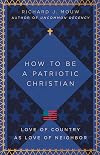
What does it mean to be simultaneously a devout Christian and an American citizen? Are such dual allegiances even possible? In this book, Mouw – a scholarly, religious expert on the Christian’s place in the (American) public square – offers a case that these domains can be compatible with each other… for the most part. He does so in a way that sides neither with the left nor the right, but instead welcomes warm-hearted debate and constant “wrestling” for essential truths. This show more timely message is presented in a way that churches and individuals can reflect together in healthy discussion.
The tone of this book is strongly pastoral, not political. That may put off some. But understand that Mouw was a president of a well-known evangelical theological seminary (Fuller in Pasadena, California) for two decades. That is, he trained people to be pastoral leaders. Therefore, this book’s tone, though bordering on patronizing, is authentic to Mouw’s voice. As in his past role as seminary president, he seeks to offer pastoral advice to a diverse American churchgoing populace about how to handle politics.
He also writes as a scholar who has studied this topic formally since a graduate student at the University of Chicago in the 1960s. Thus, he tightly weds pastoral guidance with a scholar’s objectivity. Sometimes, I just wanted Mouw to take a stand and deliberate the pro’s and con’s of an issue; however, he steadfastly resists this impulse. He tries to find the ideological and emotional core to complex issues and admonishes us to treat each other with, of all things, compassion. This brings forth unique sentiments towards rich, complex issues.
His central argument is that patriotism – the love of one’s country – overlaps with the Christian ideal of love of one’s neighbor. Many Christians and evangelicals (his intended audience) have pulled back from society in an attempt to remain pure. Mouw seems to argue that we should engage in the lives of our fellow citizens while wrestling (internally and in discussion) with the ethics of Jesus and of the Bible. Although the title makes this book seem to fit in a “how to” genre, its contents do not. Until the final few pages, he avoids easy, broadly applicable admonishments. Instead, as a scholar, he presents issues to wrestle with, albeit in an evangelical American (and Reformed Protestant) style.
I’ll readily admit that recent election cycles has brought much disappointment with my fellow Christian church on matters of politics. I sincerely think we have not come close to living up to Jesus’ high ethical demands as recorded in the Christian Scriptures. Mouw, a seasoned, sophisticated evangelical, may be just the voice to right this ship a bit. To allude to another famous metaphor, “What good is salt if it has lost its saltiness?” Mouw offers a theological framework for Christians to approach these issues that does not adhere to one political perspective alone. Readers can only be enriched by contemplating through this book. show less
The tone of this book is strongly pastoral, not political. That may put off some. But understand that Mouw was a president of a well-known evangelical theological seminary (Fuller in Pasadena, California) for two decades. That is, he trained people to be pastoral leaders. Therefore, this book’s tone, though bordering on patronizing, is authentic to Mouw’s voice. As in his past role as seminary president, he seeks to offer pastoral advice to a diverse American churchgoing populace about how to handle politics.
He also writes as a scholar who has studied this topic formally since a graduate student at the University of Chicago in the 1960s. Thus, he tightly weds pastoral guidance with a scholar’s objectivity. Sometimes, I just wanted Mouw to take a stand and deliberate the pro’s and con’s of an issue; however, he steadfastly resists this impulse. He tries to find the ideological and emotional core to complex issues and admonishes us to treat each other with, of all things, compassion. This brings forth unique sentiments towards rich, complex issues.
His central argument is that patriotism – the love of one’s country – overlaps with the Christian ideal of love of one’s neighbor. Many Christians and evangelicals (his intended audience) have pulled back from society in an attempt to remain pure. Mouw seems to argue that we should engage in the lives of our fellow citizens while wrestling (internally and in discussion) with the ethics of Jesus and of the Bible. Although the title makes this book seem to fit in a “how to” genre, its contents do not. Until the final few pages, he avoids easy, broadly applicable admonishments. Instead, as a scholar, he presents issues to wrestle with, albeit in an evangelical American (and Reformed Protestant) style.
I’ll readily admit that recent election cycles has brought much disappointment with my fellow Christian church on matters of politics. I sincerely think we have not come close to living up to Jesus’ high ethical demands as recorded in the Christian Scriptures. Mouw, a seasoned, sophisticated evangelical, may be just the voice to right this ship a bit. To allude to another famous metaphor, “What good is salt if it has lost its saltiness?” Mouw offers a theological framework for Christians to approach these issues that does not adhere to one political perspective alone. Readers can only be enriched by contemplating through this book. show less
 This review was written for LibraryThing Early Reviewers.
Summary: Navigating the space between Christian nationalism and national cynicism, explores how Christians might properly love country within their primary allegiance to Christ, focused around civic kinship and responsibility.
At least in the U.S. setting in which Richard Mouw writes, there often seems to be no middle ground between some form of Christian nationalism and a deep cynicism about any national loyalty. Mouw has navigated this ground over the course of his life, from his days as an show more “angry young man” protesting Vietnam and racial injustice up to the present, including experiences of tears while touring the American cemetery in Normandy and being present at a Holiday Bowl concert a few days after 9/11. He has wrestled with what the Christian’s primary allegiance to the global kingdom of Jesus means in the context of being a citizen, He invites us to wrestle with him as we consider the possibility and character of being a patriotic Christian.
He describes the basic character of this patriotism early in the book when he writes:
“But patriotism is not just about our relationship to specific government policies and practices. It is about belonging to a community of citizens with whom we share our political allegiances–and even more important, our common humanness. Patriotism is in an important sense more about our participation in a nation than it is about loving a state” (p. 14).
What Mouw argues for is our “civic kinship,” our sense of peoplehood with those who constitute our nation. He proposes that the Boy Scouts are an example of a program in civic kinship, cultivating the kind of character required in our public life with a concern for the place and the people with whom we live. He notes the evidence of the decline in the societal bonds among us and our increasing isolation from each other, and the necessity, in our season of tribalism, to cultivate room in our hearts for those with whom we differ. He appropriates John Calvin’s language of contemplating our fellow human beings in God, not in themselves.
Mouw’s focus on peoplehood and civic kinship calls into question what Mouw considers to be the role of the state. He contends that the preamble of our Constitution actually offers a good delineation of the primary tasks of government: 1) to establish justice, 2) to ensure domestic tranquility, 3) to provide for the common defense, and 4) to promote the general welfare and to secure the blessings of liberty to ourselves and our posterity. He notes the parallel with Psalm 72 in these four tasks. He cites the Catholic idea of subsidiarity, that higher authorities should not undertake what lower authorities, or even private associations or individual citizens can accomplish, which requires civic responsibility rather than dependence on government authority.
Against some who either implicitly or explicitly believe Christians ought to pursue a theocracy, Mouw supports the idea of our democratic republic, with its protections of differing beliefs rather than compelling uniformity. He believes this creates the space for people to change beliefs of their own, respecting the image of God in human beings. How then do we disagree in a plural society? Mouw encourages active patience (as God has acted toward us), genuine engagement with those with whom we disagree, and an openness that believes all truth is God’s truth, to receive that truth from wherever it appears.
How then should we think of expressions of patriotism within the confines of our church buildings, everything from the presence of flags to the recognition of national holidays? Some would see this as a form of idolatry, or perhaps offensive to those visiting from other countries. Mouw recounts such a conversation where he pushes back, contending that symbols like the flag can remind believers of their Christian calling as citizens, and that Christians in other countries may understand this because of their love for their own countries. Remember, he invited us to wrestle together–there is wrestling going on here! Likewise, there is the need to do careful pastoral teaching–what does it mean to seek the peace and prosperity of the people among whom we live (Jeremiah 29:7) while recognizing our primary allegiance to Christ and that we are part of a global people?
This leads him to consider our patriotic songs, many which invoke the blessing of God, and other civic observances with religious overtones, such as our various pledges and oaths. Is this just an invidious form of civil religion or something the Christian can embrace. Mouw notes the good of an acknowledgment of the transcendent, to which the nation is both accountable and on which it depends.
He concludes this work with four guidelines: 1) to do the work of contemplation to see people in the light of God, 2) to cultivate compassion, 3) to go deep in our quest for rootedness, in Christ, in our place, with our people, and 4) to trust Jesus, in whom are met “the hopes and fears of all the years.”
This is not a massive treatise on Christian political philosophy but a concise work of pastoral theology on what it means to love Jesus and love one’s country, particularly the United States. I affirm his restrained view of the role of the state, an absence of any language of getting the “right” people in office, and his focus on our own civic kinship and responsibility as citizens to pursue the shalom and prosperity of the place where we make our earthly home. His own unashamed expressions of his love of country and solidarity with its people reminded me of similar experiences. Most of all, I appreciate Mouw’s articulation of this rich third way of being patriotic Christians that offers an alternative to the unsatisfying and miserly binary on offer in so much of our national discourse.
____________________
Disclosure of Material Connection: I received a complimentary review copy of this book from the publisher. show less
At least in the U.S. setting in which Richard Mouw writes, there often seems to be no middle ground between some form of Christian nationalism and a deep cynicism about any national loyalty. Mouw has navigated this ground over the course of his life, from his days as an show more “angry young man” protesting Vietnam and racial injustice up to the present, including experiences of tears while touring the American cemetery in Normandy and being present at a Holiday Bowl concert a few days after 9/11. He has wrestled with what the Christian’s primary allegiance to the global kingdom of Jesus means in the context of being a citizen, He invites us to wrestle with him as we consider the possibility and character of being a patriotic Christian.
He describes the basic character of this patriotism early in the book when he writes:
“But patriotism is not just about our relationship to specific government policies and practices. It is about belonging to a community of citizens with whom we share our political allegiances–and even more important, our common humanness. Patriotism is in an important sense more about our participation in a nation than it is about loving a state” (p. 14).
What Mouw argues for is our “civic kinship,” our sense of peoplehood with those who constitute our nation. He proposes that the Boy Scouts are an example of a program in civic kinship, cultivating the kind of character required in our public life with a concern for the place and the people with whom we live. He notes the evidence of the decline in the societal bonds among us and our increasing isolation from each other, and the necessity, in our season of tribalism, to cultivate room in our hearts for those with whom we differ. He appropriates John Calvin’s language of contemplating our fellow human beings in God, not in themselves.
Mouw’s focus on peoplehood and civic kinship calls into question what Mouw considers to be the role of the state. He contends that the preamble of our Constitution actually offers a good delineation of the primary tasks of government: 1) to establish justice, 2) to ensure domestic tranquility, 3) to provide for the common defense, and 4) to promote the general welfare and to secure the blessings of liberty to ourselves and our posterity. He notes the parallel with Psalm 72 in these four tasks. He cites the Catholic idea of subsidiarity, that higher authorities should not undertake what lower authorities, or even private associations or individual citizens can accomplish, which requires civic responsibility rather than dependence on government authority.
Against some who either implicitly or explicitly believe Christians ought to pursue a theocracy, Mouw supports the idea of our democratic republic, with its protections of differing beliefs rather than compelling uniformity. He believes this creates the space for people to change beliefs of their own, respecting the image of God in human beings. How then do we disagree in a plural society? Mouw encourages active patience (as God has acted toward us), genuine engagement with those with whom we disagree, and an openness that believes all truth is God’s truth, to receive that truth from wherever it appears.
How then should we think of expressions of patriotism within the confines of our church buildings, everything from the presence of flags to the recognition of national holidays? Some would see this as a form of idolatry, or perhaps offensive to those visiting from other countries. Mouw recounts such a conversation where he pushes back, contending that symbols like the flag can remind believers of their Christian calling as citizens, and that Christians in other countries may understand this because of their love for their own countries. Remember, he invited us to wrestle together–there is wrestling going on here! Likewise, there is the need to do careful pastoral teaching–what does it mean to seek the peace and prosperity of the people among whom we live (Jeremiah 29:7) while recognizing our primary allegiance to Christ and that we are part of a global people?
This leads him to consider our patriotic songs, many which invoke the blessing of God, and other civic observances with religious overtones, such as our various pledges and oaths. Is this just an invidious form of civil religion or something the Christian can embrace. Mouw notes the good of an acknowledgment of the transcendent, to which the nation is both accountable and on which it depends.
He concludes this work with four guidelines: 1) to do the work of contemplation to see people in the light of God, 2) to cultivate compassion, 3) to go deep in our quest for rootedness, in Christ, in our place, with our people, and 4) to trust Jesus, in whom are met “the hopes and fears of all the years.”
This is not a massive treatise on Christian political philosophy but a concise work of pastoral theology on what it means to love Jesus and love one’s country, particularly the United States. I affirm his restrained view of the role of the state, an absence of any language of getting the “right” people in office, and his focus on our own civic kinship and responsibility as citizens to pursue the shalom and prosperity of the place where we make our earthly home. His own unashamed expressions of his love of country and solidarity with its people reminded me of similar experiences. Most of all, I appreciate Mouw’s articulation of this rich third way of being patriotic Christians that offers an alternative to the unsatisfying and miserly binary on offer in so much of our national discourse.
____________________
Disclosure of Material Connection: I received a complimentary review copy of this book from the publisher. show less
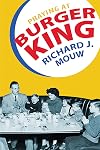
Summary: Short essays on the life of faith in the world, originally appearing on beliefnet.com, and several other publications.
Richard Mouw is the former president of Fuller Theological Seminary and one of the more thoughtful and irenic commentators in evangelicalism today. This little book, with its unusual title and book cover is a great way to get acquainted with Mouw. He has collected a number of short (most are three pages or so) essays from contributions to Christianity Today, show more Perspectives, and posts on his blog and on beliefnet.com.
The essays are grouped under three categories: living, believing, and church and world. They are written in a conversational style yet cast a fresh light on some familiar aspect of Christian faith. The title essay has to do with the practice of prayers before meals, and Mouw's recognition that Burger King is one of those places where God is indeed present and so he will keep acknowledging that. The next essay gives equal time to competitor McDonald's and an insight of how important it is to talk with youth that translates into caring for the indifferent youth who is serving his burger the next time he is at the airport McDonald's. Subsequent essays in this first section include reflections on Halloween, Lent, Machiavelli, integrity, greed and a number of other everyday matters from housekeeping to the "ordinary" work of a researcher. He speaks simply about how we often subconsciously bracket off the "stuff" of scholarly work from the "spiritual" life when in fact "every square inch" (as Kuyper would put it) belongs to the Lord.
In the second section, three essays caught my attention. In "Entrenched" he observes how this label is often applied to conservatives when in fact everyone is interested in "conserving something" and may be liable to trench digging. He proposes that we might consider a better, more biblical metaphor of "the way" in which we've chosen to walk through life, something we are all doing, whether or not we are all walking in the same way. In "He Did Weep," he writes about Jesus not simply at Lazarus tomb, but in the manger at Christmas. True incarnation involved a crying baby, experiencing the discomforts of all human babies, contrary to "Away in a Manger." His sensitive response to a student's troubled questions in "What about Hell?" and the distinction he made between those who think they are too good to be condemned by God, and those who consider God too good to punish are responses I will remember for similar conversations.
In the third section, his essay on "Eating Alone," inspired by Robert Putnam's Bowling Alone notes the great dangers that come to us in our increasing isolation from social organizations, the mediating institutions, that once were a significant part of the fabric of belonging. I'm surprised how many writers are sounding this theme, which may truly be one of the great perils of our age. He also includes some beautiful essays about his encounters with Catholicism and some thoughts about "Patriotism" that are balanced and measured and worthy of consideration wherever you are on the political spectrum.
Mouw's irenic voice is one we need in our time of ambivalent triumphalism on one side and anguished resistance on another. He explores the everyday acts of faithful Christian presence in the real world we inhabit. These essays feel to me to be "dispatches from another place" than where we usually live that call us to both our true selves, and the true north of our faith. show less
Richard Mouw is the former president of Fuller Theological Seminary and one of the more thoughtful and irenic commentators in evangelicalism today. This little book, with its unusual title and book cover is a great way to get acquainted with Mouw. He has collected a number of short (most are three pages or so) essays from contributions to Christianity Today, show more Perspectives, and posts on his blog and on beliefnet.com.
The essays are grouped under three categories: living, believing, and church and world. They are written in a conversational style yet cast a fresh light on some familiar aspect of Christian faith. The title essay has to do with the practice of prayers before meals, and Mouw's recognition that Burger King is one of those places where God is indeed present and so he will keep acknowledging that. The next essay gives equal time to competitor McDonald's and an insight of how important it is to talk with youth that translates into caring for the indifferent youth who is serving his burger the next time he is at the airport McDonald's. Subsequent essays in this first section include reflections on Halloween, Lent, Machiavelli, integrity, greed and a number of other everyday matters from housekeeping to the "ordinary" work of a researcher. He speaks simply about how we often subconsciously bracket off the "stuff" of scholarly work from the "spiritual" life when in fact "every square inch" (as Kuyper would put it) belongs to the Lord.
In the second section, three essays caught my attention. In "Entrenched" he observes how this label is often applied to conservatives when in fact everyone is interested in "conserving something" and may be liable to trench digging. He proposes that we might consider a better, more biblical metaphor of "the way" in which we've chosen to walk through life, something we are all doing, whether or not we are all walking in the same way. In "He Did Weep," he writes about Jesus not simply at Lazarus tomb, but in the manger at Christmas. True incarnation involved a crying baby, experiencing the discomforts of all human babies, contrary to "Away in a Manger." His sensitive response to a student's troubled questions in "What about Hell?" and the distinction he made between those who think they are too good to be condemned by God, and those who consider God too good to punish are responses I will remember for similar conversations.
In the third section, his essay on "Eating Alone," inspired by Robert Putnam's Bowling Alone notes the great dangers that come to us in our increasing isolation from social organizations, the mediating institutions, that once were a significant part of the fabric of belonging. I'm surprised how many writers are sounding this theme, which may truly be one of the great perils of our age. He also includes some beautiful essays about his encounters with Catholicism and some thoughts about "Patriotism" that are balanced and measured and worthy of consideration wherever you are on the political spectrum.
Mouw's irenic voice is one we need in our time of ambivalent triumphalism on one side and anguished resistance on another. He explores the everyday acts of faithful Christian presence in the real world we inhabit. These essays feel to me to be "dispatches from another place" than where we usually live that call us to both our true selves, and the true north of our faith. show less
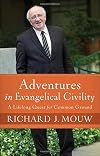
Summary: An intellectual memoir, tracing Mouw's efforts to find common ground while maintaining reformed and evangelical convictions.
"Evangelical civility." It sounds like an oxymoron to some. Yet for those who know Richard Mouw's work, or have the privilege of personal acquaintance with him (which I do not), you know that there is at least one example of a person for whom both terms are true without contradiction.
In this "intellectual memoir," Mouw shares with us his own intellectual show more journey and engagement with others. We have closely written chapters on his studies in philosophy and theology, his wrestling with "antithesis" in Van Til, the reformed doctrine of total depravity, and how far common grace goes in providing a basis for common ground with those who are not among the elect.
Mouw also traces his engagements with other thinkers and theologians throughout his career. Perhaps most fascinating was his relationship with John Howard Yoder. What could a Calvinist and Anabaptist find in common? In this and other relationships there were differences to be sure, and yet surprising places of common ground. This is true for him in encounters with Catholics, and more controversially perhaps, with Mormon scholars. Mouw also recounts his work at Calvin College and later as President of Fuller Theological Seminary, a place that allows for "big tent evangelicalism." In a chapter on being a public intellectual, he writes of a non-Christian academic friend's challenge:
" 'You have a problem, Mouw,' he said. 'Right now Fuller manages to maintain the highest level of scholarship with a strong connection with grassroots evangelicalism. But that can't last. Either you are going to start dumbing things down or you are going to move to the 'ivory tower' thing.'
In candor I have to admit that my secularist friend may have been a little too optimistic in his reading of the present relationship between the evangelical academy and popular evangelicalism. There is a 'mind' within the evangelical movement, but there is a serious gap between what the mind says and how the rest of the body often acts. In our public life, especially in recent years, we evangelicals have consisted embarrassed ourselves by mindless behavior. My friend was offering important advice, however. To the degree that there is some mutual support between the evangelical academy and the grass roots, we need to work hard to keep the mutuality strong. If the creative tension cannot be maintained, the results will be tragic. The two components of evangelicalism need each other. Neither can sustain a healthy evangelical character without the other."
These words give a good example of the convicted civility in search of common ground that is the thread running through this memoir. In his concluding chapter, he makes an interesting point in noting that conviction and civility are never actually in tension because the Christian is called to both and the practice of civility is itself rooted in conviction. This last chapter exhibited, to me, a great deal of vulnerability. He returns to qualms he expressed in opening pages about whether the quest for common ground concedes too much, and yet argues for this as the way of faithfulness as well as consistent with his own calling in life. And he concludes with the example of one of his predecessors at Fuller, E. J. Carnell, whose call to theological humility in his inaugural address was roundly criticized and whose life ended in a profound depression in a hotel room where ingested an overdose of sleeping pills. He quotes a portion of that address, with which I will conclude:
"Whoever meditates on the mystery of his own life will quickly realize why only God, the searcher of the secrets of the heart, can pass final judgment. We cannot judge what we have no access to. The self is a swirling conflict of fears, impulses, sentiments, interests, allergies and foibles. It is a metaphysical given for which there is no easy rational explanation. Now, if we cannot unveil the mystery of our own motives and affections, how much less can we unveil the mystery in others."
It was said more simply, "Be kind, for everyone you meet is fighting a hard battle" (Attributed to variously to Plato, Philo, and John Watson). Perhaps this is the common ground of our humanity that calls us to civility in the hard and common battle of life. Mouw's memoir is indeed an exemplar of civility without sacrificing conviction. show less
"Evangelical civility." It sounds like an oxymoron to some. Yet for those who know Richard Mouw's work, or have the privilege of personal acquaintance with him (which I do not), you know that there is at least one example of a person for whom both terms are true without contradiction.
In this "intellectual memoir," Mouw shares with us his own intellectual show more journey and engagement with others. We have closely written chapters on his studies in philosophy and theology, his wrestling with "antithesis" in Van Til, the reformed doctrine of total depravity, and how far common grace goes in providing a basis for common ground with those who are not among the elect.
Mouw also traces his engagements with other thinkers and theologians throughout his career. Perhaps most fascinating was his relationship with John Howard Yoder. What could a Calvinist and Anabaptist find in common? In this and other relationships there were differences to be sure, and yet surprising places of common ground. This is true for him in encounters with Catholics, and more controversially perhaps, with Mormon scholars. Mouw also recounts his work at Calvin College and later as President of Fuller Theological Seminary, a place that allows for "big tent evangelicalism." In a chapter on being a public intellectual, he writes of a non-Christian academic friend's challenge:
" 'You have a problem, Mouw,' he said. 'Right now Fuller manages to maintain the highest level of scholarship with a strong connection with grassroots evangelicalism. But that can't last. Either you are going to start dumbing things down or you are going to move to the 'ivory tower' thing.'
In candor I have to admit that my secularist friend may have been a little too optimistic in his reading of the present relationship between the evangelical academy and popular evangelicalism. There is a 'mind' within the evangelical movement, but there is a serious gap between what the mind says and how the rest of the body often acts. In our public life, especially in recent years, we evangelicals have consisted embarrassed ourselves by mindless behavior. My friend was offering important advice, however. To the degree that there is some mutual support between the evangelical academy and the grass roots, we need to work hard to keep the mutuality strong. If the creative tension cannot be maintained, the results will be tragic. The two components of evangelicalism need each other. Neither can sustain a healthy evangelical character without the other."
These words give a good example of the convicted civility in search of common ground that is the thread running through this memoir. In his concluding chapter, he makes an interesting point in noting that conviction and civility are never actually in tension because the Christian is called to both and the practice of civility is itself rooted in conviction. This last chapter exhibited, to me, a great deal of vulnerability. He returns to qualms he expressed in opening pages about whether the quest for common ground concedes too much, and yet argues for this as the way of faithfulness as well as consistent with his own calling in life. And he concludes with the example of one of his predecessors at Fuller, E. J. Carnell, whose call to theological humility in his inaugural address was roundly criticized and whose life ended in a profound depression in a hotel room where ingested an overdose of sleeping pills. He quotes a portion of that address, with which I will conclude:
"Whoever meditates on the mystery of his own life will quickly realize why only God, the searcher of the secrets of the heart, can pass final judgment. We cannot judge what we have no access to. The self is a swirling conflict of fears, impulses, sentiments, interests, allergies and foibles. It is a metaphysical given for which there is no easy rational explanation. Now, if we cannot unveil the mystery of our own motives and affections, how much less can we unveil the mystery in others."
It was said more simply, "Be kind, for everyone you meet is fighting a hard battle" (Attributed to variously to Plato, Philo, and John Watson). Perhaps this is the common ground of our humanity that calls us to civility in the hard and common battle of life. Mouw's memoir is indeed an exemplar of civility without sacrificing conviction. show less
Awards

You May Also Like


Associated Authors
Statistics
- Works
- 43
- Also by
- 18
- Members
- 2,471
- Popularity
- #10,375
- Rating
- 3.8
- Reviews
- 50
- ISBNs
- 77
- Languages
- 4
