
R. N. Morris
Author of The Gentle Axe
About the Author
Series
Works by R. N. Morris
O Machado Gentil 1 copy
Cover Story 1 copy
Cover Story 1 copy
The mannequin house 1 copy
The dark palace 1 copy
The gentle axe 1 copy
Gentle axe, The 1 copy
Associated Works
Tagged
Common Knowledge
- Legal name
- Morris, Robert Noel
- Gender
- male
- Nationality
- UK
- Places of residence
- Manchester, England, UK
London, England, UK - Associated Place (for map)
- England, UK
Members
Reviews
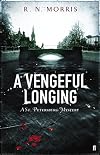
Porfiry Petrovich, Raskolnikov’s nemesis in Dostoevsky’s Crime and Punishment, is the hero detective in Morris’s gripping St Petersburg mystery series: the first, A Gentle Axe, was set in the winter – but now we visit the city in the summer of 1868.
Porfiry is joined by Pavel Pavlovich Virginsky, the young upper-class social rebel he arrested in the first book, who has decided to become an investigator himself ‘for the benefit of society as a whole’.
Together they set out to show more examine a series of murders in which the perpetrators seem glaringly obvious: the neglected wife of a doctor of toxicology is poisoned, a seducer is shot dead while alone with the father of the girl he has ruined…
But Porfiry becomes aware of a pattern behind these and other slayings: he is convinced a master manipulator is at work, that the murders are related and carefully planned, and many of the answers lie in the past.
Although one of the most beautiful, modern and sophisticated cities in Europe, St Petersburg has aspects that were distinctly third world, even by the standards of 1868, and Morris shows the sordid side of the glamour.
Animal dung was a fact of life in an age reliant on horse drawn transport: St Petersburg was also awash in human excrement which was dropped into ditches and flowed into the river – from which many people drew their drinking water.
In the heat of summer the stench must have been indescribable: Morris tries to give us a sense of the noisome atmosphere, the flies everywhere, and the cholera. Sanitary inspectors from the overburdened Ministry of Public Health were ubiquitous, checking the quality of the water supply but seldom willing or able to take action.
After several mistaken arrests, and red herrings galore, Porfiry arrives at the truth – but not before taking the reader on a fascinating journey in and around St Petersburg from the Ministry of the Interior to a sinister lunatic asylum. Morris does Dostoevsky proud! show less
Porfiry is joined by Pavel Pavlovich Virginsky, the young upper-class social rebel he arrested in the first book, who has decided to become an investigator himself ‘for the benefit of society as a whole’.
Together they set out to show more examine a series of murders in which the perpetrators seem glaringly obvious: the neglected wife of a doctor of toxicology is poisoned, a seducer is shot dead while alone with the father of the girl he has ruined…
But Porfiry becomes aware of a pattern behind these and other slayings: he is convinced a master manipulator is at work, that the murders are related and carefully planned, and many of the answers lie in the past.
Although one of the most beautiful, modern and sophisticated cities in Europe, St Petersburg has aspects that were distinctly third world, even by the standards of 1868, and Morris shows the sordid side of the glamour.
Animal dung was a fact of life in an age reliant on horse drawn transport: St Petersburg was also awash in human excrement which was dropped into ditches and flowed into the river – from which many people drew their drinking water.
In the heat of summer the stench must have been indescribable: Morris tries to give us a sense of the noisome atmosphere, the flies everywhere, and the cholera. Sanitary inspectors from the overburdened Ministry of Public Health were ubiquitous, checking the quality of the water supply but seldom willing or able to take action.
After several mistaken arrests, and red herrings galore, Porfiry arrives at the truth – but not before taking the reader on a fascinating journey in and around St Petersburg from the Ministry of the Interior to a sinister lunatic asylum. Morris does Dostoevsky proud! show less
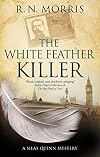
Like many young men in London in summer 1914, Felix Simpkins feels the tug to serve king and country by enlisting in the crusade against the Germans. It would be the only individual act Felix can think of, the sole rebellious gesture against his emasculating mother (and typically self-defeating), but he can’t quite bring himself to, which flattens his self-esteem even further and risks public shame. For in these mad days when the populace has become intoxicated by jingoism and xenophobia, show more women of patriotic temperament press white feathers, a sign of cowardice, into the hands of physically fit men not in uniform.
Meanwhile, Detective Chief Inspector Silas Quinn of Scotland Yard feels unsettled too, for other reasons. He’s just returned from psychological sick leave, which has further damaged his reputation among police officers of all ranks, many of whom resent him for his brilliance as a detective, his independent methods, and his insistence on truth rather than convenience. Apparently, the resentment goes right to the top, for Quinn has been relieved from command of a special crimes unit and been relegated to a pen-pushing job in which no one need pay attention to him, except to note his lapses.
Military security now requires keen focus on enemies within. Guilt no longer matters. If a crime takes place, arrest someone of German lineage, connections, or alleged sympathies. Justice will be served, and the public, placated. Naturally, this directive rubs Quinn the wrong way. And when he hears that a minister’s daughter has been killed shortly after a patriotic meeting at her father’s church — at which women collected white feathers to hand out — he itches to solve the case. But he’s forbidden to; and the men who’ve supplanted him are watching, waiting for him to step out of line.
Morris excels at characterization, historical atmosphere, the requisite reversals, and the craft of whodunit, with which he keeps you guessing until the end. So many scenes in his novel start out one way and shoot off unexpectedly in another, the essence of tension, because something touches a nerve in his legion of fragile people. Some readers may find these tortured souls off-putting, and I admit, the near-universal willingness to abuse others creates a bleak mood.
But the rewards here are many, not least an unvarnished portrayal of police work in 1914, and a similar depiction of a great metropolis straining at its bounds. The famous English credo of decency and fair play seldom applies; that’s an ideal, existing mostly in Quinn’s mind and nowhere else. But with one notable exception, Morris lets his flawed people strive for connection, which shows their fullness and lets you feel for them.
Exhibit A here is Quinn, who’s difficult in his way, though not cruel. He’d like to unburden himself if he could, and his impulses are decent and generous, but he can’t always express them. A psychologically minded detective among colleagues for whom perception and deduction are blunt instruments, he comes across to them as cocksure, even arrogant, yet inside, he’s anything but. Whether it’s his halting overtures to a pretty police secretary or his reluctance to return to the house of a former landlady who realizes he needs care, Quinn makes an unusual male detective, vulnerable and cerebral at once.
Morris allows himself deeper, more rounded descriptions and motivations than many mystery writers, yet you never feel disconnected or impatient with the narrative. Quite the contrary; I wish more mystery writers trusted themselves (and their readers) to write like this. My only complaint centers on Coddington, Quinn’s nemesis within the police; he’s the notable exception to the generosity granted the other characters. The psychological portrait remains blurry, so I don’t know much about Coddington, except that he’s unreasonably jealous and pigheaded.
The White Feather Killer delivers a terrific story with fully realized characters and an authentic historical background, depicted with precise care. Bravo. show less
Meanwhile, Detective Chief Inspector Silas Quinn of Scotland Yard feels unsettled too, for other reasons. He’s just returned from psychological sick leave, which has further damaged his reputation among police officers of all ranks, many of whom resent him for his brilliance as a detective, his independent methods, and his insistence on truth rather than convenience. Apparently, the resentment goes right to the top, for Quinn has been relieved from command of a special crimes unit and been relegated to a pen-pushing job in which no one need pay attention to him, except to note his lapses.
Military security now requires keen focus on enemies within. Guilt no longer matters. If a crime takes place, arrest someone of German lineage, connections, or alleged sympathies. Justice will be served, and the public, placated. Naturally, this directive rubs Quinn the wrong way. And when he hears that a minister’s daughter has been killed shortly after a patriotic meeting at her father’s church — at which women collected white feathers to hand out — he itches to solve the case. But he’s forbidden to; and the men who’ve supplanted him are watching, waiting for him to step out of line.
Morris excels at characterization, historical atmosphere, the requisite reversals, and the craft of whodunit, with which he keeps you guessing until the end. So many scenes in his novel start out one way and shoot off unexpectedly in another, the essence of tension, because something touches a nerve in his legion of fragile people. Some readers may find these tortured souls off-putting, and I admit, the near-universal willingness to abuse others creates a bleak mood.
But the rewards here are many, not least an unvarnished portrayal of police work in 1914, and a similar depiction of a great metropolis straining at its bounds. The famous English credo of decency and fair play seldom applies; that’s an ideal, existing mostly in Quinn’s mind and nowhere else. But with one notable exception, Morris lets his flawed people strive for connection, which shows their fullness and lets you feel for them.
Exhibit A here is Quinn, who’s difficult in his way, though not cruel. He’d like to unburden himself if he could, and his impulses are decent and generous, but he can’t always express them. A psychologically minded detective among colleagues for whom perception and deduction are blunt instruments, he comes across to them as cocksure, even arrogant, yet inside, he’s anything but. Whether it’s his halting overtures to a pretty police secretary or his reluctance to return to the house of a former landlady who realizes he needs care, Quinn makes an unusual male detective, vulnerable and cerebral at once.
Morris allows himself deeper, more rounded descriptions and motivations than many mystery writers, yet you never feel disconnected or impatient with the narrative. Quite the contrary; I wish more mystery writers trusted themselves (and their readers) to write like this. My only complaint centers on Coddington, Quinn’s nemesis within the police; he’s the notable exception to the generosity granted the other characters. The psychological portrait remains blurry, so I don’t know much about Coddington, except that he’s unreasonably jealous and pigheaded.
The White Feather Killer delivers a terrific story with fully realized characters and an authentic historical background, depicted with precise care. Bravo. show less

I will read any book set in Russian. That is just a straight up fact. However, that doesn't mean I will like every book set in Russian. This one is just fabulous, though. A gem.
Set in tsarist St. Petersburg, this is the story of an odd murder mystery committed during the weeks leading up to Christmas. Porfiry Petrovich is the investigating magistrate who takes on the case. Alerted by an anonymous letter, the police find the body of a large man hanging from a tree. In a suitcase nearby is show more the body of a dwarf whose head has been caved in by an axe. The hanged man has the axe in his possession. It seems like an open and shut case of murder-suicide, but Porfiry has a hunch that something more is going on.
Beautifully written, expertly executed. A perfect read for the holiday season! show less
Set in tsarist St. Petersburg, this is the story of an odd murder mystery committed during the weeks leading up to Christmas. Porfiry Petrovich is the investigating magistrate who takes on the case. Alerted by an anonymous letter, the police find the body of a large man hanging from a tree. In a suitcase nearby is show more the body of a dwarf whose head has been caved in by an axe. The hanged man has the axe in his possession. It seems like an open and shut case of murder-suicide, but Porfiry has a hunch that something more is going on.
Beautifully written, expertly executed. A perfect read for the holiday season! show less
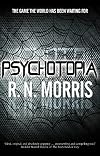
PSYCHOTOPIA. The cover, the synopsis, the title, and the review of a friend, (Thanks, Bandit!), all prompted me to request this book from NetGalley. I'm so glad I did!
There are several threads working together in this speculative fiction story. One from the POV of a policeman. Another from a young woman recently used and used hard by a handsome rogue. And lastly, there are chapters from a video game designer, talking about the architecture of a new, interactive, virtual reality experience. show more Such contrasting views, yet somehow I knew they would eventually come together, and they did.
PSYCHOTOPIA takes a hard look at the world and how it has evolved. Specifically, how humans have evolved. Is it possible that in an age so dark and hopeless a psychopath could be viewed as the natural evolution of mankind? A person who doesn't recognize the feelings of others, is free from the guilt that hurting others can bring. Is that a good thing or a bad thing in this new world?
What would happen if someone invented a machine which could determine if a person was a psychopath or not? Would you want to be tested? What kind of preventative measures could be taken if a person tests positive for psychopathy? Would such a test be a violation of civil rights? Would it become mandatory testing for certain jobs, like police officers or politicians?
I know I'm asking a lot of questions here, but that's what this book did to me. It wasn't a matter of simply reading it and saying "good story!" It made me think a lot about what this world is coming to, and about how we treat each other- not only our equals, but how we treat others both above and below what we believe to be our stations in life. I love books that make me think and this is definitely one of them.
I also loved the creativity and imagination that went into the world-building here, and I especially liked how I couldn't predict how the characters would come together. An urban setting full of psychopaths, (known or unknown), leaves a wide open field of crimes and misdemeanors and Mr. Morris exploits that field to the max. I enjoyed the hell out of it!
Highly recommended!
*Thank you to Severn House Publishers and to NetGalley for the e-ARC of this book, in exchange for my honest feedback. This is it.* show less
There are several threads working together in this speculative fiction story. One from the POV of a policeman. Another from a young woman recently used and used hard by a handsome rogue. And lastly, there are chapters from a video game designer, talking about the architecture of a new, interactive, virtual reality experience. show more Such contrasting views, yet somehow I knew they would eventually come together, and they did.
PSYCHOTOPIA takes a hard look at the world and how it has evolved. Specifically, how humans have evolved. Is it possible that in an age so dark and hopeless a psychopath could be viewed as the natural evolution of mankind? A person who doesn't recognize the feelings of others, is free from the guilt that hurting others can bring. Is that a good thing or a bad thing in this new world?
What would happen if someone invented a machine which could determine if a person was a psychopath or not? Would you want to be tested? What kind of preventative measures could be taken if a person tests positive for psychopathy? Would such a test be a violation of civil rights? Would it become mandatory testing for certain jobs, like police officers or politicians?
I know I'm asking a lot of questions here, but that's what this book did to me. It wasn't a matter of simply reading it and saying "good story!" It made me think a lot about what this world is coming to, and about how we treat each other- not only our equals, but how we treat others both above and below what we believe to be our stations in life. I love books that make me think and this is definitely one of them.
I also loved the creativity and imagination that went into the world-building here, and I especially liked how I couldn't predict how the characters would come together. An urban setting full of psychopaths, (known or unknown), leaves a wide open field of crimes and misdemeanors and Mr. Morris exploits that field to the max. I enjoyed the hell out of it!
Highly recommended!
*Thank you to Severn House Publishers and to NetGalley for the e-ARC of this book, in exchange for my honest feedback. This is it.* show less
Lists
Awards

You May Also Like


Associated Authors
Statistics
- Works
- 29
- Also by
- 1
- Members
- 754
- Popularity
- #33,728
- Rating
- 3.6
- Reviews
- 37
- ISBNs
- 84
- Languages
- 9
- Favorited
- 4