
Eva Stachniak
Author of The Winter Palace
About the Author
Image credit: Eva Stachniak
Series
Works by Eva Stachniak
Zimski dvorac 1 copy
Tagged
Common Knowledge
- Canonical name
- Stachniak, Eva
- Legal name
- Stachniak, Ewa
- Birthdate
- 1952
- Gender
- female
- Education
- McGill University
University of Wroclaw, Poland - Occupations
- writer
- Organizations
- University of Wrocław, Poland
Radio Canada International
Sheridan College, Ontario, Canada - Awards and honors
- Amazon.com/Books in Canada First Novel Award, 2000
- Short biography
- I was born in Wrocław, Poland. I came to Canada in 1981 on an English scholarship to McGill University. In Poland I taught at the English Department of the University of Wrocław . At McGill I defended my doctoral thesis: Positive Philosophy of Exile in Stefan Themerson’s Fiction in 1988. In 1984-86 I worked for Radio Canada International, the Polish Section, in Montreal, writing and producing radio programs about Canada. In 1988 I joined the faculty of Sheridan College where I taught English and humanities courses until 2007. My first short story, "Marble Heroes," was published by the Antigonish Review in 1994, and my debut novel, Necessary Lies , won the Amazon.com/Books in CanadaFirst Novel Award in 2000.
I live in Toronto. - Nationality
- Poland (birth)
Canada - Birthplace
- Wrocław, Poland
- Places of residence
- Montréal, Québec, Canada
Toronto, Ontario, Canada - Associated Place (for map)
- Canada
Members
Reviews
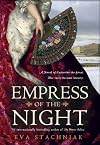
Empress of the Night is not an easy book. A tale of a powerful woman, told in her own voice from her deathbed. Flickers of memory, the exigencies of state, passions arrayed like cold fish on a plate. One cannot really like Catherine from this portrayal, but one can respect her and appreciate what she accomplished. She is somehow at one remove from humanity, from true love. Even her great loves were dismissed when they became inconvenient. In the midst of the trappings of royalty this lack of show more love is her tragedy. There are a few moments of humor, of light, and happily Varvara, the warm and vivid voice from the precursor book The Winter Palace is present, although too briefly. I would urge in fact that the The Winter Palace and Empress of the Night be read in sequence, for seeing the young Catherine first through Varvara's eyes and voice brings a more sympathetic perspective. The two books together also show Stachniak to be a writer of great talent, to bring two such different personalities alive in convincing and consistent first person voices. show less
 This review was written for LibraryThing Early Reviewers.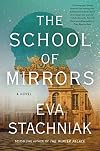
Many other reviewers have summarized this book, so I’ll focus my review elsewhere. This story of the time of the French Revolution is expertly woven around the lives of women who survived throughout it. The women, disadvantaged and advantaged by turns, struggle onwards, gain skills and lose sponsors, are sexually abused (warning, though this is handled quite carefully and though repugnant, was indeed a fact of the time and so appropriate to include), and take mastery.
I particularly enjoyed show more the fact based plot of the midwives, their training and respectful treatment.
The revolution itself is well-described, the feeling of unease, the shortages, the men shouting hate, the women spreading poisonous gossip. It didn’t seem to have worked out well for anyone. For this reason I recommend this book to US readers who might think revolution is a glorious thing, especially in the current political climate. Be careful what you wish for.
A rewarding read. I’m looking forward to meeting the author. show less
I particularly enjoyed show more the fact based plot of the midwives, their training and respectful treatment.
The revolution itself is well-described, the feeling of unease, the shortages, the men shouting hate, the women spreading poisonous gossip. It didn’t seem to have worked out well for anyone. For this reason I recommend this book to US readers who might think revolution is a glorious thing, especially in the current political climate. Be careful what you wish for.
A rewarding read. I’m looking forward to meeting the author. show less
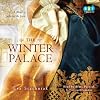
Eva Stachniak is giving a session at this fall’s Kingston WritersFest and I hadn’t read anything by her so off I trotted to the library to pick up this book. I’m glad I did- I’ve spent the past two days wrapped up in tales of imperial intrigue in Catherine the great’s ascent in Russia.
Historical fiction can drag as the reader is brought into the necessary details of the time, but this story is told through the eyes of a bookbinder’s daughter and as such is immediately relatable. show more She becomes a palace spy and her acute reports of activities at court and the beliefs and iconography of that time make the story rich.
As the time comes up to the death of the Empress, the tale takes on a thriller-like pace. Threads of loyalty are stretched, secrets revealed, danger abounds. It all makes for a fun read.
As a Canadian, well familiar with winter scenery, it was good to read about the prettiness of Russian winters - often winter is described as hellish but in this book the beauty becomes part of the character of the book. Stachniak includes descriptions of smells and tastes and the feel of fabrics so well you can imagine yourself at court.
Enjoyable, evocative, and intriguing as well. show less
Historical fiction can drag as the reader is brought into the necessary details of the time, but this story is told through the eyes of a bookbinder’s daughter and as such is immediately relatable. show more She becomes a palace spy and her acute reports of activities at court and the beliefs and iconography of that time make the story rich.
As the time comes up to the death of the Empress, the tale takes on a thriller-like pace. Threads of loyalty are stretched, secrets revealed, danger abounds. It all makes for a fun read.
As a Canadian, well familiar with winter scenery, it was good to read about the prettiness of Russian winters - often winter is described as hellish but in this book the beauty becomes part of the character of the book. Stachniak includes descriptions of smells and tastes and the feel of fabrics so well you can imagine yourself at court.
Enjoyable, evocative, and intriguing as well. show less
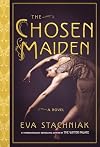
The Chosen Maiden is another of Eva Stachniak's reclamation project of often overlooked and under-appreciated women through historical fiction. I am not well-versed in ballet beyond an appreciation for a beautiful and intense art form so I was a bit apprehensive about how well this novel and I could interact. As it turns out, the experience was very rewarding and, as with any good book, I learned a great deal.
Stachniak immerses the reader in the period and in the locales. This immersion is show more accomplished by attention to details, especially details as they pertain to all of our senses. You will feel, hear, smell and taste your way through this novel. This may well bore some readers for this is a methodical process which will ideally make the world of the work seem to be your world as well, at least for a short period of time. I feel she succeeded here far more than she failed. That said, if you mainly want a book to skip along and simply tell you what happens, you may find yourself drifting off, so be warned.
While this is about famous dancers and the highest echelons of the art world of the time this novel works for a wider audience because it is about human relationships first and foremost. Family dynamics, societal and cultural norms expressed or enacted in the mundane day-to-day living of life. This is where the book truly shines. The research and the factual skeleton around which the novel comes to life is certainly essential but it is the aspects of life that are more universal that touches the reader's heart.
I would recommend this to readers of historical fiction and fans of ballet with the warning I gave earlier in mind about this being an immersive presentation. For those interested in social and cultural aspects there are many points which would likely reward further research into the period and how far, if at all, we have come as a society.
Reviewed from a copy made available through Goodreads' First Reads. show less
Stachniak immerses the reader in the period and in the locales. This immersion is show more accomplished by attention to details, especially details as they pertain to all of our senses. You will feel, hear, smell and taste your way through this novel. This may well bore some readers for this is a methodical process which will ideally make the world of the work seem to be your world as well, at least for a short period of time. I feel she succeeded here far more than she failed. That said, if you mainly want a book to skip along and simply tell you what happens, you may find yourself drifting off, so be warned.
While this is about famous dancers and the highest echelons of the art world of the time this novel works for a wider audience because it is about human relationships first and foremost. Family dynamics, societal and cultural norms expressed or enacted in the mundane day-to-day living of life. This is where the book truly shines. The research and the factual skeleton around which the novel comes to life is certainly essential but it is the aspects of life that are more universal that touches the reader's heart.
I would recommend this to readers of historical fiction and fans of ballet with the warning I gave earlier in mind about this being an immersive presentation. For those interested in social and cultural aspects there are many points which would likely reward further research into the period and how far, if at all, we have come as a society.
Reviewed from a copy made available through Goodreads' First Reads. show less
Lists
al.vick-series (1)
Awards


You May Also Like


Statistics
- Works
- 8
- Members
- 1,487
- Popularity
- #17,271
- Rating
- 3.5
- Reviews
- 123
- ISBNs
- 89
- Languages
- 11
- Favorited
- 1


