
Frédéric Beigbeder
Author of 13,99 euros
About the Author
Image credit: L'auteur Frédéric Beigbeder au Lauriers de l'audiovisuel le 20 février 2023
Series
Works by Frédéric Beigbeder
L'homme qui pleure de rire: roman (Littérature Française) (French Edition) (2020) 30 copies, 3 reviews
U pomoć molim za oproštaj 1 copy
Bir Fransiz Romani 1 copy
Windows on the world 1 copy
Ibiza a beaucoup changé 1 copy
Cứu với, xin tha thứ 1 copy
Associated Works
Tagged
Common Knowledge
- Canonical name
- Beigbeder, Frédéric
- Legal name
- Beigbeder, Frédéric
- Birthdate
- 1965-09-21
- Gender
- male
- Education
- Lycée Montaigne
Lycée Louis-le-Grand, Paris, France
Institut d'Etudes Politiques de Paris - Occupations
- writer
literary critic
television presenter - Organizations
- Flammarion (Editeur, 20 03 | 20 06)
Young & Rubicam, Agence de publicité (Concepteur rédacteur, 19 95 | 20 00)
CLM/BBDO, TBWA, Agence de publicité (Concepteur rédacteur, 19 9 | 19 95) - Relationships
- Beigbeder, Charles (Frère)
- Nationality
- France
- Birthplace
- Neuilly-sur-Seine, Hauts-de-Seine, Île-de-France, France
- Places of residence
- Paris, France
- Associated Place (for map)
- France
Members
Discussions
Fictional Auto biography style book about advertising mogul with coke habit in Name that Book (November 2014)
Reviews

The term autofiction is debatable at the best of times, doubly so in a book which starts with the possibly fictional narrator, a TV presenter and novelist called "Frédéric Beigbeder", being arrested for an unwise (real?) attempt to recreate a famous (fictional??) scene from another celebrated work of autofiction, Lunar Park, by sniffing coke in the street from the bonnet of a parked car. Autofiction becomes auto fiction?
Anyway, he takes advantage of the opportunity of a couple of sleepless show more nights in the cells where there's nothing else to do but plan out a new book in his head, and starts work on a memoir of his childhood and early life. He's always maintained that he remembers little or nothing about his childhood, but once he starts chipping away at the one or two clear recollections he has, more emerges and he begins to build up a coherent picture. But he does point out several times along the way that he's a novelist, and that's what novelists do - we shouldn't necessarily take it all literally.
In parallel, we get a rueful, self-mocking account of his detention and processing by the legal machine. On the whole, he's quite sympathetic to the police who arrest him and conduct the initial interviews - he is there because he did something stupid, and they are doing their jobs seriously and professionally. But he does start getting rather bitter and sarcastic when his detention is extended to a second day because the public prosecutor insists on handling all dossiers of "well-known people" personally, and when he's transferred to the antiquated dungeons of the Dépôt on the Ile de la Cité for this purpose.
Beigbeder's account of his family background is witty and interesting, for the most part, and sometimes it almost reads like a privileged bourgeois counterpart to Annie Ernaux's Les Années (a book he refers to a couple of times). She writes about French history since the fifties in the light of her middle-class guilt at being pulled away from the working-class culture of her parents through education and career; Beigbeder is telling us the same story, but from the point of view of a wealthy, patrician family whose values are made increasingly irrelevant by post-war social changes. And, whilst she remembers the songs and the films and the consumer products, he remembers meeting the people who made them at his father's parties.
But there's also a strong element of narcissistic self-pity, rather like the mixture of celebrity boasting and poor-little-genius self-abasement that makes reading Stephen Fry so irritating. Beigbeder is a step ahead of Fry in that he's aware that we're not likely to have much sympathy for his situation as a child of divorced parents when he describes the exotic holidays he was taken on by both his father and his stepfather, the cocktail parties with models and record producers, and all the rest of it. Not to mention his own subsequent career as an absentee father and serial divorcee. He admits to some of his own vulnerabilities, but knowing that he cries readily in front of the TV doesn't really give us any reason to think less badly of him. His one real redeeming feature, as far as we can see from the book, is that he's a witty and sophisticated writer. Sometimes that isn't enough. show less
Anyway, he takes advantage of the opportunity of a couple of sleepless show more nights in the cells where there's nothing else to do but plan out a new book in his head, and starts work on a memoir of his childhood and early life. He's always maintained that he remembers little or nothing about his childhood, but once he starts chipping away at the one or two clear recollections he has, more emerges and he begins to build up a coherent picture. But he does point out several times along the way that he's a novelist, and that's what novelists do - we shouldn't necessarily take it all literally.
In parallel, we get a rueful, self-mocking account of his detention and processing by the legal machine. On the whole, he's quite sympathetic to the police who arrest him and conduct the initial interviews - he is there because he did something stupid, and they are doing their jobs seriously and professionally. But he does start getting rather bitter and sarcastic when his detention is extended to a second day because the public prosecutor insists on handling all dossiers of "well-known people" personally, and when he's transferred to the antiquated dungeons of the Dépôt on the Ile de la Cité for this purpose.
Beigbeder's account of his family background is witty and interesting, for the most part, and sometimes it almost reads like a privileged bourgeois counterpart to Annie Ernaux's Les Années (a book he refers to a couple of times). She writes about French history since the fifties in the light of her middle-class guilt at being pulled away from the working-class culture of her parents through education and career; Beigbeder is telling us the same story, but from the point of view of a wealthy, patrician family whose values are made increasingly irrelevant by post-war social changes. And, whilst she remembers the songs and the films and the consumer products, he remembers meeting the people who made them at his father's parties.
But there's also a strong element of narcissistic self-pity, rather like the mixture of celebrity boasting and poor-little-genius self-abasement that makes reading Stephen Fry so irritating. Beigbeder is a step ahead of Fry in that he's aware that we're not likely to have much sympathy for his situation as a child of divorced parents when he describes the exotic holidays he was taken on by both his father and his stepfather, the cocktail parties with models and record producers, and all the rest of it. Not to mention his own subsequent career as an absentee father and serial divorcee. He admits to some of his own vulnerabilities, but knowing that he cries readily in front of the TV doesn't really give us any reason to think less badly of him. His one real redeeming feature, as far as we can see from the book, is that he's a witty and sophisticated writer. Sometimes that isn't enough. show less

"It's insane, the number of people who hate America. Including Americans. And yet I don't hate the rest of the world." (pg. 111)
Windows on the World is French author Frédéric Beigbeder's game attempt to wrestle with the unfathomability of the 9/11 attacks. It follows a fictional father who finds himself stranded, with his two young sons, at the Windows on the World restaurant at the top of the North Tower of the World Trade Center, the first hit but the second to fall. As no one survived show more (or could survive) above the impact zone in that first tower (whereas in the South Tower, one staircase remained intact), Beigbeder's account must necessarily be a speculative one, and for the most part he addresses it with the gravitas it deserves.
The book, despite being a novel, did not feel too different from any of the other books on 9/11 that I've read. This tragedy both fascinates and repels in equal measure, and of all the incomprehensible horrors of that day, it is the fate of those on the top floors of the North Tower which is perhaps the most hellish. "There is considerable evidence," Beigbeder writes, "to suggest that most of them were still alive until the building collapsed at 10:28 a.m. They suffered for 102 minutes, the average running time of a Hollywood film" (pg. 63). Through his narrative, Beigbeder portrays convincingly – and heartbreakingly – the thought process that must have gone through their minds over the course of those 102 minutes: the initial incomprehension and surrealness, the thought of loved ones and the false hope of evacuation via the roof, the slow burning and suffocation from the jet-fuelled violence below, and the ultimate – and still taboo – decision on whether to jump or not. This is, as you can imagine, all heavy stuff, though if you're considering whether to read a book on 9/11, you likely already know you'll have to leave all thoughts of happiness at the door, at least for the duration.
Beigbeder intersperses his narrative with another, more postmodern one, in which the author himself writes about his process of writing and conceptualising the novel. This approach will be familiar to anyone who's read contemporary French fiction, and, to be sure, it is an acquired taste. It threatens to overwhelm the more important aspects of the novel (I used the word 'intersperses' above, but in many parts one could almost substitute 'swallows'), and the approach is made more tawdry by sketchy references to sex and some pretentious, off-the-cuff musings about the author's own life.
In truth, I did not mind this, having been inoculated against this way of writing by reading other French authors like Michel Houellebecq and Laurent Binet, but it's fair to say it doesn't fit neatly alongside the more horrifying story from the top of the North Tower. Sometimes, the material of this meta-narrative seems superficial and even disrespectful (towards the end, two minor characters near death in the North Tower decide to go out having sex on a table), but the narcissistic indulgences, moments of pop-culture juvenilia, and the pitch-black humour (the restaurant is designated a 'non-smoking' area (pg. 25)) are not meant in poor taste; rather, on the balance of averages, they help convey the sheer, absurd unfathomability of the events.
It also allows Beigbeder to address directly the task he has taken on in writing fiction about 9/11, particularly so soon after the attacks (the book was first published in 2003) and without any personal connection (he acknowledges that, "coming from a Frenchman", the questions seem "obscene, voyeuristic" (pg. 198)). In taking the reader away from his characters on occasion, Beigbeder can directly address the problems we have in comprehending this new, post-9/11 reality; the subject that it is "impossible to write about" and yet "impossible to write about anything else" (pg. 8). As unappealing as this loose, essayistic cultural commentary may initially sound, Beigbeder makes the most of it. There are some fine passages (including one on the initial settlement of Manhattan island that ends with: "Once, long, long ago, Indians planted rye here where the World Trade Center once stood" (pg. 264)) that, while not connected to the central narrative of our main characters being slowly removed from this world at the top of the North Tower, are intended, if only obliquely, to help comprehend that trauma. The license Beigbeder grants himself also allows for interesting, original ponderings, like this eerie, metaphysical passage:
"I go back to join the boys to get a breath of air from outside. Perched on Lourdes' shoulders, they repeat the prayers she's saying aloud. In the past, they used to put gargoyles at the top of buildings to protect them, like on the Chrysler Building. Sculptures made to look like dragons, monsters, demons like the ones at the top of the towers of Notre-Dame de Paris, intended to drive away devils and ward off invaders. Will my children, these little blond gargoyles, leaning into the void, be enough to ward off evil spirits? Why did architects stop treating skyscrapers as cathedrals? If they put gargoyles at the top of towers there must have been a reason. Why would they do so, if not… in anticipation of what has just happened to us? They knew that one day danger would come from the air. In those moments of terror, prayer comes to us unbidden. Religion is reborn in us. In the minutes ahead, the World Trade Center, a temple to atheism and to international lucre, will gradually become a makeshift church." (pg. 127)
Though Beigbeder's book can, as he admits on page 301, take on a "power which it would not otherwise have" by "leaning on" the events of 9/11, the shabby moments are far outweighed by the sincere, intuitive and respectful ones the novel generates. "Terrorism does not destroy symbols," Beigbeder writes on page 172, "it hacks people of flesh and blood to pieces", and for all of his cultural commentary, the author with his stranded characters does not lose sight of this.
Ultimately, despite the book's occasional oddness and some understandable, though prejudicial, misgivings I had about the purpose and makeup of the piece, Frédéric Beigbeder's Windows on the World proves itself a worthy contribution to the (surprisingly slim) response of Western culture to the 9/11 attacks. Perhaps the reason that collective response has been slim is summed up in one line in Beigbeder's book. Immersed in the impossible violence, his stranded, doomed protagonist asks: "Fuck, how can people do this kind of thing to other people?" (pg. 113). The more you learn about 9/11, the little stories on that day, the more unsettling it becomes. Perhaps this crude, blunt statement can never be satisfactorily answered. show less
Windows on the World is French author Frédéric Beigbeder's game attempt to wrestle with the unfathomability of the 9/11 attacks. It follows a fictional father who finds himself stranded, with his two young sons, at the Windows on the World restaurant at the top of the North Tower of the World Trade Center, the first hit but the second to fall. As no one survived show more (or could survive) above the impact zone in that first tower (whereas in the South Tower, one staircase remained intact), Beigbeder's account must necessarily be a speculative one, and for the most part he addresses it with the gravitas it deserves.
The book, despite being a novel, did not feel too different from any of the other books on 9/11 that I've read. This tragedy both fascinates and repels in equal measure, and of all the incomprehensible horrors of that day, it is the fate of those on the top floors of the North Tower which is perhaps the most hellish. "There is considerable evidence," Beigbeder writes, "to suggest that most of them were still alive until the building collapsed at 10:28 a.m. They suffered for 102 minutes, the average running time of a Hollywood film" (pg. 63). Through his narrative, Beigbeder portrays convincingly – and heartbreakingly – the thought process that must have gone through their minds over the course of those 102 minutes: the initial incomprehension and surrealness, the thought of loved ones and the false hope of evacuation via the roof, the slow burning and suffocation from the jet-fuelled violence below, and the ultimate – and still taboo – decision on whether to jump or not. This is, as you can imagine, all heavy stuff, though if you're considering whether to read a book on 9/11, you likely already know you'll have to leave all thoughts of happiness at the door, at least for the duration.
Beigbeder intersperses his narrative with another, more postmodern one, in which the author himself writes about his process of writing and conceptualising the novel. This approach will be familiar to anyone who's read contemporary French fiction, and, to be sure, it is an acquired taste. It threatens to overwhelm the more important aspects of the novel (I used the word 'intersperses' above, but in many parts one could almost substitute 'swallows'), and the approach is made more tawdry by sketchy references to sex and some pretentious, off-the-cuff musings about the author's own life.
In truth, I did not mind this, having been inoculated against this way of writing by reading other French authors like Michel Houellebecq and Laurent Binet, but it's fair to say it doesn't fit neatly alongside the more horrifying story from the top of the North Tower. Sometimes, the material of this meta-narrative seems superficial and even disrespectful (towards the end, two minor characters near death in the North Tower decide to go out having sex on a table), but the narcissistic indulgences, moments of pop-culture juvenilia, and the pitch-black humour (the restaurant is designated a 'non-smoking' area (pg. 25)) are not meant in poor taste; rather, on the balance of averages, they help convey the sheer, absurd unfathomability of the events.
It also allows Beigbeder to address directly the task he has taken on in writing fiction about 9/11, particularly so soon after the attacks (the book was first published in 2003) and without any personal connection (he acknowledges that, "coming from a Frenchman", the questions seem "obscene, voyeuristic" (pg. 198)). In taking the reader away from his characters on occasion, Beigbeder can directly address the problems we have in comprehending this new, post-9/11 reality; the subject that it is "impossible to write about" and yet "impossible to write about anything else" (pg. 8). As unappealing as this loose, essayistic cultural commentary may initially sound, Beigbeder makes the most of it. There are some fine passages (including one on the initial settlement of Manhattan island that ends with: "Once, long, long ago, Indians planted rye here where the World Trade Center once stood" (pg. 264)) that, while not connected to the central narrative of our main characters being slowly removed from this world at the top of the North Tower, are intended, if only obliquely, to help comprehend that trauma. The license Beigbeder grants himself also allows for interesting, original ponderings, like this eerie, metaphysical passage:
"I go back to join the boys to get a breath of air from outside. Perched on Lourdes' shoulders, they repeat the prayers she's saying aloud. In the past, they used to put gargoyles at the top of buildings to protect them, like on the Chrysler Building. Sculptures made to look like dragons, monsters, demons like the ones at the top of the towers of Notre-Dame de Paris, intended to drive away devils and ward off invaders. Will my children, these little blond gargoyles, leaning into the void, be enough to ward off evil spirits? Why did architects stop treating skyscrapers as cathedrals? If they put gargoyles at the top of towers there must have been a reason. Why would they do so, if not… in anticipation of what has just happened to us? They knew that one day danger would come from the air. In those moments of terror, prayer comes to us unbidden. Religion is reborn in us. In the minutes ahead, the World Trade Center, a temple to atheism and to international lucre, will gradually become a makeshift church." (pg. 127)
Though Beigbeder's book can, as he admits on page 301, take on a "power which it would not otherwise have" by "leaning on" the events of 9/11, the shabby moments are far outweighed by the sincere, intuitive and respectful ones the novel generates. "Terrorism does not destroy symbols," Beigbeder writes on page 172, "it hacks people of flesh and blood to pieces", and for all of his cultural commentary, the author with his stranded characters does not lose sight of this.
Ultimately, despite the book's occasional oddness and some understandable, though prejudicial, misgivings I had about the purpose and makeup of the piece, Frédéric Beigbeder's Windows on the World proves itself a worthy contribution to the (surprisingly slim) response of Western culture to the 9/11 attacks. Perhaps the reason that collective response has been slim is summed up in one line in Beigbeder's book. Immersed in the impossible violence, his stranded, doomed protagonist asks: "Fuck, how can people do this kind of thing to other people?" (pg. 113). The more you learn about 9/11, the little stories on that day, the more unsettling it becomes. Perhaps this crude, blunt statement can never be satisfactorily answered. show less
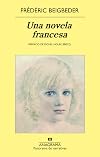
El 28 de enero de 2008, Frédéric Beigbeder era detenido a las puertas de una discoteca parisina por consumo de cocaína en la vía pública y pasaba cuarenta y ocho horas bajo detención preventiva. Irónicamente, tan sólo unos días más tarde, su hermano, el empresario Charles Beigbeder, recibía la Legión de Honor de manos del presidente francés. De este suceso real nacería poco tiempo después Una novela francesa.
Desde su celda, Beigbeder echa la vista atrás y, con auténtico show more espíritu de arqueólogo, reconstruye su infancia olvidada. Con su habitual trazo impenitente dibuja el retrato de sus dos familias: los Chasteigner, aristócratas de rancio abolengo, y los Beigbeder, burgueses acomodados venidos a menos. Rememora los deliciosos veranos transcurridos en la casa familiar de Guéthary, pescando camarones con su abuelo o viviendo acomplejado bajo la sombra de su hermano mayor. Repasa también el trauma que supuso el divorcio paterno y la dulce anarquía que lo siguió.
En un constante ir y venir del pasado al presente, Beigbeder pasa de la melancolía del recuerdo al relato de su detención, del papel de sus abuelos en las dos guerras mundiales a los tiernos momentos pasados junto a su hija Chloe. Y todo ello aderezado, como no podía ser de otro modo, con feroces críticas a las dependencias penitenciarias de París y al mismísimo fiscal de la ciudad, Jean-Claude Marin, soflamas contra el sistema y una defensa acérrima del consumo de drogas. En definitiva, Beigbeder entreteje una suerte de memorias que son en realidad un auténtico recorrido sentimental por la Francia de las cuatro últimas décadas. show less
Desde su celda, Beigbeder echa la vista atrás y, con auténtico show more espíritu de arqueólogo, reconstruye su infancia olvidada. Con su habitual trazo impenitente dibuja el retrato de sus dos familias: los Chasteigner, aristócratas de rancio abolengo, y los Beigbeder, burgueses acomodados venidos a menos. Rememora los deliciosos veranos transcurridos en la casa familiar de Guéthary, pescando camarones con su abuelo o viviendo acomplejado bajo la sombra de su hermano mayor. Repasa también el trauma que supuso el divorcio paterno y la dulce anarquía que lo siguió.
En un constante ir y venir del pasado al presente, Beigbeder pasa de la melancolía del recuerdo al relato de su detención, del papel de sus abuelos en las dos guerras mundiales a los tiernos momentos pasados junto a su hija Chloe. Y todo ello aderezado, como no podía ser de otro modo, con feroces críticas a las dependencias penitenciarias de París y al mismísimo fiscal de la ciudad, Jean-Claude Marin, soflamas contra el sistema y una defensa acérrima del consumo de drogas. En definitiva, Beigbeder entreteje una suerte de memorias que son en realidad un auténtico recorrido sentimental por la Francia de las cuatro últimas décadas. show less

Octave Parango gehört zu den ganz Großen seines Faches, als Kolumnist fasst er jeden Donnerstagmorgen im Radio scharfzüngig bis zynisch die Lage der Nation zusammen. Pünktlich um 8 Uhr 55 wird der größte nationale Radiosender seit zwei Jahrzehnten von ihm zum zentralen Ort der Abrechnung. Doch nach Jahren des ausgelassenen Feierns und engen Austauschs zwischen Kultur und Politik ist ihm nun das Lachen vergangen. Was in den 90ern mal komisch war, bleibt ihm jetzt im Hals stecken. Er hat show more noch eine Nacht, um sein Programm für den folgenden Morgen vorzubereiten. Sinnierend flaniert er durch Paris auf der Suche nach Inspiration, aber er hat sich schon so entfremdet, dass er kaum mehr Bezug zu seiner Umwelt finden kann.
„Dieses Buch ist der Bericht einer Selbstversenkung, aber nicht nur meiner eigenen, es handelt sich eher um ein Kollektivopfer.“
Beigbeder greift in seinem aktuellen Roman den Protagonisten Octave Parango auf, der bereits zentrale Figur in „99F“/“Neununddreißigneunzig“ und „Au secours pardon“ war. Stand in ersterem die Abrechnung mit der Werbebranche und dem maßlosen Konsum im Vordergrund, war es in zweitem die Welt der Mode mit ihren ausschweifenden, drogengetränkten Partys. An beides erinnert sich Parango bei seinem Streifzug, doch die Stadt ist nicht mehr die, die er einmal kannte. Es ist eine Satire, die sich zwischen urkomisch und tiefverzweifelt bewegt und so die Gegenwart ungeschönt einfängt.
„In einer Vergnügungsdemokratie hat der Staatspräsident nicht so viel Gewicht wie der Narr, denn er muss die tägliche Karikatur ertragen, während der Narr nicht anfechtbar ist – und damit ein Tyrann.“
Wie auch die vorhergehenden Romane der Trilogie ist „Der Mann, der vor Lachen weinte“ autobiografisch geprägt, Beigbeder verlor seine morgendliche Kolumne bei France Inter, nachdem er den Bogen überspannt und sich der „Vergnügungsdemokratie“ entsagt hatte. Nach den Anschlägen auf Charlie Hebdo genießen die Karikaturisten Narrenfreiheit; waren sie vorher diejenigen, die Staat und Gesellschaft den hässlichen Spiegel vorgehalten haben, sind sie nun unantastbar.
„Jedes Jahr gedenkt man am 14. Juli, Frankreichs Nationalfeiertag, einer von der Polizei verbotenen Demonstration. Deshalb gelten Aufstände in Frankreich als heilig. Das Recht auf Wut ist hierzulande unantastbar. Die Revolution ist unsere DNA, unsere Republik ist aus einem gewalttätigen Chaos hervorgegangen, (...)“
Doch sie, ebenso wie die politische Elite, die schon immer aus den Grandes Écoles hervorgegangen ist, deren Zugang mehr mit Beziehungen denn mit Qualifikation zu tun hat, haben den Bezug zum Volk verloren. Täglich erlebt er Demonstrationen der Gelbwesten (in der Übersetzung etwas irritieren „Neonwesten“ genannt), die in zerstörerischen Ausschreitungen enden und doch mit ihrer Message nicht ankommen.
Der Komiker hat nichts erreicht, die Satire hat nicht zum Nachdenken angeregt, hat keine Veränderung provoziert. Mehr als oberflächliche Lustigkeit ist nicht geblieben. Und so greift die abgehängt Klasse notgedrungen zu jenem Mittel, das auch schon Jahrhunderte zuvor gewirkt hat und erobert sich mit den Champs-Élysées jene Straße zurück, die sich die reiche Oberschicht als ihr Quartier eingerichtet hatte.
Beigbeders Roman ist inhaltlich eher ein Essay zur Lage der Nation, eine Abrechnung mit der politischen wie kulturellen Elite, zu der er selbst jedoch auch gehört. Eindrücklich und zugleich sehr unterhaltsam warnt er vor den Folgen der Entfremdung, man hat schon einmal gesehen, wo diese hinführt. Das kollektive Augenverschließen – nicht nur vor der Not weiter Teile der Bevölkerung, sondern in Frankreich zudem noch vor den inzwischen publik gewordenen Pädophilie-Skandalen – kann und darf nicht mehr toleriert werden.
Sicher nur begrenzt auf Deutschland übertragbar da sehr spezifisch auf die französische Situation bezogen, dennoch sehr lesenswert, denn Beigbeder gelingt die Mischung zwischen Unterhaltung und Sozialkritik überzeugend. show less
„Dieses Buch ist der Bericht einer Selbstversenkung, aber nicht nur meiner eigenen, es handelt sich eher um ein Kollektivopfer.“
Beigbeder greift in seinem aktuellen Roman den Protagonisten Octave Parango auf, der bereits zentrale Figur in „99F“/“Neununddreißigneunzig“ und „Au secours pardon“ war. Stand in ersterem die Abrechnung mit der Werbebranche und dem maßlosen Konsum im Vordergrund, war es in zweitem die Welt der Mode mit ihren ausschweifenden, drogengetränkten Partys. An beides erinnert sich Parango bei seinem Streifzug, doch die Stadt ist nicht mehr die, die er einmal kannte. Es ist eine Satire, die sich zwischen urkomisch und tiefverzweifelt bewegt und so die Gegenwart ungeschönt einfängt.
„In einer Vergnügungsdemokratie hat der Staatspräsident nicht so viel Gewicht wie der Narr, denn er muss die tägliche Karikatur ertragen, während der Narr nicht anfechtbar ist – und damit ein Tyrann.“
Wie auch die vorhergehenden Romane der Trilogie ist „Der Mann, der vor Lachen weinte“ autobiografisch geprägt, Beigbeder verlor seine morgendliche Kolumne bei France Inter, nachdem er den Bogen überspannt und sich der „Vergnügungsdemokratie“ entsagt hatte. Nach den Anschlägen auf Charlie Hebdo genießen die Karikaturisten Narrenfreiheit; waren sie vorher diejenigen, die Staat und Gesellschaft den hässlichen Spiegel vorgehalten haben, sind sie nun unantastbar.
„Jedes Jahr gedenkt man am 14. Juli, Frankreichs Nationalfeiertag, einer von der Polizei verbotenen Demonstration. Deshalb gelten Aufstände in Frankreich als heilig. Das Recht auf Wut ist hierzulande unantastbar. Die Revolution ist unsere DNA, unsere Republik ist aus einem gewalttätigen Chaos hervorgegangen, (...)“
Doch sie, ebenso wie die politische Elite, die schon immer aus den Grandes Écoles hervorgegangen ist, deren Zugang mehr mit Beziehungen denn mit Qualifikation zu tun hat, haben den Bezug zum Volk verloren. Täglich erlebt er Demonstrationen der Gelbwesten (in der Übersetzung etwas irritieren „Neonwesten“ genannt), die in zerstörerischen Ausschreitungen enden und doch mit ihrer Message nicht ankommen.
Der Komiker hat nichts erreicht, die Satire hat nicht zum Nachdenken angeregt, hat keine Veränderung provoziert. Mehr als oberflächliche Lustigkeit ist nicht geblieben. Und so greift die abgehängt Klasse notgedrungen zu jenem Mittel, das auch schon Jahrhunderte zuvor gewirkt hat und erobert sich mit den Champs-Élysées jene Straße zurück, die sich die reiche Oberschicht als ihr Quartier eingerichtet hatte.
Beigbeders Roman ist inhaltlich eher ein Essay zur Lage der Nation, eine Abrechnung mit der politischen wie kulturellen Elite, zu der er selbst jedoch auch gehört. Eindrücklich und zugleich sehr unterhaltsam warnt er vor den Folgen der Entfremdung, man hat schon einmal gesehen, wo diese hinführt. Das kollektive Augenverschließen – nicht nur vor der Not weiter Teile der Bevölkerung, sondern in Frankreich zudem noch vor den inzwischen publik gewordenen Pädophilie-Skandalen – kann und darf nicht mehr toleriert werden.
Sicher nur begrenzt auf Deutschland übertragbar da sehr spezifisch auf die französische Situation bezogen, dennoch sehr lesenswert, denn Beigbeder gelingt die Mischung zwischen Unterhaltung und Sozialkritik überzeugend. show less
Awards


You May Also Like


Associated Authors
Statistics
- Works
- 56
- Also by
- 3
- Members
- 3,672
- Popularity
- #6,891
- Rating
- 3.2
- Reviews
- 98
- ISBNs
- 245
- Languages
- 22
- Favorited
- 7


