
Jean Echenoz
Author of 1914
About the Author
Works by Jean Echenoz
Le pays clair: Camargue: [exposition, Arles, Galerie l'Espace pour l'art ; Magasin électrique, été 2013] (2013) 2 copies
[Letter] 1 copy
Eu plec 1 copy
Arrivo 1 copy
Associated Works
Tagged
Common Knowledge
- Legal name
- Echenoz, Jean
- Birthdate
- 1947-12-26
- Gender
- male
- Education
- Ecole Pratique des Hautes Etudes, Paris (Auditeur)
Université d'Aix-en Provence (Sociologie) - Occupations
- novelist
- Awards and honors
- Grand prix de littérature Paul Morand de l'Académie française (2006)
Prix Goncourt (1999)
Prix Medicis (1983)
Aristeion Prize (1990) - Nationality
- France
- Birthplace
- Orange, Vaucluse, Provence-Alpes-Côte d'Azur, France
- Places of residence
- Orange, Vaucluse, Provence-Alpes-Côte d'Azur, France
Paris, Île-de-France,France - Map Location
- France
- Associated Place (for map)
- France
Members
Reviews

This is an odd, but very engaging, mixture of male-mid-life-crisis novel, treasure-hunt thriller, and good old fashioned French série noire crime story, all with an ironic post-modern twist. The very citified Félix Ferrer, in the middle of a divorce and proprietor of a struggling gallery in an unfashionable district of Paris, is trying to restore his fortunes by recovering a cache of Inuit artworks from a ship that's been icebound in the Canadian arctic for half a century (yes, that's show more right, this is a polar polar...). He's also trying to navigate his way between an improbable number of girlfriends, and there appears to be some kind of sinister conspiracy going on in the background as well...
The crime plot is fun, but not really what this is all about: it's much more a vehicle for Echenoz to feed us his ironic observations about Paris, the art-world, ice-breakers and their crews, middle-aged men, and the bottom-left corner of France. Which he does very well.
An entertaining read, with lots of clever touches, and a plot that doesn't always go down the most obvious road, but from the distance of twenty years it's hard to see it as the winner of a major literary prize. Maybe 1999 was a thin year? show less
The crime plot is fun, but not really what this is all about: it's much more a vehicle for Echenoz to feed us his ironic observations about Paris, the art-world, ice-breakers and their crews, middle-aged men, and the bottom-left corner of France. Which he does very well.
An entertaining read, with lots of clever touches, and a plot that doesn't always go down the most obvious road, but from the distance of twenty years it's hard to see it as the winner of a major literary prize. Maybe 1999 was a thin year? show less
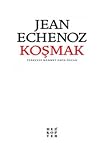
Şimdi, açıkçası, bu Echenoz büyük yazar; hakikaten büyük yazar. Bence, Fransız romanının son büyük temsilcisi; müthiş bir üslûpçu, harika bir hikâye anlatıcısı. Cidden, bu dediklerime kalpten inanıyorum. Ondan başka hangi yazar, Çekoslovakya Çekoslovakya iken, 19 Eylül 1922’de Koprivnice’de doğmuş, fakir bir ailenin altıncı çocuğu olan, on altı yaşında Zlin’deki ayakkabı fabrikası Bata’da çalışmaya başlayıp, bir gün fabrikanın spor show more danışmanının üç-beş çocuğu zorla uzun mesafe yarışında koşturması üzerine ikinci olup içinde “yahu madem koştuk, niye birinci olmadım” duygusu doğan, koştuğu her zaman o güne kadarki koşu üsluplarını yerle bir eden, onlarca altın madalya kazanıp, 1952 Helsinki olimpiyatlarında beş bin metre, on bin metre ve maratonun her birinde altın madalya alıp bir de her birinde rekor kıran “Çek Lokomotifi” lakaplı Emil Zatopek hakkında bir kitap yazar ki? Bu arada, maratonda koşmaya son anda karar verdiğini de söyleyeyim! Hem sonra, kitap esas Zatopek hakkındayken nasıl bir anda Çekoslovakya ve dahası demirperde ülkelerinde yaşanan komünizm deneyiminin hikâyesine döner ki? Nasıl bu müthiş popüler atlet, Parti’nin gözünden düşünce, uranyum madenlerinde çalıştırılır, çöpçü yapılır, arşivlere atanır ki? Niye yapılır bu? Şaşırtıcı, harika bir küçük kitap bu. Çok az kitap insanın kendi kendine söyleyeceği, “Vay eşek, nasıl da yazmış!” ya da “Yahu, keşke bunu ben yazabilmiş olsaydım” nidalarına yol açar. Koşmak, bunlardan biri… show less

The veteran General Bourgeaud has been shunted off into an obscure corner of the French military intelligence machine, with a little office and an assistant, to sit out his time until retirement. Unfortunately, he hasn't quite understood that the deal is that he sits quiet and doesn't attempt to mount any operations. And there's this perfect little scheme just waiting for the right type of agent to carry it out. It needs to be a woman, and someone from entirely outside the intelligence show more services. Something in the Mata Hari line, but less flashy and more postmodern. Paul, the assistant, has a candidate in mind, but she will need a bit of preparation...
And thus we get into a ludicrously overcomplicated and unbalanced plot, put together by a writer who obviously doesn't trust any of his characters (or himself as narrator) an inch. He doesn't particularly care for any of them either, and is more than a little sceptical about the conventions of the thriller genre. But it's not a light-hearted pastiche: whilst all these people are running around spying on each other to no real purpose, there is all kinds of real pain and suffering going on, and Echenoz doesn't allow us to pass the piles of corpses without a shudder.
Clever, witty, and sometimes quite amusing, but I'm not really sure what it provides other than the sort of entertainment that we would get more efficiently from a less self-conscious kind of thriller. show less
And thus we get into a ludicrously overcomplicated and unbalanced plot, put together by a writer who obviously doesn't trust any of his characters (or himself as narrator) an inch. He doesn't particularly care for any of them either, and is more than a little sceptical about the conventions of the thriller genre. But it's not a light-hearted pastiche: whilst all these people are running around spying on each other to no real purpose, there is all kinds of real pain and suffering going on, and Echenoz doesn't allow us to pass the piles of corpses without a shudder.
Clever, witty, and sometimes quite amusing, but I'm not really sure what it provides other than the sort of entertainment that we would get more efficiently from a less self-conscious kind of thriller. show less
1914 by Jean Echenoz
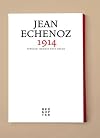
Fransızların Büyük Savaş dedikleri Birinci Dünya Savaşı’nı küçük bir romana sığdırmak kolay olmasa gerek. Ama iğne deliğinden Hindistan geçiren Echenoz var karşımızda. Dolayısıyla romanın tam bir Homeros destanına dönüşmesi işten bile değil. Öyle de olur, Anthime adlı roman kahramanı, türdeşlerinin bu tuhaf, müziksiz, bitmek bilmez savaş dansının tam ortasına düşer. Tek “kahramanlığı” sağ eline taktığı şövalye yüzüğüdür belki de. show more Bir şarapnel parçası sağ kolunu özenle kesip aldığında o da kalmaz geriye. Oysa kolunu hiç unutmayacaktır o. Zaman geçtikçe daha çok hisseder sağ kolunu, öyle ki avucunun içinin acıdığını söyleyip tedavi ettirmeye bile yeltenecektir. Anthime’in kahramanlığı hafızasındaki kaşıntıdır bir bakıma. İşte böyle, Anthime yavaşça epik bir kahramana, okur da efsanevi zamanlara ait bir destanın dinleyicisine dönüşecektir. show less
Lists
Awards


You May Also Like


Associated Authors
Statistics
- Works
- 38
- Also by
- 3
- Members
- 3,380
- Popularity
- #7,538
- Rating
- 3.6
- Reviews
- 124
- ISBNs
- 291
- Languages
- 21
- Favorited
- 15


