
H. G. Bissinger
Author of Friday Night Lights: A Town, a Team, and a Dream
About the Author
H. G. "Buzz" Bissinger graduated from the University of Pennsylvania in 1976. He has worked for many newspapers, including The Philadelphia Inquirer, and he shared a Pulitzer Prize for reporting in 1987 for a series on the Philadelphia Court System. He has written for magazines including Sports show more Illustrated, The New York Times Magazine, and Vanity Fair, for which he has been a contributing editor since 1996. Bissinger also co-produced and wrote for the ABC television drama NYPD Blue and published the nonfiction books Friday Night Lights, A Prayer for the City and Three Nights in August. (Bowker Author Biography) show less
Works by H. G. Bissinger
Three Nights in August: Strategy, Heartbreak, and Joy Inside the Mind of a Manager (2005) 711 copies, 15 reviews
After Friday Night Lights: When the Games Ended, Real Life Began. An Unlikely Love Story. (Kindle Single) (2012) 28 copies, 2 reviews
Associated Works
Reader's Digest Today's Best Nonfiction 14 1991: Unanswered Cries / Friday Night Lights / In the Absence of Angels / By Way of Deception (1991) — Author — 21 copies, 2 reviews
Tagged
Common Knowledge
- Legal name
- Bissinger, Harry Gerard, III
- Other names
- Bissinger, H. G.
Bissinger, Buzz - Birthdate
- 1954-11-01
- Gender
- male
- Education
- Phillips Academy, Andover, MA, USA
University of Pennsylvania (BA|1976) - Occupations
- reporter
journalist
author - Organizations
- Ledger-Star
St. Paul Pioneer Press
The Philadelphia Inquirer
Chicago Tribune
Vanity Fair - Awards and honors
- Neiman Fellowship, Harvard University
Pulitzer Prize (Investigative Reporting, 1987) - Relationships
- Berg, Peter (cousin)
- Nationality
- USA
- Birthplace
- New York, New York, USA
- Places of residence
- New York, New York, USA (birth)
- Associated Place (for map)
- New York, New York, USA
Members
Reviews
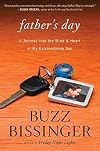
I have never read Buzz Bissinger's FRIDAY NIGHT LIGHTS, which has reportedly sold close to two million copies and also spawned a popular film and TV series of the same name. (Didn't see those either.) Bissinger wrote the book over twenty years ago and none of his books since have come even close to that early level of success.
I saw Bissinger recently when he was interviewed on stage by Detroit News columnist, Neal Rubin, for the National Writers Series ( http://nationalwritersseries.org/ ) show more in Traverse City, Michigan. Since Friday Night Lights is a book about Texas-style high school football, and I am not a particularly rabid sports fan, I didn't expect much at the NWS talk. Well, I was floored by the presentation, which concentrated, quite rightly, on Bissinger's 2012 book, FATHER'S DAY: A JOURNEY INTO THE MIND AND HEART OF MY EXTRAORDINARY SON. The interview ended with a well-deserved standing ovation from the near capacity crowd at the Opea House, and I could not wait to get back home and read this book.
Well, now I've read it and I was not disappointed. After his phenomenal early success with FNL (he was only 35), Bissinger has been disappointed in the mediocre responses to his subsequent books. Of course he is. The bar has simply been set way too high ever since. But as far as I'm concerned, Bissinger has scored an undeniable touchdown with FATHER'S DAY, his account of a 2007 cross country road trip he made with his 24 year-old son Zach, who suffered brain damage at birth, when he and his twin brother, Gerry, were born 13 weeks early. Gerry is now normal; Zach is not.
Having met and talked with Bissinger a bit prior to the presentation I was prepared not to like him, or his book. Dressed all in black, he came off as abrupt, caustic and just not very friendly. But during his interview, although visibly nervous, he was very frank, self-critical even, revealing that he suffered from depression and bipolarity, and took various meds for this. In the course of the book's narrative he describes various temper tantrums and meltdowns he had during the trip and characterizes himself as pessimistic, "sullen," and "volatile and inconsistent." And events in the book certainly bear this out. He often loses patience with his child-like son and berates him and screams at him. Then he is immediately sorry. Twice divorced, and now married again, Bissinger is a bundle of insecurites, anger and fear. His speech is laced with obscenities. There are plenty of things not to like about the man. But he so obviously loves his sons (all three of them), and his greatest fear, one that haunts him, is what will become of Zach once he and the boy's mother are gone. Perhaps one of the most wrenching passages in the book is the one where he describes a recurring image -
"I am gone and his mother is gone and Zach is old now, in his sixties, stooped and scraggly ... I see him walking the streets, on the way to some group home with his hands in his pockets, warding off the wind. I see his head cocked at that forty-five degree angle as he talks in his self-chastising way, and passersby edge away because this guy is on the edge. Through windows filled with greasy fingerprints, I see my son sitting on a bed beneath a ceiling lamp spitting out freezing light. I see him quiet on that bed with his hands clasped in front of him. And then I see him talking aloud to himself some more, which no one tries to silence because no one else is there."
Bissinger came from a background of wealth and privilege, attending private schools and an Ivy league college, but he's had his share of heartaches, beginning with a mother who was a working professional woman, and who he never felt really loved him. He often did not do well in school and felt like a failure. And yet he managed, becoming a newspaperman with a pretty good success record. His wicked sense of humor pops up throughout the narrative, even when he describes all the worries that constantly plague him, throwing in this one - "the only truly peaceful moment of the day of sitting on the john and realizing that the last roll of toilet paper is in the basement."
Because this is not only a story about Bissinger's disabled son; it is a memoir in the truest sense of the word as memories of his own childhood and adult years continue to creep in. The descriptions of his parents' deaths are as heart-rending as any ever written, despite his attempts to cover his feelings with a hard-bitten glaze.
This is a tender book about the often tenuous, always difficult relationship between fathers and sons. I thought about a couple other similar books I've read in the past year: Joe Blair's memoir BY THE IOWA SEA, about his stormy marriage and a severely autistic son; and Glen Finland's memoir about her autistic son, NEXT STOP. But Buzz Bissinger's book is in a class all its own. Can a book filled with bitterness, anger, frustration and obscenities be 'beautiful'? Because FATHER'S DAY has all those ingredients, but it has an abundance of something else which overrides all those negative feelings. Love. Buzz Bissinger so loves his children, and he wants so badly to do what's right for them. Yes, this is a beautiful book.
I've never read FRIDAY NIGHT LIGHTS, and probably never will. But I know this. FATHER'S DAY is a better book. It's a book that will resonate for a long long time with anyone who has ever been a father. My highest recommendation. show less
I saw Bissinger recently when he was interviewed on stage by Detroit News columnist, Neal Rubin, for the National Writers Series ( http://nationalwritersseries.org/ ) show more in Traverse City, Michigan. Since Friday Night Lights is a book about Texas-style high school football, and I am not a particularly rabid sports fan, I didn't expect much at the NWS talk. Well, I was floored by the presentation, which concentrated, quite rightly, on Bissinger's 2012 book, FATHER'S DAY: A JOURNEY INTO THE MIND AND HEART OF MY EXTRAORDINARY SON. The interview ended with a well-deserved standing ovation from the near capacity crowd at the Opea House, and I could not wait to get back home and read this book.
Well, now I've read it and I was not disappointed. After his phenomenal early success with FNL (he was only 35), Bissinger has been disappointed in the mediocre responses to his subsequent books. Of course he is. The bar has simply been set way too high ever since. But as far as I'm concerned, Bissinger has scored an undeniable touchdown with FATHER'S DAY, his account of a 2007 cross country road trip he made with his 24 year-old son Zach, who suffered brain damage at birth, when he and his twin brother, Gerry, were born 13 weeks early. Gerry is now normal; Zach is not.
Having met and talked with Bissinger a bit prior to the presentation I was prepared not to like him, or his book. Dressed all in black, he came off as abrupt, caustic and just not very friendly. But during his interview, although visibly nervous, he was very frank, self-critical even, revealing that he suffered from depression and bipolarity, and took various meds for this. In the course of the book's narrative he describes various temper tantrums and meltdowns he had during the trip and characterizes himself as pessimistic, "sullen," and "volatile and inconsistent." And events in the book certainly bear this out. He often loses patience with his child-like son and berates him and screams at him. Then he is immediately sorry. Twice divorced, and now married again, Bissinger is a bundle of insecurites, anger and fear. His speech is laced with obscenities. There are plenty of things not to like about the man. But he so obviously loves his sons (all three of them), and his greatest fear, one that haunts him, is what will become of Zach once he and the boy's mother are gone. Perhaps one of the most wrenching passages in the book is the one where he describes a recurring image -
"I am gone and his mother is gone and Zach is old now, in his sixties, stooped and scraggly ... I see him walking the streets, on the way to some group home with his hands in his pockets, warding off the wind. I see his head cocked at that forty-five degree angle as he talks in his self-chastising way, and passersby edge away because this guy is on the edge. Through windows filled with greasy fingerprints, I see my son sitting on a bed beneath a ceiling lamp spitting out freezing light. I see him quiet on that bed with his hands clasped in front of him. And then I see him talking aloud to himself some more, which no one tries to silence because no one else is there."
Bissinger came from a background of wealth and privilege, attending private schools and an Ivy league college, but he's had his share of heartaches, beginning with a mother who was a working professional woman, and who he never felt really loved him. He often did not do well in school and felt like a failure. And yet he managed, becoming a newspaperman with a pretty good success record. His wicked sense of humor pops up throughout the narrative, even when he describes all the worries that constantly plague him, throwing in this one - "the only truly peaceful moment of the day of sitting on the john and realizing that the last roll of toilet paper is in the basement."
Because this is not only a story about Bissinger's disabled son; it is a memoir in the truest sense of the word as memories of his own childhood and adult years continue to creep in. The descriptions of his parents' deaths are as heart-rending as any ever written, despite his attempts to cover his feelings with a hard-bitten glaze.
This is a tender book about the often tenuous, always difficult relationship between fathers and sons. I thought about a couple other similar books I've read in the past year: Joe Blair's memoir BY THE IOWA SEA, about his stormy marriage and a severely autistic son; and Glen Finland's memoir about her autistic son, NEXT STOP. But Buzz Bissinger's book is in a class all its own. Can a book filled with bitterness, anger, frustration and obscenities be 'beautiful'? Because FATHER'S DAY has all those ingredients, but it has an abundance of something else which overrides all those negative feelings. Love. Buzz Bissinger so loves his children, and he wants so badly to do what's right for them. Yes, this is a beautiful book.
I've never read FRIDAY NIGHT LIGHTS, and probably never will. But I know this. FATHER'S DAY is a better book. It's a book that will resonate for a long long time with anyone who has ever been a father. My highest recommendation. show less

" . . . he understood exactly what a city was about -- sounds and sights and smells, all the different senses, held together by the spontaneity of choreography, each day, each hour, each minute different from the previous one."
Oh, the city, the city! I am an urban person. I lived in the suburbs for years and it was hell. You couldn't walk anywhere because there were no sidewalks. There was too much "new". There was too much alike. Your neighbors were just like you. When I drove into the show more city, the moment I saw the skyline, the outline of the Sears Tower and the John Hancock Center reaching for the clouds, my heart would lift and I would begin to feel alive again. If I have any regret about moving back, it's that I waited too long to do so.
Ed Rendell loves Philadelphia. The two-term mayor took a dying city and tried desperately to resuscitate it. And Bissinger was there. In an extraordinary act of transparency, the Rendell administration gave the Pulitzer Prize-winning journalist nearly unfettered access to the mayor and his staff. He was present at meetings public and private, he read documents and correspondence, he interviewed everyone. Mingled with the story of City Hall are the stories of four city residents: a shipyard worker, a grandmother raising her children's children and their children, a policy wonk and a "true believer" prosecutor. They, too, all love the city, and each is subjected to its traumas. Prosecutor McGovern and policy analyst Morrison had options. They could leave for the suburbs, not worry about crime in their neighborhoods or bad schools for their kids. Unemployed welders and inner city moms don't have the same options, and sometimes your love of place makes you want to stay. After all, "there may be lovelier lovelies, but never a lovely so real."
When he was sworn in, Rendell had a fight on his hands. The city was losing population, jobs, and industry. Nobody cared. Not the feds. Not the state. He had to make them care. There is the story of the Navy Shipyard, one of the biggest employers in the city for, literally, centuries. For years, it was threatened with being shut down, and, finally, the shutdown came. But a German shipbuilder had a vision, a vision to take the shipyard and turn it into a place that served the burgeoning cruise ship industry. Rendell fought to make that happen. He worked on financing and tax incentives. He went to the State House and he went to the White House. He called in favors and friends. Even when the Governor killed the deal, insulting and humiliating the potential buyer until he said "to hell with you", Rendell kept trying. This is one roller-coaster of a chapter!
This is no whitewash of Rendell. Bissinger doesn't shirk from describing the mayor's temper tantrums, his inappropriate behavior towards women reporters, his failures to connect with the African-American community, his egotism. But the picture we have of Rendell as his first term draws to a close is that of a lover who takes his beloved to shows and buys her pretty things, but knows that that, like flowers on an expressway berm, is merely window dressing. It is her heart and soul that matter most, and he will do anything to save her.
This page-turner of a book will uplift you, and it will break your heart. show less
Oh, the city, the city! I am an urban person. I lived in the suburbs for years and it was hell. You couldn't walk anywhere because there were no sidewalks. There was too much "new". There was too much alike. Your neighbors were just like you. When I drove into the show more city, the moment I saw the skyline, the outline of the Sears Tower and the John Hancock Center reaching for the clouds, my heart would lift and I would begin to feel alive again. If I have any regret about moving back, it's that I waited too long to do so.
Ed Rendell loves Philadelphia. The two-term mayor took a dying city and tried desperately to resuscitate it. And Bissinger was there. In an extraordinary act of transparency, the Rendell administration gave the Pulitzer Prize-winning journalist nearly unfettered access to the mayor and his staff. He was present at meetings public and private, he read documents and correspondence, he interviewed everyone. Mingled with the story of City Hall are the stories of four city residents: a shipyard worker, a grandmother raising her children's children and their children, a policy wonk and a "true believer" prosecutor. They, too, all love the city, and each is subjected to its traumas. Prosecutor McGovern and policy analyst Morrison had options. They could leave for the suburbs, not worry about crime in their neighborhoods or bad schools for their kids. Unemployed welders and inner city moms don't have the same options, and sometimes your love of place makes you want to stay. After all, "there may be lovelier lovelies, but never a lovely so real."
When he was sworn in, Rendell had a fight on his hands. The city was losing population, jobs, and industry. Nobody cared. Not the feds. Not the state. He had to make them care. There is the story of the Navy Shipyard, one of the biggest employers in the city for, literally, centuries. For years, it was threatened with being shut down, and, finally, the shutdown came. But a German shipbuilder had a vision, a vision to take the shipyard and turn it into a place that served the burgeoning cruise ship industry. Rendell fought to make that happen. He worked on financing and tax incentives. He went to the State House and he went to the White House. He called in favors and friends. Even when the Governor killed the deal, insulting and humiliating the potential buyer until he said "to hell with you", Rendell kept trying. This is one roller-coaster of a chapter!
This is no whitewash of Rendell. Bissinger doesn't shirk from describing the mayor's temper tantrums, his inappropriate behavior towards women reporters, his failures to connect with the African-American community, his egotism. But the picture we have of Rendell as his first term draws to a close is that of a lover who takes his beloved to shows and buys her pretty things, but knows that that, like flowers on an expressway berm, is merely window dressing. It is her heart and soul that matter most, and he will do anything to save her.
This page-turner of a book will uplift you, and it will break your heart. show less
I came to this book in the wrong direction. I first saw the television show, before seeing the movie upon which it was based. Only now do I get around to reading the book that set the whole thing in motion.
To make a long story short, it's great. Having seen its descendants, there weren't a lot of surprises, but it was nice to see that (at least before the final section of the book about the postseason) it cares more about the town than the team, carefully documenting the rise and fall of show more Permian, while only using the Panthers sparingly.
It's pretty relentless; constantly hammering home the idea that these young men, and through them, the town, are reaching the peak of their lives while still in high school. It's a bleak vision, but one that rings painfully true. I was never an athlete, and the closest I've ever come to the feelings these boys (and men) go through was in my high school's theater program. It's not the same thing, but I think I can recognize echoes of the football experience, from the exhilarating highs to the empty feelings of loss. It's scary to think that I've already done everything good that I'm ever capable of achieving.
Strangely, the book's biggest gut punch comes from the story of the players from Carter, the team that defeats Permian. The fact that those kids, just about to reach the golden ring of college (and potentially professional) football, could ruin everything by turning to a life of armed robbery is so strange, that I'd accuse Bissinger of fiction, if I didn't know it was true. It's a tiny moment near the end of a large and magnificent work, but it's a terrifying summation of the whole. show less
To make a long story short, it's great. Having seen its descendants, there weren't a lot of surprises, but it was nice to see that (at least before the final section of the book about the postseason) it cares more about the town than the team, carefully documenting the rise and fall of show more Permian, while only using the Panthers sparingly.
It's pretty relentless; constantly hammering home the idea that these young men, and through them, the town, are reaching the peak of their lives while still in high school. It's a bleak vision, but one that rings painfully true. I was never an athlete, and the closest I've ever come to the feelings these boys (and men) go through was in my high school's theater program. It's not the same thing, but I think I can recognize echoes of the football experience, from the exhilarating highs to the empty feelings of loss. It's scary to think that I've already done everything good that I'm ever capable of achieving.
Strangely, the book's biggest gut punch comes from the story of the players from Carter, the team that defeats Permian. The fact that those kids, just about to reach the golden ring of college (and potentially professional) football, could ruin everything by turning to a life of armed robbery is so strange, that I'd accuse Bissinger of fiction, if I didn't know it was true. It's a tiny moment near the end of a large and magnificent work, but it's a terrifying summation of the whole. show less
Buzz Bissinger probably wasn't the first Ivy League-educated newspaperman to leave a job in a big eastern city in search of something real in the American heartland: putting it that way makes his decision to follow the Permian High School football team Odessa, Texas for the entirety of the 1988 season sound like a bad movie. What's really shocking is that he actually did find a story worth telling in West Texas, and one that avoids a lot of sports-movie clichés and gets at something much show more deeper. He found, or rather, just observed the sort of blatant racism that had become a thing of the past in most Eastern cities by the late eighties, a public school system that offered its students, at its best, a mediocre education, a well-intentioned desegregation process that satisfied absolutely no one, and an athletic system that elevated seventeen year-old kids to near-godhood but discarded them as soon as they got hurt or graduated. He also found a town that worked hard, drank hard, and identified to a fanatical degree with the fortunes of its high school football team. It's pretty clear that Bissinger's politics lean to the left and that he's not an unalloyed fan of everything that he witnessed during his stay in Texas. When you read about several people planting "For Sale" signs outside the houses of both coaches and players after a regular-season loss, it's hard not to at least consider the possibility that Odessa, Texas is a town full of rural Americans -- I think that's the preferred nomenclature -- that are a bit short on kindness and who desperately need something to do with their time on Fridays after work. A purely political reading of "Friday Night Lights" would have readers conclude that most aspects of life in Odessa, Texas and almost everything about its outsize relationship to its football team constitute absolutely unforgivable outrages. After all, even Larry McMurtry -- no Yankee he -- called the place "the worst town on Earth."
It's a credit to Bissinger, who's an exquisitely observant journalist with a beautifully natural, readable prose style, that "Friday Night Lights" isn't merely a political book. The author realizes that there's something quintessentially American about Odessa in the independence and unpretentiousness of the people he finds there and their sheer devotion to their team. Basing a significant chunk of your identity on a high school football team remains, I think, a dubious proposition, but Bissinger does show that the Permian Panthers do give the town something that they can take real pride in. The helps forge real connections between people in Odessa, particularly at a time when the strains brought on by globalization -- the loss of manufacturing jobs, the influence of OPEC, the country's changing demographics -- were just beginning to show. It sometimes seems inexcusable for Permian's fans to place so much physical and social pressure on what are really just a bunch of kids, and the descriptions of the injuries they sustain and the emotional strain that they're subjected to can be pretty gruesome, but their willing participation in it is what makes this book, which is about an exclusively American sport played in a nowhere American town, appeal to larger, grander universal themes. The epilogue included in the 25th edition of the book makes it clear: big-time high school football is a painful, back-breaking, ultimately unproductive endeavor, but there is a sort of glory in it too. It is, in other words, not an outrage as much as it is a tragedy. This is perhaps truest for Boobie Miles, a black teenager abandoned by his parents whose dreams of NFL stardom end abruptly with a knee injury when he's in his senior year. Bissinger makes it clear that Boobie's sudden transformation from savior to pariah is inexcusable: an example of the system at its worst. Things end up a little brighter for the other five players that form the core of the team that Bissinger portrays here, though, and it's lovely to see how much they're able to change over the course of twenty-five years. They seem reasonably content with their lives, proving that who you were in high school doesn't always dictate who you'll be for the rest of your life. But some former Panthers admit to the author that nothing can quite match the emotional highs of the experiences they had playing Texas high school football. Their glory was sweet, but fleeting. It's wonderful that Bissinger was able to document it so well before the next crop of high school seniors came along to take their places. show less
It's a credit to Bissinger, who's an exquisitely observant journalist with a beautifully natural, readable prose style, that "Friday Night Lights" isn't merely a political book. The author realizes that there's something quintessentially American about Odessa in the independence and unpretentiousness of the people he finds there and their sheer devotion to their team. Basing a significant chunk of your identity on a high school football team remains, I think, a dubious proposition, but Bissinger does show that the Permian Panthers do give the town something that they can take real pride in. The helps forge real connections between people in Odessa, particularly at a time when the strains brought on by globalization -- the loss of manufacturing jobs, the influence of OPEC, the country's changing demographics -- were just beginning to show. It sometimes seems inexcusable for Permian's fans to place so much physical and social pressure on what are really just a bunch of kids, and the descriptions of the injuries they sustain and the emotional strain that they're subjected to can be pretty gruesome, but their willing participation in it is what makes this book, which is about an exclusively American sport played in a nowhere American town, appeal to larger, grander universal themes. The epilogue included in the 25th edition of the book makes it clear: big-time high school football is a painful, back-breaking, ultimately unproductive endeavor, but there is a sort of glory in it too. It is, in other words, not an outrage as much as it is a tragedy. This is perhaps truest for Boobie Miles, a black teenager abandoned by his parents whose dreams of NFL stardom end abruptly with a knee injury when he's in his senior year. Bissinger makes it clear that Boobie's sudden transformation from savior to pariah is inexcusable: an example of the system at its worst. Things end up a little brighter for the other five players that form the core of the team that Bissinger portrays here, though, and it's lovely to see how much they're able to change over the course of twenty-five years. They seem reasonably content with their lives, proving that who you were in high school doesn't always dictate who you'll be for the rest of your life. But some former Panthers admit to the author that nothing can quite match the emotional highs of the experiences they had playing Texas high school football. Their glory was sweet, but fleeting. It's wonderful that Bissinger was able to document it so well before the next crop of high school seniors came along to take their places. show less
Lists
Awards


You May Also Like


Associated Authors
Statistics
- Works
- 12
- Also by
- 3
- Members
- 4,708
- Popularity
- #5,351
- Rating
- 4.0
- Reviews
- 114
- ISBNs
- 83
- Languages
- 2
- Favorited
- 4