
Adèle Geras
Author of Troy
About the Author
Series
Works by Adèle Geras
Girls behind the Camera & Girls for the Vote (CV) (6 Chelsea Walk Bindup) (2019) 69 copies, 1 review
War Girls: A Collection of First World War Stories Through the Eyes of Young Women (2014) — Contributor; Editor — 62 copies, 2 reviews
Louisa the Ballerina: "Louisa's Secret", "Louisa in the Wings", "A Rival for Louisa" (2004) 12 copies
A Lane to the Land of the Dead: And Other Stories of the Supernatural (Puffin Teenage Fiction) (1994) 9 copies
The Dream Quilt 1 copy
Associated Works
Twice Told: Original Stories Inspired by Original Artwork (2006) — Contributor — 123 copies, 4 reviews
The Great War: Stories Inspired by Items from the First World War (2015) — Contributor — 119 copies, 18 reviews
Deadly Dolls: Midnight Tales of Uncanny Playthings: 50 (British Library Tales of the Weird) (2024) — Contributor — 33 copies, 1 review
Twisted Circuits: A Sinister Collection of Hi-tech Tales (Beaver Books) (1987) — Contributor — 5 copies
Cricket Magazine, Vol. 8, No. 4, December 1980 — Contributor — 2 copies
Tagged
Common Knowledge
- Canonical name
- Geras, Adèle
- Other names
- Adams, Hope (pseudonym)
- Birthdate
- 1944-03-15
- Gender
- female
- Education
- University of Oxford (St. Hilda's College)
Roedean School - Occupations
- writer
- Relationships
- Hannah, Sophie (daughter)
Geras, Norman (husband) - Short biography
- \
- Nationality
- UK
- Birthplace
- Jerusalem, Israel
- Places of residence
- Jerusalem, Israel
Manchester, Lancashire, England, UK
Gambia
North Borneo
Nigeria
Tanzania (show all 7)
Cyprus - Associated Place (for map)
- Manchester, Lancashire, England, UK
Members
Reviews
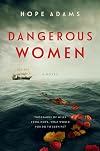
In 1841, one hundred and eighty female convicts departed from Woolwich Dock and boarded the Rajah, a ship that would take them from England to Hobart, Tasmania (formerly Van Diemen's Land). Twenty-three-year-old Kezia Hayter was a deeply religious and compassionate individual who was placed in charge of the ladies aboard the Rajah. The thinking was: "They're guilty of petty offenses, and [are] being transported because there's hope for their rehabilitation." To keep her charges occupied and show more encourage a spirit of camaraderie, Kezia enlisted eighteen of the women to sew a beautiful patchwork coverlet, which is on display at the National Gallery of Australia in Canberra. Hope Adams's "Dangerous Women" is a fictionalized account of this eventful and dramatic voyage.
Adams evokes the hardships that these passengers endured for fifteen weeks. They suffered from bouts of seasickness, ate vile food, and spent long nights trying to sleep on hard bunks and thin mattresses in squalid quarters that reeked of grimy clothes and unwashed bodies. Some missed the family and friends they left behind, and many had disturbing nightmares in which they relived the horrors of physical and emotional abuse, exploitation by employers, and years of hunger and abject poverty. We learn, partly in flashback, details of the tragic backstories of some of the prisoners. Suddenly, in an unexpected turn of events, an unidentified perpetrator stabs one of the convicts. The captain, a clergyman, and Kezia interrogate witnesses in an effort to discover the identity of the assailant.
"Dangerous Women" has it all: adventure, history, suspense, a touch of romance, and a disturbing examination of the plight of underprivileged and poorly educated females in nineteenth century Britain. As the plot unfolds, we come to understand why some of the women aboard the Rajah turned to crime in order to survive. This fascinating and vividly told work of fiction allows us to vicariously experience the fear, revulsion, longing, and despair that these convicts must have felt during this nerve-wracking journey to the other side of the world. On a more uplifting note, we observe the friendships that developed when the passengers decided to share their memories, regrets, sorrows, and dreams with one other, forming a sisterhood that helped raise their spirits at a time of intense anxiety and uncertainty. show less
Adams evokes the hardships that these passengers endured for fifteen weeks. They suffered from bouts of seasickness, ate vile food, and spent long nights trying to sleep on hard bunks and thin mattresses in squalid quarters that reeked of grimy clothes and unwashed bodies. Some missed the family and friends they left behind, and many had disturbing nightmares in which they relived the horrors of physical and emotional abuse, exploitation by employers, and years of hunger and abject poverty. We learn, partly in flashback, details of the tragic backstories of some of the prisoners. Suddenly, in an unexpected turn of events, an unidentified perpetrator stabs one of the convicts. The captain, a clergyman, and Kezia interrogate witnesses in an effort to discover the identity of the assailant.
"Dangerous Women" has it all: adventure, history, suspense, a touch of romance, and a disturbing examination of the plight of underprivileged and poorly educated females in nineteenth century Britain. As the plot unfolds, we come to understand why some of the women aboard the Rajah turned to crime in order to survive. This fascinating and vividly told work of fiction allows us to vicariously experience the fear, revulsion, longing, and despair that these convicts must have felt during this nerve-wracking journey to the other side of the world. On a more uplifting note, we observe the friendships that developed when the passengers decided to share their memories, regrets, sorrows, and dreams with one other, forming a sisterhood that helped raise their spirits at a time of intense anxiety and uncertainty. show less

"Many years have passed since the end of the Trojan War, and Penelope is still waiting for her husband, Odysseus, to return home. The city of Ithaka is overrun with uncouth suitors from the surrounding islands who are vying to win Penelope's hand in marriage, thereby gaining control of the land. When a naked, half-drowned man washes up on the beach, everything changes. . . .
Told through the eyes of Klymene, a young girl who is like a daughter to Penelope--and who longs for more than show more friendship from the young prince Telemachus--Ithaka captures the quiet strength and patience of a woman's enduring love for her husband and the ensuing chaos that threatens all as Penelope is pressured to remarry."
Okay, so I was pretty excited about this book. Ironically, I found out about it right around the same time that I was reintroduced to The Odyssey, so I figured that it must be some kind of sign, or something, and moved it to the top of my "to be read" pile. What a waste of my time.
I keep reading everywhere that it's a young adult book. I don't know why. Except for the fact that the print on the pages is really large (so three hundred something pages goes by like nothing), it doesn't look like a young adult book. I dunno. There's a lot wrong here.
I REALLY disliked how Geras obviously knows nothing about the intellects of different ages. Throughout the entire book, as Klymene grows, she acts like she's eight! I wouldn't have been surprised if she'd stomped her foot and demanded a lollipop.
I understand that Geras was trying to make her naïve, but seriously. There's a way to be eighteen and innocent.
I was SO annoyed by that!
I also disliked how Klymene had this random twin just thrown in there. And yes, he had the same problem of not acting his age, either. Ikarios's entire purpose is to die. Honestly. He doesn't do anything else. And you know what? His death makes Klymene sad--that's the only purpose it serves!
Okayyyy....
Then there's Telemachus. Good, maturing, Telemachus, right? The boy who becomes a man in The Odyssey?
HA!
Try whining, stomping, murdering, virginity-losing little mommy's boy.
WHAT has Geras done to him? He's so stupid and agitating in this book!
Klymene's little crush on him was completely unbelievable, as well. Reading this summary, you think that's it's going to turn into this big, passionate, romantic love.
Nope.
One day, she's obsessed with him (like some drooling, little fan girl at a concert), and the next day, she's like, "Telemachus who?"
That's probably the only thing I agree with Klymene on, though; who the hell would want to have a relationship with that guy???
Speaking of heroes who aren't heroic, Odysseus has no balls in this book. Sorry to be so blunt, but he's a big baby. He has no dimension, none of his famous cleverness, etc, etc...
He just kinda washes up (Wrong, by the way! The Phaeacians left him on Ithaka--which he's not supposed to recognize at first, either!) and stumbles around the whole time. O, and maybe I did the math wrong, but Odysseus is only gone for eighteen years in this book. Um. Excuse me. He was off for twenty, thank you very much!
If you're going to rip off The Odyssey, at least get the facts straight! For example, my BIGGEST pet peeve:
PENELOPE NEVER CHEATED ON ODYSSEUS
CASE
FRIGGIN
CLOSED!
How can you take the most loyal, steadfast character in literary history and corrupt them!? I undestand taking a more "human" standpoint, but that was RIDICULOUS!
Leodes, a minor, soothsayer suitor in the real book, is an old friend of Odysseus's here, does not have any real soothsaying abilities, and makes Penelope fall in love with him--so in love, in fact, that when Odysseus returns, she wishes he hadn't so she could go marry Leodes.
WHAT!?
NO!
In the real story, Leodes is cut down like a pathetic little rat; here, he dies the valiant, heroic death of a true man--and not because of Odysseus, either.
No one dies the way they did in the real book! Nothing is right!
Do NOT read this book if you have any respect for The Odyssey. Even if you don't, this book is poorly written, the characters are shallow and hollow, the story sags, there are obvious discrepencies in the plot, the romance is totally out of the blue and pathetic, and there's random, pointless "twists".
Ugh.
I will not be reading anything of Geras's again.
PS: This review is also an entry on my blog. show less
Told through the eyes of Klymene, a young girl who is like a daughter to Penelope--and who longs for more than show more friendship from the young prince Telemachus--Ithaka captures the quiet strength and patience of a woman's enduring love for her husband and the ensuing chaos that threatens all as Penelope is pressured to remarry."
Okay, so I was pretty excited about this book. Ironically, I found out about it right around the same time that I was reintroduced to The Odyssey, so I figured that it must be some kind of sign, or something, and moved it to the top of my "to be read" pile. What a waste of my time.
I keep reading everywhere that it's a young adult book. I don't know why. Except for the fact that the print on the pages is really large (so three hundred something pages goes by like nothing), it doesn't look like a young adult book. I dunno. There's a lot wrong here.
I REALLY disliked how Geras obviously knows nothing about the intellects of different ages. Throughout the entire book, as Klymene grows, she acts like she's eight! I wouldn't have been surprised if she'd stomped her foot and demanded a lollipop.
I understand that Geras was trying to make her naïve, but seriously. There's a way to be eighteen and innocent.
I was SO annoyed by that!
I also disliked how Klymene had this random twin just thrown in there. And yes, he had the same problem of not acting his age, either. Ikarios's entire purpose is to die. Honestly. He doesn't do anything else. And you know what? His death makes Klymene sad--that's the only purpose it serves!
Okayyyy....
Then there's Telemachus. Good, maturing, Telemachus, right? The boy who becomes a man in The Odyssey?
HA!
Try whining, stomping, murdering, virginity-losing little mommy's boy.
WHAT has Geras done to him? He's so stupid and agitating in this book!
Klymene's little crush on him was completely unbelievable, as well. Reading this summary, you think that's it's going to turn into this big, passionate, romantic love.
Nope.
One day, she's obsessed with him (like some drooling, little fan girl at a concert), and the next day, she's like, "Telemachus who?"
That's probably the only thing I agree with Klymene on, though; who the hell would want to have a relationship with that guy???
Speaking of heroes who aren't heroic, Odysseus has no balls in this book. Sorry to be so blunt, but he's a big baby. He has no dimension, none of his famous cleverness, etc, etc...
He just kinda washes up (Wrong, by the way! The Phaeacians left him on Ithaka--which he's not supposed to recognize at first, either!) and stumbles around the whole time. O, and maybe I did the math wrong, but Odysseus is only gone for eighteen years in this book. Um. Excuse me. He was off for twenty, thank you very much!
If you're going to rip off The Odyssey, at least get the facts straight! For example, my BIGGEST pet peeve:
PENELOPE NEVER CHEATED ON ODYSSEUS
CASE
FRIGGIN
CLOSED!
How can you take the most loyal, steadfast character in literary history and corrupt them!? I undestand taking a more "human" standpoint, but that was RIDICULOUS!
Leodes, a minor, soothsayer suitor in the real book, is an old friend of Odysseus's here, does not have any real soothsaying abilities, and makes Penelope fall in love with him--so in love, in fact, that when Odysseus returns, she wishes he hadn't so she could go marry Leodes.
WHAT!?
NO!
In the real story, Leodes is cut down like a pathetic little rat; here, he dies the valiant, heroic death of a true man--and not because of Odysseus, either.
No one dies the way they did in the real book! Nothing is right!
Do NOT read this book if you have any respect for The Odyssey. Even if you don't, this book is poorly written, the characters are shallow and hollow, the story sags, there are obvious discrepencies in the plot, the romance is totally out of the blue and pathetic, and there's random, pointless "twists".
Ugh.
I will not be reading anything of Geras's again.
PS: This review is also an entry on my blog. show less

This is an impressive collection of short stories, aimed at the “Young Adult” market, about the impact on young women of the First World War. Each of these well-written, engaging and thought-provoking stories was written by well-known authors, including Anne Fine, Adele Geras, Sally Nicholls and Melvin Burgess, with various themes offering very different slant on the impact the war had on women’s lives. The norm is for the war to be written about from the point of view of the suffering show more endured by men and the bravery they displayed during this period of conflict. However, this glimpse into the lives of what young women endured, of the actions some of them took to play a more active part in the war, of their day to day persistence and courage, creates a vivid picture of the contributions so many of them made, as well as the courage and bravery they too displayed. These are stories about spies, nurses, shop-girls, farm-workersThe young women portrayed come from a range of backgrounds but what all have in common is a desire not only to “do their bit”, but also to use their experiences to achieve a greater independence than they would otherwise have been able to. I particularly enjoyed the way in which the stories portrayed the huge social upheaval which came about as a result of the war and explored both the immediate, and the long-term implications this had on communities.
There wasn’t one of these stories which failed to move me but three stand out as exceptional in their capacity to engage me on an intensely emotional level – Mother and Mrs Everington, which captured, in a very powerful way, all the rage, outrage, horrors faced, absolute bravery and compassion of a young woman who put herself in danger at the Front; The Marshalling of Angelique’s Geese, about a young woman in France who was desperate to keep the family farm going (this also offered an insight into theory behind the origins of the Spanish ‘Flu epidemic) and Going Spare which highlighted the plight of women in the aftermath of a war which killed so many young men, thus making marriage and children an almost impossible dream.
A quote from Going Spare, by Sally Nicholl’s – “They didn’t just do nothing,” ….. “All those women. They changed the world.” seems to me to sum up why I think it is worth reading this collection of thought-provoking, poignant and moving stories. show less
There wasn’t one of these stories which failed to move me but three stand out as exceptional in their capacity to engage me on an intensely emotional level – Mother and Mrs Everington, which captured, in a very powerful way, all the rage, outrage, horrors faced, absolute bravery and compassion of a young woman who put herself in danger at the Front; The Marshalling of Angelique’s Geese, about a young woman in France who was desperate to keep the family farm going (this also offered an insight into theory behind the origins of the Spanish ‘Flu epidemic) and Going Spare which highlighted the plight of women in the aftermath of a war which killed so many young men, thus making marriage and children an almost impossible dream.
A quote from Going Spare, by Sally Nicholl’s – “They didn’t just do nothing,” ….. “All those women. They changed the world.” seems to me to sum up why I think it is worth reading this collection of thought-provoking, poignant and moving stories. show less

The Tower Room is the first in the Egerton Hall series which centers around three girls who are best friends at boarding school. Each book in the series is a retelling of a different fairytale. The first book is The Tower Room. In this book, the author has reworked the fairytale "Rapunzel" into a 20th century young adult romance.
Megan, Bella and Alice are sixth form students at Egerton Hall. They occupy what is known as “the tower room”, where they enjoy privacy and seclusion from the show more other students. Each girl has a unique personality and can be quite precocious, but they don't seem to have the snobbery that so often accompanies these characters.
The Tower Room focuses on Megan, who calls Egerton Hall "home" as she was orphaned not long after arriving at age 11. Egerton Hall's science teacher -Dorothy, a family friend - adopts Megan. The girls go about their lives as students with the hopes and dreams every girl has of becoming young women: thoughts of love and their adult lives ahead of them. When Dorothy hires a young and available lab assistant, it appears Megan's dreams of love might come true.
What makes this novel unique is that the main storyline is interspersed with paragraphs containing letters written by Megan following the denouement. These letters show the reality of life and seem to emphasize the idea of fantasy within the fairytale portion of the story. It really gives a nice contrast. Equally unique is the ending (which I loved) with its twist on the idea of what constitutes "happily ever after".
I really enjoyed this book. Ms. Geras's writing flows so well you don't realize how quickly the pages are turning. Her characters are interesting and I am looking forward to following them through the other books in the series: Watching the Roses and Pictures of the Night. show less
Megan, Bella and Alice are sixth form students at Egerton Hall. They occupy what is known as “the tower room”, where they enjoy privacy and seclusion from the show more other students. Each girl has a unique personality and can be quite precocious, but they don't seem to have the snobbery that so often accompanies these characters.
The Tower Room focuses on Megan, who calls Egerton Hall "home" as she was orphaned not long after arriving at age 11. Egerton Hall's science teacher -Dorothy, a family friend - adopts Megan. The girls go about their lives as students with the hopes and dreams every girl has of becoming young women: thoughts of love and their adult lives ahead of them. When Dorothy hires a young and available lab assistant, it appears Megan's dreams of love might come true.
What makes this novel unique is that the main storyline is interspersed with paragraphs containing letters written by Megan following the denouement. These letters show the reality of life and seem to emphasize the idea of fantasy within the fairytale portion of the story. It really gives a nice contrast. Equally unique is the ending (which I loved) with its twist on the idea of what constitutes "happily ever after".
I really enjoyed this book. Ms. Geras's writing flows so well you don't realize how quickly the pages are turning. Her characters are interesting and I am looking forward to following them through the other books in the series: Watching the Roses and Pictures of the Night. show less
Lists
Awards


You May Also Like


Associated Authors
Statistics
- Works
- 120
- Also by
- 31
- Members
- 4,575
- Popularity
- #5,496
- Rating
- 3.5
- Reviews
- 114
- ISBNs
- 467
- Languages
- 16
- Favorited
- 6