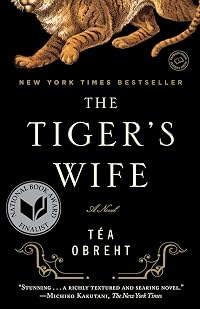
The Tiger's Wife
by Téa Obreht
On This Page
Description
Remembering childhood stories her grandfather once told her, young physician Natalia becomes convinced that he spent his last days searching for "the deathless man," a vagabond who claimed to be immortal. As Natalia struggles to understand why her grandfather, a deeply rational man would go on such a farfetched journey, she stumbles across a clue that leads her to the extraordinary story of the tiger's wife.Tags
Recommendations

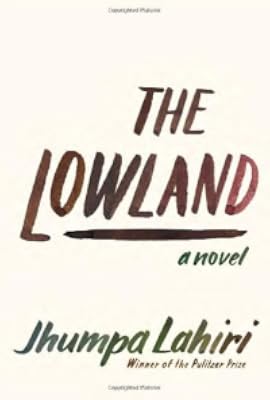

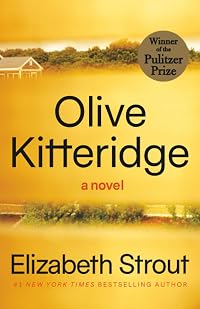
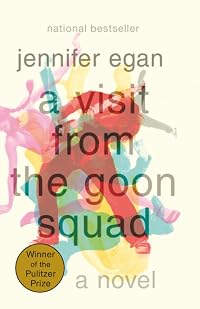
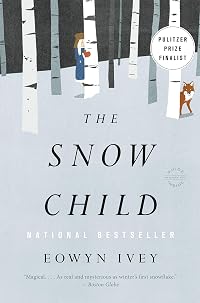
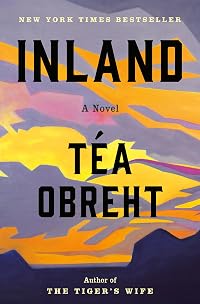
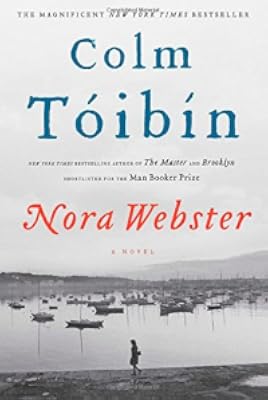
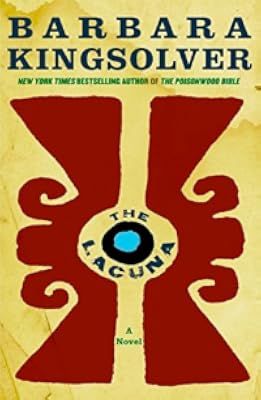
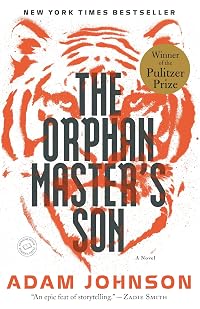
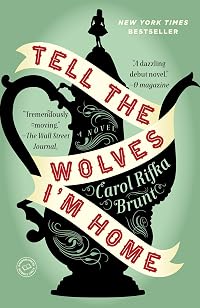
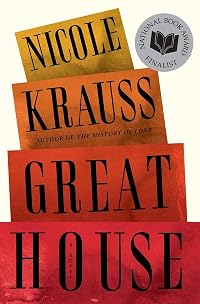
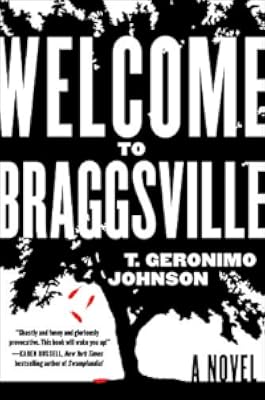

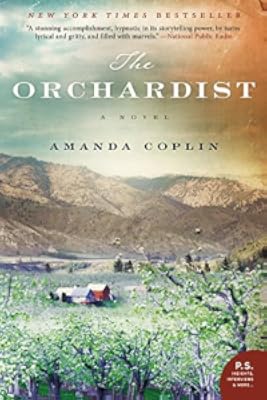
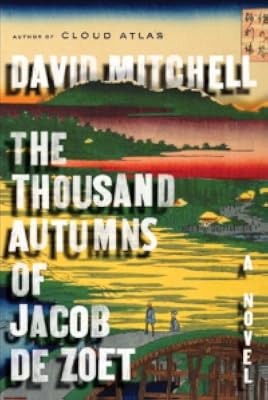
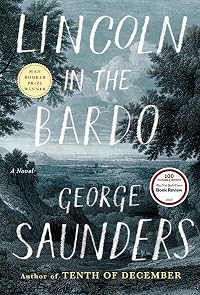
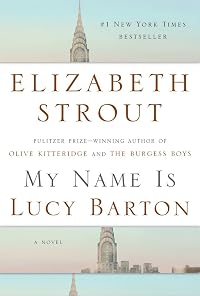
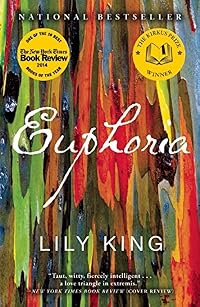
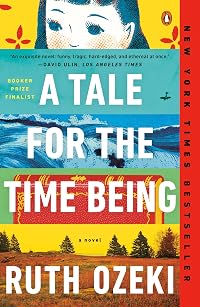
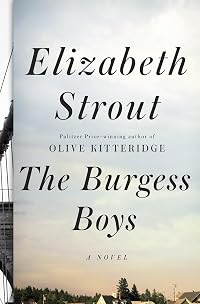
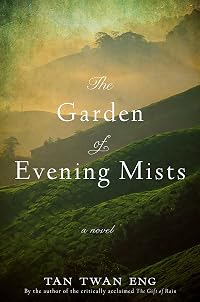

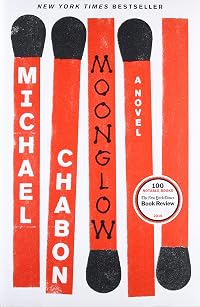
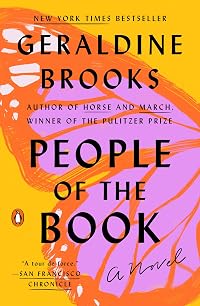
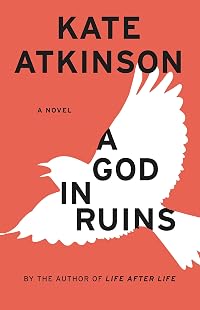
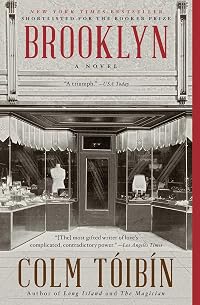
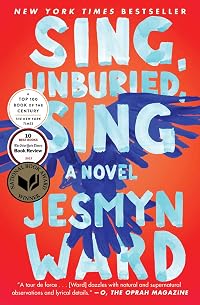


Member Recommendations
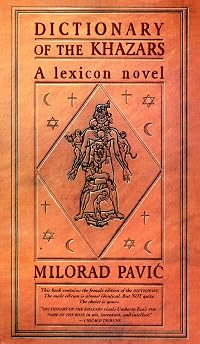
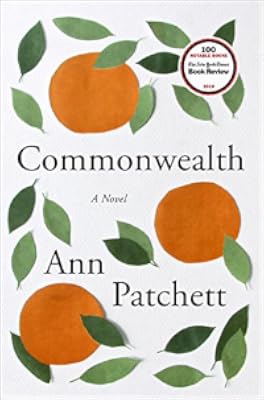
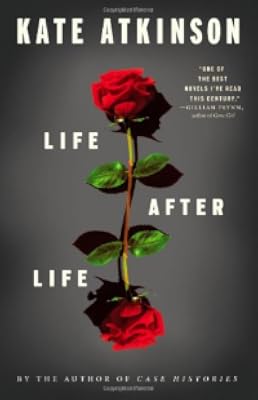
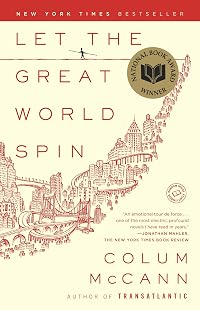
souloftherose Both books contain elements of magical realism and tigers!
123
souloftherose The Jungle Book is the book Natalia's grandfather loves in The Tiger's Wife and features Shere Khan, the tiger.
102
by anonymous user

by anonymous user
Member Reviews
En route to a rural orphanage with plans on inoculating a group of motherless local kids, 28-year-old Natalia gets the sudden, sad news that her grandfather, a well-respected doctor, has passed away. That he died far from home, in a village that appears on no map, raises several questions, in spite of the fact that the old man had been suffering from cancer. Natalia takes it upon herself to investigate the clinic he was last seen in, and collect his affects, while trying to fulfill her medical obligations to the orphans. A clear-eyed realist who came of age during the bloody dissolution of the former Yugoslavia, she is nonetheless enchanted by a story from her grandfather’s childhood, which is interwoven with the modern-day narrative. show more During World War II, his tiny hometown was menaced by a semi-tame tiger who had escaped from a zoo. According to legend, the animal was befriended by the butcher’s wife, a young deaf-mute who fed him meat. After her abusive husband disappears, the superstitious villagers suspect that the beast himself is the father of her unborn child, complicating life for the tiger as well as the girl, who happens to be Muslim. They send a famed hunter after the tiger, who, like the butcher, assumes an uncertain fate. In a timeless parallel, the modern-day villagers that Natalia is trying to help have a mystical tale of their own, and she is enlisted to help them find closure in a most unusual way. show less
Last month I reviewed the Best Short Stories of 2011 edited by Richard Russo. One of the stories I mentioned, “The Laugh” by Téa Obreht, reminded me I had a copy of her first novel, The Tiger’s Wife. It lay near the bottom of my TBR pile, but I decided to promote it. This turned out to be a most fortuitous decision.
Natalia is a young doctor, and she has a close relationship with her grandfather – also a well-known and respected doctor. The story is set in the Balkans at the end of the recent war. Natalia has set out to inoculate children in a remote orphanage with her best friend Zora. Interspersed among the narrative are flash backs to instances Natalia spent with her grandfather as a child. As the story opens, she learns her show more grandfather has died at a remote clinic, to the horror and amazement of his family, none of whom knew he was sick – except Natalia.
I could not help sensing touches of Salman Rushdie or Nobel Prize winner, Orhan Pamuk in this novel. Like these two world-renowned authors, Obreht’s prose mesmerizes. She describes one late-night adventure as a child with her grandfather:
“We were nearing the end of our street where it opened out onto the Boulevard, and I assumed the silence of our walk would be shattered by the bustle along the tramway. But when we got there, nothing, not even a single passing car. All the way from one end of the Boulevard to the other, every window was dark, and a hazy yellow moon was climbing along the curve of the old basilica on the hill. As it rose, it seemed to be gathering the silence up around it like a net. Not a sound: no police sirens, no rats in the dumpsters that lined the street. Not even my grandfather’s shoes as he stopped, looked up and down the street, and then turned left to follow the Boulevard east across the Square of the Kojanik.
“’It’s not far now,’ he said, and I caught up with him long enough to see the side of his face. He was smiling.
“’Not far to where?’ I said, out of breath, angry. ‘Where are you taking me?’ I drew myself up and stopped. ‘I’m not going any further until you tell me what the hell this is.’
“He turned to look at me, indignant. ‘Lower your voice, you fool, before you set something off,’ he hissed. ‘Can’t you feel it?’ Suddenly his arms went over his head in a wide arc. ‘Isn’t it lovely? No one in the world awake but us.’ And off he went again. I stood still for a few moments, watching him go, a tall, thin, noiseless shadow. Then the realization of it rushed over me: he didn’t need me with him, he wanted me there” (52-53).
Natalia and her grandfather spent many hours together doing simple things. Visiting the zoo became an almost daily excursion. While there, the two would sit opposite the tiger’s cage, and he would read to her from Rudyard Kipling’s The Jungle Book. These visits, the book, and other stories run like threads in a skillfully woven tapestry. It explains her grandfather and it prepares her for her own life.
Obreht weaves a tale of science and superstition experienced by her grandfather and relayed in stories to Natalia. Then Natalia becomes faced with similar obstacles in her practice. She comes to a realization about her grandfather and her own life. A must read for anyone interested in literary fiction. 5 stars
--Jim, 6/3/12 show less
Natalia is a young doctor, and she has a close relationship with her grandfather – also a well-known and respected doctor. The story is set in the Balkans at the end of the recent war. Natalia has set out to inoculate children in a remote orphanage with her best friend Zora. Interspersed among the narrative are flash backs to instances Natalia spent with her grandfather as a child. As the story opens, she learns her show more grandfather has died at a remote clinic, to the horror and amazement of his family, none of whom knew he was sick – except Natalia.
I could not help sensing touches of Salman Rushdie or Nobel Prize winner, Orhan Pamuk in this novel. Like these two world-renowned authors, Obreht’s prose mesmerizes. She describes one late-night adventure as a child with her grandfather:
“We were nearing the end of our street where it opened out onto the Boulevard, and I assumed the silence of our walk would be shattered by the bustle along the tramway. But when we got there, nothing, not even a single passing car. All the way from one end of the Boulevard to the other, every window was dark, and a hazy yellow moon was climbing along the curve of the old basilica on the hill. As it rose, it seemed to be gathering the silence up around it like a net. Not a sound: no police sirens, no rats in the dumpsters that lined the street. Not even my grandfather’s shoes as he stopped, looked up and down the street, and then turned left to follow the Boulevard east across the Square of the Kojanik.
“’It’s not far now,’ he said, and I caught up with him long enough to see the side of his face. He was smiling.
“’Not far to where?’ I said, out of breath, angry. ‘Where are you taking me?’ I drew myself up and stopped. ‘I’m not going any further until you tell me what the hell this is.’
“He turned to look at me, indignant. ‘Lower your voice, you fool, before you set something off,’ he hissed. ‘Can’t you feel it?’ Suddenly his arms went over his head in a wide arc. ‘Isn’t it lovely? No one in the world awake but us.’ And off he went again. I stood still for a few moments, watching him go, a tall, thin, noiseless shadow. Then the realization of it rushed over me: he didn’t need me with him, he wanted me there” (52-53).
Natalia and her grandfather spent many hours together doing simple things. Visiting the zoo became an almost daily excursion. While there, the two would sit opposite the tiger’s cage, and he would read to her from Rudyard Kipling’s The Jungle Book. These visits, the book, and other stories run like threads in a skillfully woven tapestry. It explains her grandfather and it prepares her for her own life.
Obreht weaves a tale of science and superstition experienced by her grandfather and relayed in stories to Natalia. Then Natalia becomes faced with similar obstacles in her practice. She comes to a realization about her grandfather and her own life. A must read for anyone interested in literary fiction. 5 stars
--Jim, 6/3/12 show less
I really loved this book, much more than I thought I would. It is set in the Balkans, and the protagonist Natalia, a young doctor, is coming to terms with the death of her grandfather in the aftermath of the war. He seems to have had a large influence on her life - not only was he a doctor but he took her to see tigers (which he loved) and told her folk stories.
The folk stories, and especially the malicious gossip masquerading as myth, mix beautifully with the difficult reality of living through the Balkan conflict. I loved how the ethnic disputes of the region are more alluded to than laboured: the book is far more concerned with the fate of the zoo animals than that of the country as a whole, which gives a feeling of innocent show more immediacy. There are some big themes here, mainly to do with death and what happens when you die, where again the fantastical grates awkwardly with the mundane duties of the doctors. But mainly this is a satisfying and suspenseful story, well told, with lovely prose and details. A worthy winner of the Orange Prize. show less
The folk stories, and especially the malicious gossip masquerading as myth, mix beautifully with the difficult reality of living through the Balkan conflict. I loved how the ethnic disputes of the region are more alluded to than laboured: the book is far more concerned with the fate of the zoo animals than that of the country as a whole, which gives a feeling of innocent show more immediacy. There are some big themes here, mainly to do with death and what happens when you die, where again the fantastical grates awkwardly with the mundane duties of the doctors. But mainly this is a satisfying and suspenseful story, well told, with lovely prose and details. A worthy winner of the Orange Prize. show less
This was a beautifully written tale of a family in the Balkans before, during and after the war, incorporating several threads with the myths of the area and the harsh realism. Having just returned from a trip to the Middle East, one quote struck me deeply: "But now, in the country's last hour, it was clear to him, as it was to me, that the cease-fire had provided the delusion of normalcy but never peace. When your fight has purpose - to free you from something, to interfere on the behalf of an innocent - it has a hope of finality. When the fight is about unraveling - when it is about your name, the places to which your blood is anchored, the attachment of your name to some landmark or event - there is nothing but hate, and the long, show more slow progression of people who feed on it and are fed it, meticulously by the ones who come before them. Then the fight is endless, and comes in waves and waves, but always retains its capacity to surprise those who hope against it." A spellbinding first novel by a writer to watch. show less
This is an old-fashioned sort of tale, the kind where the most important lessons are wrapped deep in layers of metaphor crafted from the stuff of life and myth, logic and superstition, love and betrayal, hope and hopelessness, triumph and tragedy.
In plainest terms, it's the story of a family endeavoring to survive - physically and emotionally - the turmoil of a succession of endless, pointless, brutal civil wars continuously roiling their unnamed Balkan homeland - a conflict whose futility is heartbreakingly captured in this passage from the novel: "When your fight has purpose - to free you from something, to interfere on the behalf of an innocent - it has a hope of finality. When the fight is about unraveling - when it is about your show more name, the places to which your blood is anchored, the attachment of your name to some landmark or event - there is nothing but hate, and the long, slow progression of people who feed on it and are fed it, meticulously, by the ones who come before them."
The tale of Natalia endeavoring to understand the circumstances of her beloved gandfather's death works as a frame around which to explore the usual themes of grief, acceptance, and closure. But like all the best tales, the most important themes of this story are wrapped up deep, rich, often disturbing metaphor.
The first legend with which the story involves itself - a legend as timeless as storytelling itself - is the tale of an ongoing conversation between the aforementioned grandfather and "the deathless man" (Death). The theme that emerges from these scenes seems to be "the greatest fear is that of uncertainty" - specifically, that to die quickly and unexpectedly is preferable to a lingering death that extends the suffering. Whether you agree or not, it's easy to understand why characters that have lived their lives with the constant uncertainty of war would embrace this notion.
The second metaphor is a myth about a woman, her disappointed and abusive husband, and a viscous tiger. The themes that this tale gradually unfolded tale explores - and specifically the role that superstition, fear, and mistrust play in nurturing brutality and betrayal - is, as before, somewhat callous but also entirely authentic within the context of a country where, within a single lifetime, shifting borders transform neighbors into enemies one day, and then back into neighbors the next.
War is like a tiger, the author would have us understand: though it may sometimes present itself as benign, it is a tragic mistake to forget that its fundamental nature is viscous and disinterested. Similarly, betrayal may be spawned by ignorance, shame, or frustration rather than deliberate evil, but that doesn't make the act of betrayal any less horrific.
While I never did manage to connect with either of the story's ostensible main characters - Natalia or her grandfather - I'm not sure that this represents much of a loss. It's the fickle, pitiless circumstances that the characters find themselves in that breaks your heart here, rather than any specific character. The one scene that will linger for me: Death and the grandfather enjoying a final, glorious supper at graceful old hotel about to be bombed into rubble. Their dinner is being served by a man who is now supposed to be their enemy but who only very recently was a respectable member of the same community. While I'll probably forget all about Natalia and the grandfather in a matter of months, I suspect the senselessness, the absurdity, the nobility, and random horror created by this scene will remain with me for years to come. show less
In plainest terms, it's the story of a family endeavoring to survive - physically and emotionally - the turmoil of a succession of endless, pointless, brutal civil wars continuously roiling their unnamed Balkan homeland - a conflict whose futility is heartbreakingly captured in this passage from the novel: "When your fight has purpose - to free you from something, to interfere on the behalf of an innocent - it has a hope of finality. When the fight is about unraveling - when it is about your show more name, the places to which your blood is anchored, the attachment of your name to some landmark or event - there is nothing but hate, and the long, slow progression of people who feed on it and are fed it, meticulously, by the ones who come before them."
The tale of Natalia endeavoring to understand the circumstances of her beloved gandfather's death works as a frame around which to explore the usual themes of grief, acceptance, and closure. But like all the best tales, the most important themes of this story are wrapped up deep, rich, often disturbing metaphor.
The first legend with which the story involves itself - a legend as timeless as storytelling itself - is the tale of an ongoing conversation between the aforementioned grandfather and "the deathless man" (Death). The theme that emerges from these scenes seems to be "the greatest fear is that of uncertainty" - specifically, that to die quickly and unexpectedly is preferable to a lingering death that extends the suffering. Whether you agree or not, it's easy to understand why characters that have lived their lives with the constant uncertainty of war would embrace this notion.
The second metaphor is a myth about a woman, her disappointed and abusive husband, and a viscous tiger. The themes that this tale gradually unfolded tale explores - and specifically the role that superstition, fear, and mistrust play in nurturing brutality and betrayal - is, as before, somewhat callous but also entirely authentic within the context of a country where, within a single lifetime, shifting borders transform neighbors into enemies one day, and then back into neighbors the next.
War is like a tiger, the author would have us understand: though it may sometimes present itself as benign, it is a tragic mistake to forget that its fundamental nature is viscous and disinterested. Similarly, betrayal may be spawned by ignorance, shame, or frustration rather than deliberate evil, but that doesn't make the act of betrayal any less horrific.
While I never did manage to connect with either of the story's ostensible main characters - Natalia or her grandfather - I'm not sure that this represents much of a loss. It's the fickle, pitiless circumstances that the characters find themselves in that breaks your heart here, rather than any specific character. The one scene that will linger for me: Death and the grandfather enjoying a final, glorious supper at graceful old hotel about to be bombed into rubble. Their dinner is being served by a man who is now supposed to be their enemy but who only very recently was a respectable member of the same community. While I'll probably forget all about Natalia and the grandfather in a matter of months, I suspect the senselessness, the absurdity, the nobility, and random horror created by this scene will remain with me for years to come. show less
Natalia Stefanovi, a young doctor living in a contemporary unnamed Balkan country, is preparing, along with her best friend, for a goodwill mission across a border which has not always been a border. Right before they leave, however, she receives the news that her beloved grandfather has died. No one else but she knew that he was ill, so the death itself does not surprise her. What is a shock, however, is that he died in a small town on the other side of the border, having told Natalia’s grandmother that he was on his way to visit Natalia. But Natalia knows nothing of this. Having arrived in the town where she will be vaccinating war orphans, Natalia finds herself distracted from her work by memories of her grandfather and the show more puzzling question of just what he was doing so far from home. Her thoughts circle around and around, always coming back to two stories her grandfather always told her when she was a child…the story of Gavran Gaile, the deathless man who collected the souls of the dying, and the deaf-mute woman known as the tiger’s wife.
The story circles through time, visiting Natalia’s childhood, her grandfather’s childhood, and times even earlier than that, building a portrait of a country divided by ethnicity, religion, and superstition as much as by politics and bloodshed. The seeming fairy tales of the deathless man and the tiger’s wife hold surprising kernels of truth and reality. Vibrant, lyrical, and compelling. show less
The story circles through time, visiting Natalia’s childhood, her grandfather’s childhood, and times even earlier than that, building a portrait of a country divided by ethnicity, religion, and superstition as much as by politics and bloodshed. The seeming fairy tales of the deathless man and the tiger’s wife hold surprising kernels of truth and reality. Vibrant, lyrical, and compelling. show less
 This review was written for LibraryThing Early Reviewers.
When your fight has purpose--to free you from something, to interfere on behalf of an innocent--it has a hope of finality. When the fight is about unraveling--when it is about your name, the places to which your blood is anchored, the attachment of your name to some landmark or event--there is nothing but hate, and the long, slow progression of people who feed on it and are fed it, meticulously, by the ones who come before them. Then the fight is endless, and comes in waves and waves, but always retains its capacity to surprise those who hope against it.
This is a novel about the conflicts in the Balkans, but told obliquely, both as the story of a young doctor who goes to provide medical aid to orphans in a village now located in a show more different country now that the war is over, and in stories about her grandfather's life, also a doctor working in a war-weary land, but also of his childhood. These stories have a fairy tale feel to them, where what is real and what is tradition or folklore is uncertain.
Obreht's writing is very, very good and she weaves the various elements of her story together beautifully. This novel was a big deal when it was first published and maybe I should have given in to the hype and read it earlier, but I am glad I finally pulled it off the shelf. show less
This is a novel about the conflicts in the Balkans, but told obliquely, both as the story of a young doctor who goes to provide medical aid to orphans in a village now located in a show more different country now that the war is over, and in stories about her grandfather's life, also a doctor working in a war-weary land, but also of his childhood. These stories have a fairy tale feel to them, where what is real and what is tradition or folklore is uncertain.
Obreht's writing is very, very good and she weaves the various elements of her story together beautifully. This novel was a big deal when it was first published and maybe I should have given in to the hype and read it earlier, but I am glad I finally pulled it off the shelf. show less
Members
- Recently Added By
Lists

Best of World Literature
435 works; 52 members

Best 21st Century Books (So Far)
670 works; 85 members

Best Contemporary Literary Fiction (Around the Last 30 Years)
388 works; 124 members

Magic Realism
371 works; 52 members

Female Author
1,234 works; 67 members

Women's Prize for Fiction
29 works; 5 members
Best winner of the Orange Broadband Prize for Fiction
13 works; 6 members

National Book Award Finalists - Fiction
377 works; 12 members

magic realism novels
44 works; 11 members

2008-2012 Notable Books for Adults
127 works; 10 members

Top Five Books of 2015
811 works; 241 members

Indie Next Picks
196 works; 4 members

Nieuwe Aanwinsten
2 works; 1 member

Books Read in 2017
4,249 works; 130 members
Animals in the Title
498 works; 11 members

Carole's List
445 works; 13 members

Speculative Fiction from around the World
610 works; 18 members

SHOULD Read Books!
354 works; 9 members
Overdue Podcast
806 works; 9 members

Books To Get From The Library
115 works; 5 members
First Novels
373 works; 17 members

Myth (Reuse and Retelling)
188 works; 24 members

Books about the Balkans
19 works; 2 members

.
184 works; 1 member
Best Books of the 2010s
20 works; 1 member

LitHub's Best Novels of the Decade 2010-2019
39 works; 1 member
BingoDOG - Genre Benders
74 works; 14 members

World Books
51 works; 4 members

Translingualism
191 works; 4 members

Biggest Disappointments
606 works; 163 members

To Read
617 works; 7 members

Books With Family Relationships in the Title
44 works; 4 members
Talk Discussions
Past Discussions
The Tiger's Wife by Téa Obreht in Orange January/July (October 2013)
Author Information

6+ Works 7,302 Members
Téa Obreht was born in Belgrade in the former Yugoslavia in 1985. She immigrated with her family to the United States in 1997. Her writing has been published in The New Yorker, The Atlantic, Harper's, The New York Times, and The Guardian as well as being anthologized in The Best American Short Stories and The Best American Non-Required Reading. show more Her first novel, The Tiger's Wife, was published in 2011 and won the 2011 Orange Prize for Fiction. (Bowker Author Biography) show less
Some Editions
Awards and Honors
Awards
Distinctions
Series
Belongs to Publisher Series
Work Relationships
Has as a student's study guide
Common Knowledge
- Canonical title
- The Tiger's Wife
- Original title
- The Tiger's Wife
- Original publication date
- 2011
- People/Characters
- Natalia Stefanović
- Important places
- Brejevina; Belgrade, Serbia; Galina; Balkans
- Important events
- Yugoslav Wars (1991-1995)
- Dedication
- For Štefan Obreht
- First words
- In my earliest memory, my grandfather is bald as a stone and he takes me to see the tigers.
- Last words
- (Click to show. Warning: May contain spoilers.)The sound is lonely, and low, and no one hears it anymore.
- Blurbers
- McCann, Colum; Boyle, T.C.; Patchett, Ann
- Original language
- English
Classifications
Statistics
- Members
- 6,018
- Popularity
- 2,123
- Reviews
- 354
- Rating
- (3.53)
- Languages
- 13 — Danish, Dutch, English, Finnish, French, German, Italian, Lithuanian, Norwegian (Bokmål), Portuguese, Spanish, Swedish, Turkish
- Media
- Paper, Audiobook, Ebook
- ISBNs
- 49
- ASINs
- 21
