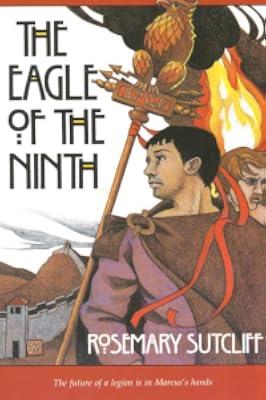
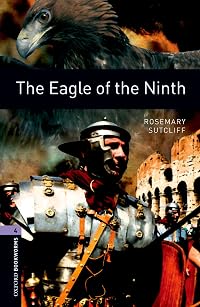
The Eagle of the Ninth
by Rosemary Sutcliff
Eagle of the Ninth Trilogy (1), Dolphin Ring Cycle - Chronological order (1), Dolphin Ring Cycle - Publication order (1)
There is 1 current discussion about this work.
On This Page
Description
A young centurion ventures among the hostile tribes beyond the Roman Wall to recover the eagle standard of the Ninth, a legion which mysteriously disappeared under his father's command.Tags
Recommendations



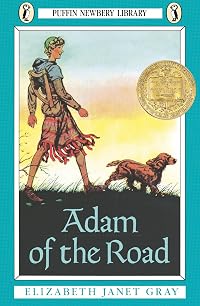
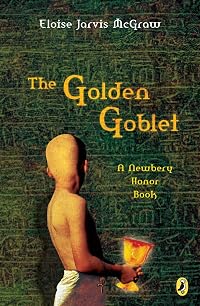


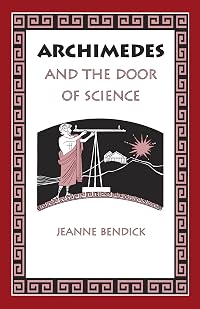
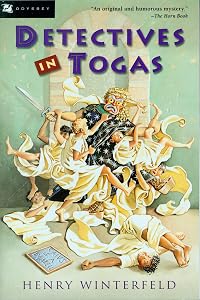





Member Recommendations

Member Reviews
Roman centurion Marcus Flavius Aquila has his first command, and, at his request, it’s in Roman Britain. Marcus’s father was part of the lost Ninth Legion, which disappeared after marching north beyond Hadrian’s wall. Not long after Marcus takes command, his men must defend the fort against a British uprising. Marcus’s uncle has retired in Britain, and Marcus goes there to heal from the battle wound that has left him lame for life. Just as Marcus begins to contemplate his future, he gets the opportunity to head into the north country to see if he can find out what happened to the lost legion and recover their eagle.
This story seems like capture the flag on steroids. Finding the missing eagle is only half the battle. If Marcus is show more successful in locating it, he’ll still need to get it back to the safety of Roman occupied territory. The desperate flight south through Scotland had me thinking of Richard Hannay’s flight across the same landscape almost two millennia later. It’s an exhilarating read! show less
This story seems like capture the flag on steroids. Finding the missing eagle is only half the battle. If Marcus is show more successful in locating it, he’ll still need to get it back to the safety of Roman occupied territory. The desperate flight south through Scotland had me thinking of Richard Hannay’s flight across the same landscape almost two millennia later. It’s an exhilarating read! show less
One of my son (9 years old at the time of reading) is passionate about history, and so I decided to read this with him; not only to satisfy his thirst for action-packed historical adventure books, but, also, as an opportunity for him to learn a bit about Roman Britain. Plus, I had never read it before myself, so it would have been a good opportunity to remediate to my own ignorance when it comes to such a classic author as Rosemary Sutcliff! After all, I had only seen the movie adaptation by Kevin Macdonald (with Channing Tatum and Jamie Bell) so it couldn't be that bad, could it? Well...
The movie was straightforward. The book is not. In other words: if this is supposed to be targeted to a young audience, then the movie is way better show more and more suitable than Rosemary Sutcliff's original story. Indeed, there are many issues here.
First, the author displays her knowledge of Roman Britain at every opportunity, turning this into a showy lecture burdened with too much historical details. The structure of the Roman army, Latin names needlessly peppered all over, anthropological descriptions of the tribes encountered, the characters' different religious beliefs and the rituals specific to each etc. This, surely, is to her credit somehow -she doesn't look down upon her young readers, and think of them clever enough to understand and learn such information. The thing is, this is supposed to be a fiction book above all, and, so, be entertaining; not a crash course on Roman history where such details are crammed just because 'it was part of the era', and without furthering the plot in any way. In other words, a writer's sin has here been committed over and over: if a passage doesn't move the story forward, then it should be cut. There are many such passages here, and their unnecessary presence make this read longer than it should be.
The length, then, is another issue. It's too long. It's also quite dull. Because Rosemary Sutcliff is heavy handed on historical descriptions, her style doesn't fit the theme -an action packed adventure, where an ex-Roman soldier and his previous slave will put themselves in danger across the Hadrian's Wall so as to rescue the standard of a lost Legion. It should be fast paced, punchy, short and to the point like a fight or an army marching onto battle. It's not. Her sentences are too long, too detailed, too descriptive, too flowery even, and, so, slow down the whole read, turning it into a bore. The chase in the end escape such pitfall, but it's pretty much about it. Here's a book whose incipit, after all, takes half of a page to describe... a road! *Yawn*
Some readers, disappointed as I was, also found the characters too shallow. It's true (particularly for Esca, which I found more like an empty side-kick than a character developing on his own, despite being one of the main hero...) but this didn't bother me much. What I found more damaging to how the plot was articulated are the presence of useless scenes and characters. There is a whole chapter dedicated to a chariot race between Marcus and a Briton; about two chapters dedicated to capturing and domesticating a wolf; and, a woman, Cottia, is introduced as if to hint at a romance to be between her and Marcus, while the romance is never fully attended to. Again, this reflects a serious editing issue -characters values can be inferred by other chapters which are useful to the plot without the need of the ones listed above, and, I don't see the point of bringing love in if it isn't built upon properly but just quickly relegated in the end.
Too much useless historical details, long descriptions unfit for such a theme, lengthy to the point of being dull, and, burdened by unnecessary chapters and characters not moving the story forward, The Eagle of the Ninth was very disappointing. My son found it boring, and so did I. Had it been as straightforward as the movie adaptation (by Kevin Macdonald) it would have been very good. As it is, it was quite tedious to go through. show less
The movie was straightforward. The book is not. In other words: if this is supposed to be targeted to a young audience, then the movie is way better show more and more suitable than Rosemary Sutcliff's original story. Indeed, there are many issues here.
First, the author displays her knowledge of Roman Britain at every opportunity, turning this into a showy lecture burdened with too much historical details. The structure of the Roman army, Latin names needlessly peppered all over, anthropological descriptions of the tribes encountered, the characters' different religious beliefs and the rituals specific to each etc. This, surely, is to her credit somehow -she doesn't look down upon her young readers, and think of them clever enough to understand and learn such information. The thing is, this is supposed to be a fiction book above all, and, so, be entertaining; not a crash course on Roman history where such details are crammed just because 'it was part of the era', and without furthering the plot in any way. In other words, a writer's sin has here been committed over and over: if a passage doesn't move the story forward, then it should be cut. There are many such passages here, and their unnecessary presence make this read longer than it should be.
The length, then, is another issue. It's too long. It's also quite dull. Because Rosemary Sutcliff is heavy handed on historical descriptions, her style doesn't fit the theme -an action packed adventure, where an ex-Roman soldier and his previous slave will put themselves in danger across the Hadrian's Wall so as to rescue the standard of a lost Legion. It should be fast paced, punchy, short and to the point like a fight or an army marching onto battle. It's not. Her sentences are too long, too detailed, too descriptive, too flowery even, and, so, slow down the whole read, turning it into a bore. The chase in the end escape such pitfall, but it's pretty much about it. Here's a book whose incipit, after all, takes half of a page to describe... a road! *Yawn*
Some readers, disappointed as I was, also found the characters too shallow. It's true (particularly for Esca, which I found more like an empty side-kick than a character developing on his own, despite being one of the main hero...) but this didn't bother me much. What I found more damaging to how the plot was articulated are the presence of useless scenes and characters. There is a whole chapter dedicated to a chariot race between Marcus and a Briton; about two chapters dedicated to capturing and domesticating a wolf; and, a woman, Cottia, is introduced as if to hint at a romance to be between her and Marcus, while the romance is never fully attended to. Again, this reflects a serious editing issue -characters values can be inferred by other chapters which are useful to the plot without the need of the ones listed above, and, I don't see the point of bringing love in if it isn't built upon properly but just quickly relegated in the end.
Too much useless historical details, long descriptions unfit for such a theme, lengthy to the point of being dull, and, burdened by unnecessary chapters and characters not moving the story forward, The Eagle of the Ninth was very disappointing. My son found it boring, and so did I. Had it been as straightforward as the movie adaptation (by Kevin Macdonald) it would have been very good. As it is, it was quite tedious to go through. show less
I thought I'd read this, but no. I've certainly read a few of Sutcliffe's books, and I know I picked this up often enough in bookshops and libraries to look at and I certainly saw bits of the BBC adaptation, so I was familiar with the basic plot. A young man sets out to recover the Eagle of his father's old legion, which marched north beyond Hadrian's Wall years before and was never seen or heard from again. It's one of the great adventure story plots that taps right in to a young imagination and excites the primal yearning for a meaningful quest, a loyal friend and companion, a mystery whose solution lies in wild misty lands and a family honour to restore. But I never read it!
I think I just didn't get on with the setting, and show more Sutcliffe's fidelity to the social mores and culture of the Romans and the tribes of Britain confused and alienated me, not being terribly familiar with the period or the setting. I loved her High Deeds Of Finn McCool, though, and her Roman Britain novels always exerted a fascination over me, so I'm delighted to finally read this one, and definitely not disappointed.
So, yes, it is one of the great classic adventures of children's fiction and deserves to be remembered as such. Young Centurion Marcus Flavius Aquila arrives in Britain at the head of a cohort of Gaulish auxiliaries and takes command of the fort of Isca Dumnoniorum. Raw and inexperienced, he has soldiering in his blood, but is haunted by the memory of his father, who vanished along with the rest of the Ninth Legion when they marched north and was never heard from again. Marcus' dreams of a military career are cruelly dashed when he is injured in battle and invalided out of the army. Recovering in his uncle's villa, he impulsively acquires a slave, a defeated gladiator in whom he recognises a kindred spirit. As Marcus heals, the bond between the two men grows until, unexpectedly, an opportunity arises to go and recover the lost eagle of the Ninth Legion and redeem his father's memory.
From the civilised south, where Roman rule is strong and the roads are straight to the wild reaches of the north where the tribes worship gods of their own and follow their own laws, Marcus and Esca's epic journey is vivid, haunting, moving and exciting. It's a boy's tale, with only one semi-major female character, and is full of the lads and their exploits and their friendship and the bond of respect between them that transcends their respective cultures and their master/slave status. That's not to say that it's a book to be read only by boys or, indeed, only by the young. It's a great book and I'm glad I finally got around to it. show less
I think I just didn't get on with the setting, and show more Sutcliffe's fidelity to the social mores and culture of the Romans and the tribes of Britain confused and alienated me, not being terribly familiar with the period or the setting. I loved her High Deeds Of Finn McCool, though, and her Roman Britain novels always exerted a fascination over me, so I'm delighted to finally read this one, and definitely not disappointed.
So, yes, it is one of the great classic adventures of children's fiction and deserves to be remembered as such. Young Centurion Marcus Flavius Aquila arrives in Britain at the head of a cohort of Gaulish auxiliaries and takes command of the fort of Isca Dumnoniorum. Raw and inexperienced, he has soldiering in his blood, but is haunted by the memory of his father, who vanished along with the rest of the Ninth Legion when they marched north and was never heard from again. Marcus' dreams of a military career are cruelly dashed when he is injured in battle and invalided out of the army. Recovering in his uncle's villa, he impulsively acquires a slave, a defeated gladiator in whom he recognises a kindred spirit. As Marcus heals, the bond between the two men grows until, unexpectedly, an opportunity arises to go and recover the lost eagle of the Ninth Legion and redeem his father's memory.
From the civilised south, where Roman rule is strong and the roads are straight to the wild reaches of the north where the tribes worship gods of their own and follow their own laws, Marcus and Esca's epic journey is vivid, haunting, moving and exciting. It's a boy's tale, with only one semi-major female character, and is full of the lads and their exploits and their friendship and the bond of respect between them that transcends their respective cultures and their master/slave status. That's not to say that it's a book to be read only by boys or, indeed, only by the young. It's a great book and I'm glad I finally got around to it. show less
An immensely engaging work of historical fiction, Rosemary Sutcliff's The Eagle of the Ninth, first published in 1954, sets out to answer two unresolved questions from history: what happened to the lost Ninth Legion, stationed at Eburacum (modern-day York) in the early second century, a legion which disappeared without a trace after it marched north into Caledonia?; and how did a wingless Roman Eagle, the standard of a legion, come to be buried in a field outside of Silchester?
The story of Marcus Flavius Aquila - significantly named, as "aquila" means eagle in Latin, and was the word for the eagle standard itself - a young centurion wounded in the course of his first British command, who goes to stay with his Uncle Aquila in Calleva show more (Silchester), acquires a slave, and then a friend, in the form of the Brigante tribesman and hunter Esca Mac Cunoval, and embarks on a seemingly impossible quest to retrieve the eagle standard of the Hispana - his father's lost legion - this book is immediately involving, and consistently engrossing. The characters truly come alive, fascinatingly complex and completely believable, and the story seems - as much as I am able to judge - historically accurate.
I found Sutcliff's narrative as moving as it was entertaining, and appreciated the way in which she depicted the complex issues of identity and loyalty in the multicultural world of the Roman Empire. Etrurians, Egyptians and native Britons all interact in this story, which never vilifies any side, but makes the reader understand each perspective. I was most in sympathy with the Caledonians, of course, but I liked all the characters, and was content with the conclusion. My first work of historical fiction from Rosemary Sutcliff, The Eagle of the Ninth will most assuredly not be my last! show less
The story of Marcus Flavius Aquila - significantly named, as "aquila" means eagle in Latin, and was the word for the eagle standard itself - a young centurion wounded in the course of his first British command, who goes to stay with his Uncle Aquila in Calleva show more (Silchester), acquires a slave, and then a friend, in the form of the Brigante tribesman and hunter Esca Mac Cunoval, and embarks on a seemingly impossible quest to retrieve the eagle standard of the Hispana - his father's lost legion - this book is immediately involving, and consistently engrossing. The characters truly come alive, fascinatingly complex and completely believable, and the story seems - as much as I am able to judge - historically accurate.
I found Sutcliff's narrative as moving as it was entertaining, and appreciated the way in which she depicted the complex issues of identity and loyalty in the multicultural world of the Roman Empire. Etrurians, Egyptians and native Britons all interact in this story, which never vilifies any side, but makes the reader understand each perspective. I was most in sympathy with the Caledonians, of course, but I liked all the characters, and was content with the conclusion. My first work of historical fiction from Rosemary Sutcliff, The Eagle of the Ninth will most assuredly not be my last! show less
"Ugh?" said Optio, and blinked.
^ now that's a line that's been living rent free in my head since... whenever I first read this book, I actually can't remember lol I must've been 12 or younger bc my copy bears the orange sticker of Sonlight books on it but I'm feeling silly (AKA first couple days of classes) and felt the sudden urge to read the Dolphin Ring cycle
this is a fantastic book. I love Sutcliff's writing SO much; I don't know what to compare it to but it's something I am deeply fascinated by, the ability to sketch character and landscape quickly and efficiently and beautifully. Marcus and Esca's relationship, Marcus and Cottia, Marcus and Cub, Marcus and Uncle Aquila
You are the builders of coursed stone walls, the makers of show more straight roads and ordered justice and disciplined troops. We know that, we know it all too well. We know that your justice is more sure than ours, and when we rise against you, we see our hosts break against the discipline of your troops, as the sea breaks against a rock. And we do not understand, because all these things are of the ordered pattern, and only the free curves of the shield-boss are real to us. We do not understand. And the time comes that we begin to understand your world, too often we lose the understanding of our own. show less
^ now that's a line that's been living rent free in my head since... whenever I first read this book, I actually can't remember lol I must've been 12 or younger bc my copy bears the orange sticker of Sonlight books on it but I'm feeling silly (AKA first couple days of classes) and felt the sudden urge to read the Dolphin Ring cycle
this is a fantastic book. I love Sutcliff's writing SO much; I don't know what to compare it to but it's something I am deeply fascinated by, the ability to sketch character and landscape quickly and efficiently and beautifully. Marcus and Esca's relationship, Marcus and Cottia, Marcus and Cub, Marcus and Uncle Aquila
You are the builders of coursed stone walls, the makers of show more straight roads and ordered justice and disciplined troops. We know that, we know it all too well. We know that your justice is more sure than ours, and when we rise against you, we see our hosts break against the discipline of your troops, as the sea breaks against a rock. And we do not understand, because all these things are of the ordered pattern, and only the free curves of the shield-boss are real to us. We do not understand. And the time comes that we begin to understand your world, too often we lose the understanding of our own. show less
The Eagle of the Ninth by Rosemary Sutcliff is so much more than the usual riveting adventure story - though it is most definitely that. It's deep in thought and emotion, vibrantly vivid in character and setting, and rich with living history and with truths about life and people. This story of the journey and quest of two young men holds much meaning for me, even more now than it did when I first read and loved it as a young teenager. I couldn't have known then that my future life experience would be, in some ways, oddly similar to that of the main character. Rather than being an overview of the book itself, my review is a chronicle of my ever deeper connection with this story and its characters.
__________
I first came across The Eagle show more of the Ninth by chance the spring I was 15 years old, and once I picked it up, I couldn't stop reading. I fell immediately and irrevocably in love with the book, its characters, its sequels, and the setting of Roman Britain. It was my first experience with the author, and it was one of the most memorable reading experiences I've ever had. I vividly recall sitting on the floor glued to the book, heedless of the homework I was supposed to be doing and only half aware of the fresh breeze blowing through my window. I was drawn in by both the opening battle scenes and the bright, peaceful magic of the friendship scenes in the garden. The characters were more vivid and alive than almost any book I'd read, and I've been endeared to them ever since then. The book was incredibly deep, and it made me think and feel so much even then. I was riveted through the heightened danger of the climax, desperate to find out what happened next. My heart was in my throat, and I genuinely couldn't see how the two main characters would ever survive the showdown - I had to keep reading. Except for one other book, I think it was the most intense novel I'd read at the time. I loved it. I couldn't read the sequel soon enough, and I immediately became a devoted fan of the author and her works.
__________
I read The Eagle of the Ninth for the second time less than two years after the first. As much as I loved the book the first time, I experienced a far deeper connection with it during my re-read, and I deeply identified with the main character in an unexpected way I couldn't have anticipated or shared in before.
That second read came at age 17, just after the onset of a life-altering chronic illness that shattered my big dreams, destroyed my hopes of the future, and left me fighting my way through each day.
To my surprise, since I hadn't thought of the book in that way before, I found in the pages of The Eagle of the Ninth that the young protagonist, Centurion Marcus Flavius Aquila, shared my experience. Marcus's life-altering illness was a severe career-ending wound sustained in battle, not the type of illness I had, but it was comparable and had a strangely similar effect on him as my condition did for me, despite obvious differences. His glowing hopes and dreams for the future, like mine, were dashed to bits. He was bedridden, and, like me, he spent hours forced to lie in bed watching the block of sunlight drift across the walls and listening to the sounds of household life go on beyond them. I had felt and still felt the inner ache Marcus felt lying in that bed, and I recognized it as I read. I felt it again while reading, both for myself and for Marcus, whose plight I keenly felt and empathized with - not just as a reader but as someone who had been through it too, and at very nearly the same age.
Like me, Marcus spent much of his time lying there cut off from the world, isolated, and alone. Like me, he faced the inner battle that accompanied the long days in bed and long nights of lost sleep. Like me, he was deeply, achingly lonely. Like me, he was deeply afraid - afraid for his health and afraid for his future, though he did a good job of hiding it from others. Like me, he held on to his hopes for the future even though they were impossible . . . until the news and reality hit that those hopes could never be restored . . . and, along with that realization, despair as he let his hopes go. Like me, Marcus felt as if his life was effectively over before it had hardly begun - because how could life keep going after what happened? He had been young and strong and had a full, bright, and meaningful life ahead of him - until he wasn't and didn't. Though he survived, he was left bedridden and crippled, seemingly doomed to live out his days that way.
As I watched Marcus lying there in bed, his story seemed strangely parallel in some ways, though of course not all, to my own life as I lay in bed reading this book, and I'm pretty sure I remember that it made me cry to realize it. I had never before read a book about any character, much less a young hero, who spent more time flat on his back in bed than I did!
In addition - though I can't recall whether I knew or remembered it at the time - the author, Rosemary Sutcliff, was an invalid as well, to a vastly greater extent than either me or Marcus, who were only partial and temporary invalids. Sutcliff battled juvenile rheumatoid arthritis from childhood, spent her formative years bed-bound at home or in the hospital, and was wheelchair-bound for the rest of her life. I can't help but imagine that Marcus's experience was born from her own, and it was written as only someone who has lived it can. Reading that part of Marcus's story was comforting for me as well as sad and painful, and I felt a kinship with Marcus and other young people in the real world who have had that experience, including so many who have had it far, far worse than me. I've read very few novels since then about young people who were ill for long periods, and none prior to it, and I'm grateful that Sutcliff wrote this book for other young individuals like me and herself.
This newfound, meaningful connection gave me an extra fondness for the book and its author and main character. I didn't realize then how meaningful it truly was or realize the rest of the similarities between me and Marcus - but I would later on as my future unfolded.
__________
I began reading this beloved book again this month, for the first time in a few years, and as I reconnected with the story and its beloved protagonist once again, I recalled again that special parallel between me and Marcus, even more keenly than I periodically had through the years between now and the last time I read it. And as I did so, I was suddenly hit with the realization that the connection, parallels, and similarities between Marcus, me, and our journeys were far greater than I had previously supposed. And it made me cry to contemplate it. Because his story didn't end with him lying in bed wounded. That was only the beginning, even if it seemed to him like the end of his story and the effective end of his life.
Like me, Marcus lay in bed unable to get up and struggled to find the strength to keep fighting and going on. But like me, he did keep fighting and did go on. His dreams and goals seemed impossible and hopeless, but instead of resigning himself never to pursue them, he kept striving toward them. He could never be a soldier again, but he found other, more important dreams to pursue. Even those dreams seemed impossible - and would've been for a less determined man. But though so many people scorned his goal as unattainable and impossible, he pursued it anyway against all odds.
That's what I'm doing. Life does go on even when it seems too difficult. It gets easier. Like Marcus, I'm healing from that illness. But like his, it hasn't gone away, even though it's greatly improved, and sometimes it gets worse again, as his did. However, both of us have gone on anyway and refused to let it stop us. Marcus was left as a lame man, doomed to walk with a limp and feel pain for the rest of his life. But he walked again and lived a meaningful life despite injury and hardship. And he pursued his "impossible" dreams - which remained despite their revision. The young man who at first couldn't walk and could later walk only with difficulty went on his noble and perilous quest anyway, tramping through the wilderness, lame leg and all, in search of the dream he carried from the start.
And I'm doing the same. I'm crippled in a way, but I haven't halted even though going on is still difficult. Like Marcus, I'm healing in spirit and heart as well as in body. Like him, I'm walking ahead on a long, hard road with many obstacles in the way of my journey. But like Marcus, I'm forging ahead toward my revised dreams anyway, against all odds. And like him, I believe I'll reach my goal, even if it still looks impossible - and should still be. Marcus pursued his dream relentlessly, and it paid off as a direct result of that determined pursuit. He refused to settle for a mediocre life. And although it looked different than he expected in the end, his dream was restored when it should have remained dead. He reached his goal against all odds, when he should logically have failed. And as I follow in his footsteps, figurative limp and all, so will I.
Until I read this book again just now, I had forgotten the unexpected words Marcus says to Esca near the end, if I ever noticed them. They didn't mean to me before what they mean now, and they struck me like they hadn't before, piercing straight to my heart. Just after the two characters return from their journey, Marcus has finally found inner freedom from the inner and outer scars of his crippling wound, even though those scars still remain. Esca is still inwardly living in the shadow of past slavery, and Marcus hurts to see it and urges him to let it go. Marcus tells Esca that neither of them can let their scars define them. They can't live their lives under the shadow of the deep wounds of the past. They must forge on as free men, not living as slaves to the hurts they went through. Those words of truth are for me as much as for Marcus and Esca, and they help me and mean the world to me, as I'm sure they have for many others. Hearing that message from a character I look up to - and through Marcus, his author - helps me as I strive to do just that. Like Marcus, I refuse to let those things define me. Like him, I'm pressing on in freedom and overcoming my own obstacles, striving toward my dreams. Right now, I'm at the place Marcus was in at the beginning of the final chapter of The Eagle of the Ninth. I've gone on to finish with difficulty the next goal ahead of me. And now that I have, I'm once again face to face with the unknown future that's been in the background this whole time. I'm still striving toward my lofty goal, and I believe I'll reach it one day, but as of now, it's still impossible. I'm waiting indefinitely for a breakthrough to make those things possible. And I believe that my breakthrough will come just as Marcus's did.
Someday several years from now, when I reach the goals that are so close to my heart, I will re-read The Eagle of the Ninth again, and identify with Marcus yet more, because I'll be in the place he was in at the very end of the book, when all his most precious dreams come to fruition. I know I'll get there just as he did. And as it was for him, it will be a sweet and joyful day.
__________
The above narrative captures just a small part of why I love The Eagle of the Ninth and what it means to me. It is a phenomenal book in every way, and there are so many reasons why. Here are just a few of many other things I appreciate about this book:
-As with every Sutcliff book, the settings and characters of The Eagle of the Ninth pulse with life and color. Each character is described in just enough detail to bring him or her vividly to life, and each one feels like a real person the reader is acquainted with. The settings are achingly gorgeous - the high, mist-crowned mountain crags, the rushing breeze and golden sunshine on the green of the garden, the shimmering ripples of the highland lochs, the foam-white sprays of blossoms on branches, the deep gold of the lamplight on the walls, and the scarlet and purple sunset shining on the hills. Each place is so immediate and real that I feel as if I can smell, feel, see, and taste each living detail, and the beauty fills my heart to the point of bursting.
-Marcus. He's such a wonderful character, and though I love so many of the others in this book, he's my favorite. Marcus kind, compassionate, caring, sympathetic, and understanding. He is full of character, wisdom, maturity, skill, valiance, and keen instinct, yet he's young and doubts his own abilities – and he's not perfect by any means. He has such strength of character and leadership that his soldiers and his friends would follow him anywhere - and they prove it by doing so. I find it endearing that he becomes stiffly proud and arrogant when he feels vulnerable and uncomfortable - yet is truly humble underneath and in reality. He's a stickler for honor, but he cares far more about the honor of his empire and especially his father than about his own honor. He's not aware of his own humility, and the story is from his perspective, so it's never stated in the narrative; rather, his deep, unassuming humility shows in his words and actions. He is stubborn, determined, and immovable, pursuing his cause and what's right no matter what, refusing to give up no matter the odds. And it pays off when he overcomes the worst odds, going to great lengths for the eagle and refusing to settle for life as an invalid. He is unflinchingly, selflessly, coolly, recklessly, purposefully, and sacrificially brave. Even and especially when he's terrified, he is still strong and courageous, even when it means facing down and enduring death or excruciating pain.
-As for the other characters, I could go on and on about them too, especially Cottia and Esca. But I shall be brief. I love Cottia's queenlike poise and grace and the fierce and fiery spirit that matches her flaming hair and causes Marcus to call her, "You little vixen!" more than once. I love Esca's loyalty to Marcus, his courage that is every bit as great as Marcus's own, his slow, grave smile, his fighting spirit, and the wildness about him that can never be fully tamed. I love Uncle Aquila and the way he cares about and advocates for Marcus and the others while pretending to be grumpy - while all the while his big heart shines through from beneath. I love Cub's refusal to be parted from Marcus, his wild, exuberant joy each time he is reunited with his young master, and the way he comforts and stands by Marcus when he needs it most. And I love how even the minor characters are interesting, complex, and often endearing. I appreciate Centurion Drusillus, Guern the Hunter, and Marcus's father, who are wonderful even though they have less time on the page. Even Marcus's enemies are almost likeable, and even Aunt Valeria is bursting with personality.
-One of my favorite things about this book is the portrayal of friendships. Marcus is lonely, desolate, and friendless for part of the book, but in a sequence of providential events, he gains three close and loyal friends who are each totally devoted to him in their own way. With Esca, Marcus shares a deep and brotherly bond that motivates Esca to let down his guard, care for Marcus, and walk into unimaginable danger and threat of death alongside his friend. Instead of the bondage of a slave following his master, Esca follows Marcus as a devoted friend, even when he's free to do otherwise. As for Cottia, I love her friendship with Marcus as well, more than I can put into words. I love how Marcus understands her, fights for her, laughs with her, and takes care of her - and how Cottia supports him, brightens his dim world, and waits many months for his return, among so much else. Then, there's Cub - as faithful a canine friend as any man could wish for, with devotion and loyalty equal to Esca's. The four of them bring light and laughter to each other's worlds. Marcus reaches out to each of them in turn and earns each of their loyalty. He helps them when they need it most, and in return, they help him when he himself is most in need. What I love most about each friendship is how each of the three chooses Marcus when they could leave and be parted from him – and none of the three can imagine or bear the thought of parting. They each separately choose to follow him, be united with him, and remain devoted to him when they have a choice between that and the alternative, and that's beautiful to me.
-The story has a surprisingly large amount of wit and humor, and it made me laugh out loud often. Marcus's narration is often sarcastic, ironic, or hilariously biting, especially his mental commentary on other people - and he laughs at himself as well. The banter and clever dialogue the characters exchange is humorous and delightful, and even in the midst of danger, the characters exchange light or grim jokes. And the comical portrayal of Marcus's alias, Demetrius of Alexandria, had me laughing throughout one funny scene.
-The themes are beautiful and profound, worked subtly, naturally, and meaningfully throughout with the skilled hand of a true master - as is the case with everything about Sutcliff's works. Among the deep themes are sacrifice, loyalty, leadership, hope, healing; honor and shame; courage and fear; freedom and bondage; and life and death.
-I'm amazed at how Sutcliff portrays each character sympathetically and with complexity – human and not either black or white, as real people are. Even each Marcus's enemies were also friends first. And a few of the good characters aren't totally good. But as each of us must in the real world, the main characters still pursue what they believe is right, and I love that. Sutcliff also truthfully portrays warring cultures as neither good nor evil – even though they may technically be enemies, there are friendships across the barriers of culture. I love that Marcus learns to see other characters as people, not on the basis of nationality or other difference between them – and that he's willing to learn it. Even though his allegiance is to Rome, he grows to understand the British culture – and he eventually transfers his home and allegiance to Roman Britain.
-And of course I could go on and on.
__________
The Eagle of the Ninth is an amazing book, and it's a lasting favorite of mine for good reason. It will always remain one of the best books I've ever read, and it only grows more wonderful to me as time goes on. It's also stood the test of time through many decades with readers who have gone before me, and I know it will always remain a classic by way of its great quality. You're missing out if you haven't read it, so go read it if you haven't! It's a wonderful read for anyone who loves young adult adventure or historical fiction – and is just as good if you don't. And if you have read it before or are a fan, I hope you'll appreciate it more or be motivated to read it again.
As for me, I look forward to re-reading The Eagle of the Ninth again and again and seeing it even more deeply each time – along with my own life and self as a result. As I've dug deeper into the book this time, I know I've by no means exhausted the truth, heart, and meaning it contains for me personally and in general, and I look forward to discovering yet more when I read it yet again someday. show less
__________
I first came across The Eagle show more of the Ninth by chance the spring I was 15 years old, and once I picked it up, I couldn't stop reading. I fell immediately and irrevocably in love with the book, its characters, its sequels, and the setting of Roman Britain. It was my first experience with the author, and it was one of the most memorable reading experiences I've ever had. I vividly recall sitting on the floor glued to the book, heedless of the homework I was supposed to be doing and only half aware of the fresh breeze blowing through my window. I was drawn in by both the opening battle scenes and the bright, peaceful magic of the friendship scenes in the garden. The characters were more vivid and alive than almost any book I'd read, and I've been endeared to them ever since then. The book was incredibly deep, and it made me think and feel so much even then. I was riveted through the heightened danger of the climax, desperate to find out what happened next. My heart was in my throat, and I genuinely couldn't see how the two main characters would ever survive the showdown - I had to keep reading. Except for one other book, I think it was the most intense novel I'd read at the time. I loved it. I couldn't read the sequel soon enough, and I immediately became a devoted fan of the author and her works.
__________
I read The Eagle of the Ninth for the second time less than two years after the first. As much as I loved the book the first time, I experienced a far deeper connection with it during my re-read, and I deeply identified with the main character in an unexpected way I couldn't have anticipated or shared in before.
That second read came at age 17, just after the onset of a life-altering chronic illness that shattered my big dreams, destroyed my hopes of the future, and left me fighting my way through each day.
To my surprise, since I hadn't thought of the book in that way before, I found in the pages of The Eagle of the Ninth that the young protagonist, Centurion Marcus Flavius Aquila, shared my experience. Marcus's life-altering illness was a severe career-ending wound sustained in battle, not the type of illness I had, but it was comparable and had a strangely similar effect on him as my condition did for me, despite obvious differences. His glowing hopes and dreams for the future, like mine, were dashed to bits. He was bedridden, and, like me, he spent hours forced to lie in bed watching the block of sunlight drift across the walls and listening to the sounds of household life go on beyond them. I had felt and still felt the inner ache Marcus felt lying in that bed, and I recognized it as I read. I felt it again while reading, both for myself and for Marcus, whose plight I keenly felt and empathized with - not just as a reader but as someone who had been through it too, and at very nearly the same age.
Like me, Marcus spent much of his time lying there cut off from the world, isolated, and alone. Like me, he faced the inner battle that accompanied the long days in bed and long nights of lost sleep. Like me, he was deeply, achingly lonely. Like me, he was deeply afraid - afraid for his health and afraid for his future, though he did a good job of hiding it from others. Like me, he held on to his hopes for the future even though they were impossible . . . until the news and reality hit that those hopes could never be restored . . . and, along with that realization, despair as he let his hopes go. Like me, Marcus felt as if his life was effectively over before it had hardly begun - because how could life keep going after what happened? He had been young and strong and had a full, bright, and meaningful life ahead of him - until he wasn't and didn't. Though he survived, he was left bedridden and crippled, seemingly doomed to live out his days that way.
As I watched Marcus lying there in bed, his story seemed strangely parallel in some ways, though of course not all, to my own life as I lay in bed reading this book, and I'm pretty sure I remember that it made me cry to realize it. I had never before read a book about any character, much less a young hero, who spent more time flat on his back in bed than I did!
In addition - though I can't recall whether I knew or remembered it at the time - the author, Rosemary Sutcliff, was an invalid as well, to a vastly greater extent than either me or Marcus, who were only partial and temporary invalids. Sutcliff battled juvenile rheumatoid arthritis from childhood, spent her formative years bed-bound at home or in the hospital, and was wheelchair-bound for the rest of her life. I can't help but imagine that Marcus's experience was born from her own, and it was written as only someone who has lived it can. Reading that part of Marcus's story was comforting for me as well as sad and painful, and I felt a kinship with Marcus and other young people in the real world who have had that experience, including so many who have had it far, far worse than me. I've read very few novels since then about young people who were ill for long periods, and none prior to it, and I'm grateful that Sutcliff wrote this book for other young individuals like me and herself.
This newfound, meaningful connection gave me an extra fondness for the book and its author and main character. I didn't realize then how meaningful it truly was or realize the rest of the similarities between me and Marcus - but I would later on as my future unfolded.
__________
I began reading this beloved book again this month, for the first time in a few years, and as I reconnected with the story and its beloved protagonist once again, I recalled again that special parallel between me and Marcus, even more keenly than I periodically had through the years between now and the last time I read it. And as I did so, I was suddenly hit with the realization that the connection, parallels, and similarities between Marcus, me, and our journeys were far greater than I had previously supposed. And it made me cry to contemplate it. Because his story didn't end with him lying in bed wounded. That was only the beginning, even if it seemed to him like the end of his story and the effective end of his life.
Like me, Marcus lay in bed unable to get up and struggled to find the strength to keep fighting and going on. But like me, he did keep fighting and did go on. His dreams and goals seemed impossible and hopeless, but instead of resigning himself never to pursue them, he kept striving toward them. He could never be a soldier again, but he found other, more important dreams to pursue. Even those dreams seemed impossible - and would've been for a less determined man. But though so many people scorned his goal as unattainable and impossible, he pursued it anyway against all odds.
That's what I'm doing. Life does go on even when it seems too difficult. It gets easier. Like Marcus, I'm healing from that illness. But like his, it hasn't gone away, even though it's greatly improved, and sometimes it gets worse again, as his did. However, both of us have gone on anyway and refused to let it stop us. Marcus was left as a lame man, doomed to walk with a limp and feel pain for the rest of his life. But he walked again and lived a meaningful life despite injury and hardship. And he pursued his "impossible" dreams - which remained despite their revision. The young man who at first couldn't walk and could later walk only with difficulty went on his noble and perilous quest anyway, tramping through the wilderness, lame leg and all, in search of the dream he carried from the start.
And I'm doing the same. I'm crippled in a way, but I haven't halted even though going on is still difficult. Like Marcus, I'm healing in spirit and heart as well as in body. Like him, I'm walking ahead on a long, hard road with many obstacles in the way of my journey. But like Marcus, I'm forging ahead toward my revised dreams anyway, against all odds. And like him, I believe I'll reach my goal, even if it still looks impossible - and should still be. Marcus pursued his dream relentlessly, and it paid off as a direct result of that determined pursuit. He refused to settle for a mediocre life. And although it looked different than he expected in the end, his dream was restored when it should have remained dead. He reached his goal against all odds, when he should logically have failed. And as I follow in his footsteps, figurative limp and all, so will I.
Until I read this book again just now, I had forgotten the unexpected words Marcus says to Esca near the end, if I ever noticed them. They didn't mean to me before what they mean now, and they struck me like they hadn't before, piercing straight to my heart. Just after the two characters return from their journey, Marcus has finally found inner freedom from the inner and outer scars of his crippling wound, even though those scars still remain. Esca is still inwardly living in the shadow of past slavery, and Marcus hurts to see it and urges him to let it go. Marcus tells Esca that neither of them can let their scars define them. They can't live their lives under the shadow of the deep wounds of the past. They must forge on as free men, not living as slaves to the hurts they went through. Those words of truth are for me as much as for Marcus and Esca, and they help me and mean the world to me, as I'm sure they have for many others. Hearing that message from a character I look up to - and through Marcus, his author - helps me as I strive to do just that. Like Marcus, I refuse to let those things define me. Like him, I'm pressing on in freedom and overcoming my own obstacles, striving toward my dreams. Right now, I'm at the place Marcus was in at the beginning of the final chapter of The Eagle of the Ninth. I've gone on to finish with difficulty the next goal ahead of me. And now that I have, I'm once again face to face with the unknown future that's been in the background this whole time. I'm still striving toward my lofty goal, and I believe I'll reach it one day, but as of now, it's still impossible. I'm waiting indefinitely for a breakthrough to make those things possible. And I believe that my breakthrough will come just as Marcus's did.
Someday several years from now, when I reach the goals that are so close to my heart, I will re-read The Eagle of the Ninth again, and identify with Marcus yet more, because I'll be in the place he was in at the very end of the book, when all his most precious dreams come to fruition. I know I'll get there just as he did. And as it was for him, it will be a sweet and joyful day.
__________
The above narrative captures just a small part of why I love The Eagle of the Ninth and what it means to me. It is a phenomenal book in every way, and there are so many reasons why. Here are just a few of many other things I appreciate about this book:
-As with every Sutcliff book, the settings and characters of The Eagle of the Ninth pulse with life and color. Each character is described in just enough detail to bring him or her vividly to life, and each one feels like a real person the reader is acquainted with. The settings are achingly gorgeous - the high, mist-crowned mountain crags, the rushing breeze and golden sunshine on the green of the garden, the shimmering ripples of the highland lochs, the foam-white sprays of blossoms on branches, the deep gold of the lamplight on the walls, and the scarlet and purple sunset shining on the hills. Each place is so immediate and real that I feel as if I can smell, feel, see, and taste each living detail, and the beauty fills my heart to the point of bursting.
-Marcus. He's such a wonderful character, and though I love so many of the others in this book, he's my favorite. Marcus kind, compassionate, caring, sympathetic, and understanding. He is full of character, wisdom, maturity, skill, valiance, and keen instinct, yet he's young and doubts his own abilities – and he's not perfect by any means. He has such strength of character and leadership that his soldiers and his friends would follow him anywhere - and they prove it by doing so. I find it endearing that he becomes stiffly proud and arrogant when he feels vulnerable and uncomfortable - yet is truly humble underneath and in reality. He's a stickler for honor, but he cares far more about the honor of his empire and especially his father than about his own honor. He's not aware of his own humility, and the story is from his perspective, so it's never stated in the narrative; rather, his deep, unassuming humility shows in his words and actions. He is stubborn, determined, and immovable, pursuing his cause and what's right no matter what, refusing to give up no matter the odds. And it pays off when he overcomes the worst odds, going to great lengths for the eagle and refusing to settle for life as an invalid. He is unflinchingly, selflessly, coolly, recklessly, purposefully, and sacrificially brave. Even and especially when he's terrified, he is still strong and courageous, even when it means facing down and enduring death or excruciating pain.
-As for the other characters, I could go on and on about them too, especially Cottia and Esca. But I shall be brief. I love Cottia's queenlike poise and grace and the fierce and fiery spirit that matches her flaming hair and causes Marcus to call her, "You little vixen!" more than once. I love Esca's loyalty to Marcus, his courage that is every bit as great as Marcus's own, his slow, grave smile, his fighting spirit, and the wildness about him that can never be fully tamed. I love Uncle Aquila and the way he cares about and advocates for Marcus and the others while pretending to be grumpy - while all the while his big heart shines through from beneath. I love Cub's refusal to be parted from Marcus, his wild, exuberant joy each time he is reunited with his young master, and the way he comforts and stands by Marcus when he needs it most. And I love how even the minor characters are interesting, complex, and often endearing. I appreciate Centurion Drusillus, Guern the Hunter, and Marcus's father, who are wonderful even though they have less time on the page. Even Marcus's enemies are almost likeable, and even Aunt Valeria is bursting with personality.
-One of my favorite things about this book is the portrayal of friendships. Marcus is lonely, desolate, and friendless for part of the book, but in a sequence of providential events, he gains three close and loyal friends who are each totally devoted to him in their own way. With Esca, Marcus shares a deep and brotherly bond that motivates Esca to let down his guard, care for Marcus, and walk into unimaginable danger and threat of death alongside his friend. Instead of the bondage of a slave following his master, Esca follows Marcus as a devoted friend, even when he's free to do otherwise. As for Cottia, I love her friendship with Marcus as well, more than I can put into words. I love how Marcus understands her, fights for her, laughs with her, and takes care of her - and how Cottia supports him, brightens his dim world, and waits many months for his return, among so much else. Then, there's Cub - as faithful a canine friend as any man could wish for, with devotion and loyalty equal to Esca's. The four of them bring light and laughter to each other's worlds. Marcus reaches out to each of them in turn and earns each of their loyalty. He helps them when they need it most, and in return, they help him when he himself is most in need. What I love most about each friendship is how each of the three chooses Marcus when they could leave and be parted from him – and none of the three can imagine or bear the thought of parting. They each separately choose to follow him, be united with him, and remain devoted to him when they have a choice between that and the alternative, and that's beautiful to me.
-The story has a surprisingly large amount of wit and humor, and it made me laugh out loud often. Marcus's narration is often sarcastic, ironic, or hilariously biting, especially his mental commentary on other people - and he laughs at himself as well. The banter and clever dialogue the characters exchange is humorous and delightful, and even in the midst of danger, the characters exchange light or grim jokes. And the comical portrayal of Marcus's alias, Demetrius of Alexandria, had me laughing throughout one funny scene.
-The themes are beautiful and profound, worked subtly, naturally, and meaningfully throughout with the skilled hand of a true master - as is the case with everything about Sutcliff's works. Among the deep themes are sacrifice, loyalty, leadership, hope, healing; honor and shame; courage and fear; freedom and bondage; and life and death.
-I'm amazed at how Sutcliff portrays each character sympathetically and with complexity – human and not either black or white, as real people are. Even each Marcus's enemies were also friends first. And a few of the good characters aren't totally good. But as each of us must in the real world, the main characters still pursue what they believe is right, and I love that. Sutcliff also truthfully portrays warring cultures as neither good nor evil – even though they may technically be enemies, there are friendships across the barriers of culture. I love that Marcus learns to see other characters as people, not on the basis of nationality or other difference between them – and that he's willing to learn it. Even though his allegiance is to Rome, he grows to understand the British culture – and he eventually transfers his home and allegiance to Roman Britain.
-And of course I could go on and on.
__________
The Eagle of the Ninth is an amazing book, and it's a lasting favorite of mine for good reason. It will always remain one of the best books I've ever read, and it only grows more wonderful to me as time goes on. It's also stood the test of time through many decades with readers who have gone before me, and I know it will always remain a classic by way of its great quality. You're missing out if you haven't read it, so go read it if you haven't! It's a wonderful read for anyone who loves young adult adventure or historical fiction – and is just as good if you don't. And if you have read it before or are a fan, I hope you'll appreciate it more or be motivated to read it again.
As for me, I look forward to re-reading The Eagle of the Ninth again and again and seeing it even more deeply each time – along with my own life and self as a result. As I've dug deeper into the book this time, I know I've by no means exhausted the truth, heart, and meaning it contains for me personally and in general, and I look forward to discovering yet more when I read it yet again someday. show less
In AD 117, Rome's Ninth Legion stationed in Britain marched off into the mists beyond Hadrian's Wall and was never heard of again. Centuries later, a battered bronze Eagle, the standard and symbol of its Legion, was found buried in present-day Silchester. To this day historians are divided on the fate of the Ninth, but from these disparate historical threads Rosemary Sutcliff has woven the tale of a thrilling venture into enemy territory to save the honor of a Legion.
Young Marcus Flavius Aquila, son of the doomed Ninth's commander, is at loose ends in Roman Britain after a leg wound ruins his chances for a military career. He is recuperating in the house of his uncle Aquila when he hears a rumor of the Ninth's fate among the Painted show more People. With the help of a gladiator he purchased called Esca (whom he regards as a friend rather than a slave), Marcus sets off in disguise to discover what happened to the Ninth and rescue it from shame. Adding urgency to his quest is the fact that the Eagle in the hands of the Celtic tribes could be a potent weapon against Rome, a rallying point for a religiously motivated uprising.
This is one of Sutcliff's most famous novels and it's easy to see why. Her characters are so true to their period, and yet somehow they are also accessible to modern readers. The romance isn't gushy; indeed, Marcus barely thinks of Cottia at all when he is away. Marcus's growing distaste for slavery might seem anachronistic in a Roman soldier, but Sutcliff shows how that transformation — a slow one, to be sure, and in no way the focus of the novel — takes place through the character of Esca. So much meaning is packed into each sentence, with telling descriptions like that of Marcus not being "one of those who must be able to say 'Mine' before they can truly enjoy a thing" (23).
Esca is also a brilliantly written character, complex in his divided loyalties and his proud dislike of being a freedman (because of course that meant he had been a slave; his identity would always be tied to that fact). This is why Sutcliff's characters have such resonance; they deal with issues universal in the human experience, like dignity and suffering and disappointment. Marcus is always going to hate his injury and the limp it has given him; Esca is always going to remember his shame as a slave and his defeat in the arena. They must "learn to carry the scars lightly" (272). The profundity of this makes Marcus and Esca read like real people rather than typical adventure-story heroes.
I've read this several times and find new things to enjoy each time. This is the first book that features the flawed emerald ring, the family heirloom that finds its way into all of Sutcliff's stories set in ancient Britain. Sutcliff fans will know the one I mean! Her lovely prose elegantly complements the fascinating historical period, and the characters and events are compelling. Overall, this is superb historical fiction from a master storyteller. Highly recommended. show less
Young Marcus Flavius Aquila, son of the doomed Ninth's commander, is at loose ends in Roman Britain after a leg wound ruins his chances for a military career. He is recuperating in the house of his uncle Aquila when he hears a rumor of the Ninth's fate among the Painted show more People. With the help of a gladiator he purchased called Esca (whom he regards as a friend rather than a slave), Marcus sets off in disguise to discover what happened to the Ninth and rescue it from shame. Adding urgency to his quest is the fact that the Eagle in the hands of the Celtic tribes could be a potent weapon against Rome, a rallying point for a religiously motivated uprising.
This is one of Sutcliff's most famous novels and it's easy to see why. Her characters are so true to their period, and yet somehow they are also accessible to modern readers. The romance isn't gushy; indeed, Marcus barely thinks of Cottia at all when he is away. Marcus's growing distaste for slavery might seem anachronistic in a Roman soldier, but Sutcliff shows how that transformation — a slow one, to be sure, and in no way the focus of the novel — takes place through the character of Esca. So much meaning is packed into each sentence, with telling descriptions like that of Marcus not being "one of those who must be able to say 'Mine' before they can truly enjoy a thing" (23).
Esca is also a brilliantly written character, complex in his divided loyalties and his proud dislike of being a freedman (because of course that meant he had been a slave; his identity would always be tied to that fact). This is why Sutcliff's characters have such resonance; they deal with issues universal in the human experience, like dignity and suffering and disappointment. Marcus is always going to hate his injury and the limp it has given him; Esca is always going to remember his shame as a slave and his defeat in the arena. They must "learn to carry the scars lightly" (272). The profundity of this makes Marcus and Esca read like real people rather than typical adventure-story heroes.
I've read this several times and find new things to enjoy each time. This is the first book that features the flawed emerald ring, the family heirloom that finds its way into all of Sutcliff's stories set in ancient Britain. Sutcliff fans will know the one I mean! Her lovely prose elegantly complements the fascinating historical period, and the characters and events are compelling. Overall, this is superb historical fiction from a master storyteller. Highly recommended. show less
Members
- Recently Added By
Published Reviews
'What lifts this above adventure is a delicacy of feeling, the telling of a story “from the inside out”... Yet the greatness of her stories lies in the details and the sensations that seem far removed from all of us, still more so from a woman disabled by illness. Sword at Sunset tells the story of King Arthur — not the legend we have from Thomas Malory, but the Romano-British captain show more whose story has been lost.' show less
added by ndara
Lists

Favorite Childhood Books
1,651 works; 519 members

Best Children's Books You've Read
197 works; 75 members
1001 Children's Books You Must Read Before You Grow Up
774 works; 101 members

Best middle grade books
130 works; 23 members

Hayao Miyazaki's 50 Recommended Children's Books
48 works; 6 members

Elevenses
316 works; 87 members

Comfort Reads
221 works; 39 members

Folio Society
831 works; 51 members

Sonlight Books
1,487 works; 25 members

CCE 1000 Good Books List
1,033 works; 12 members

Reading history in Children's Books
78 works; 3 members

Book Review Roundup
254 works; 2 members

Books We Loved As Children
603 works; 252 members

Books We Love to Reread
688 works; 296 members

things to read next
23 works; 1 member
School Made Us Read It
380 works; 196 members

THE WAR ROOM
813 works; 24 members

Beautiful Feet Books
304 works; 7 members

Books Read in 2015
3,299 works; 129 members

Books With the Most Memorable Titles
478 works; 158 members

Before Austen Comes Aesop
318 works; 9 members

Recommend the 20 best books you've read in the last five years
2,168 works; 601 members
Five star books
1,767 works; 110 members

Books Read in 2017
4,249 works; 130 members

Books Read in 2002
197 works; 8 members

Best historical fiction set in the ancient world
126 works; 40 members

Top Five Books of 2015
811 works; 241 members

Novels of Great Adventures
34 works; 6 members
Historical Fiction
889 works; 90 members

Roman Britain
42 works; 12 members

Books discovered on LibraryThing
256 works; 35 members

Best Historical Fiction
620 works; 261 members

el
1,139 works; 1 member
Talk Discussions
Current Discussions
📚MARCH 2026 The Eagle of the Ninth An Introduction in GoodThings I've Read (March 11)
Past Discussions
The Eagle of the Ninth in Folio Society Devotees (April 2023)
Author Information

84+ Works 22,335 Members
Rosemary Sutcliff was on born December 14, 1920 in East Clandon in Surrey, England. As a child she had Still's Disease, a form of juvenile arthritis. The effect of this led to many stays in hospital for painful remedial operations. She ended her formal education at fourteen, and went to Bideford Art School. She passed the City and Guilds show more examination and worked as a painter of miniatures. She felt cramped by the small canvas of miniature painting and turned to writing. Her first two books, The Chronicles of Robin Hood and The Queen Elizabeth Story, were published in 1950. Her other works included The Eagle of the Ninth, The Silver Branch, Sword Song, and the autobiography Blue Remembered Hills. She won the annual Carnegie Medal from the Library Association for The Lantern Bearers in 1959 and the annual Horn Book Award for Tristan and Iseult in 1971. She won inaugural Phoenix Award in 1985 for The Mark of the Horse Lord and again in 2010 for The Shining Company. In 1975, she was appointed an Officer of the Order of the British Empire for services to children's literature, and was promoted to be a Commander of the Order of the British Empire in 1992. She died on July 23, 1992. (Bowker Author Biography) show less
Some Editions
Awards and Honors
Notable Lists
Series

Eagle of the Ninth Trilogy
3 works (1)

Dolphin Ring Cycle - Chronological order
8 works (1)

Dolphin Ring Cycle - Publication order
8 works (1)
Belongs to Publisher Series
岩波少年文庫 (579)
Work Relationships
Is contained in
Has the adaptation
Is abridged in
Has as a student's study guide
Common Knowledge
- Canonical title*
- De adelaar van het negende
- Original title
- The Eagle of the Ninth
- Alternate titles
- The Eagle
- Original publication date
- 1954
- People/Characters
- Marcus Flavius Aquila; Esca Mac Cunoval; Cradoc; Uncle Aquila; Cub; Cottia (show all 13); Tribune Servius Placidus; Guern the Hunter; Liathan; Drusillus; Tradui; Claudius Hieronimianus; Legio IX Hispania
- Important places
- Isca Dumnoniorum (Exeter); Calleva Atrebatum (Silchester); Valentia (Southern Scotland); Trinomontium (Melrose); Caledonia (Northern Scotland); Loch Awe, Scotland (show all 7); Roman Britain
- Important events
- Roman occupation of Britain; Disappearance of Legio IX Hispania (Ninth Legion, Roman Empire)
- Related movies
- The Eagle (2011 | IMDb); The Eagle of the Ninth (1977 | TV Series | IMDb)
- First words
- From the Fosseway westward to Isca Dumnoniorum the road was simply a British trackway, broadened and roughly metalled, strengthened by corduroys of logs in the softest places, but otherwise unchanged from its old estate, as i... (show all)t wound among the hills, thrusting further and further into the wilderness.
[Foreword] Sometime about the year 117 A.D., the Ninth Legion, which was stationed at Eburacum where York now stands, marched north to deal with a rising among the Caledonian tribes, and was never heard of again. - Quotations
- "But these things that Rome had to give, are they not good things?" Marcus demanded. "Justice, and order, and good roads; worth having, surely?"
"These be all good things," Esca agreed. "But the price is too high."
"And when the time comes that we begin to understand your world, too often we lose the understanding of our own."
A great and never-ceasing smother of noise: voices, marching feet, turning wheels, the ring of hammer on armourer's anvil, the clear calling of trumpets over all. This was the great Wall of Hadrian, shutting out the menace o... (show all)f the North. - Last words
- (Click to show. Warning: May contain spoilers.)"They are rebuilding Isca Dumnoniorum."
(Click to show. Warning: May contain spoilers.)[Forward] It is from these two mysteries, brought together, that I have made the story of 'The Eagle of the Ninth'. -- R.S. - Original language
- English
*Some information comes from Common Knowledge in other languages. Click "Edit" for more information.
Classifications
- Genres
- Fiction and Literature, Children's Books
- DDC/MDS
- 823.914 — Literature & rhetoric English & Old English literatures English fiction 1900- 1901-1999 1945-1999
- LCC
- PZ7 .S966 .E — Language and Literature Fiction and juvenile belles lettres Fiction and juvenile belles lettres Juvenile belles lettres
- BISAC
Statistics
- Members
- 3,662
- Popularity
- 4,423
- Reviews
- 72
- Rating
- (4.03)
- Languages
- 12 — Czech, Dutch, English, French, German, Italian, Japanese, Polish, Portuguese, Russian, Spanish, Swedish
- Media
- Paper, Audiobook, Ebook
- ISBNs
- 58
- ASINs
- 58