
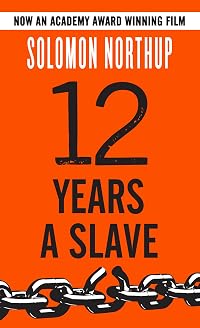
Twelve Years a Slave
by Solomon Northup
On This Page
Description
12 Years a Slave is the harrowing account of a black man, born free in New York State, who was drugged, kidnapped, and sold into slavery in 1841. Having no way to contact his family, and fearing for his life if he told the truth, Solomon Northup was sold from plantation to plantation in Louisiana, toiling under cruel masters for twelve years before meeting Samuel Bass, a Canadian who finally put him in touch with his family, and helped start the process to regain his freedom...Tags
Recommendations
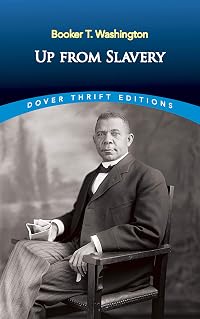
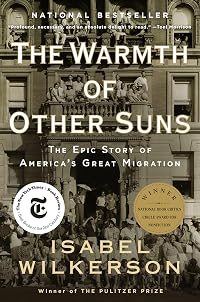
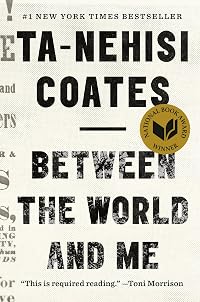
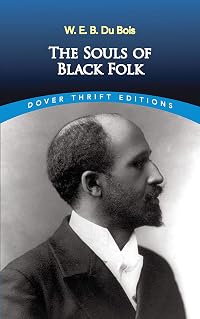
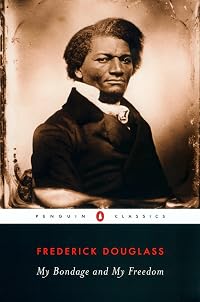

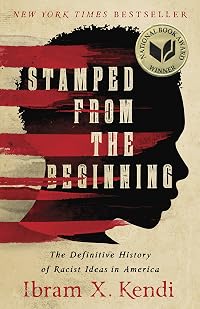
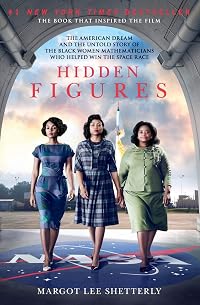
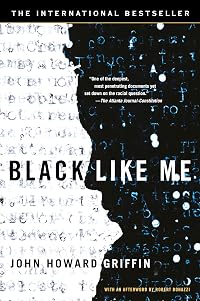

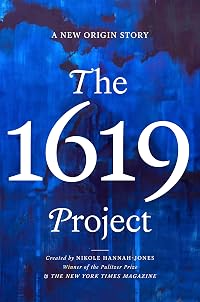

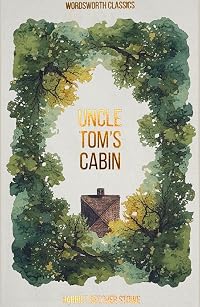
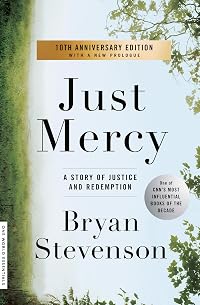

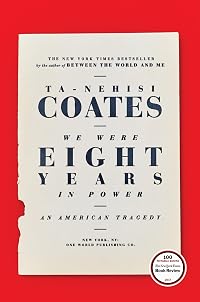
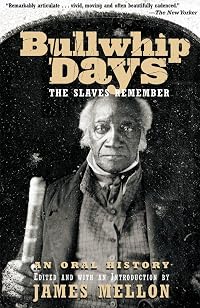
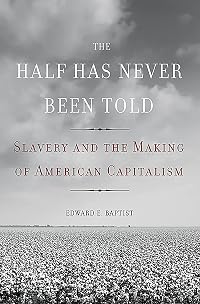
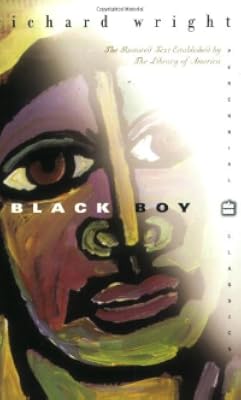
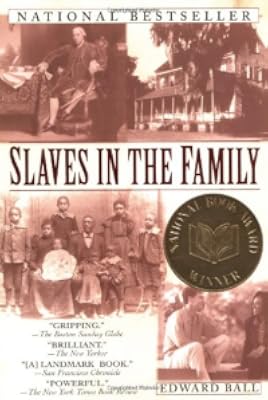
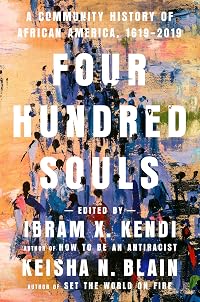
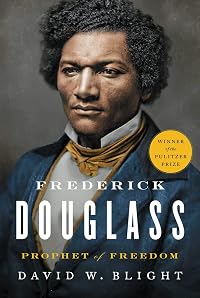
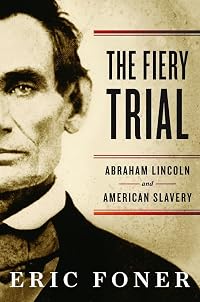
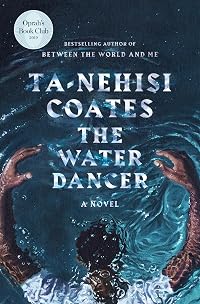
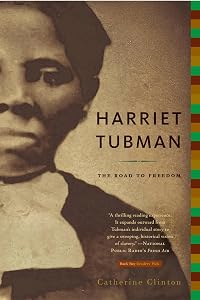
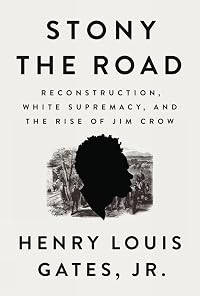
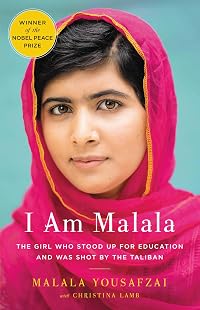
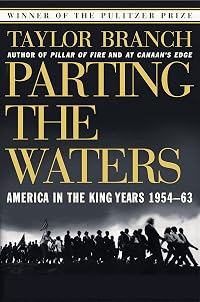
Member Recommendations
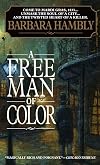
muumi Barbara Hambly's Benjamin January series, beginning with A Free Man of Color, is a fictional depiction of the life of a free man of African descent living in the deep south. Hambly's series has well researched historical detail which you'll appreciate even more after reading Northup's account.
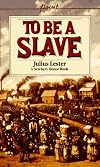
muumi Julius Lester quotes from Solomon Northup's book at least once in almost every chapter. To Be a Slave is a Newbery winner, intended for younger readers; readers who appreciate Twelve Years a Slave will find much food for thought in To Be a Slave, and I recommend Twelve Years for adults and teens who want to read further after finishing To Be a Slave.
Member Reviews
I was way ahead on reading Battle Cry of Freedom for my Civil War reading group, so I decided to take a break and read something related. I'd been meaning to read this since seeing the heart-breaking movie, and as I'd found a nice copy at my favorite used bookstore last year, this seemed an obvious choice.
I thought the movie did a fairly good job of keeping faithful to the book, so most of the horrors of this story were already familiar. So what impressed me most in this reading were Northup's remarkable insights into the people around him -- both the slaves who have known such treatment their entire lives, but also the slave owners. Some of his observations of the very real cost to their humanity by the brutalities they have inflicted show more and/or witnessed as members of the slave-holding class struck me. Northup wasn't just a man thrust into extraordinary circumstances -- he was clearly himself extraordinary, as a writer and observer, to be able to produce such an account. show less
I thought the movie did a fairly good job of keeping faithful to the book, so most of the horrors of this story were already familiar. So what impressed me most in this reading were Northup's remarkable insights into the people around him -- both the slaves who have known such treatment their entire lives, but also the slave owners. Some of his observations of the very real cost to their humanity by the brutalities they have inflicted show more and/or witnessed as members of the slave-holding class struck me. Northup wasn't just a man thrust into extraordinary circumstances -- he was clearly himself extraordinary, as a writer and observer, to be able to produce such an account. show less
Hard to rate something like this. I certainly cannot rate for enjoyment. Reading this made me burn in anger and my eyes water. Despite the cruel, dehumanizing events, this was not an easy read, but it was easy to read. It only takes a few times to get used to Northup’s manner of speaking. I almost read it all in one sitting.
In light of recent events, those who say “This is not who America is,” surely have their head in the ground. Of course, this place can be better—should be better—but it was built on mass racism, enslavement, and genocide.
Anyway, I’m glad to have seen this in book form because I certainly could not have seen it visually.
In light of recent events, those who say “This is not who America is,” surely have their head in the ground. Of course, this place can be better—should be better—but it was built on mass racism, enslavement, and genocide.
Anyway, I’m glad to have seen this in book form because I certainly could not have seen it visually.
very enjoyable read, -- if that isn't too insouciant for the narrative of a man who was deceived, drugged, abducted, and sold into human slavery. hmm. what i mean is that its language is intelligible to a modern reader and the story itself is interesting in a manner quite apart from the "dear jesus this poor man" sort of way.
Northup clearly omitted a good amount of his fury and fear and humiliations, which is totally normal for what i've read of slave narratives -- they tend to understate things, probably to ward off any accusation of exaggerating for sympathy -- and it makes the story sound very terse and clipped. I would not say that it's less effective for that.
The number of (white) people who helped Northup get free again, who show more believed him and put their own necks on the line, is heartening and gutwrenching. Each individual person could only do so much against the great grinding gears, and most of them could do very little indeed.
I didn't know that there was a tidy business in abducting free (black) men and selling them, although it seems obvious now. Like, duh. Of course there was. Of course there still is (hello, prison pipeline). Times change but people do not.
Shitty as what happened to Solomon was, he's one of the lucky ones: he got away.
I can't stop thinking about poor Patsey. show less
Northup clearly omitted a good amount of his fury and fear and humiliations, which is totally normal for what i've read of slave narratives -- they tend to understate things, probably to ward off any accusation of exaggerating for sympathy -- and it makes the story sound very terse and clipped. I would not say that it's less effective for that.
The number of (white) people who helped Northup get free again, who show more believed him and put their own necks on the line, is heartening and gutwrenching. Each individual person could only do so much against the great grinding gears, and most of them could do very little indeed.
I didn't know that there was a tidy business in abducting free (black) men and selling them, although it seems obvious now. Like, duh. Of course there was. Of course there still is (hello, prison pipeline). Times change but people do not.
Shitty as what happened to Solomon was, he's one of the lucky ones: he got away.
I can't stop thinking about poor Patsey. show less
Like most people who read this in the past 10 years, I saw the movie and only now picked up the book, something I’ve been meaning to do for years. As someone too late in the college game to properly study American folk cultures, I find a lot of interest in slave narratives, and this one was very solid, moving, but somehow challenging.
Something that really struck me while reading this was historical relativism. Solomon abhors slavery, but still finds it in himself to somewhat excuse the character of his first owner by emphasizing the good christianity of the man. Later, the avid abolitionist who helps secure his freedom by risking all laws to travel across the country to ensure that comfortably uses the n-word. This was one of those show more authentic old-timey first person pov stories that made me realize how damn different the past was, especially morally.
I’m so glad Solomon was able to be freed and then be able to write about it and publish it. It is all so powerful and sobering. The song he transcribed at the end was ❤️ show less
Something that really struck me while reading this was historical relativism. Solomon abhors slavery, but still finds it in himself to somewhat excuse the character of his first owner by emphasizing the good christianity of the man. Later, the avid abolitionist who helps secure his freedom by risking all laws to travel across the country to ensure that comfortably uses the n-word. This was one of those show more authentic old-timey first person pov stories that made me realize how damn different the past was, especially morally.
I’m so glad Solomon was able to be freed and then be able to write about it and publish it. It is all so powerful and sobering. The song he transcribed at the end was ❤️ show less
A gripping real life account of Solomon Northup, kidnapped from Washington city in 1841 and transported into slavery in Louisiana, where he spent 12 years before being freed. It is a moving account of his sufferings, but there were others such as Patsy—a slave whose master could not control his carnal desire for her, and whose mistress then had him punish her for it—who had it worse, and I wanted to sweep her up into my arms and take her away from all that. It surprised me that Solomon felt the need to include an appendix with copies of the legal documentation that proved he was a free man. To me this seemed to conflict with his notion that slavery was a legal and moral abomination. Nevertheless, history doesn’t get any more real show more than this. show less
I appreciated this excellent book (some of its scenes still haunt me), but compared to other non-fiction slave narratives such as Incidents in the Life of a Slave Girl, there was a bit more distance of perspective here. The facts are still searing; the antidotes still filled me with horror. But sometimes the narrator feels a step removed.
I read much of the account before I realized why I felt that way .. and then I got to Northup's description of the Christmas celebrations among the slaves. He writes, "Marriage is frequently contracted during the holidays, if such an institution may be said to exist among them." He wasn't one of "them." He was a Northerner. Not only does he not consider himself one of them, he wonders here if their show more marriages are even fully real. That comment struck me immediately as odd; looking back, I remember many of them.
Solomon Northup was an exceptionally intelligent man. Southern culture wasn't his, and at times he almost seems to take the tone of an anthropological study. Perhaps that's why he includes long tracts on various customs and planting methods. The planting methods are eye opening in giving a true depiction of the slaves' grueling labor, but he goes beyond this to describe the methods in great detail - the irrigation, the plowing process, the sort of mounding for each crop. In the end, I think his objective is much larger than telling his and his fellow slaves' human stories. Much as an anthropologist studying a foreign tribe, he tries to give full picture of the Southern life and culture in that area of the South.
This focus and his striking intellect make for a unique experience. Yes, sometimes the human story is slowed down a bit by the seeming diversions, but the fuller picture he provides is fascinating as well as searing. If being moved by a human story's raw power is primary, I would recommend Incidents in the Life of a Slave Girl first - that book is unforgettable in its immediacy; the reader is pulled directly down into the dark pit of horrors that was slavery. If instead, one wants a fuller historical and cultural study of the period, I would highly recommend this excellent book. In the end though, the distinction is a bit artificial. The world could be improved much if every American were to read both books and many other stories besides from other periods, books that describe periods of history in enough detail that they can be understood not only with the mind but also, even more importantly, with the heart! show less
I read much of the account before I realized why I felt that way .. and then I got to Northup's description of the Christmas celebrations among the slaves. He writes, "Marriage is frequently contracted during the holidays, if such an institution may be said to exist among them." He wasn't one of "them." He was a Northerner. Not only does he not consider himself one of them, he wonders here if their show more marriages are even fully real. That comment struck me immediately as odd; looking back, I remember many of them.
Solomon Northup was an exceptionally intelligent man. Southern culture wasn't his, and at times he almost seems to take the tone of an anthropological study. Perhaps that's why he includes long tracts on various customs and planting methods. The planting methods are eye opening in giving a true depiction of the slaves' grueling labor, but he goes beyond this to describe the methods in great detail - the irrigation, the plowing process, the sort of mounding for each crop. In the end, I think his objective is much larger than telling his and his fellow slaves' human stories. Much as an anthropologist studying a foreign tribe, he tries to give full picture of the Southern life and culture in that area of the South.
This focus and his striking intellect make for a unique experience. Yes, sometimes the human story is slowed down a bit by the seeming diversions, but the fuller picture he provides is fascinating as well as searing. If being moved by a human story's raw power is primary, I would recommend Incidents in the Life of a Slave Girl first - that book is unforgettable in its immediacy; the reader is pulled directly down into the dark pit of horrors that was slavery. If instead, one wants a fuller historical and cultural study of the period, I would highly recommend this excellent book. In the end though, the distinction is a bit artificial. The world could be improved much if every American were to read both books and many other stories besides from other periods, books that describe periods of history in enough detail that they can be understood not only with the mind but also, even more importantly, with the heart! show less
This is the harrowing account of a free black man who was kidnapped. His free papers were stolen, he was viciously beaten into submission and then transported to plantations in the south as a slave. His whereabouts were unknown to any and all who could free him. The idea that any man, of any color, or any background, could be captured and penned, treated like no more than a brute animal, should have been, then and surely now, nothing short of anathema to any breathing human being. Ignorance could not be a legitimate excuse, anymore than it could have been during the Holocaust. Myself, I am at a loss to understand why an economy driven by slaves would be exalted, why greed would be elevated to heights higher than human dignity.
Man’s show more inhumanity to man, man’s ability to turn a blind eye to human suffering for monetary gain, will render the reader speechless and horrified. As a Jew whose history is steeped in slavery, I felt personally affected by his plight and angered to the point of distraction, because there is absolutely nothing anyone can do today to reverse the effects of the terrible injustice imposed upon people, simply because of their color. They were kept illiterate, forbidden to improve their station in life, beaten violently for the slightest infractions, by people who would not have wanted such a life for themselves or anyone they associated with, and yet, they turned a blind eye to accumulate the all-mighty dollar. Those who hated, taught their offspring to hate. Those who hated, hired overseers who hated. Those who hated often got away unscathed. Justice was usually not served for the black man. No matter how many times one reads about slavery, it is impossible to get used to the idea that human trafficking existed in this country with very little opposition, for many years, and today, still exists in other avenues of the culture.
The successful economy of the plantation depended upon slavery, but while the South flourished, the slaves did not. They worked until their deaths, without hope of freedom or any basic civil rights. In this book, there is a definitive description of the life of a slave, by a man who walked in those shoes. No man or woman could possibly begin to understand the horror of a slave’s existence, the helplessness, the shame, the humiliation, the human suffering, unless they walked in those shoes, themselves. The reader will come to understand, more fully, how cruel and barbaric the practice was and will understand why it has been so hard, for those enslaved and their descendants, to achieve success, even today.
Families were torn asunder, children were separated from mothers, husbands from wives, friends from friends, and then subjected to abuse, beatings, rape, overwork, starvation, unlivable living conditions, and brutal masters, until they were completely subdued and weakened, unable to defend themselves, unable to change their circumstances, unable to do anything but acquiesce or die.
From Solomon’s descriptions of the despicable treatment of the slaves, as if they were less than human, lower than animals in bondage, made to respond like automatons, the reader will come to understand how strong these people had to be, mentally and physically, in order to withstand so much cruelty and exploitation, in order not to succumb. One will wonder why they would even want to live under such conditions, yet they found a way to find enjoyment and pleasure in the few moments they could share together, on holidays, in evenings, in moments when they were alone. They managed to create communities for themselves, even under such horrendous circumstances. Solomon makes it a point of saying that not all masters were cruel. He often found goodness in unexpected places. He, himself, was sometimes forced to be cruel to his friends and fellow slaves, forced to lose his own humanity by joining forces with the masters in order to avoid his own abuse and beatings. His plight, during his years as a slave, when he was required to whip fellow slaves, reminded me of that of the Kapos, during the Holocaust. Kapos were prisoners who meted out the justice and punishment upon other prisoners, for their Nazi captors. Were they co-conspirators or simply saving their own skins? It is an ethical conundrum.
Perhaps not all masters were the same, but all owned their slaves and valued them more for their purchase or resale price and their productivity, rather than for their lives. Some slaves, realizing they would never be free, tried to escape. When caught, the punishment was inhuman. They were whipped beyond comprehension or murdered. Although many tried hard to please their masters, they were often caught between the petty jealousies of the master and the mistress, neither willing to understand that a slave had no choice but to do what they were told, that they had no free will. There was no safety for them. There were no defenders of their plight.
Simply reading about the beatings, often beyond human endurance, made my skin crawl, made me want to find those barbaric, immoral, insensitive savages who treated other human beings so maliciously, though they are long gone. These poor victims had no recourse whatsoever. The mercilessness of the owners and the overseers leaves the reader aghast and hoping there is an afterlife where these people do get their just desserts. They were totally selfish and cold-blooded, pitiless and callous. There are simply no adequate words to describe that blight upon our history.
The years of beatings and abuse never broke Solomon’s spirit; he saw good qualities in almost everyone he met and always maintained a positive attitude, hoping to be free again.
In this memoir, he presents a clear, concise description of slavery from a slave’s vantage point. His daily life was one of monotonous, unending labor and fear. Solomon was luckier than most. He played the violin and could entertain plantation owners, occasionally escaping the toil of his fellow slaves. He was clever and could build and repair most things, unlike the vast majority of slaves who were kept totally imprisoned by their forced life of ignorance. He was therefore, more valued. He knew of the outside world, while they knew of no other than the world of master and slave. He lived to go from his capture and captivity to freedom and his wife and family. He lived to try and see the worst of these slave traders cringe in fear, but not, unfortunately, brought to justice. Even though he was a free man in the eyes of the law, in the eyes of the world, he was still subservient, still second class. Once free, I read that he lectured on his experiences and also worked on behalf of the cause to abolish slavery and to aid other slaves seeking freedom through the Underground Railroad.
The descriptions of the cultivation and picking of the cotton and the process of planting and cutting of the sugar cane, as well as the explanation of how some of the crude equipment worked, was sometimes tedious, and that was the only drawback I could find in this beautifully written memoir, read by Louis Gossett Jr. show less
Man’s show more inhumanity to man, man’s ability to turn a blind eye to human suffering for monetary gain, will render the reader speechless and horrified. As a Jew whose history is steeped in slavery, I felt personally affected by his plight and angered to the point of distraction, because there is absolutely nothing anyone can do today to reverse the effects of the terrible injustice imposed upon people, simply because of their color. They were kept illiterate, forbidden to improve their station in life, beaten violently for the slightest infractions, by people who would not have wanted such a life for themselves or anyone they associated with, and yet, they turned a blind eye to accumulate the all-mighty dollar. Those who hated, taught their offspring to hate. Those who hated, hired overseers who hated. Those who hated often got away unscathed. Justice was usually not served for the black man. No matter how many times one reads about slavery, it is impossible to get used to the idea that human trafficking existed in this country with very little opposition, for many years, and today, still exists in other avenues of the culture.
The successful economy of the plantation depended upon slavery, but while the South flourished, the slaves did not. They worked until their deaths, without hope of freedom or any basic civil rights. In this book, there is a definitive description of the life of a slave, by a man who walked in those shoes. No man or woman could possibly begin to understand the horror of a slave’s existence, the helplessness, the shame, the humiliation, the human suffering, unless they walked in those shoes, themselves. The reader will come to understand, more fully, how cruel and barbaric the practice was and will understand why it has been so hard, for those enslaved and their descendants, to achieve success, even today.
Families were torn asunder, children were separated from mothers, husbands from wives, friends from friends, and then subjected to abuse, beatings, rape, overwork, starvation, unlivable living conditions, and brutal masters, until they were completely subdued and weakened, unable to defend themselves, unable to change their circumstances, unable to do anything but acquiesce or die.
From Solomon’s descriptions of the despicable treatment of the slaves, as if they were less than human, lower than animals in bondage, made to respond like automatons, the reader will come to understand how strong these people had to be, mentally and physically, in order to withstand so much cruelty and exploitation, in order not to succumb. One will wonder why they would even want to live under such conditions, yet they found a way to find enjoyment and pleasure in the few moments they could share together, on holidays, in evenings, in moments when they were alone. They managed to create communities for themselves, even under such horrendous circumstances. Solomon makes it a point of saying that not all masters were cruel. He often found goodness in unexpected places. He, himself, was sometimes forced to be cruel to his friends and fellow slaves, forced to lose his own humanity by joining forces with the masters in order to avoid his own abuse and beatings. His plight, during his years as a slave, when he was required to whip fellow slaves, reminded me of that of the Kapos, during the Holocaust. Kapos were prisoners who meted out the justice and punishment upon other prisoners, for their Nazi captors. Were they co-conspirators or simply saving their own skins? It is an ethical conundrum.
Perhaps not all masters were the same, but all owned their slaves and valued them more for their purchase or resale price and their productivity, rather than for their lives. Some slaves, realizing they would never be free, tried to escape. When caught, the punishment was inhuman. They were whipped beyond comprehension or murdered. Although many tried hard to please their masters, they were often caught between the petty jealousies of the master and the mistress, neither willing to understand that a slave had no choice but to do what they were told, that they had no free will. There was no safety for them. There were no defenders of their plight.
Simply reading about the beatings, often beyond human endurance, made my skin crawl, made me want to find those barbaric, immoral, insensitive savages who treated other human beings so maliciously, though they are long gone. These poor victims had no recourse whatsoever. The mercilessness of the owners and the overseers leaves the reader aghast and hoping there is an afterlife where these people do get their just desserts. They were totally selfish and cold-blooded, pitiless and callous. There are simply no adequate words to describe that blight upon our history.
The years of beatings and abuse never broke Solomon’s spirit; he saw good qualities in almost everyone he met and always maintained a positive attitude, hoping to be free again.
In this memoir, he presents a clear, concise description of slavery from a slave’s vantage point. His daily life was one of monotonous, unending labor and fear. Solomon was luckier than most. He played the violin and could entertain plantation owners, occasionally escaping the toil of his fellow slaves. He was clever and could build and repair most things, unlike the vast majority of slaves who were kept totally imprisoned by their forced life of ignorance. He was therefore, more valued. He knew of the outside world, while they knew of no other than the world of master and slave. He lived to go from his capture and captivity to freedom and his wife and family. He lived to try and see the worst of these slave traders cringe in fear, but not, unfortunately, brought to justice. Even though he was a free man in the eyes of the law, in the eyes of the world, he was still subservient, still second class. Once free, I read that he lectured on his experiences and also worked on behalf of the cause to abolish slavery and to aid other slaves seeking freedom through the Underground Railroad.
The descriptions of the cultivation and picking of the cotton and the process of planting and cutting of the sugar cane, as well as the explanation of how some of the crude equipment worked, was sometimes tedious, and that was the only drawback I could find in this beautifully written memoir, read by Louis Gossett Jr. show less
Members
- Recently Added By
Lists

Books To Get From The Library
115 works; 5 members

Read the book and saw the movie
1,170 works; 195 members

Books Read in 2015
3,299 works; 129 members

Writers at Risk
106 works; 17 members
Books Read in 2016
4,666 works; 197 members

To Read
617 works; 7 members

Silent Scream
20 works; 2 members

United States Slave Narratives
28 works; 1 member

Memoirs Heal the Soul
22 works; 1 member

Books by Black Men
49 works; 2 members
Author Information

13+ Works 5,048 Members
Solomon Northup was a free-born African American from Saratoga Springs, New York. He is noted for having been kidnapped in 1841 when enticed with a job offer. When he accompanied his supposed employers to Washington, DC, they drugged him and sold him into slavery. From Washington, DC, he was transported to New Orleans where he was sold to a show more plantation owner from Rapides Parish, Louisiana. After 12 years in bondage, he regained his freedom in January 1853. Solomon Northup's memoir was reprinted several times later in the 19th century. An annotated version was published in 1968; the memoir was adapted and produced as a 2013 film by the same name by Steve McQueen, starring Chiwetel Ejiofor as Northup. Since 1999, Saratoga Springs, New York, has celebrated an annual Solomon Northup Day on the third Saturday in July. (Bowker Author Biography) show less
All Editions
Some Editions
Awards and Honors
Awards
Series
Belongs to Publisher Series
Work Relationships
Is contained in
Twelve Years A Slave: Original Edition - With Bonus of Uncle Tom's Cabin and Original illustrations by Solomon Northup
The Souls of Black Folk / Up From Slavery / Narrative of the Life of Frederick Douglass / Incidents in the Life of a Slave Girl / Narrative of Sojourner Truth / Twelve Years a Slave by W. E. B. Du Bois
Has the adaptation
Is abridged in
Common Knowledge
- Canonical title
- Twelve Years a Slave
- Original title
- 12 Years a Slave
- Alternate titles*
- Twaalf jaar slaaf
- Original publication date
- 1853
- People/Characters
- Solomon Northup
- Important places
- Louisiana, USA; New York, USA; Washington, D.C., USA
- Important events
- 19th century
- Related movies
- Solomon Northup's Odyssey (1984 | IMDb); Twelve Years a Slave (2013 | IMDb)
- Dedication
- To
Harriet Beecher Stowe:
whose name,
throughout the world, is identified
with the
Great Reform:
this narrative, affording another
Key to Uncle Tom's Cabin,
is respectfully dedicated - First words
- When the editor commenced the preparation of the following narrative, he did not suppose it would reach the size of this volume. - Editor's Preface
Having been born a freeman, and for more than thirty years enjoyed the blessings of liberty in a free State—and having at the end of that time been kidnapped and sold into Slavery, where I remained, until happily rescued in... (show all) the month of January, 1853, after a bondage of twelve years—it has been suggested that an account of my life and fortunes would not be uninteresting to the public. - Last words
- (Click to show. Warning: May contain spoilers.)Chastened and subdued in spirit by the sufferings I have borne, and thankful to that good Being through whose mercy I have been restored to happiness and liberty, I hope henceforward to lead an upright though lowly life, and rest at last in the church yard where my father sleeps.
- Original language
- English
*Some information comes from Common Knowledge in other languages. Click "Edit" for more information.
Classifications
- Genres
- Biography & Memoir, History, Nonfiction, General Nonfiction
- DDC/MDS
- 306.3 — Society, government, & culture Social sciences, sociology & anthropology Social Behavior - Dating, Marriage, Divorce Economic institutions
- LCC
- E444 .N87 — History of the United States United States Revolution to the Civil War, 1775/1783-1861 Slavery in the United States. Antislavery
- BISAC
Statistics
- Members
- 4,873
- Popularity
- 2,885
- Reviews
- 136
- Rating
- (4.23)
- Languages
- 13 — Chinese, Danish, Dutch, English, Estonian, Finnish, French, German, Italian, Polish, Spanish, Turkish, Portuguese (Portugal)
- Media
- Paper, Audiobook, Ebook
- ISBNs
- 403
- UPCs
- 3
- ASINs
- 134