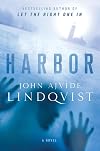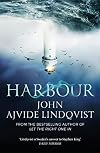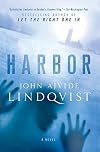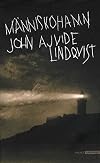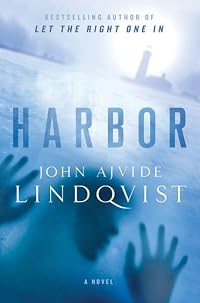
Harbor
by John Ajvide Lindqvist
On This Page
Description
"From the author of the international and New York Times bestseller Let the Right One In (Let Me In) comes this stunning and terrifying book which begins when a man's six-year-old daughter vanishes.One ordinary winter afternoon on a snowy island, Anders and Cecilia take their six-year-old daughter Maja across the ice to visit the lighthouse in the middle of the frozen channel. While the couple explore the lighthouse, Maja disappears -- either into thin air or under thin ice -- leaving not show more even a footprint in the snow. Two years later, alone and more or less permanently drunk, Anders returns to the island to regroup. He slowly realises that people are not telling him all they know; even his own mother, it seems, is keeping secrets. What is happening in Domaro, and what power does the sea have over the town's inhabitants? As he did with Let the Right One In and Handling the Undead, John Ajvide Lindqvist serves up a blockbuster cocktail of suspense in a narrative that barely pauses for breath"-- show lessTags
Recommendations



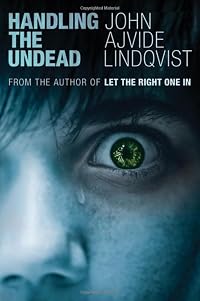
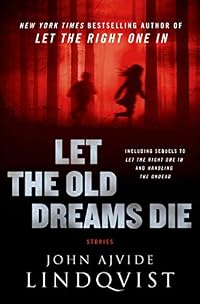







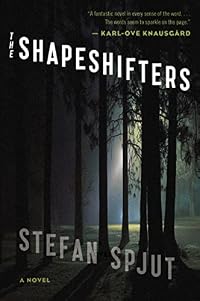
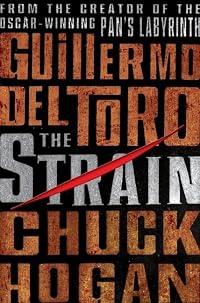
















Member Recommendations
Member Reviews
The book starts with an engaging mystery, but the number of twists and turns the story takes before the resolution are tiring and irrelevant to say the least. It often seems like the author just didn't know where to go with the plot so he wrote scene after overwrought scene of the protagonist's unnatural suffering as he attempts to discover the fate of his missing daughter. The events are fantastic and preternatural, yet the characters in the story react to them with an "oh yeah, that just happened" kind of attitude and blithely move on with their banal lives until the next weird event. An utterly stupid book in my opinion, and unfortunately, an example of what seems to be a trend in the horror/thriller genre. Overwritten (probably to show more meet a word quota), melodramatic, lacking direction, wholly unbelievable hence impossible to connect with emotionally. A waste. show less
One ordinary winter afternoon on a snowy island in the Swedish archipelago, Anders and Cecilia take their six-year-old daughter Maja across the ice to visit the lighthouse in the middle of the frozen channel. While they are exploring the lighthouse, Maja disappears – either into thin air or under thin ice -- leaving not even a footprint in the snow. A few years and a nasty divorce later, Anders returns to the scene of the non-crime. He soon realizes that Maja's disappearance is only one of many strange occurrences, and that his fellow islanders, including his own grandmother, know a lot more than they’re telling.
I have a love hate relationship with this one. Harbor is maritime horror and it's hard not to love that - haunted islands, show more wrecked ships with ghostly crews, spectres on the widow's walk; there is the elegantly written and beautiful homey sort of story of the island, its inhabitants, and their relationships with one another-all great stuff.
Then there's the horror story part - people mysteriously disappearing over time, one after the other, a Hitchcockian encounter with a group of gulls, and a slug-like creature named Spiritus that is kept alive by spitting on it daily. It felt like Lindqvist couldn’t decide if he was writing an evolutionary history of the Swedish galapagos, or a horror story. Despite that, I'll read whatever Mr. Lindqvist writes next because he's always interesting and surprising. show less
I have a love hate relationship with this one. Harbor is maritime horror and it's hard not to love that - haunted islands, show more wrecked ships with ghostly crews, spectres on the widow's walk; there is the elegantly written and beautiful homey sort of story of the island, its inhabitants, and their relationships with one another-all great stuff.
Then there's the horror story part - people mysteriously disappearing over time, one after the other, a Hitchcockian encounter with a group of gulls, and a slug-like creature named Spiritus that is kept alive by spitting on it daily. It felt like Lindqvist couldn’t decide if he was writing an evolutionary history of the Swedish galapagos, or a horror story. Despite that, I'll read whatever Mr. Lindqvist writes next because he's always interesting and surprising. show less
 This review was written for LibraryThing Early Reviewers.
I say I'm not much of a fan of paranormal books, but as with all of my absolute declarations on reading matters, there is an author out there who is destined to blow my prejudices out of the water. John Ajvide Lindqvist is one of those authors. Since the first of his books LET THE RIGHT ONE IN became an all-time favourite of mine, I've looked forward to each new release. HARBOUR, released last year, is a book I've been champing at the bit to read, but it should come with a warning - once picked up, mesmerising. I couldn't put it down. And it's a big book at 500 pages, so you might want to make sure that you've got supplies in before you start.
What starts out as a seemingly innocuous trip across the ice to the local lighthouse, ends with show more the vanishing of six-year-old Maja. Seemingly in the blink of her parent's eyes, she was there and now she's not. Despite extensive searches she's vanished. No footprints in the snow, no sound, no sight, no sign. Anders, her father, falls apart. His marriage fractures, his life stops. And two years later, he returns to the island to attempt to confront the despair, to drag himself out of spiralling downward trend of alcohol and hopelessness that his life has become. He returns to an island seemingly unchanged, to his grandmother and her partner, to a small, sheltered, enclosed community with secrets.
The paranormal aspects of HARBOUR surface fairly quickly after Anders returns to the island, and again I've found myself wondering what it is about this author that makes that work for me. Partially I think it's a lot to do with the suspense that Lindqvist builds into the story that he's telling. There are definitely aspects of a thriller about this book, as Anders tries again to discover what happened to his beloved Maja. There's also a wonderful ability to simply tell a story. This book weaves the tales of Maja, Anders, his grandmother and her magician partner into the story of the island community seamlessly. There is also a breathtaking sense of raw and honest human emotion, mixed up into the paranormal. There is profound emotion in Anders - regret, sadness, recrimination, grief, resentment and anger, but most of all unconditional love. Other characters often reflect or contrast aspects of his emotional state - but the islanders also demonstrate secrecy, protectiveness, deceit. Through it all, even through the realisation that perfection is often in the eye of the beholder, the pace of the story builds as does the pace of Anders' discoveries, understanding, and ultimately acceptance that his daughter may not have been all that he chose to see, but she remains exactly who he chooses to love.
Interestingly, unlike other books in this category that I've really struggled with, the paranormal aspect in this one appeared integral to the story - supporting the environment; part of the emotion, the culture, the area, the people. There was no sense that the paranormal was the "story" in its own right.
It is really that overwhelming sense of a story being told that works so well in HARBOUR, supported by raw, glorious emotion. Regardless of the hows, wheres or whys of what happens to the characters in the book; how they interact with the places, what sense of the "other" is bought to the reader's experience; there is a story underlying this that talks about humanity. Unconditional love in a struggle with the need to understand, explain, justify and absolve. The way that grief can control some, and is a catalyst for others. The nature of faith and love and meaning, and the consequences of all of them. Regardless of how much of the paranormal you are comfortable with, HARBOUR is a stark, beautiful, moving, confronting, sad, lyrical and emotional book. show less
What starts out as a seemingly innocuous trip across the ice to the local lighthouse, ends with show more the vanishing of six-year-old Maja. Seemingly in the blink of her parent's eyes, she was there and now she's not. Despite extensive searches she's vanished. No footprints in the snow, no sound, no sight, no sign. Anders, her father, falls apart. His marriage fractures, his life stops. And two years later, he returns to the island to attempt to confront the despair, to drag himself out of spiralling downward trend of alcohol and hopelessness that his life has become. He returns to an island seemingly unchanged, to his grandmother and her partner, to a small, sheltered, enclosed community with secrets.
The paranormal aspects of HARBOUR surface fairly quickly after Anders returns to the island, and again I've found myself wondering what it is about this author that makes that work for me. Partially I think it's a lot to do with the suspense that Lindqvist builds into the story that he's telling. There are definitely aspects of a thriller about this book, as Anders tries again to discover what happened to his beloved Maja. There's also a wonderful ability to simply tell a story. This book weaves the tales of Maja, Anders, his grandmother and her magician partner into the story of the island community seamlessly. There is also a breathtaking sense of raw and honest human emotion, mixed up into the paranormal. There is profound emotion in Anders - regret, sadness, recrimination, grief, resentment and anger, but most of all unconditional love. Other characters often reflect or contrast aspects of his emotional state - but the islanders also demonstrate secrecy, protectiveness, deceit. Through it all, even through the realisation that perfection is often in the eye of the beholder, the pace of the story builds as does the pace of Anders' discoveries, understanding, and ultimately acceptance that his daughter may not have been all that he chose to see, but she remains exactly who he chooses to love.
Interestingly, unlike other books in this category that I've really struggled with, the paranormal aspect in this one appeared integral to the story - supporting the environment; part of the emotion, the culture, the area, the people. There was no sense that the paranormal was the "story" in its own right.
It is really that overwhelming sense of a story being told that works so well in HARBOUR, supported by raw, glorious emotion. Regardless of the hows, wheres or whys of what happens to the characters in the book; how they interact with the places, what sense of the "other" is bought to the reader's experience; there is a story underlying this that talks about humanity. Unconditional love in a struggle with the need to understand, explain, justify and absolve. The way that grief can control some, and is a catalyst for others. The nature of faith and love and meaning, and the consequences of all of them. Regardless of how much of the paranormal you are comfortable with, HARBOUR is a stark, beautiful, moving, confronting, sad, lyrical and emotional book. show less
If H. P. Lovecraft lived in a day and age where writing a 500+ page novel was acceptable, he may have written something very similar to Harbor. If you’re not familiar with Lindqvist, as was I when I first started reading this massive tome, you may automatically assume that he’s a horror writer. Well, he is, but not exactly that. Lindqvist takes a horror trope and writes an engaging, sweeping, epic story around that trope, and how it affects real people.
In Harbor, we meet an isolated cluster of islands, its people, and a history of dissapearances to some unseen, underwater force. We have magicians who know real magic, a town surrounded by malevolent water, and two ghosts who ride a moped around and quote The Smiths. The narrative show more spans, mostly, three generations, but also occasionally takes a peek at times more ancient than that.
While undertaking a reading of Harbor may itself be a challenge, if you’re willing to dedicate the time to read its many pages, you will find not only a horror story that is approachable by readers on non-horror, but an interesting tale of people, both dead and alive. show less
In Harbor, we meet an isolated cluster of islands, its people, and a history of dissapearances to some unseen, underwater force. We have magicians who know real magic, a town surrounded by malevolent water, and two ghosts who ride a moped around and quote The Smiths. The narrative show more spans, mostly, three generations, but also occasionally takes a peek at times more ancient than that.
While undertaking a reading of Harbor may itself be a challenge, if you’re willing to dedicate the time to read its many pages, you will find not only a horror story that is approachable by readers on non-horror, but an interesting tale of people, both dead and alive. show less
While trekking out across the frozen harbor from their island to the local lighthouse one winter day, Anders and Cecilia are shocked and devastated when they discover that their six-year-old daughter, Maja, has wandered off and somehow disappeared without a trace. The tragedy is disastrous to their relationship as well, leaving Anders a crushed and helpless version of his former self when he several years later decides to return to the island from the mainland. Almost immediately he begins to have a series of creepy, uncanny experiences, and moreover discovers that his daughter is not the only person to have disappeared.
The story was OK, and I was absorbed up until around the point where Elin enters the picture. I then became conscious show more that, as a reader, magical realism just doesn't do it for me, and the second half of the story was unsatisfying for that reason. I'd have a hard time categorizing Harbor as horror, though it seems that Lindqvist is being hailed "the Stephen King of Sweden." show less
The story was OK, and I was absorbed up until around the point where Elin enters the picture. I then became conscious show more that, as a reader, magical realism just doesn't do it for me, and the second half of the story was unsatisfying for that reason. I'd have a hard time categorizing Harbor as horror, though it seems that Lindqvist is being hailed "the Stephen King of Sweden." show less
The island of Domarö has a long and storied history, and tales are told of how the island slowly appeared to rise from the water and how the sea and the people lived in a strange sort of harmony. Anders and his wife Cecilia are two such people, living in a place know as the Shack -- a building of strange angles and drafty windows, but a nice little place right on the water -- built by his father Johan. One winters day, Anders and Cecilia, along with their daughter Maja, travel across the frozen waters to the lighthouse at Gåvasten, and while exploring the tower which seems to sprout from the very rock of the island, Maja disappears without a trace. No screams, no footprints, no signs of struggle. She simply vanishes.
Two years later, show more Anders returns to Domarö, trying to put his life back together after Cecilia left him. He returns to the Shack and soon begins feeling that he's not alone, that his daughter Maja is somewhere in the house, playing hide and seek. With the help of Simon, an old magician who has a romantic history of his own with Anders' grandmother Anna-Greta, Anders tries to piece together what he's been feeling inside the shack. But he uncovers darker tales that lie just beneath the happy surface of life on Domarö, tales of strange disappearances throughout the history of the island. As their stories comes to light, stranger events happen across Domarö, people turning angry for no reason or those who had disappeared suddenly re-surfacing on the island to wreak havoc. And Anders soon learns why the islanders fear the lighthouse at Gåvasten.
Unlike quite a few horror novels, "Harbor" isn't filled with blood and gore or terrifying nightmarish creatures presented to scare the wits out of the reader. Instead, it offers a fully-drawn background of Domarö, its inhabitants, and the lighthouse at Gåvasten. The history intertwines with the present, and as the reader uncovers the past, the horror of what happened and continues to happen slowly bubbles beneath the surface, creating tension that seems to permeate every page of the book. Plus, it includes subtle twists that makes the reader unsure of which characters to trust and what defines good and bad, making the horror aspect all the more effective. For fans of horror, this is a must read. show less
Two years later, show more Anders returns to Domarö, trying to put his life back together after Cecilia left him. He returns to the Shack and soon begins feeling that he's not alone, that his daughter Maja is somewhere in the house, playing hide and seek. With the help of Simon, an old magician who has a romantic history of his own with Anders' grandmother Anna-Greta, Anders tries to piece together what he's been feeling inside the shack. But he uncovers darker tales that lie just beneath the happy surface of life on Domarö, tales of strange disappearances throughout the history of the island. As their stories comes to light, stranger events happen across Domarö, people turning angry for no reason or those who had disappeared suddenly re-surfacing on the island to wreak havoc. And Anders soon learns why the islanders fear the lighthouse at Gåvasten.
Unlike quite a few horror novels, "Harbor" isn't filled with blood and gore or terrifying nightmarish creatures presented to scare the wits out of the reader. Instead, it offers a fully-drawn background of Domarö, its inhabitants, and the lighthouse at Gåvasten. The history intertwines with the present, and as the reader uncovers the past, the horror of what happened and continues to happen slowly bubbles beneath the surface, creating tension that seems to permeate every page of the book. Plus, it includes subtle twists that makes the reader unsure of which characters to trust and what defines good and bad, making the horror aspect all the more effective. For fans of horror, this is a must read. show less
This review was written for LibraryThing Early Reviewers.Why did I read this book? - My favourite genre is children's books! - Maybe this has happened to you? - Your'e in a store and a book cover catches your eye. You're stood there reading the storyline and the feedback about the book. I was intrigued about the sudden disappearance of the girl. I soon bought the book!
It didn't take me long to get drawn into the story. I found the author's writing to be creative, gripping, stylish and at times compelling.
It was interesting to read about the small community of people who lived their lives on the island of Domaro.
Anders, Cecilia and their feisty six-year-old daughter, Maja had been waiting all winter for the perfect weather conditions, so they could visit Gavasten lighthouse. It was only about show more two kilometres from their home; named as 'The Shack'.
This trip promised to be a perfect day-out for the family. Maja was excited. She was full of enthusiasm as she set-off on her skis, wearing her red snow-suit. Anders and Cecilia had no concerns about letting Maja ski-along in front of them. The ice was thick with a good covering of snow. Anders was pleased when he discovered the lighthouse door wasn't locked. They were able to enjoy their picnic inside the lighthouse, while staring at the fabulous views! Anders took the opportunity to take some pictures of Cecilia and Maja.
Moments later, a curious looking Maja, was on her way outside the lighthouse to explore again!
A short while later, Anders and Cecilia came back out of the lighthouse, to discover their daughter had vanished! At first, Anders thought Maja was playing hide-and-seek with them! But that hope soon proved to be fruitless.
As the daylight faded, four people arrived to help with the search for Maja. They were all riding mopeds.
It was already dark when a police helicopter with a searchlight arrived to extend the search area. But alas, Maja wasn't found!
At page 37 of this 650 page book, there wasn't any reason or logical explanation given as to how this extreme event could have happened. Indeed, the reader will have to wait until almost the end of the story, for this to be finally revealed.
The story continues two years later, when a wrecked Anders returns to the island to investigate.
By now his marriage to Cecilia is over, and his daughter is still missing. Sadly, he's fallen to the depths of unemployment and alcoholism.
The author's writing was very detailed. He persistently moved from the present time to the past, in order to explain his ever-changing situation. Indeed, what follows is a story of forceful emotion, that is superbly plotted - although at times, I have to confess I found it fairly creepy and horrific. Especially as the psychological isolation and loss unfolded for Anders.
Anders thought he could feel a presence, as if someone was trying to communicate with him. I found that intriguing and compelling. But this caused confusion for Anders. He tried to control his drinking habits. He was worried he was going mad!
An amusing reference about Simon and Anna-Greta - who were good friends with Anders:
Needless to say, but there's not very much humour to be found in this book. However, the author's description of Simon and Anna-Greta's lovemaking skills, certainly had me laughing!(I'm sorry, but you'll need to read the story to find out why!)
I think this is one of the best written books I have read this year. Overall, it's an impressive novel, but ultimately, I have to confess I didn't find the last seventy-pages or so, as good as the author's earlier writing.
I'm pleased I was able to complete this book, because at times, I felt slightly out of my comfort zone. (I have never read any supernatural or paranormal literature before)
I would rate this book 3.5 stars. In my opinion it's better than 3 stars, but falls just below 4 stars.
However, I'm not surprised that many readers have given this book a higher rating. I'm sure it's almost perfect for people who love to read this particular genre. show less
It didn't take me long to get drawn into the story. I found the author's writing to be creative, gripping, stylish and at times compelling.
It was interesting to read about the small community of people who lived their lives on the island of Domaro.
Anders, Cecilia and their feisty six-year-old daughter, Maja had been waiting all winter for the perfect weather conditions, so they could visit Gavasten lighthouse. It was only about show more two kilometres from their home; named as 'The Shack'.
This trip promised to be a perfect day-out for the family. Maja was excited. She was full of enthusiasm as she set-off on her skis, wearing her red snow-suit. Anders and Cecilia had no concerns about letting Maja ski-along in front of them. The ice was thick with a good covering of snow. Anders was pleased when he discovered the lighthouse door wasn't locked. They were able to enjoy their picnic inside the lighthouse, while staring at the fabulous views! Anders took the opportunity to take some pictures of Cecilia and Maja.
Moments later, a curious looking Maja, was on her way outside the lighthouse to explore again!
A short while later, Anders and Cecilia came back out of the lighthouse, to discover their daughter had vanished! At first, Anders thought Maja was playing hide-and-seek with them! But that hope soon proved to be fruitless.
As the daylight faded, four people arrived to help with the search for Maja. They were all riding mopeds.
It was already dark when a police helicopter with a searchlight arrived to extend the search area. But alas, Maja wasn't found!
At page 37 of this 650 page book, there wasn't any reason or logical explanation given as to how this extreme event could have happened. Indeed, the reader will have to wait until almost the end of the story, for this to be finally revealed.
The story continues two years later, when a wrecked Anders returns to the island to investigate.
By now his marriage to Cecilia is over, and his daughter is still missing. Sadly, he's fallen to the depths of unemployment and alcoholism.
The author's writing was very detailed. He persistently moved from the present time to the past, in order to explain his ever-changing situation. Indeed, what follows is a story of forceful emotion, that is superbly plotted - although at times, I have to confess I found it fairly creepy and horrific. Especially as the psychological isolation and loss unfolded for Anders.
Anders thought he could feel a presence, as if someone was trying to communicate with him. I found that intriguing and compelling. But this caused confusion for Anders. He tried to control his drinking habits. He was worried he was going mad!
An amusing reference about Simon and Anna-Greta - who were good friends with Anders:
Needless to say, but there's not very much humour to be found in this book. However, the author's description of Simon and Anna-Greta's lovemaking skills, certainly had me laughing!(I'm sorry, but you'll need to read the story to find out why!)
I think this is one of the best written books I have read this year. Overall, it's an impressive novel, but ultimately, I have to confess I didn't find the last seventy-pages or so, as good as the author's earlier writing.
I'm pleased I was able to complete this book, because at times, I felt slightly out of my comfort zone. (I have never read any supernatural or paranormal literature before)
I would rate this book 3.5 stars. In my opinion it's better than 3 stars, but falls just below 4 stars.
However, I'm not surprised that many readers have given this book a higher rating. I'm sure it's almost perfect for people who love to read this particular genre. show less
Members
- Recently Added By
Published Reviews
ThingScore 90
Den stockholmske skjærgården beskrives stort sett alltid som en idyll med strålende solskinn og blått hav og uendelige, late sommerdager. Men det var før John Ajvide Lindqvist skrev en bredt anlagt skrekkroman fra Roslagen, ei bok som kaster lange, mørke skygger over både farbror Melker og Evert Taube.
added by annek49
De dødes hav : «Menneskehavn» er nok en strålende roman fra John Ajvide Lindqvist, en velopplagt, potent fortelling som er både grøssende og rørende.
added by annek49
Skumlest av alt er kjærligheten : Hvem skulle tro at skrekkindustriens språk kan brukes til å skrive en uhyre effektfull og gripende roman om grenseløs kjærlighet?
added by annek49
Lists

Best Horror Books
281 works; 84 members

Ghosts
278 works; 18 members
Author Information

46+ Works 11,020 Members
Some Editions
Awards and Honors
Awards
Series
Belongs to Publisher Series
Bastei Lübbe Taschenbuch (16538)
Common Knowledge
- Canonical title
- Harbor
- Original title
- Människohamn
- Original publication date
- 2008
- People/Characters
- Anders; Cecilia; Maja; Anna-Greta; Simon
- Important places
- Domarö, Sweden
- Dedication
- To my father
Ingemar Pettersson (1938-1998)
He gave me the sea
The sea took him from me - First words*
- För tretusen år sedan var Domarö bara en stor, flat sten som stack upp ur vattnet, krönt av ett flyttblock som isen hade lämnat efter sig.
- Last words*
- (Click to show. Warning: May contain spoilers.)Eller befriats.
- Original language
- Swedish
*Some information comes from Common Knowledge in other languages. Click "Edit" for more information.
Classifications
- Genres
- Horror, Fiction and Literature, Fantasy
- DDC/MDS
- 839.738 — Literature & rhetoric German & related literatures Other Germanic literatures Swedish literature Swedish fiction 2000-
- LCC
- PT9877.22 .I54 .M3613 — Language and Literature German, Dutch and Scandinavian literatures Swedish literature Individual authors or works 2001-
- BISAC
Statistics
- Members
- 1,000
- Popularity
- 25,958
- Reviews
- 76
- Rating
- (3.64)
- Languages
- 11 — Danish, Dutch, English, Finnish, German, Italian, Norwegian (Bokmål), Norwegian, Polish, Spanish, Swedish
- Media
- Paper, Audiobook, Ebook
- ISBNs
- 40
- ASINs
- 6