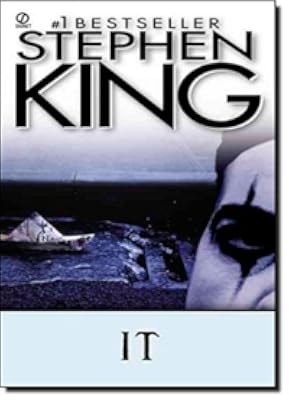
It
by Stephen King
There is 1 current discussion about this work.
On This Page
Description
They were seven teenagers when they first stumbled upon the horror. Now they were grown-up men and women who had gone out into the big world to gain success and happiness. But none of them could withstand the force that drew them back to Derry, Maine to face the nightmare without an end, and the evil without a name.Tags
Recommendations
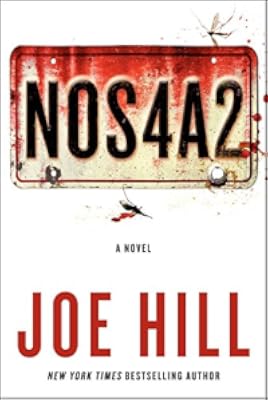
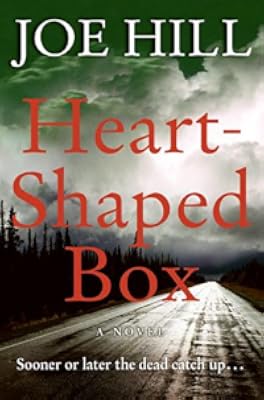
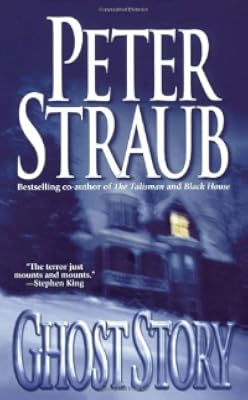
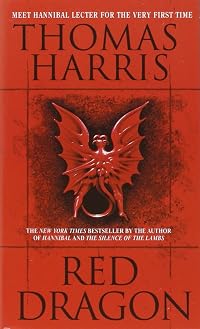
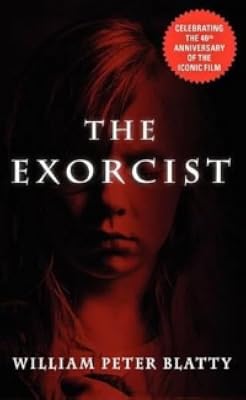
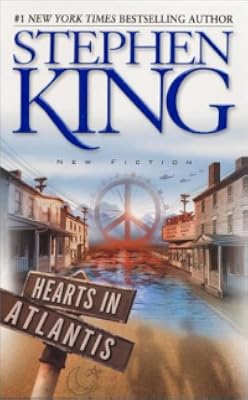
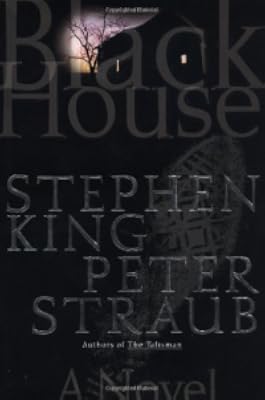
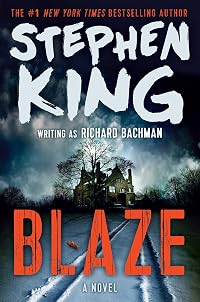
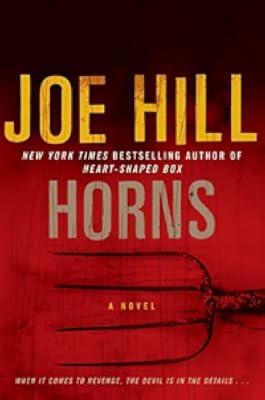
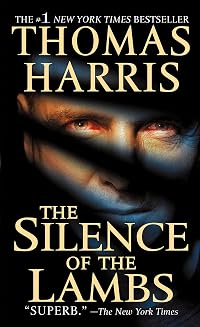
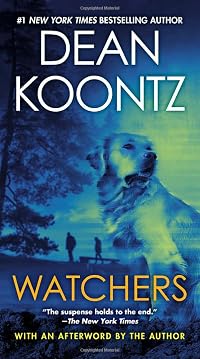
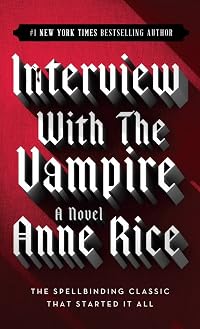






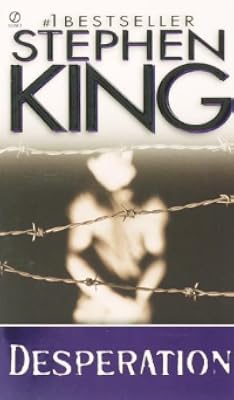
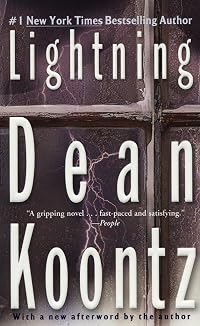
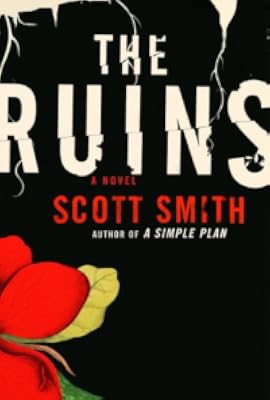


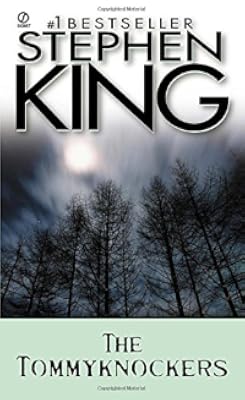
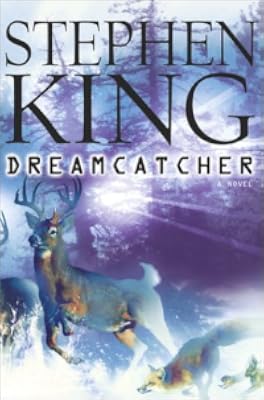

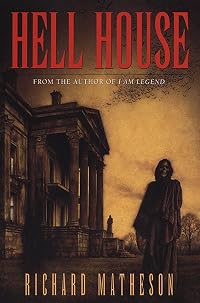
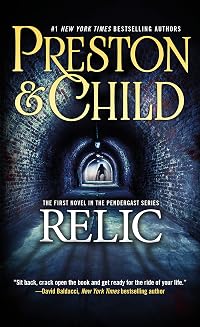

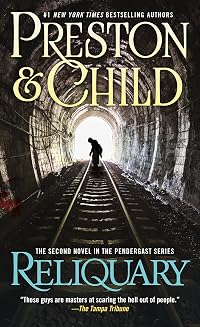
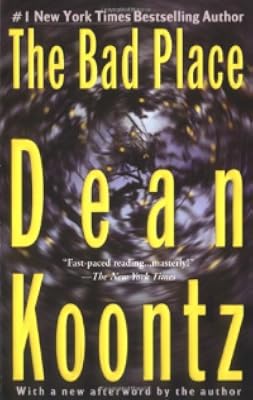
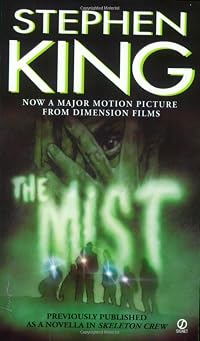

Member Recommendations
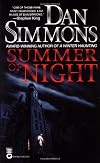
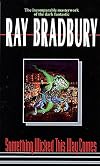
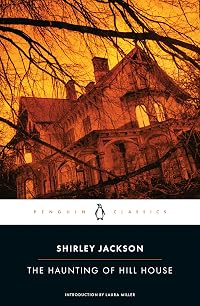
Locke Both novels deal with themes of childhood horrors and coming of age. Both have a subtle melancholy tone!
101
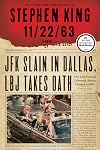
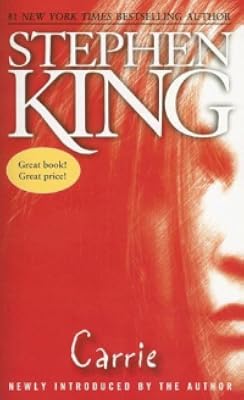
sturlington A section of 11/22/63 is set in Derry and features characters from It.
60
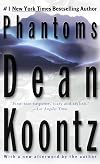
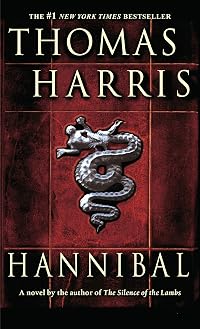
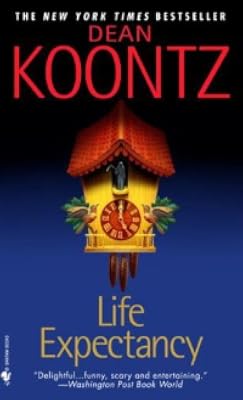
caimanjosh Koontz's take on the shape-shifting monster is more scientific, less epic/supernatural, but entertaining too.
51
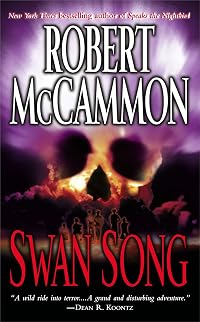
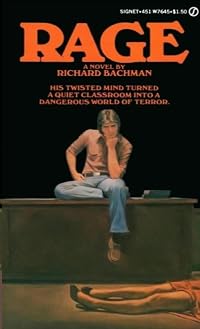
lippylibrarian Both books feature a group of childhood friends returning to face the horrors of their small hometown after the suicide of a close friend.
40

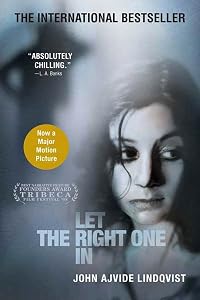
BookshelfMonstrosity Malevolent entities that prey upon children are the driving force of these creepy, suspenseful horror stories. In both novels, only adults lucky enough to escape the villain's clutches in childhood are later able to battle the evil when it returns.

comtso Des amis d'enfance, devenus adultes, se retrouvent pour affronter un ennemi de leur passé. Pour réussir, ils doivent retrouver ce en quoi ils croyaient enfants.
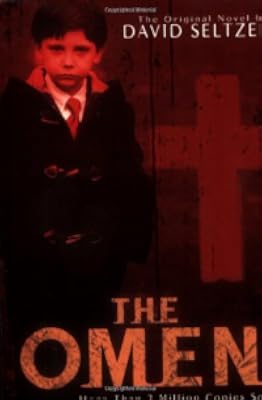
sturlington Both are about a small town infected by an evil influence.
22
Member Reviews
Dear Lord, I feel like I've lost twenty-seven years of my own life, struggling to re-read this bloated monstrosity of a pulp horror story! I first read It around twenty years ago, when I might have been revisiting a small crush on the late Jonathan Brandis, who played the 1958 version of Bill Denbrough in the film adaptation. And since I obviously never learn my lesson, nostalgia got the better of me recently, and I borrowed a copy of the novel from the library, thinking I could get away with re-reading for free. Only I forgot how long-winded King is, and had to plump for a cheap second-hand copy of my own in the end.
Anyway. Was reliving the experience worth £3.00? Almost. I do like the concept, which is sort of like an eeevil version show more of the Red Dwarf episode 'Legion', in which a lone alien feeds on the imaginations of the crew to entice and then enslave new companions. 'It' is not a space spider, but that is the closest the kids' imaginations can get to comprehending its true form. 'It' is also the diabolical heart of the small town of Maine, where death and destruction are commonplace, and children are sacrificed every twenty-seven years or so. Seven children - the 'Losers' - band together in the late 1950s to try and fight 'It' with innocence and imagination, then have to regroup in the late 1980s as adults when the killing in Derry starts again.
All to the good. What is wrong with It? In a name, Stephen King. He just goes on and on and on, repeating words (chitinous) and phrases ('Will the monster be bested ... Or will it feed?') to plump a 300 page novel into 1000 plus page doorstop. Also, the characters are deeply annoying, and he has a worrying obsession with the bodies of pre-pubescent girls (stop talking about Beverley's breasts, man, she's eleven!) I may also have mentioned that I cannot stand King's rose-tinted nostalgia for the 1950s, when real men beat their wives and real women stayed at home to take the abuse. Kids were ritually bullied, and god forbid any of the main characters might turn out to be gay (no sir, all dysfunctional heterosexual relationships here!), but hey, at least there was rock and roll and Flanderised phrases like 'okey-dokey'. I'm hoping that 'It' is intended to be a metaphor for the dark undercurrent running beneath the sepia-toned memories of small town America, because if not, I'm on the side of the space spider.
A lot of rambling and vomit-inducing reminiscing, but one of King's better novels, even after twenty years. show less
Anyway. Was reliving the experience worth £3.00? Almost. I do like the concept, which is sort of like an eeevil version show more of the Red Dwarf episode 'Legion', in which a lone alien feeds on the imaginations of the crew to entice and then enslave new companions. 'It' is not a space spider, but that is the closest the kids' imaginations can get to comprehending its true form. 'It' is also the diabolical heart of the small town of Maine, where death and destruction are commonplace, and children are sacrificed every twenty-seven years or so. Seven children - the 'Losers' - band together in the late 1950s to try and fight 'It' with innocence and imagination, then have to regroup in the late 1980s as adults when the killing in Derry starts again.
All to the good. What is wrong with It? In a name, Stephen King. He just goes on and on and on, repeating words (chitinous) and phrases ('Will the monster be bested ... Or will it feed?') to plump a 300 page novel into 1000 plus page doorstop. Also, the characters are deeply annoying, and he has a worrying obsession with the bodies of pre-pubescent girls (stop talking about Beverley's breasts, man, she's eleven!) I may also have mentioned that I cannot stand King's rose-tinted nostalgia for the 1950s, when real men beat their wives and real women stayed at home to take the abuse. Kids were ritually bullied, and god forbid any of the main characters might turn out to be gay (no sir, all dysfunctional heterosexual relationships here!), but hey, at least there was rock and roll and Flanderised phrases like 'okey-dokey'. I'm hoping that 'It' is intended to be a metaphor for the dark undercurrent running beneath the sepia-toned memories of small town America, because if not, I'm on the side of the space spider.
A lot of rambling and vomit-inducing reminiscing, but one of King's better novels, even after twenty years. show less
Wow! What an incredible book! I have seen all the adaptations and came to the source material late. Astounding what got cut from the movies, the stuff that makes it really scary (also, that IT is female?) and what really communicates the themes of unity, friendship, and the power of belief. I teared up at the end as Big Bill takes Audra on Silver, and that Mike and Bill were the last ones. It had to end that way but it really tore at me! Richie's last call with Mike was also heartbreaking. But that's the way of childhood, right? Those kids went from ready to die for Big Bill -- and they did -- to not remembering his name. The things that united me with my friends as a child -- and now the ones I do remember, I can't draw their faces in show more my mind. Some of the details were almost flabbergasting, that he froze a slice of America perfectly in amber for eternity. The songs, the sounds, the soap smells. Loved that Bruce Springsteen was all over it. Just loved it. I can't commit to reading it every year, but I can commit to not taking it to the second hand bookstore for in store credit. I will revisit IT again, maybe in two years when I'm 38 like they are in 1984. What an accomplishment! show less
Um longo livro, em que, segundo minha experiência, se você enfrentar as primeiras 400 páginas, respirar fundo e seguir, as últimas 400 mais que compensam. Não que seja inicialmente desafiador de ler pela escrita, que é ágil e realista, mas sim pela ambição narrativa. Esta exige um vai e vem entre infância e a fase adulta, para desembocar ao final num dos fechamentos de livro mais tocantes sobre companheirismo, memória e infância. Ao mesmo tempo, pelo fato de que o monstro cósmico, "o isso", se confunde com a própria cidade e seu palhaço, King prepara uma imersão gradativa nesta, pra desembocar nos enfrentamentos aterrorizadores entrelaçados ao monstro, ao final do livro. E então temos muitos episódios medonhos na e da show more cidade de Derry, com seu clima pernicioso interiorano preconceituoso das décadas de 50 e 80. E este local deve servir de referência, para comparação com os outros. E vamos comprando esse vai e vem, na tentativa desesperada do clube dos perdedores, as 7 crianças, de, depois de velhos, sair e desfazer o ciclo malévolo que os reuniu. show less
A Masterclass in Childhood Terror and Adult Dread
Stephen King's It is far more than a horror novel about a killer clown—it's an epic, deeply layered exploration of friendship, memory, and the monsters we carry with us into adulthood. At 1,104 pages, King takes his time, and that patience pays off. The novel alternates between two timelines: the Losers Club as children in 1958, confronting an ancient evil in the sewers of Derry, Maine, and their return as adults in 1985, forced to honor a blood oath they barely remember making. What elevates It beyond standard horror is King's profound understanding of childhood. The Losers aren't just victims; they're fully realized kids—bullied, abused, neglected, ignored—who find something rare show more in each other: genuine loyalty. Their bond feels authentic, messy, and deeply moving. King writes childhood fear with unsettling precision: the way terror shrinks your world, how adults seem willfully blind, and how the things that haunt you at ten never truly let go.
Pennywise, the dancing clown, is iconic for good reason. But the true horror of Derry lies in the town itself—a place where cruelty festers and bystanders look away. The supernatural elements work because they're grounded in real human evil: domestic violence, homophobia, racism, and apathy. King suggests that It doesn't create Derry's darkness; it feeds on what's already there. The novel isn't flawless—some passages meander, and certain scenes test the reader's comfort—but the emotional core remains powerful and earned. It is ultimately a story about memory and courage. The children fight because they must; the adults return because they promised. In King's universe, that's enough. That belief—that love and loyalty can stand against ancient evil—is what makes this more than horror. It's a dark, sprawling, occasionally messy masterpiece about growing up and refusing to let the monsters win. show less
Stephen King's It is far more than a horror novel about a killer clown—it's an epic, deeply layered exploration of friendship, memory, and the monsters we carry with us into adulthood. At 1,104 pages, King takes his time, and that patience pays off. The novel alternates between two timelines: the Losers Club as children in 1958, confronting an ancient evil in the sewers of Derry, Maine, and their return as adults in 1985, forced to honor a blood oath they barely remember making. What elevates It beyond standard horror is King's profound understanding of childhood. The Losers aren't just victims; they're fully realized kids—bullied, abused, neglected, ignored—who find something rare show more in each other: genuine loyalty. Their bond feels authentic, messy, and deeply moving. King writes childhood fear with unsettling precision: the way terror shrinks your world, how adults seem willfully blind, and how the things that haunt you at ten never truly let go.
Pennywise, the dancing clown, is iconic for good reason. But the true horror of Derry lies in the town itself—a place where cruelty festers and bystanders look away. The supernatural elements work because they're grounded in real human evil: domestic violence, homophobia, racism, and apathy. King suggests that It doesn't create Derry's darkness; it feeds on what's already there. The novel isn't flawless—some passages meander, and certain scenes test the reader's comfort—but the emotional core remains powerful and earned. It is ultimately a story about memory and courage. The children fight because they must; the adults return because they promised. In King's universe, that's enough. That belief—that love and loyalty can stand against ancient evil—is what makes this more than horror. It's a dark, sprawling, occasionally messy masterpiece about growing up and refusing to let the monsters win. show less
This book epitomises everything which is great and everything which is awful about Stephen King. The plot focuses on the city of Derry, King’s Maine creation where evil stalks the streets and preys upon the warped and unpleasant characters that make up the population. This particular evil, embodied in the form of the murderous clown Pennywise, recurs on a 27-year cycle, and manifests as murder, disappearance of children and general mayhem. The ideas are great and the tension builds and builds and builds until you really think it can’t get any greater.
However, this is an immensely long novel because King’s big fault is that he overwrites everything. The simplest of concepts, such as a man is going to leave home abruptly to catch a show more plane, can take forty pages. At the time you don’t mind it as the writing is good, but when you’re more than 200 pages in and things are still in the very early stages of set up, it can be frustrating. It’s daunting to be facing this brick of a book.
As an aspiring writer myself, I read King’s account of the process he goes through to edit his work. Allegedly he always cuts out 10% of the material from the first draft, even if he likes it. I really find this hard to believe as you’d never say a King novel is tightly worded. It gets to the point where, as a reader I find myself thinking about the writing style as much as the story and that’s not a good thing. At some points I just couldn’t focus on what was happening or could only read for a few minutes at a time because the endless tangents were so distracting.
I like the meandering up until the point where it irritates me. Whilst it can help to build the tension, it can also defuse it. I love the portrayal of New England and the way in which King captures the petty meanness of school bullies and the prejudices people hold against anyone who is different. It is a good exposition on the blinkered vision and complexity of childhood, and the importance of friendship.
The ending of It is a controversial one, as it includes a scene which many people feel steps over a line in terms of children and sex. I don’t personally find it offensive, but it would be right to question the need to have it. It’s not a wise plot device to employ and I wonder if Mr King would make that choice if he were writing it today.
I’ve read this three times now and have always enjoyed it. One big plus point in favour of the vastness is that I couldn’t remember a lot of details this time around. show less
However, this is an immensely long novel because King’s big fault is that he overwrites everything. The simplest of concepts, such as a man is going to leave home abruptly to catch a show more plane, can take forty pages. At the time you don’t mind it as the writing is good, but when you’re more than 200 pages in and things are still in the very early stages of set up, it can be frustrating. It’s daunting to be facing this brick of a book.
As an aspiring writer myself, I read King’s account of the process he goes through to edit his work. Allegedly he always cuts out 10% of the material from the first draft, even if he likes it. I really find this hard to believe as you’d never say a King novel is tightly worded. It gets to the point where, as a reader I find myself thinking about the writing style as much as the story and that’s not a good thing. At some points I just couldn’t focus on what was happening or could only read for a few minutes at a time because the endless tangents were so distracting.
I like the meandering up until the point where it irritates me. Whilst it can help to build the tension, it can also defuse it. I love the portrayal of New England and the way in which King captures the petty meanness of school bullies and the prejudices people hold against anyone who is different. It is a good exposition on the blinkered vision and complexity of childhood, and the importance of friendship.
The ending of It is a controversial one, as it includes a scene which many people feel steps over a line in terms of children and sex. I don’t personally find it offensive, but it would be right to question the need to have it. It’s not a wise plot device to employ and I wonder if Mr King would make that choice if he were writing it today.
I’ve read this three times now and have always enjoyed it. One big plus point in favour of the vastness is that I couldn’t remember a lot of details this time around. show less
Empecemos por una afirmación que nadie se esperaba venir: Stephen King tiene retazos de costumbrismo. Este libro es uno de los mejores ejemplos. Mike Hanlon que espera la llegada de la época de cosechas para treparse con su padre a un tractor construido con la mitad de un coche, la mitad de un sofá que se encontraron tirado por ahí; capítulo y medio dedicado a narrar la cotidaneidad infantil de un personaje. ¿Y cuál es el efecto? Que nos comprometamos, nos preocupemos, que sintamos a los personajes de King como personas a las que conocemos. Incluso como amigos.
Todos tuvimos infancia. Incluso los que teníamos prohibido mirar Dragon Ball. Por eso "It" llega a todas partes. No sólo se cimenta en la
Vampiro Locecraftiano que imprime el sabor del miedo y la desazón a toda carne que quiera consumir. Por lo que sólo puede ser combatido usando como arma el mismo acto reflejo con el que encaramos todo miedo: la (ilusión) certeza de que más allá de la podredumbre nos espera el calor de lo que amamos.
IT was my first horror book, and it remains my favorite book, period. Part of my fascination and love for it is rooted in that teenage nostalgia. I spent so much of my childhood looking up at my mom's bookshelf, running my small fingers along her King paperbacks, living in fear of their horrific covers, that when my time came to pick up my first King book and read through it, it was something of a revelation.
Now, reading it for the umpteenth time (I try to read it annually if I can), I've come to respect and adore it on a different level. The final 20 pages or so, where King discusses the fleeting beauty of childhood, and the melancholy relinquishing of that innocence for something as burdensome, but equally profound, as adulthood, show more nearly brings me to tears every time. It feels like a swan song in a lot of ways, and as I get older I understand that melancholy more.
"Not all boats which sail into darkness never find the sun again, or the hand of another child; if life teaches anything at all, it teaches that there are so many happy endings that man who believes there is no God needs his rationality called into serious question."
That's my favorite line in this mammoth tome (yes, even with its lighthearted jab at my heathen soul), and I think it drives at the heart of why I love IT so much.
IT hasn't aged immaculately. I do skip a certain section of the book every time (those who have read it know which part I mean) and I think a case could be made that, even if honest and truthful for the time, the racial and homophobic slurs give the book a certain cutting edge that makes it hard to approach in 2022. All the same, the story here -- the characters, the horror, the fear, the hope, and, ultimately, the bittersweet tang it leaves the reader with -- is why I return to it, and why I don't think I'll ever shake it. Because, in many ways, picking it up makes me feel like that 14-year-old again, in his high school library, discovering something profound and lifechanging. show less
Now, reading it for the umpteenth time (I try to read it annually if I can), I've come to respect and adore it on a different level. The final 20 pages or so, where King discusses the fleeting beauty of childhood, and the melancholy relinquishing of that innocence for something as burdensome, but equally profound, as adulthood, show more nearly brings me to tears every time. It feels like a swan song in a lot of ways, and as I get older I understand that melancholy more.
"Not all boats which sail into darkness never find the sun again, or the hand of another child; if life teaches anything at all, it teaches that there are so many happy endings that man who believes there is no God needs his rationality called into serious question."
That's my favorite line in this mammoth tome (yes, even with its lighthearted jab at my heathen soul), and I think it drives at the heart of why I love IT so much.
IT hasn't aged immaculately. I do skip a certain section of the book every time (those who have read it know which part I mean) and I think a case could be made that, even if honest and truthful for the time, the racial and homophobic slurs give the book a certain cutting edge that makes it hard to approach in 2022. All the same, the story here -- the characters, the horror, the fear, the hope, and, ultimately, the bittersweet tang it leaves the reader with -- is why I return to it, and why I don't think I'll ever shake it. Because, in many ways, picking it up makes me feel like that 14-year-old again, in his high school library, discovering something profound and lifechanging. show less
Members
- Recently Added By
Lists

Read the book and saw the movie
1,170 works; 195 members

Best Horror Books
281 works; 85 members

BBC Big Read
191 works; 46 members
501 Must-Read Books
529 works; 72 members

Favorite Long Books
330 works; 42 members
Top 5 Books by Stephen King
27 works; 18 members

Favourite Books
1,820 works; 316 members

NPRs your picks: top 100 Killer Thrillers
100 works; 17 members

Books I've Read More Than Once
602 works; 49 members

20th Century Literature
1,161 works; 55 members

Reader's Digest 50 Best Horror Books to Read
50 works; 3 members
Stephen King Bibliography
77 works; 3 members

100 Best Thrillers of All Time
100 works; 6 members

Nightmare Magazine's Top 100 Horror Books
100 works; 7 members

Must-Read Maine
146 works; 91 members
Paste's 50 Best Horror Novels of All time
50 works; 6 members

1980s
356 works; 23 members

New England Books
101 works; 10 members

Best Friendship Stories
205 works; 16 members

Top 100 to Read before you Die
109 works; 7 members

Back to School Horror Reading Challenge
10 works; 2 members

Read This Twice's Best Horror Books
94 works; 2 members

Derry and Castle Rock Books By Stephen King
21 works; 3 members

Movie Adaptations
111 works; 4 members
Mind Expanding Books by hackerkid
581 works; 8 members
Writers as Characters in Fiction
120 works; 19 members
Best Horror Mega-List
342 works; 6 members
Thrillers
20 works; 3 members

To Read - Horror
137 works; 14 members

Top Five Books of 2017
757 works; 231 members

Books tagged favorites
390 works; 30 members

Books for Fans of Stranger Things
84 works; 7 members
Speculative Fiction to Read
706 works; 31 members

child hero ~ adult novel
60 works; 12 members
Books That Go Bump in the Night
42 works; 6 members
Reedsydiscovery 100 Best Horror Books of All Time
100 works; 5 members

Strange Towns
49 works; 7 members

100 Hemskaste
81 works; 1 member

DELETE
48 works; 1 member

Impressive Audio Books
16 works; 2 members

Summer Books
82 works; 9 members

Books for Dustin
19 works; 1 member

Fiction With Familiar Settings
280 works; 93 members

BlackDog's Complete Paperbacks From Hell List
639 works; 3 members
Books We Couldn't Put Down
443 works; 197 members

um actually
76 works; 3 members

Books With the Most Memorable Titles
478 works; 158 members

The Re-Reads
12 works; 1 member

Stephen King books
81 works; 1 member
Books I Read Before The Invention Of The Internet.
144 works; 1 member
BitLife
212 works; 4 members

Nightmares Not Included
175 works; 3 members

Five Star Novels
20 works; 2 members

Books That Changed Our Perspective
423 works; 168 members
Books in Riverdale
123 works; 3 members

Ghost Stories That Thrill Us
256 works; 115 members

Horror: Page & Screen
27 works; 3 members

Kate & Cheyanne's Horror Extravaganza
144 works; 6 members

Gen X Library
245 works; 4 members

Reading Glasses Podcast
410 works; 3 members
Books We Love to Reread
695 works; 298 members

Top Five Books of 2025
954 works; 303 members
Eerie eTales
192 works; 3 members

Sinister AudioTales
65 works; 1 member

Guilty Pleasures
223 works; 86 members

Novels Published in 1987
81 works; 19 members

Books Read in 2018
4,360 works; 110 members

Books Read in 2011
684 works; 20 members
Favorite Coming of Age Novels.
164 works; 51 members

Unread books
1,063 works; 87 members

Books Read in 2013
1,630 works; 51 members

Dark Tower Books
47 works; 2 members
Books Set in Maine
42 works; 6 members
Best Books of the 20th Century
193 works; 5 members

Jarett's Books
86 works; 1 member
Books Set in Small Towns and Villages
278 works; 16 members
Ten Books That Have Stayed With Me
160 works; 30 members
American Lit for Eng 11 Research Project
368 works; 6 members
Five star books
1,767 works; 110 members
Overdue Podcast
808 works; 9 members
Small Town Fiction
66 works; 13 members
Literature which inspired Pop songs
85 works; 9 members

Books Read in 2016
4,666 works; 199 members
GR: 16 Books That Will Give You Nightmares
6 works; 1 member

Books Read in 2017
4,249 works; 130 members

fictional librarians
53 works; 19 members
Creatures of Various Kinds
15 works; 3 members
Books Tagged Abuse
152 works; 4 members
Best books made into television
66 works; 4 members
Small-Town Horror Reading List
25 works; 2 members
Books Tagged Small Town
58 works; 1 member
Novels/Poems/Short Stories/Anything Storytelling Related
112 works; 2 members

NTS Book Channel
316 works; 1 member

Books That Made Me Cry
199 works; 105 members
Talk Discussions
Current Discussions
New Stephen King It LE in Folio Society Devotees (June 24)
Past Discussions
June/July 2010's SK Flavor of the Month - It in King's Dear Constant Readers (December 2017)
Author Information

966+ Works 867,771 Members
Stephen King was born in Portland, Maine, on September 21, 1947. After graduating with a Bachelor's degree in English from the University of Maine at Orono in 1970, he became a teacher. His spare time was spent writing short stories and novels. King's first novel would never have been published if not for his wife. She removed the first few show more chapters from the garbage after King had thrown them away in frustration. Three months later, he received a $2,500 advance from Doubleday Publishing for the book that went on to sell a modest 13,000 hardcover copies. That book, Carrie, was about a girl with telekinetic powers who is tormented by bullies at school. She uses her power, in turn, to torment and eventually destroy her mean-spirited classmates. When United Artists released the film version in 1976, it was a critical and commercial success. The paperback version of the book, released after the movie, went on to sell more than two-and-a-half million copies. Many of King's other horror novels have been adapted into movies, including The Shining, Firestarter, Pet Semetary, Cujo, Misery, The Stand, and The Tommyknockers. Under the pseudonym Richard Bachman, King has written the books The Running Man, The Regulators, Thinner, The Long Walk, Roadwork, Rage, and It. He is number 2 on the Hollywood Reporter's '25 Most Powerful Authors' 2016 list. King is one of the world's most successful writers, with more than 100 million copies of his works in print. Many of his books have been translated into foreign languages, and he writes new books at a rate of about one per year. In 2003, he received the National Book Foundation Medal for Distinguished Contribution to American Letters. In 2012 his title, The Wind Through the Keyhole made The New York Times Best Seller List. King's title's Mr. Mercedes and Revival made The New York Times Best Seller List in 2014. He won the Edgar Allan Poe Award in 2015 for Best Novel with Mr. Mercedes. King's title Finders Keepers made the New York Times bestseller list in 2015. Sleeping Beauties is his latest 2017 New York Times bestseller. (Bowker Author Biography) Stephen King is the author of more than thirty books, all of them worldwide bestsellers. Among his most recent are "Hearts in Atlantis", "The Girl Who Loved Tom Gordon", "Bag of Bones", & "The Green Mile". "On Writing" is his first book of nonfiction since "Danse Macabre", published in 1981. He served as a judge for Prize Stories: The Best of 1999, The O. Henry Awards. He lives in Bangor, Maine with his wife, novelist Tabitha King. King's book, The Bazaar of Bad Dreams: Stories, made the 2015 New York Times bestseller list. (Publisher Provided) show less
Some Editions
Awards and Honors
Series
Belongs to Publisher Series
Work Relationships
Is contained in
Contains
Has the adaptation
Has as a reference guide/companion
Common Knowledge
- Canonical title
- It
- Original title
- It
- Original publication date
- 1986-09-15
- People/Characters
- Henry Bowers; Dorsey Corcoran; Eddie Corcoran; Victor Criss; Bill Denbrough; George Denbrough (show all 35); Mike Hanlon; Ben Hanscom; Patrick Hockstetter; Reginald "Belch" Huggins; Eddie Kaspbrak; Pennywise; Audra Phillips; Beverly Marsh Rogan; Tom Roganm; Moose Sadler; Richie Tozier; The Turtle; Stan Uris; Adrian Mellon; Dave Gardener; Harold Gardener; Don Hagerty; Jeffery Reeves; John "Webby" Garton; Andrew Rademacher; Tom Boutillier; Christopher Unwin; Steve Dubay; Paul Hughes; Frank Machen; Charles Avarino; Barney Morrison; Patricia Uris; Dick Halloran
- Important places
- Derry, Maine, USA; Maine, USA
- Related movies
- It (1990 | IMDb); It (2017 | IMDb); It Chapter Two (2019 | IMDb)
- Epigraph
- "This old town been home long as I remember, This town gonna be here long after I'm gone. East side west side take a close look 'round her, You been down but you're still in my bones." -- The Michael Stanley Band
"Old friend, what are you looking for? After those many years abroad you come With images you tended Under foreign skies Far away from your own land." -- George Seferis
"Out of the blue and into the black." -- Neil Young - Dedication
- This book is gratefully dedicated to my children.
My mother and my wife taught me how to be a man. My children taught me how to be free.
Naomi Rachel King, at fourteen;
Joseph Hillstrom King, at twelve;
Kids, fiction is the truth inside the lie, and the truth of this fiction is simple enough: the magic exists
S.K. - First words
- The terror, which would not end for another twenty-eight years - if it ever did end - began, so far as I know or can tell, with a boat made out of a sheet of newspaper floating down a gutter swollen with rain.
- Quotations
- Be true, be brave, stand. All the rest is darkness.
We all float down here.
If there are certain preconditions for the use of magic, then those preconditions will inevitably arrange themselves.
“A child blind from birth doesn't even know he's blind until someone tells him. Even then
he has only the most academic idea of what blindness is; only the formerly sighted have a
real grip on the thing”
“We lie
best when we lie to ourselves.”
When they got here It would cast them, shrieking and insane, into the deadlights. - Last words
- (Click to show. Warning: May contain spoilers.)Or so Bill Denbrough sometimes thinks on those early mornings after dreaming, when he almost remembers his childhood and the friends with whom he shared it.
- Canonical DDC/MDS
- 813.54
- Canonical LCC
- PS3561.I483
Classifications
Statistics
- Members
- 25,980
- Popularity
- 174
- Reviews
- 466
- Rating
- (4.08)
- Languages
- 21 — Czech, Danish, Dutch, English, Finnish, French, German, Hungarian, Italian, Japanese, Polish, Portuguese, Romanian, Russian, Serbian, Slovak, Spanish, Swedish, Turkish, Ukrainian, Chinese, traditional
- Media
- Paper, Audiobook, Ebook
- ISBNs
- 187
- ASINs
- 72